
 Worksheets
S1 Exam Guide
Total questions: 40
Worksheet time: 20mins
Music is an artisitic expression that organizes both sound and silence. Music brings people together all around the world when words fall short.
True
False
The underlying pulse of the music.
key signature
allegro
beat
The flow of music through time.
crescendo
fermata
rhythm

This is a whole note and gets 4 counts.
True
False
The frequency, or highness or lowness of a musical note.
rhythm
tempo
pitch
How many letter names are used for music notes?
4
7
2
3
The higher that the note is on the staff, the higher the pitch. The lower the note is on the staff, the lower the pitch.
True
False
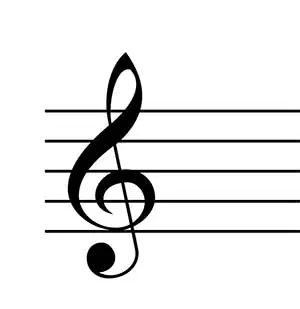
What is the name of this clef?
bass
treble

What piano keys are notated here?
CEF
CGA
CDE
CEG
What is the name for the music measurements below?
feet
spaces
inches
intervals

Identify the symbol below that indicates what flats to play in the music.
interval
melody
fermata
key signature
Identify the symbols use by vocalists to sing scales.
solfege
rolands
timing
tempo

Idenfity the following.
tempo
melody
chord/harmony
note
A series of notes played in an order that is memorable and recognizable as the main singable tune. It is probably the most easily recognized aspect of music.
rhythm
melody
harmony
How a melody is changing in pitch and when there are two or more melodies, how they change in pitch in relation to each other.
stability
timing
motion
Music is made of tension and...
ascension
release
Woodwinds are aerophones and produce sound by blowing air and creating a vibration made by a reed or an opening.
True
False
A high-pitched ww instrument with a long, slender tube. The sound is created by blowing across a hole near the top of the flute, causing the air inside to vibrate.
flute
bass drum
tuba
violin

A single-reed woodwind, usually made of brass and with a distinctive loop bringing the bell upwards. One of the youngest instruments (invented in mid -1800s).
saxophone
tuba
trombone
oboe
This ensemble combines the flute, oboe, clarinet, French horn, and bassoon to create a chamber group.
Brass Quintet
Woodwind Quintet
Percussion Ensemble
String Quartet
Produces sound by vibration of air in a tube caused by the buzzing of lips on the mouthpiece. These instruments sound bright, rich, vibrant!
woodwinds
brass
strings
percussion

Earlier versions had no valves, today they have 3 valves. Smallest brass instrument/highest in pitch. Plays the solos/melody.
flute
oboe
trumpet
tuba
Low brass instrument that changes pitch using slides, not valves.
bassoon
trumpet
trombone
flute
This versatile ensemble performs for weddings, events, concerts, etc. featuring 2 trumpets, 1 french horn, 1 trombone, 1 tuba.
woodwind quintet
string quartet
brass quintet
brass duet
These instruments produce sound from vibrating strings, transferred to the air by the body of the instrument.
brass
strings
percussion
This string instrument is the highest-pitched and plays melodic lines. Bright/energetic timbre. Used in western classical and folk music and dates back to the 1500s in Italy.
violin
trumpet
flute
bass

This string instrument is from ancient Egypt/ Greece and typically has 47 strings. Performers pluck the strings with fingers. The sound is graceful and heavenly.
clarinet
baritone
cello
harp
This string chamber ensemble has 2 Violins, 1 Viola, 1 Cello and is the most prominent chamber ensembles in classical music. Established by composer Franz Joseph Haydn, in the 1750s.
string quartet
brass quintet
woodwind choir
These instruments are struck, scraped, shaken. They have both pitched/unpitched.
woodwinds
brass
percussion
strings

This percussion instruments has a drumhead stretched over both ends of cylinder. Wire-wrapped strings across bottom head. Unique 'sizzle' sound. Used for Military, drum set, marching bands, etc
snare drum
bells
timpani
xylophone
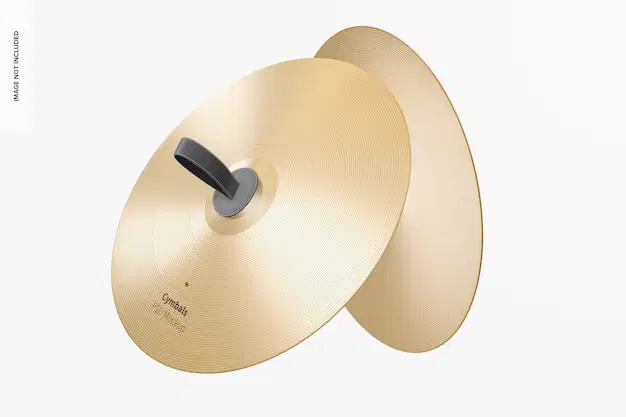
This instrument has large metal discs, made of spun bronze. Adds drama and excitement while it accents the rhythm/delicate sound effects. You can crash together or strike with sticks/mallets.
xylophone
timpani
snare drum
cymbals
This percussion instrument are rattles, filled with dried seeds/beads that rattle. when shaken. They are original from Latin America.
timpani
maracas
tambourine
bongos
Group of drums arranged for and played by one person. Large and small drums/cymbals/snare/toms/bass that play behind many types of music.
gong
xylophone
drum set
Classify this instrument.
unpitched percussion
pitched percussion
This pitched percussion sound s like clear tinkling bells. Uses Hard/plastic/brass mallets.
timpani
marimba
tambourine
glockenspiel
This pitched percussion resemble large bowls, big copper pots. Drumheads made of calfskin/plastic stretched over their tops. Usually 4 or 5 are played together.
timpani
castanets
marimba
vibraphone
Classify these instruments from Marching Percussion.
pit/front ensemble
battery/drumline
Classify these instruments from Marching Percussion.
battery/drumline
pit/front ensemble
This isthe main keyboard instrument. Struck by hammers/connected to the keys when pressed. Can play both soft (piano) and loud (forte).
acordion
harp
piano
timpani
This keyboard instrument's sound is produced by forcing air through pipes by pressing keys and pedals. Each pipe sounds one tone and is controlled by keyboards/ pedals.
harpsichord
trombone
organ
harp

