
 Worksheets
Drama Techniques
Total questions: 14
Worksheet time: 7mins
What is the definition of a monologue?
A conversation between two characters
Speaking directly to the audience
Speaking one's own thoughts aloud, regardless of anyone hearing
A lengthy speech by one person in to a another character or characters.
What is the definition of a soliloquy?
A conversation between two characters
Speaking directly to the audience
Speaking one's own thoughts aloud, regardless of anyone hearing
A lengthy speech by one person in to a another character or characters.
What is the definition of an aside?
A conversation between two characters
Speaking directly to the audience
Speaking one's own thoughts aloud, regardless of anyone hearing
A lengthy speech by one person in to a another character or characters.
What is the definition of dialogue?
A conversation between two characters
Speaking directly to the audience
Speaking one's own thoughts aloud, regardless of anyone hearing
A lengthy speech by one person in to a another character or characters.
Is a soliloquy meant to be heard by other characters in a play?
It depends on the character
Only if the character is speaking to the audience.
Yes, always
No
Can an aside be heard by other characters in a play?
It depends on the volume of the aside
Only if the character is speaking loudly
Yes, always
No
How does a soliloquy differ from a monologue?
A soliloquy is a type of dance, while a monologue is a type of music performance.
A soliloquy is always performed by two or more characters, while a monologue is performed by a single character.
A soliloquy is a speech given by a character alone on stage, expressing their inner thoughts and feelings.
A soliloquy is a form of dialogue, while a monologue is a form of narration.
What distinguishes an aside from a monologue or soliloquy?
An aside is a long speech by a character that reveals their inner thoughts to the audience.
An aside is when a character speaks to themselves, revealing their inner thoughts, while the other characters on stage can hear.
An aside is when a character speaks directly to the audience, revealing their inner thoughts, while the other characters on stage are not supposed to hear.
An aside is when a character speaks directly to another character, revealing their inner thoughts.
Why do playwrights use monologues, soliloquies, and asides in their works?
To provide insight into a character's thoughts, feelings, and motivations.
To provide comic relief
To confuse the audience
To increase the length of the play
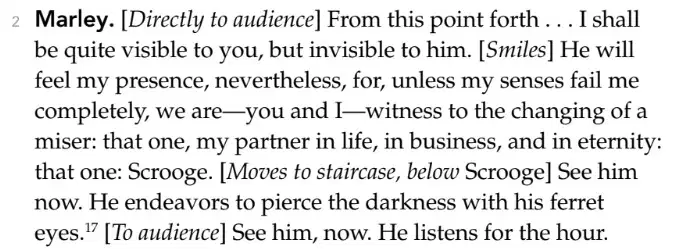
This is an example of...
An aside
A soliloquy
A monologue
Stage Directions
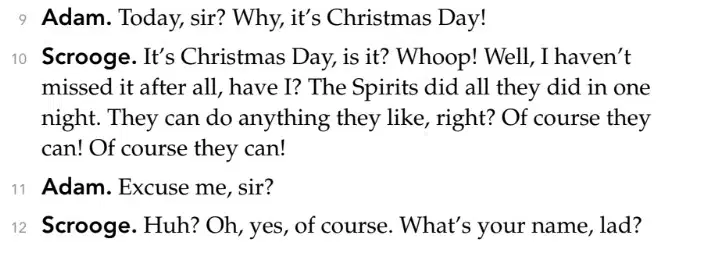
This is an example of...
An aside
A soliloquy
Dialogue
Stage Directions
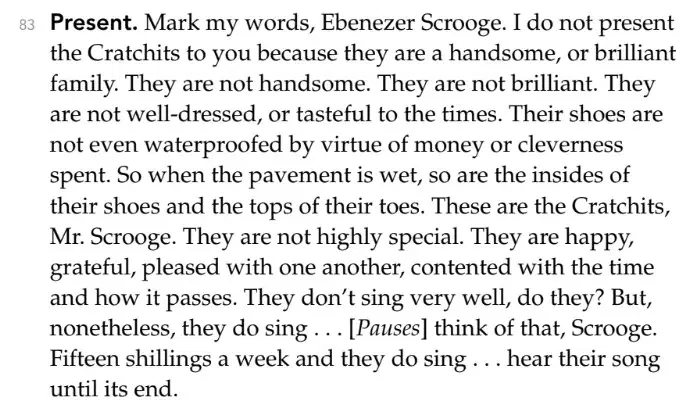
This is an example of...
An aside
A soliloquy
Dialogue
A monologue
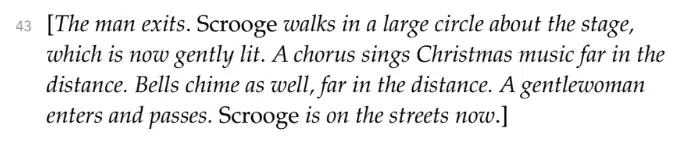
This is an example of...
An aside
Stage Directions
Dialogue
A monologue

This is an example of...
A soliloquy
Stage Directions
Dialogue
A monologue

