
 Worksheets
Adaptations Quiz
Total questions: 20
Worksheet time: 10mins
Name
Class
Date
1.
Who is the Father of Evolution?
a)
Gregor Mendel
b)
Charles Darwin
c)
Robert Hooke
d)
Albert Einstein
2.
Which location influenced Charles Darwin discovery of evolution?
a)
Hawaii Islands
b)
Florida Keys
c)
Galapagos Islands
d)
Cayman Islands
3.
Which statement below best defines evolution?
a)
the process by which organisms better adapt to their environment to survive and reproduce
b)
making deliberate crosses of plants or mating of animals, so the offspring will have a desired trait(s) derived from one of the parents
c)
a change in structure or behavior that helps an organism survive and function better in its environment
d)
change in the heritable traits of biological populations over successive generations
4.
Humans have selected the traits of dogs in order to use the dogs for specific jobs. Which dog pictured below was most likely bred to carry large amounts of mass in extremely cold environments?
a)
Option 1
b)
Option 2
c)
Option 3
d)
Option 4
5.
Humans have selected the traits of dogs in order to use the dogs for specific jobs. Also, when they have found the desired traits, they breed those two species of dog. Which answer below best describes this concept?
a)
Natural Selection
b)
Selective Breeding
c)
Enviromentalism
d)
Variation
6.
Peppered moths are common insects living in England, Europe, and North America. During the Industrial Revolution, some thought the adults were changing their colors the same way the larvae could match the color of the twigs. Others thought the chemicals in the smoke darkened the moths. Finally it was found that the color was genetic. Moths passed their color to the next generation. Which answer below best describes what is happening to the moths?
a)
Natural Selection
b)
Selective Breeding
c)
Enviromentalism
d)
Variation
7.

When Darwin visited the Galapagos Island, he studied different type of finches as seen in the picture below. He noticed that certain ones had different beak sizes and shape. Which of the following best explains the traits differences in the finches?
a)
They were on different islands at different times.
b)
The finches changed their beak shape and size and passed those traits to their offspring.
c)
The various temperatures through out the year caused their beaks to change.
d)
Because of natural selection caused the beaks to change due to what food sources were available.
8.
How many steps are there in natural selection?
a)
1
b)
2
c)
3
d)
4
9.
In the step of natural selection, which statement below best describes overproduction:
a)
The individuals of a population have many traits that differ.
b)
Traits that help the population survive will become more common.
c)
Every species tends to produce more individuals than can survive to maturity.
d)
Some individuals survive longer and reproduce more than others.
10.
Many organisms have a change in structure or behavior that helps them survive and function better in its environment. Which word below describes this transformation?
a)
environmentalism
b)
adaptation
c)
simulation
d)
competition
11.

The picture below is of native snake to East Texas known as the copperhead. It has a brownish pattern to disguise its appearance amongst the dead leaves. Which adaptation best suits this snake?
a)
migration
b)
mimicry
c)
body covering/parts
d)
camouflage
12.
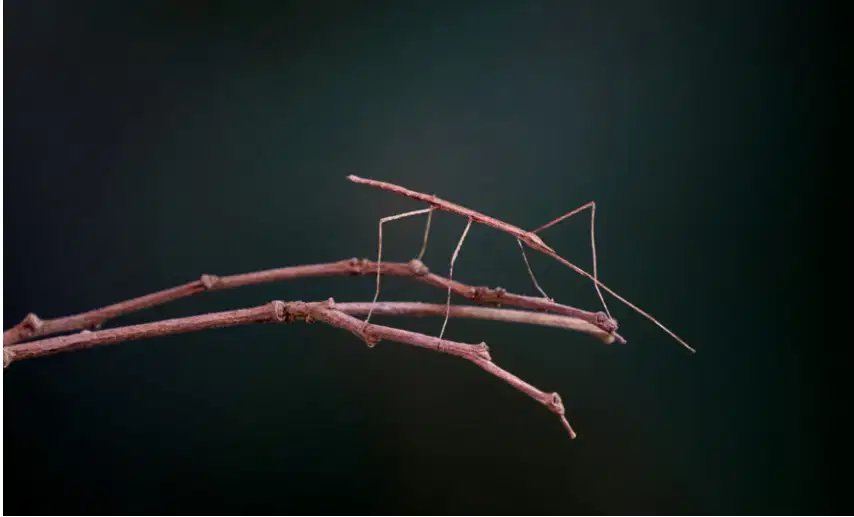
The picture below is of stick bug and can be found in East Texas. It is a bug that evolved millions of years ago to look like a stick. It doesn't look like the copy of another animal, but of a plant. Which adaptation best suits this bug?
a)
migration
b)
mimicry
c)
body covering/parts
d)
camouflage
13.
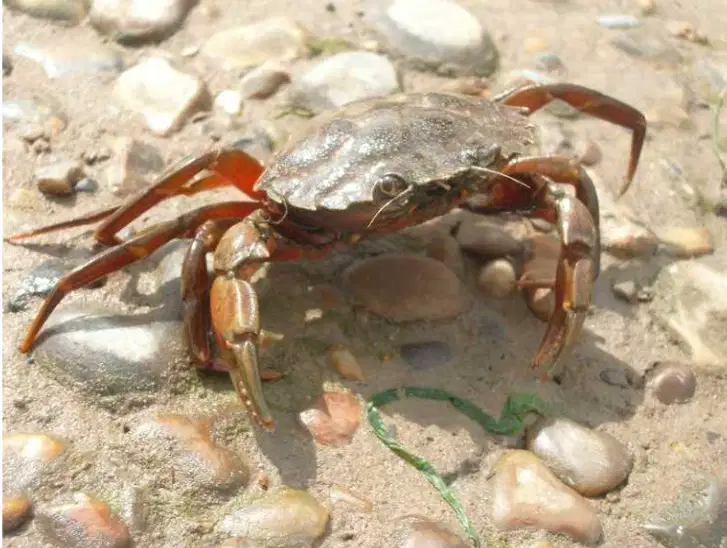
Harrison was walking on the beach in Galveston, TX. See saw this organism, took out her IPhone 3 from Cricket Wireless and took a picture of it. She sent the picture to her friend Wilson. She asked her, "which adaptation does this organism have?" Which adaptation should Wilson text back to describe this creatures?
a)
migration
b)
mimicry
c)
body covering/parts
d)
camouflage
14.
There are three types of adaptation we have covered in this unit: structural, behavioral and physiological. Which of the adaptations below would NOT follow under the category of a behavioral adaptation?
a)
migration
b)
hibernation
c)
venom
d)
fight/flight
15.

Lollar was watching a group of birds fly together heading south for the winter. The reason they do this is for the warmer temperature. Which adaptation was Lollar witnessing happen before her very eyes?
a)
migration
b)
hibernation
c)
venom
d)
fight/flight
16.
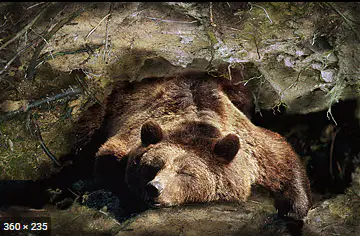
Most 7th graders at PTJH may have the adaptation of a bear. For bears, they fall into a deep sleep and conserve energy through the winter. However, most 7th graders at PTJH do this all year long. Which adaptation best describes the bear and 7th graders at PTJH?
a)
migration
b)
hibernation
c)
venom
d)
fight/flight
17.
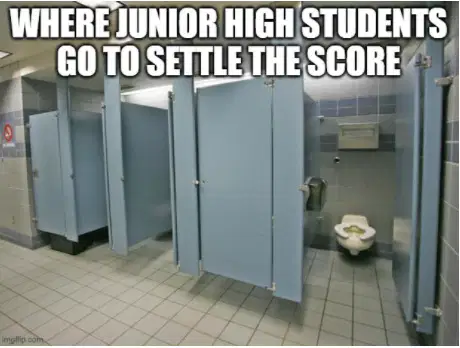
Most physical altercations at PTJH happen in restrooms. Some student fight or run when they are in danger (honestly though, most run). Which adaptation are these students displaying in their school restroom?
a)
migration
b)
hibernation
c)
venom
d)
fight/flight
18.
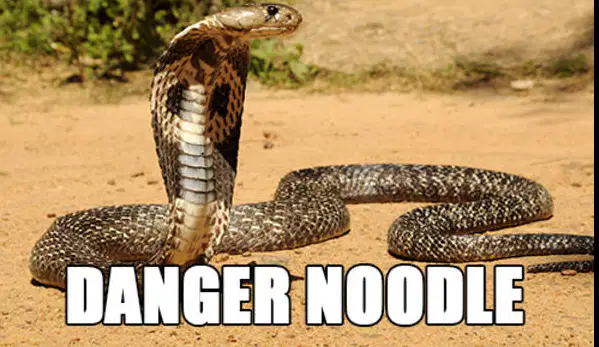
This is a picture of a king cobra in its natural habitat. However, these danger noodles are not found in East Texas. On the other hand, they have fangs and when they bite it releases a toxin that is very bad. Also, they can use this toxin for chemical defense. What adaptation is the information above referring to?
a)
migration
b)
hibernation
c)
venom
d)
fight/flight
19.
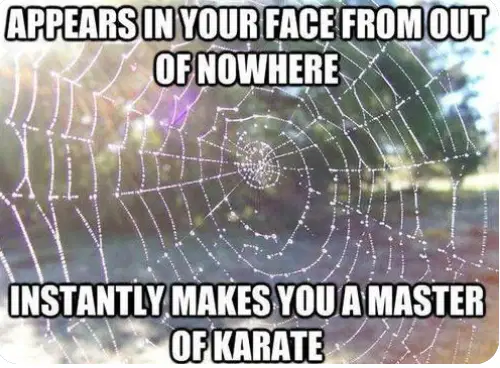
There are spiders around the world. They create webs to catch prey and hold their egg sacks. What physiological adaptation do they possess?
a)
migration
b)
spider silk
c)
venom
d)
flower nectar
20.
Flowers are almost on every continent in the world. They have a special adaptation used to attract bugs to pollinate. Which adaptation listed below refers to flowers?
a)
migration
b)
spider silk
c)
venom
d)
flower nectar
100 %

