
 Worksheets
Bacteria & Archaea
Total questions: 122
Worksheet time: 3570secs
How are bacterial cells different from the cells of eukaryotes?
The bacteria are prokaryotes, and the genetic material is not contained in the nuclei.
The bacteria are eukaryotes, and the genetic material is not contained in the nuclei.
The bacteria are prokaryotes, and the genetic material is contained in the nuclei.
The bacteria are eukaryotes, and the genetic material is contained in the nuclei.
Tiny structures that produce proteins inside bacteria
bacteria
ribosomes
cytoplasm
endospore
Organisms that break down food large, complex chemicals in dead organisms into small, simple chemicals
ribosomes
flagelllum
conjugation
decomposers
The region inside the cell membrane of a bacterium
bacteria
endospore
cytoplasm
decomposers
Tiny single-celled organisms that live almost everywhere
ribosomes
cytoplasm
bacteria
virus
A whip-like structure that helps a bacterial cell to move
Flagellum
Conjugation
Endospore
Pasteurization
Bacteria are....(select all that apply)
Single-celled organisms
Multi-cellular organisms
Eukaryotes
Prokaryotes
What is the job of the cell wall in bacteria?
To provide protection
To make protiens
To hold organelles in place
To hold water and nutrients


Strong outer layer that protects the bacterial cell from infection by viruses and attack from immune cells.
Pilli
Cell wall
Capsule
Flagella
Layer outside the cell membrane that gives the bacterial cell a solid shape.
Cytoplasm
Cell wall
Plasma membrane
Pilli
Jelly like substance that fills the inside of the bacterial cell.
Flagella
Chromosome
Plasmid
Cytoplasm
Whip-like tail that allows bacteria to move
Pillus
Flagella
Cytoplasm
Cell wall
Small protrusions of cell membrane around the outside of the bacterial cell that allow bacteria to attach to one another, and share DNA.
Flagella
Cell membrane
Pilli
Cell wall
Is the bacterial DNA surrounded by a nucleus?
No
Yes
Bacterial cells are...
Prokaryotes
Eukaryotes
Small circular pieces of DNA that can be shared between bacteria.
Cytoplasm
Plasmid DNA
Chromosome
Ribosome
Small organelles that turn genes into proteins
Cytoplasm
Plasmid
Ribosomes
Nucleus
Bacterial cells reproduce by this process
Mitosis
Meiosis
Binary fission
Spawning
Which of the following statements show characteristics of Archaebacteria?
I. The cell walls do not contain peptidoglycan.
II. There are no membrane-enclosed organelles within their cytoplasm.
III. Their DNA consist of histone proteins.
IV. Their membrane lipid has unbranched hydrocarbon chain.
I, II and III
II, III and IV
I, II and IV
I, III and IV
Which compound in the cell wall that causes a Gram positive bacteria stain purple in colour when it is treated with crystal violet dye?
Cellulose
Lipoprotein
Peptidoglycan
Lipopolysaccharide
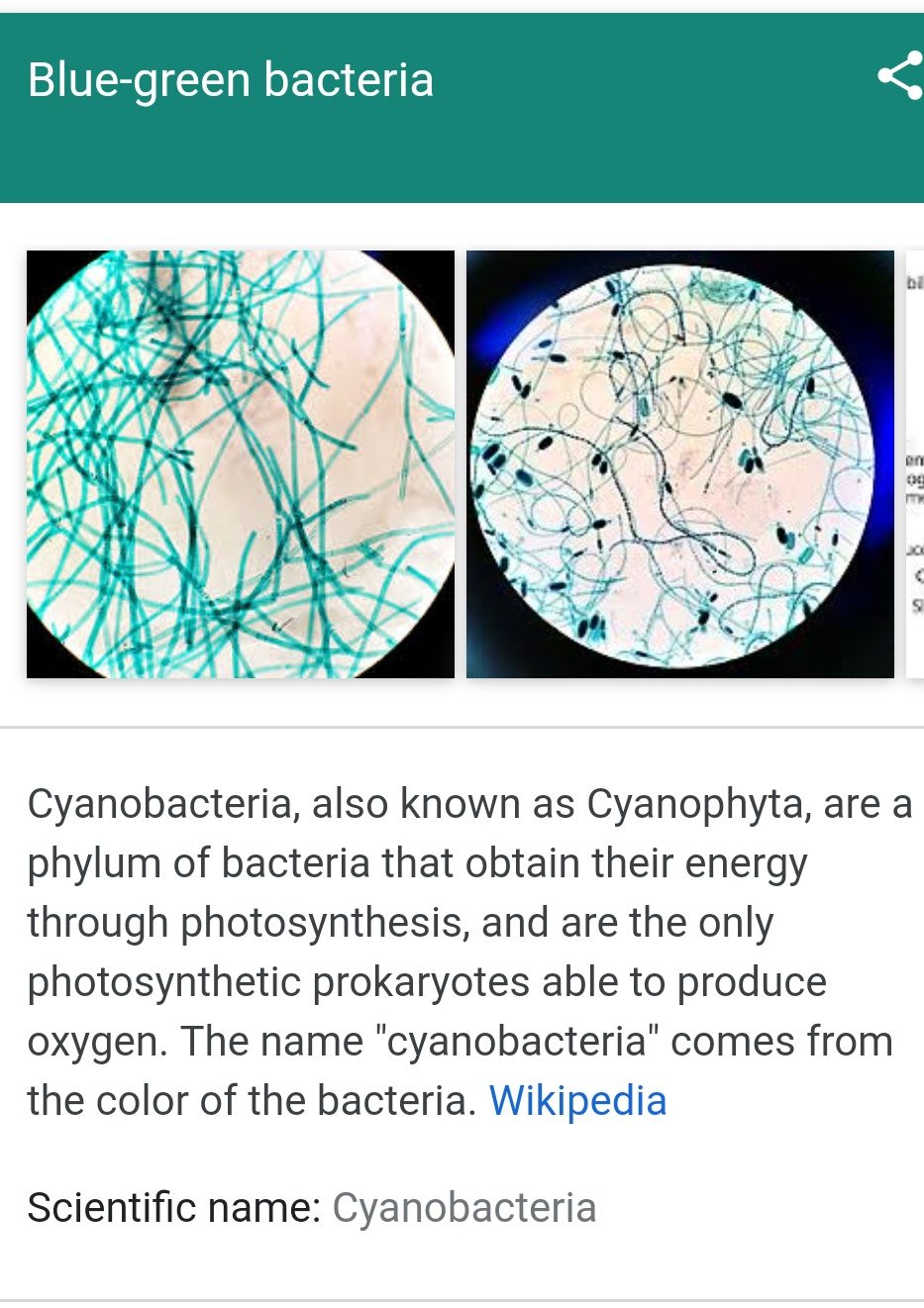
Cyanobacteria are
Photoheterotrophs
Photoautotrophs
Chemoautotrophs
Chemoheterotrophs
Which of the following statements are TRUE about organisms in the Domain Bacteria?
I. Consist of bacteria and cyanobacteria
II. Some are photoautotrophs
III. Genetic material is a single stranded DNA
IV. Organelles are not present
I and II
I, II and III
I, II and IV
I, II, III and IV
All answers listed below are true about bacteria except
all are prokaryotes
all are harmful
all are unicellular
they do not have nucleus
What material is found in most bacterial cell walls?
Cellulose
Chitin
Peptidoglycan
Amylose
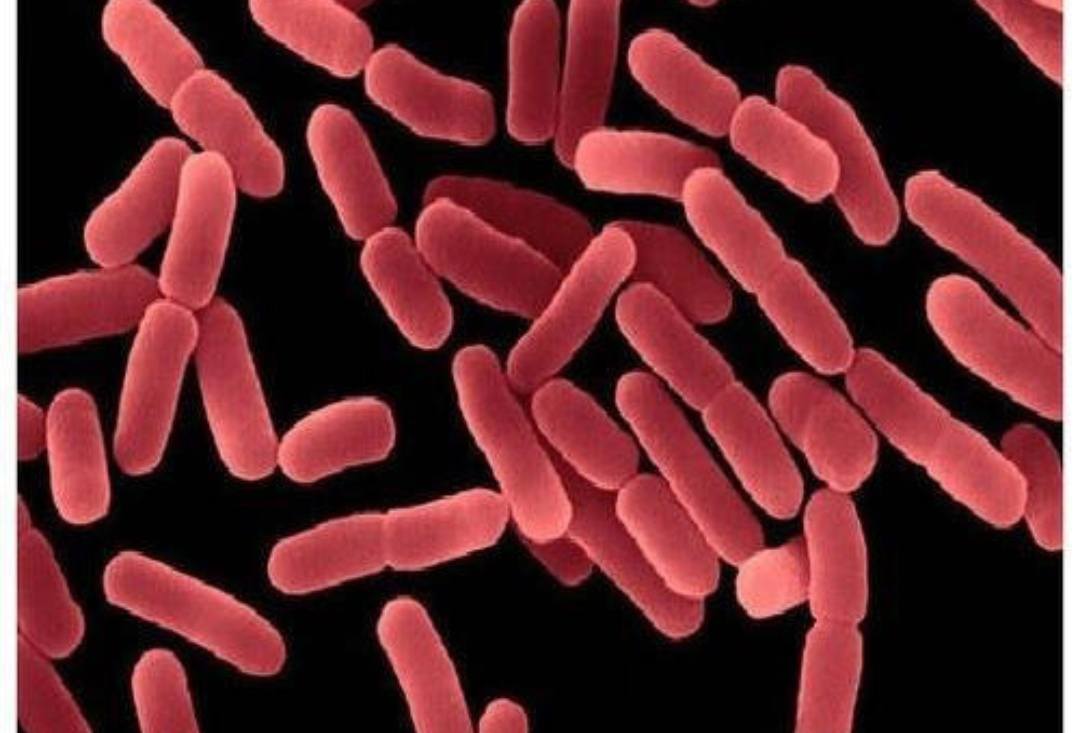
A rod-shaped bacteria is called
spiral
bacillus
coccus
vibrio
The Gram-positive bacteria stain purple because
they form endospore
they have cellulose layer
they have thin peptidoglycan layer
they have thick peptidoglycan layer
Bacteria and Archaebacteria are both prokaryotes. How do they differ to each other?
Bacteria inhabit extreme environment while Archaebacteria inhabit diverse environment.
Bacteria inhabit diverse environment while Archaebacteria inhabit extreme environment.
Both inhabit diverse environment.
Both inhabit extreme environment.
Prokaryotes are differentiated from eukaryotes by
lacking of true nucleus and cytoskeleton
lacking of membrane bounded organelle
the flagella do not show 9+2 microtubule arrangement
All choices are true.
Which of the following statements concerning cyanobacteria is or are true?
Cyanobacteria are photosynthetic organism
Cyanobacteria are unicellular, some are filamentous, some are branched and form colonies
Cyanobacteria reproduce asexually by binary fission and fragmentation
All of the choices
Which domain has cell wall containing peptidoglycan?
Bacteria
Archaea
Eukarya
Which domain has nucleus?
Bacteria
Archaea
Eukarya
Which domain has membrane lipid with branched hydrocarbon?
Bacteria
Archaea
Eukarya
What is the name of your current beautiful Biology lecturer? ^_^
Rashiqah
Rasyidah
Rashida
Angelina Jolie
Which domain has DNA with no histone proteins?
Bacteria
Archaea
Eukarya
Which bacteria has complex cell wall?
Gram positive bacteria
Gram negative bacteria
Which bacteria has lipopolysaccharide?
Gram positive bacteria
Gram negative bacteria
Which bacteria are more virulent?
Gram positive bacteria
Gram negative bacteria
Which bacteria will stain blue or purple?
Gram positive bacteria
Gram negative bacteria
Which protects most prokaryotic cells from the surrounding environments?
flagella
nucleus
ribosome
cell membrane
Which contains a nucleus?
bacteria
eukaryotes
prokaryotes
viruses
Which statement represents an accurate comparison between prokaryotic and eukaryotic cells?
Prokaryotic cells are larger than eukaryotic cells
Prokaryotic cells have membrane bound organelles, eukaryotic cells do not
Prokaryotic cells are members of protista and fungi kingdoms, eukaryotic cells are membranes of archae and bacteria kingoms.
Prokaryotic cells contain spiral DNA and no nucleus, eukaryotic cells contain a nucleus
Which is the most significant difference between a prokaryotic and a eukaryotic organism?
A prokaryotic cell is complex, while a eukaryotic cell is simple.
A prokaryotic cell is multicellular, while all eukaryotic cells is unicellular.
A prokaryotic cell requires oxygen, while an eukaryotic cell requires carbon dioxide.
A prokaryotic cell has a nucleoid, while an eukaryotic cell contains a nucleus.
Which organisms are best describes as prokaryotic cells?
bacteria
protists
plants
fungi
Which characteristics of mitochondria and chloroplasts led scientist to believe that the two organelles evolved through the symbiotic relationship between two prokaryotic organisms?
presences of a cell wall
development of bi-layer membrane
presence of their own genetic material
ability to store energy directly from the sun
A researcher observes membrane bound structures in a cell. Based on the observation, the researcher can conclude that the cell is classified as a.
bacterium
virus
prokaryote
eukaryote
Which is the structure in eukaryotic and prokaryotic cells that allows nutrients to enter the cell and waste to leave the cell.
vacuole
cell wall
chloroplast
plasma membrane
If a cell contains a cell membrane, a cell wall, and ribosomes; what kind of cell could it be?
Prokaryotic only
Eukaryotic only
Either a eukaryotic cell or a prokaryotic cell
Neither a eukaryotic cell or a prokaryotic cell
Which organism is found in a prokaryote?
vacuole
ribosome
chloroplast
mitochondria
How do bacteria fit into the food web?
they are producers
they are carnivores
they are decomposers
they are scavengers
This element is important to bacteria so they can make new cells parts, because all living organisms are made of this element.
carbon
oxygen
nitrogen
magnesium
Overuse of pesticides cause these types of bacteria to die and ultimately lower crop yield in farm fields.
nitrogen fixing bacteria
salt-loving bacteria
photosynthetic bacteria
spore-forming bacillus
How do most bacteria get their nutrients?
photosynthesis
digest and then absorb through their cell membranes
endocytosis
osmosis
Bacteria have these type of shaped cells:
spheres
rods
spirals
all answers are correct
Prokaryotes do not have
DNA
cell walls
membrane bound organelles
ribosomes
Decay bacteria
photosynthesize sugars
chemosynthesize sugars
use pigments to capture sunlight
break down organic matter and release nutrients
Autotrophic prokaryotes produce sugars by
photosynthesis
chemosynthesis
photosynthesis or chemosynthesis
decaying organic matter
Archaea are known as "extremophiles" because
they can live in very deep water
they can live in really hot water
they can live in really salty water
all answers are correct
Where does photosynthesis take place in photosynthetic bacteria?
chloroplasts
cytoplasm
cell membrane
golgi apparatus
What protects bacterial cells?
digestive enzymes
toxic chemicals
cell wall
electric impulses
Why were cyanobacteria important for our atmosphere?
They produced a lot of carbon dioxide
They produced a lot of oxygen
They produced a lot of fossil fuels
They produced a lot of natural gas
Where do anaerobic bacteria live?
Where there is a lot of oxygen
Where there is no oxygen
Where there is a lot of carbon dioxide
Where there is no carbon dioxide
Besides sunlight, what is another source of light for photosynthetic bacteria?
light from bioluminescence
the glow from hydrothermal vents
the lights from submarines
Bacteria is found almost everywhere.
Bacteria is found on our body, especially in our intestines and skin.
Which cell part is the thin, flexible covering of a cell that is semi-permeable?
Cell membrane
Cell wall
DNA
Cytoplasm
What does semi-permeable mean?
Keeps everything out
Let's certain things in
Let's everything in
Bacteria are thought to be some of the oldest living organisms on Earth.
true
false
Bacteria are classified by...
shape
the disease they cause
color
some

What type of bacteria is pictured?
spirillium
bacillus
coccus

What type of bacteria is pictured?
coccus
spirilium
bacillus

What type of bacteria is pictured?
spirillium
coccus
bacillus
Bacteria are prokaryotes, meaning they ________.
lack a nucleus
are very large
contain no DNA
have a cytoplasm

What should a person do when infected by a bacteria such as streptococcus?
Wait it out
Freak out
Take antibiotics
Call 911
Are bacteria living or nonliving?
Nonliving
Living

What is A?
cytoplasm
DNA

What is D?
Flagellum
ribosome

A single celled prokaryote that lives in extremely hot thermal springs in Yellowstone National Park would be in which kingdom?
Virus
Protista
Archaebacteria
Eubacteria
What kingdoms are prokaryotic?
animalia
fungi
eubacteria
archeabacteria

Use the image for help. Which kingdom is prokaryotic and lives in neutral environments?
archaebacteria
eubacteria
fungi
protista
True or False: E. coli is a virus
true
false

Which protects most prokaryotic cells from the surrounding environment and provides structural support?
Flagella
Capsule
Cell wall
Cell Membrane
Which contains a nucleus?
bacteria
prokaryotes
viruses
eukaryotes

Which statement represents an accurate comparison between prokaryotic and eukaryotic cells?
Prokaryotic cells are larger than eukaryotic cells
Prokaryotic cells have membrane bound organelles, eukaryotic cells do not
Prokaryotic cells are members of protista and fungi kingdoms, eukaryotic cells are membranes of archae and bacteria kingoms.
Prokaryotic cells contain spiral DNA and no nucleus, eukaryotic cells contain a nucleus
Which characteristics of mitochondria and chloroplasts led scientist to believe that the two organelles evolved through the symbiotic relationship between two prokaryotic organisms?
presences of a cell wall
development of bi-layer membrane
presence of their own genetic material
ability to store energy directly from the sun
If a cell contains a cell membrane, a cell wall, and ribosomes; what kind of cell could it be?
Prokaryotic only
Eukaryotic only
Either a eukaryotic cell or a prokaryotic cell
Neither a eukaryotic cell or a prokaryotic cell
Which organism is found in a prokaryote?
vacuole
ribosome
chloroplast
mitochondria
Autotrophic prokaryotes produce sugars by
photosynthesis
chemosynthesis
photosynthesis or chemosynthesis
decaying organic matter
Archaea are known as "extremophiles" because
they can live in very deep water
they can live in really hot water
they can live in really salty water
all answers are correct
Where does photosynthesis take place in photosynthetic bacteria?
chloroplasts
cytoplasm
cell membrane
golgi apparatus
Why were cyanobacteria important for our atmosphere?
They produced a lot of carbon dioxide
They produced a lot of oxygen
They produced a lot of fossil fuels
They produced a lot of natural gas
Where do anaerobic bacteria live?
Where there is a lot of oxygen
Where there is no oxygen
Where there is a lot of carbon dioxide
Where there is no carbon dioxide
I am single celled. I am prokaryotic. I have a cell wall that's not made of peptidoglycan. I also live in very extreme conditions. Which domain do I belong in?
Bacteria
Archea
Eukarya
I have a cell wall that's made of peptidoglycan. I live in most conditions. I am also a single celled prokaryote. Which Domain do I belong to?
Domain Archaea. Only archaea live in most places like the mouth and skin of humans.
Domain bacteria. Only bacteria have cell wall made of peptidoglycan
Domain Eukarya. Only Eukarya are prokaryotes with cell walls.
All living cells have the following organelles.
chloroplasts
cell wall
Nucleus
ribosome & DNA
Which domain has organisms that live in harsh environments?
Bacteria
Archaea
Both
Which domain has organisms that live in many environments (in normal conditions)?
Archaea
Bacteria
Both
Which of the following statements are TRUE about organisms in the Domain Bacteria?
I. Consist of bacteria and archaebacteria
II. Some are autotrophs
III. Genetic material is in a nucleus
IV. Membrane-enclosed organelles are not present
I and II
I and III
II and III
II and IV
All answers listed below are true about bacteria EXCEPT
all are prokaryotes
all are unicellular
all are harmful
all do not have nucleus
what material are found in most bacterial cell wall?
cellulose
chitin
peptidoglycan
amylose

