
NEW
Font size
 Worksheets
Before WWI!
Total questions: 30
Worksheet time: 15mins

Weltpolitik, introduced by Wilhelm II, aimed at:
Expansionist policies and global influence
Isolationist foreign policies
Strengthening alliances with neighboring countries
Restricting colonial ambitions

The naval arms race between Germany and Britain was intensified by the launch of: A) HMS Dreadnought B) USS Maine C) SMS Blücher D) HMS Victory
USS Maine
SMS Blücher
HMS Dreadnought
HMS Victory
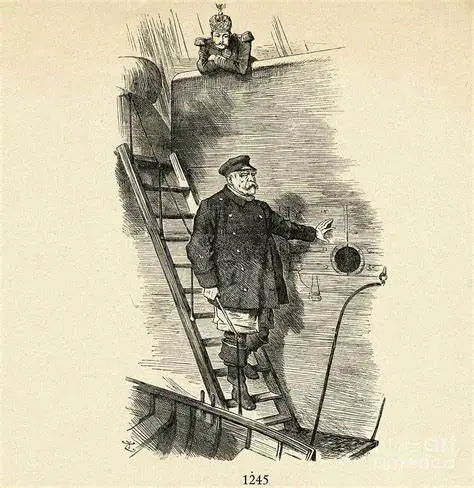
What event marked the end of Bismarck's career as Chancellor of Germany?
Franco-Prussian War
Treaty of Versailles
Kaiser Wilhelm I's death
Wilhelm II's dismissal of Bismarck
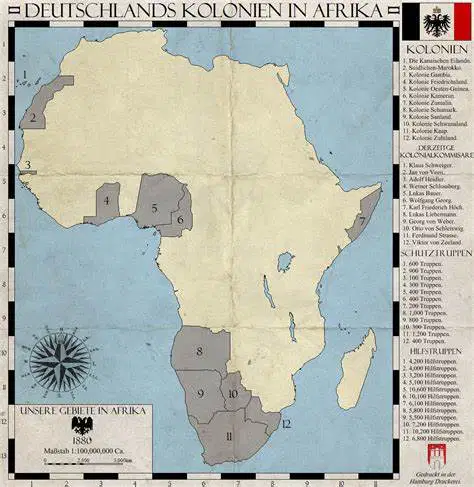
Britain's refusal to join the Triple Alliance was primarily due to concerns about:
German expansion in Africa
French military dominance
Russian territorial ambitions
Austrian-Hungarian influence in the Balkans
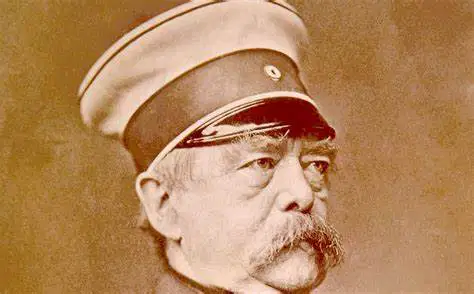
Realpolitik, as practised by Bismarck, emphasized:
Ethical and moral considerations in politics
Idealistic approaches to diplomacy
Religious interventions in governance
Pragmatic and practical statecraft
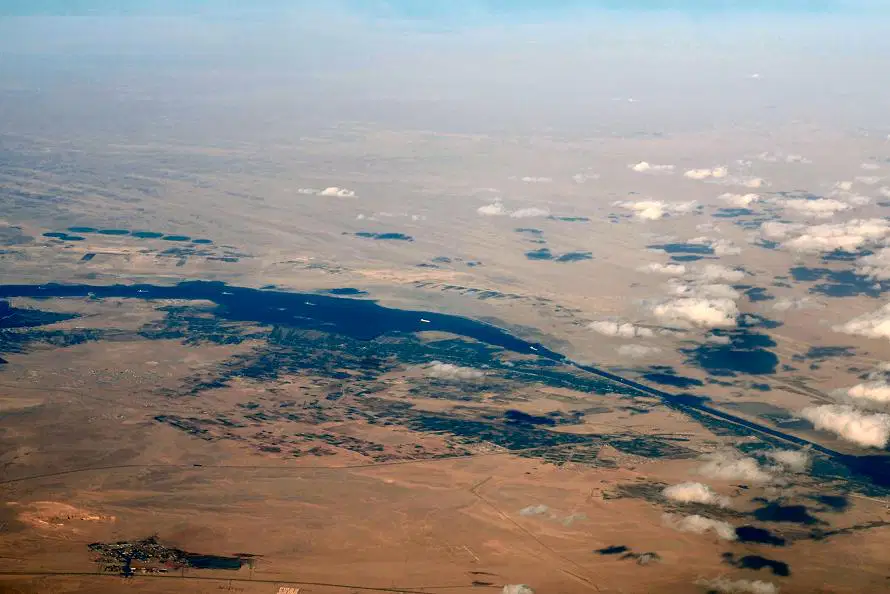
The Anglo-French quarrel over Egypt centered around:
Control of the Suez Canal
Annexation of Sudan
Territory in East Africa
Nile River trade rights
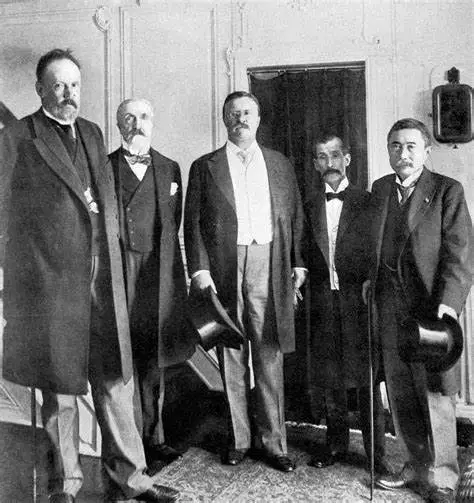
The Russo-Japanese War was concluded by the signing of the Treaty of:
Porthsmouth
Versailles
St. Petersburg
Tashkent
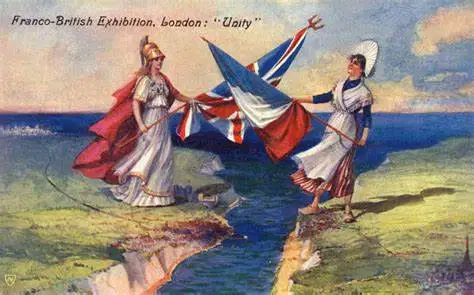
The Entente Cordiale between Britain and France settled disputes related to:
Pacific islands
Territorial claims in Eastern Europe
African colonies
Control of the Mediterranean
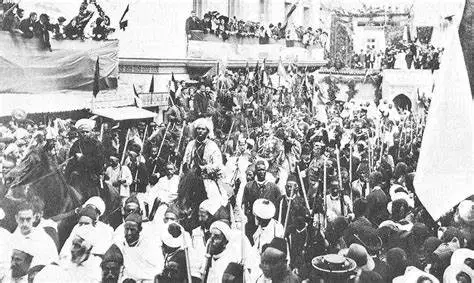
The First Moroccan Crisis was sparked by:
German opposition to French influence in Morocco
British annexation of Moroccan territories
Italian claims on Moroccan ports
Russian military presence in Morocco
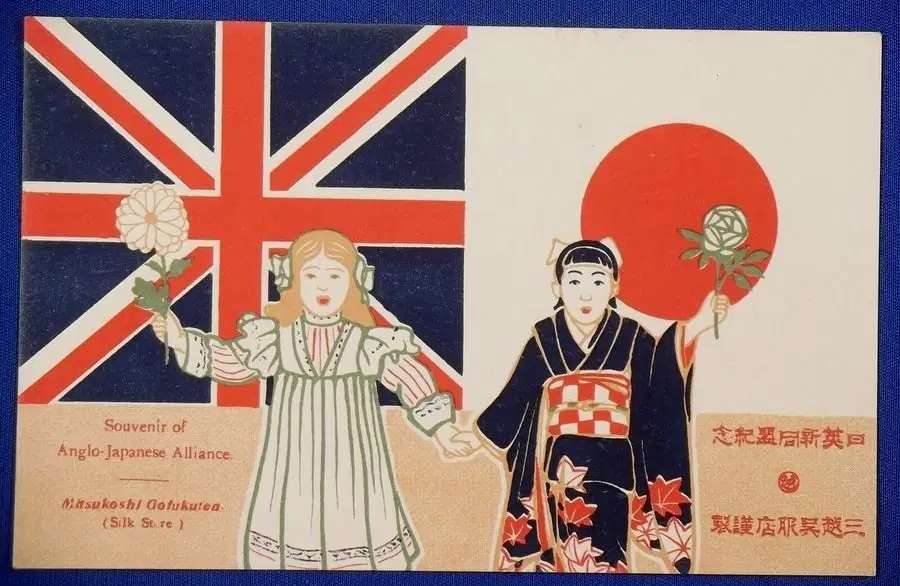
The Anglo-Japanese Treaty of 1902 was primarily aimed at countering:
German influence in Asia
French colonial ambitions
Russian expansion in the Pacific
Chinese military advancements
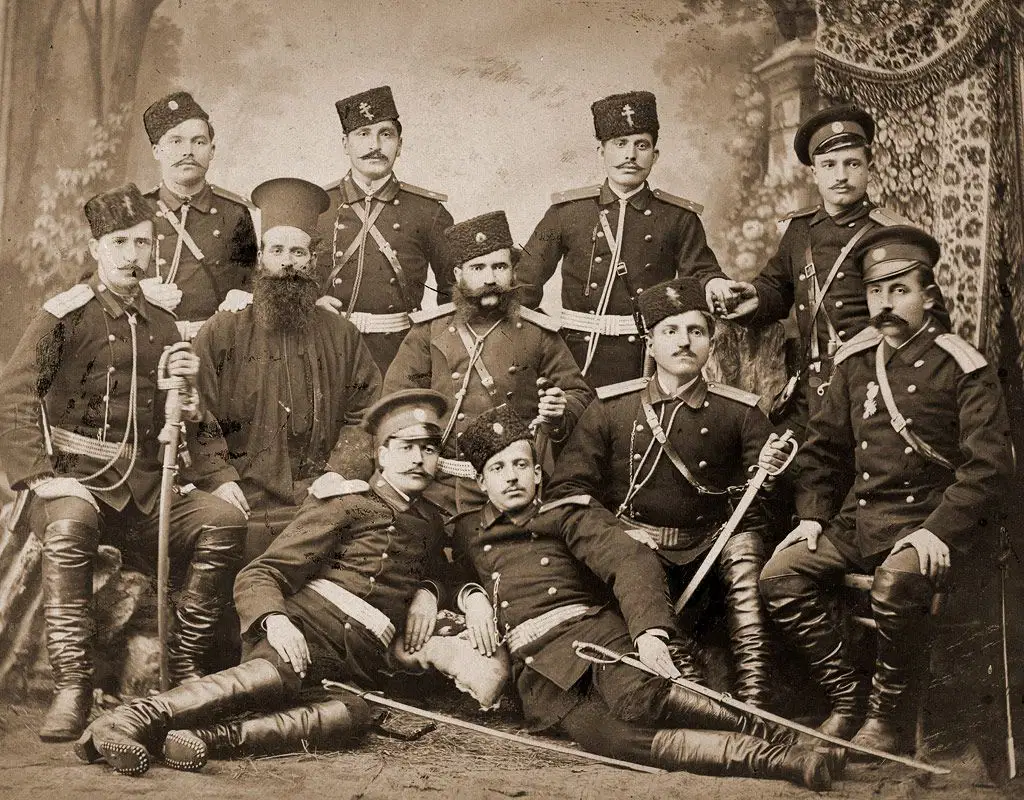
The Bulgarian Crisis of 1885-1887 was a result of:
Bulgarian independence movements
Serbian annexation attempts
Ottoman territorial expansions
Greek-Turkish conflicts

Bismarck's dismissal as Chancellor of Germany led to a shift in Germany's:
Foreign policy towards isolationism
Towards aggressive militarism
Strengthening of alliances
Diplomatical balance
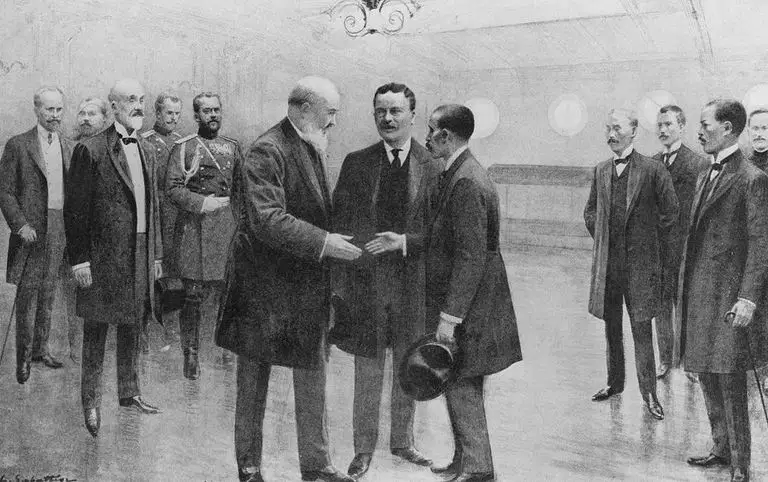
The Russo-Japanese War of 1904-1905 concluded with the mediation of:
United States
France
Germany
Britain
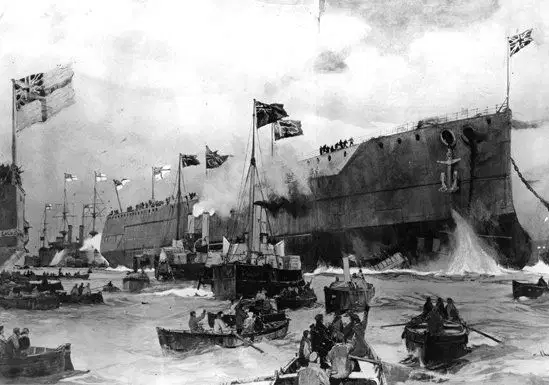
The naval arms race between Germany and Britain primarily focused on:
Aircraft carrier development
Battleship construction and technology
Submarine warfare advancements
Naval blockade strategies
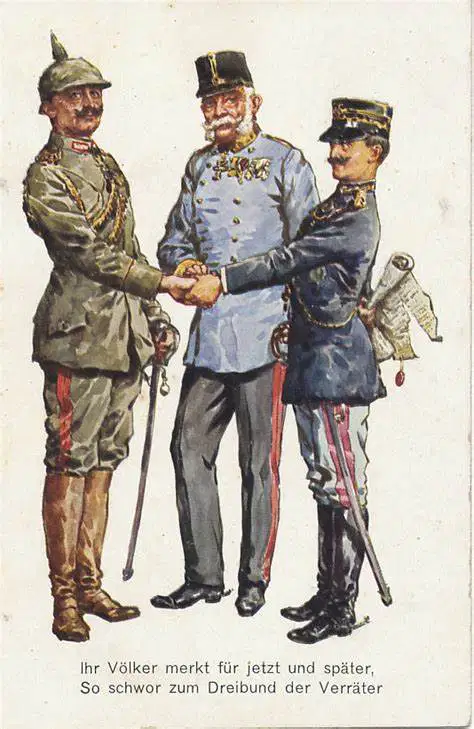
The Triple Alliance did NOT include:
Italy
Germany
Austria-Hungary
Russia
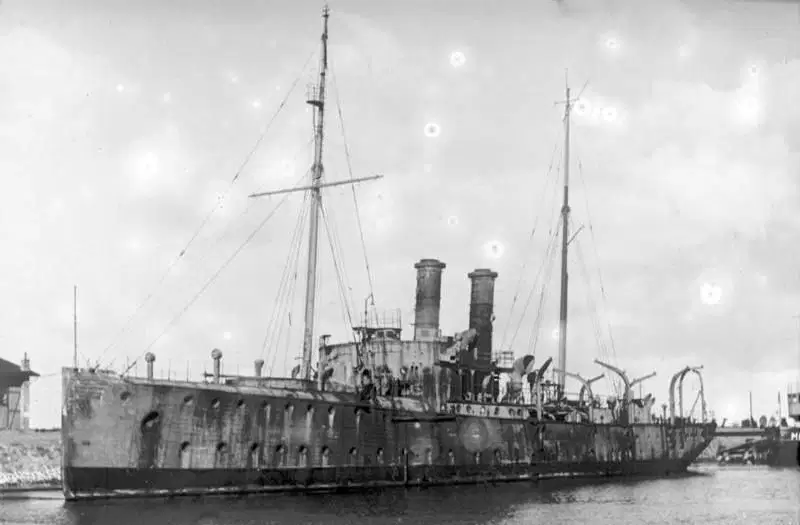
The Second Moroccan Crisis saw the deployment of the German gunboat:
Panther
Tiger
Leopard
Lion
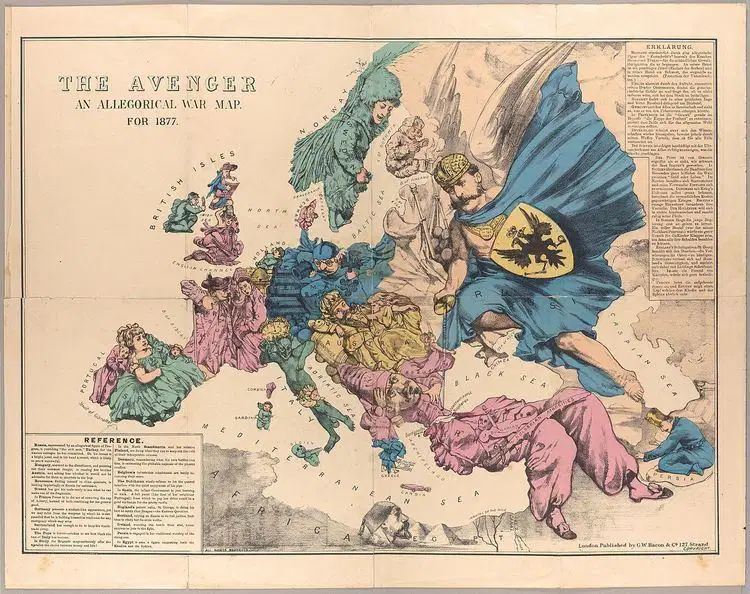
The League of Three Emperors was formed in response to:
The Congress of Berlin
The Austro-Prussian War
The Franco-Prussian Wa
The Eastern Crisis of 1875-1878
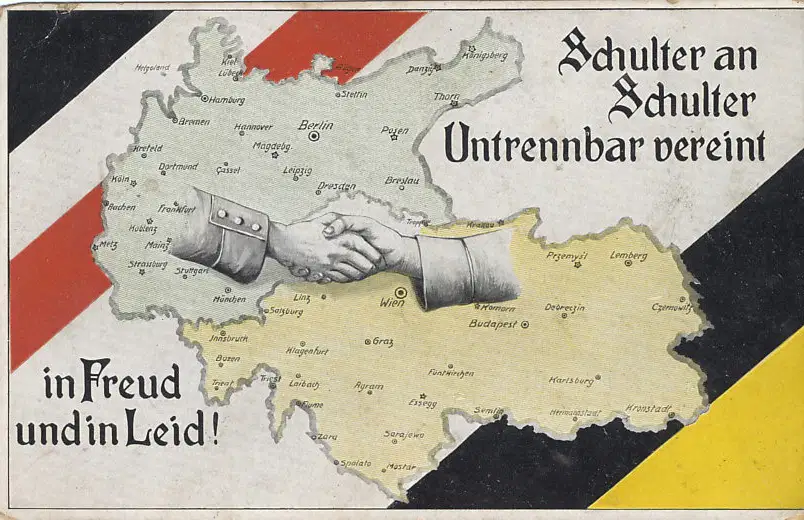
The Dual Alliance between Germany and Austria-Hungary aimed to counter the influence of:
Russia
France
Britain
Italy

Bismarck's policy of maintaining the balance of power aimed to prevent:
German expansion in Europe
French resurgence
Russian interference in the Balkans
British influence in Africa
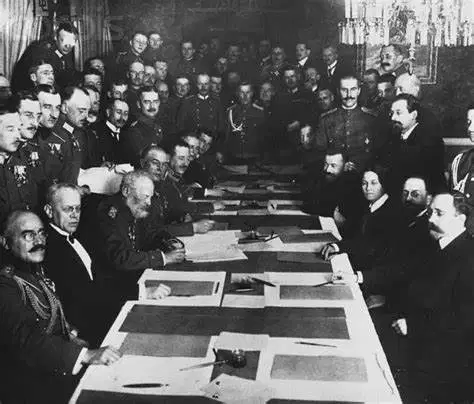
The Reinsurance Treaty between Germany and Russia sought to:
Secure mutual assistance against Austria-Hungary
Maintain peace in the Balkans
Prevent a two-front war for Germany
Expand colonial territories in Africa
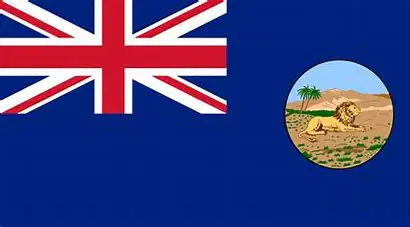
The Second Boer War resulted in the establishment of British control over:
Transvaal and Orange Free State
Cape Colony
Natal
Rodesia
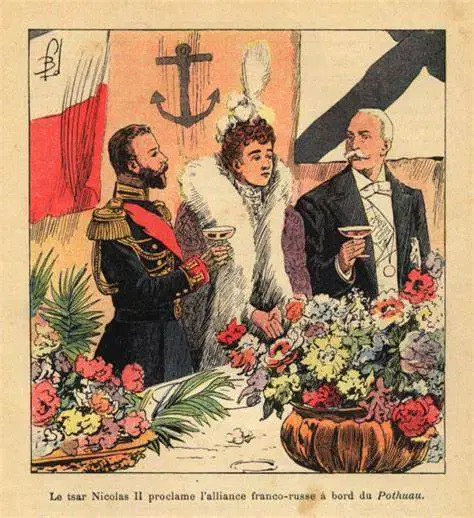
The Franco-Russian Alliance was based on mutual opposition to:
German dominance
British colonialism
Italian unification
Ottoman Empire
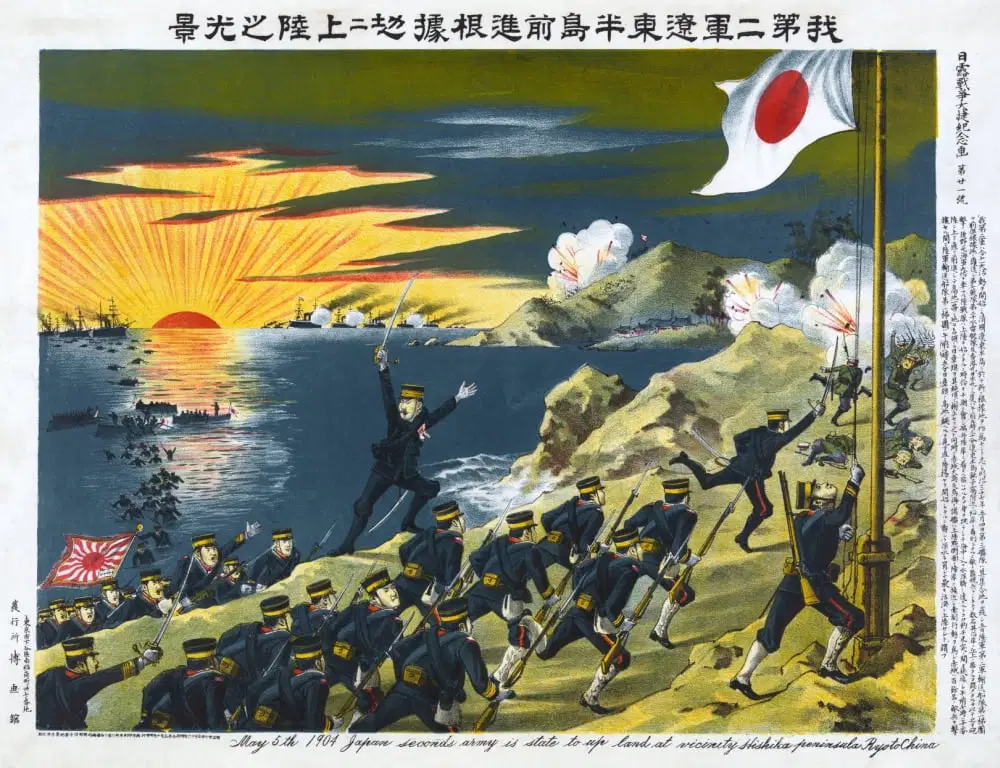
The Russo -Japanese War saw the emergence of which nation as a significant world power?
Japan
Italy
Germany
United States

The Boers were descendants primarily of:
Dutch settlers
French settlers
Spanish settlers
English settlers
Which major world power supported the Boers during the Second Boer War?
Germany
France
Russia
Italy

Transvaal was a region known for its abundant:
Oil resources
Gold and diamond deposits
Coal reserves
Timber resources
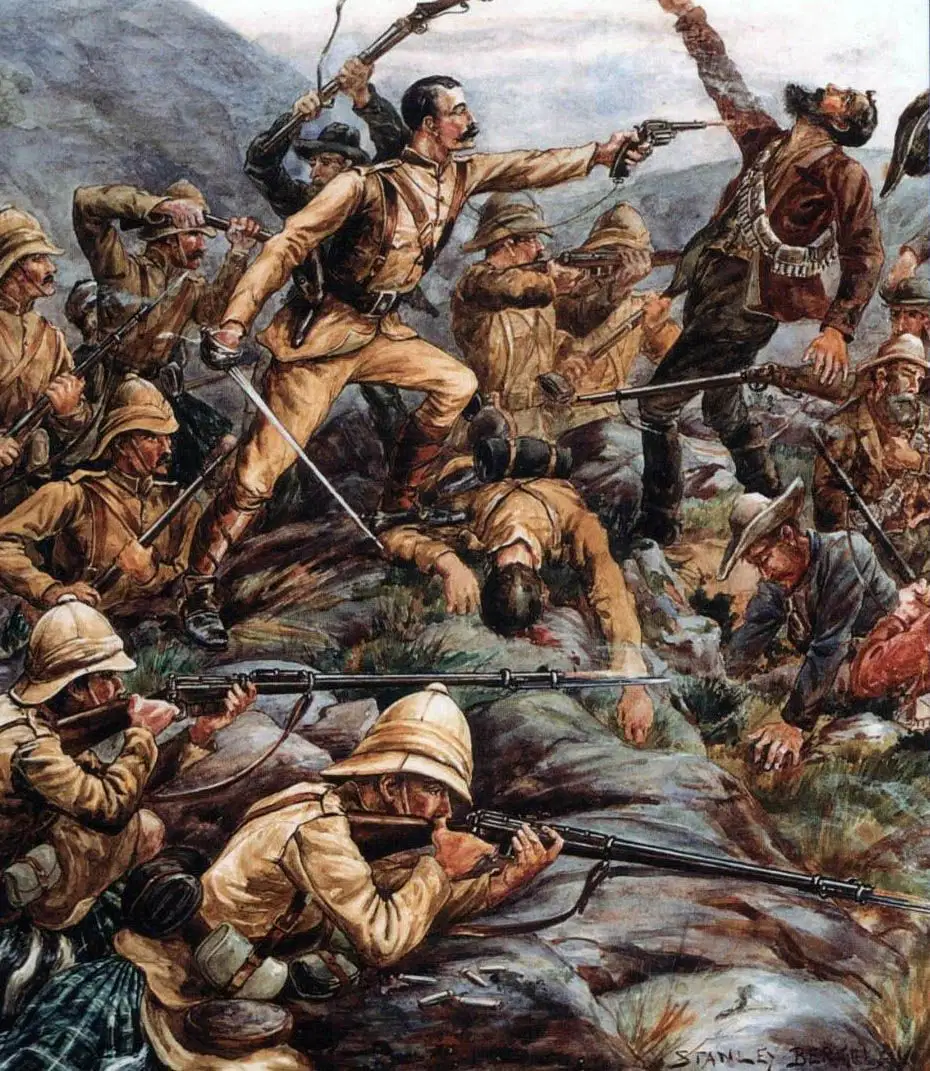
What was the outcome of the Second Boer War?
British annexation of the Transvaal
Dutch annexation of South Africa
Independence of the Transvaal
German colonization of Southern Africa
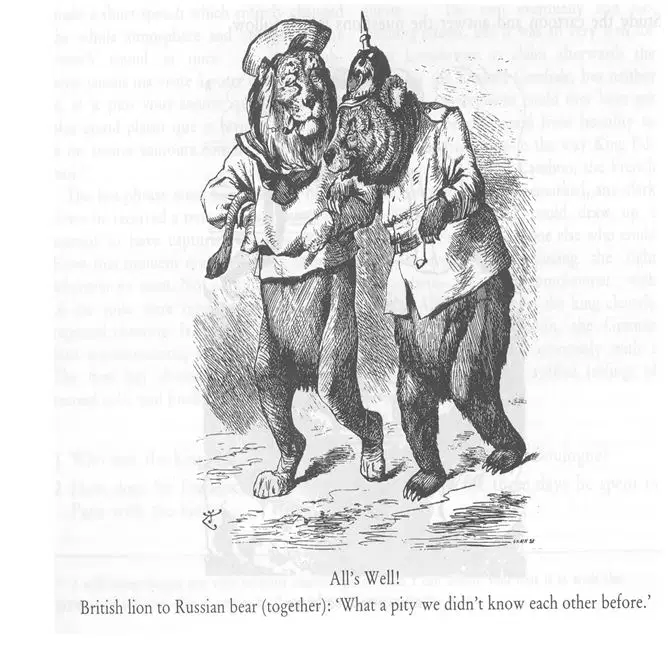
What was the primary goal of the Anglo-Russian Entente?
Containment of German influence in Europe
Expansion of colonial territories in Africa
Strengthening alliances with Eastern European countries
Isolationist foreign policies
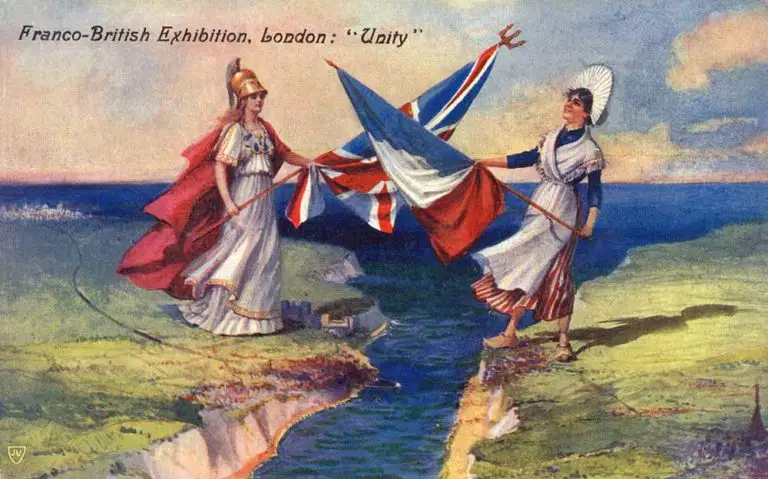
What was the primary goal of the Entente Cordiale?
Containment of German influence in Europe
Protection of colonial territories in Africa
Strengthening alliances with Eastern European countries
Isolationist foreign policies
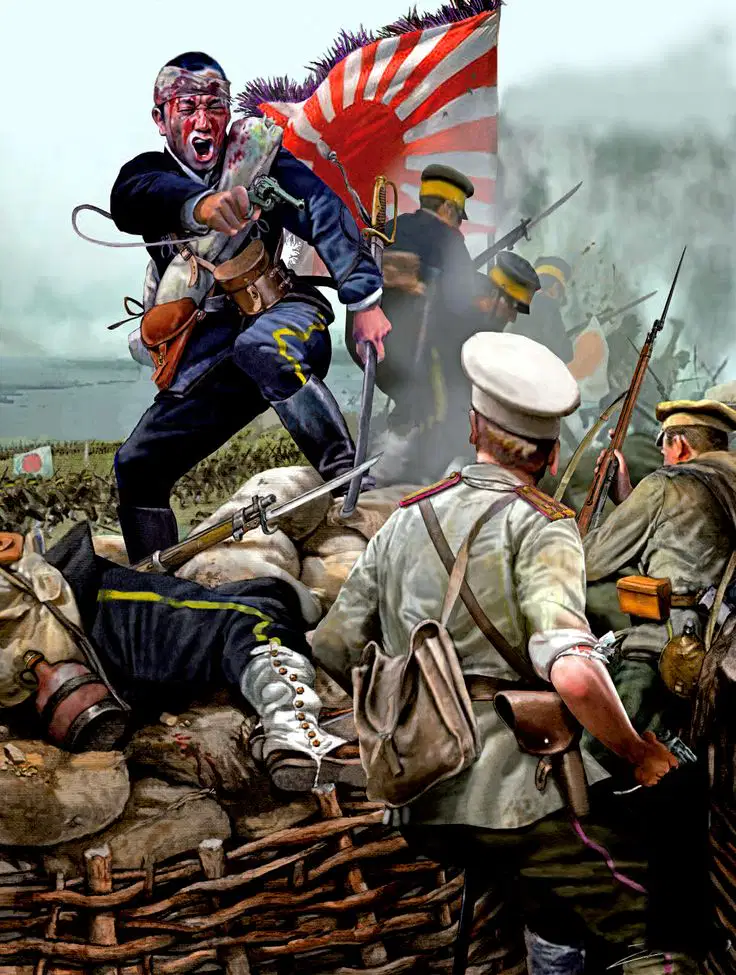
What was the outcome of the Russo-Japanese War for Japan?
Annexation of Russian territories
Establishment as a significant world power
Isolationist foreign policies
Expansion of colonial territories

