
 Worksheets
FZE Concert Orchestra Study Quiz 2024-2025
Total questions: 62
Worksheet time: 31mins
Name
Class
Date
1.
Explain the concept of syncopation in rhythmic patterns.
a)
Syncopation is a rhythmic pattern where the tempo gradually slows down.
b)
Syncopation is a rhythmic pattern where the emphasis is placed on the downbeat or strong beats.
c)
Syncopation is a rhythmic pattern where the emphasis is placed on the off-beat or weak beats, creating a sense of unexpected accents.
d)
Syncopation is a rhythmic pattern where the notes are played in a steady, predictable manner.
2.
What does the time signature 6/8 indicate in music?
a)
6 beats in a measure and the eighth note gets the beat
b)
6 beats in a measure and the half note gets the beat
c)
8 beats in a measure and the eighth note gets the beat
d)
6 beats in a measure and the quarter note gets the beat
3.
Define: Allegro
a)
Fast
b)
Loud
c)
Get louder
d)
To gradually get faster
e)
Slow
4.
Define: Andante
a)
Slow
b)
Loud
c)
Get louder
d)
To gradually get faster
e)
Get softer
5.
Define: Moderato
a)
Moderately
b)
Loud
c)
Get louder
d)
To gradually get faster
e)
Slow
6.
Define: Forte
a)
Loud
b)
Get louder
c)
To gradually get faster
d)
Slow
e)
Get softer
7.
Define: Piano
a)
Soft
b)
Loud
c)
Get louder
d)
To gradually get faster
e)
Slow
8.
Define: Decrescendo
a)
Get softer
b)
Loud
c)
Get louder
d)
To gradually get faster
e)
Slow
9.
Define: Crescendo
a)
Get louder
b)
Loud
c)
To gradually get faster
d)
Slow
e)
Get softer
10.
Define: Accelerando
a)
To gradually get faster
b)
Loud
c)
Get louder
d)
Slow
e)
Get softer
11.
Define: Ritardando
a)
To gradually get slower
b)
Loud
c)
Get louder
d)
To gradually get faster
e)
Slow
12.
Define: D.C. al Coda
a)
Go back to the beginning, then the Coda
b)
Loud
c)
Get louder
d)
To gradually get faster
e)
Slow
13.
What is the correct order of sharps?
a)
A, B, C, D, E, F, G
b)
G, F, E, D, C, B, A
c)
F, C, G, D, A, E, B
d)
B, E, A, D, G, C, F
14.
What is the correct order of flats?
a)
A, B, C, D, E, F, G
b)
G, F, E, D, C, B, A
c)
F, C, G, D, A, E, B
d)
B, E, A, D, G, C, F
15.
What is a musical "interval"?
a)
The speeding up of notes
b)
The distance between two notes
c)
The time signature of two notes
d)
The value of time in a piece
16.
Which string instrument is the only instrument tuned in the interval of a fourth?
a)
Violin
b)
Viola
c)
'Cello
d)
Bass
17.
Define a Half-Step.
a)
A very small note
b)
Two quarter notes
c)
The smallest distance between two notes
d)
The largest distance between two notes
18.
How many half-steps are there in a whole step?
a)
1
b)
2
c)
3
d)
4
19.
In the 4/4 Time Signature, how many beats is a: Quarter Rest
a)
1 beat
b)
Half of a beat
c)
1.5 beats
d)
2 beats
e)
2.5 beats
20.
In the 4/4 Time Signature, how many beats is a: Eighth Note
a)
Half of a beat
b)
1 beat
c)
1.5 beats
d)
2 beats
e)
2.5 beats
21.
In the 4/4 Time Signature, how many beats is a: Quarter Note
a)
1 beat
b)
Half of a beat
c)
1.5 beats
d)
2 beats
e)
2.5 beats
22.
In the 4/4 Time Signature, how many beats is a: Whole Note
a)
4 beats
b)
Half of a beat
c)
1 beat
d)
1.5 beats
e)
2 beats
23.
In the 4/4 Time Signature, how many beats is a: Half Rest
a)
2 beats
b)
Half of a beat
c)
1 beat
d)
1.5 beats
e)
2.5 beats
24.
In the 4/4 Time Signature, how many beats is a: Dotted Half Note
a)
3 beats
b)
Half of a beat
c)
1 beat
d)
1.5 beats
e)
2 beats
25.
In the 4/4 Time Signature, how many beats is a: Eighth Rest
a)
Half of a beat
b)
1 beat
c)
1.5 beats
d)
2 beats
e)
2.5 beats
26.
What does the top number of a time signature signify?
a)
Number of notes in the measure
b)
What type of note gets 1 beat
c)
Number of beats in the measure
27.
What does the bottom number of a time signature signify?
a)
Number of notes in the measure
b)
What type of note gets 1 beat
c)
Number of beats in the measure
28.
How many beats are in a measure of: 2/4?
a)
2
b)
3
c)
4
d)
5
29.
How many beats are in a measure of: 3/4?
a)
2
b)
3
c)
4
d)
5
30.
How many beats are in a measure of: 4/2?
a)
2
b)
3
c)
4
d)
5
31.
How many beats are in a measure of: 5/8?
a)
2
b)
3
c)
4
d)
5
32.
What kind of note gets 1 beat in a measure of: 2/4?
a)
Eighth Note
b)
Quarter Note
c)
Half Note
d)
Whole Note
33.
What kind of note gets 1 beat in a measure of: 3/4?
a)
Eighth Note
b)
Quarter Note
c)
Half Note
d)
Whole Note
34.
What kind of note gets 1 beat in a measure of: 4/2?
a)
Eighth Note
b)
Quarter Note
c)
Half Note
d)
Whole Note
35.
What kind of note gets 1 beat in a measure of: 5/8?
a)
Eighth Note
b)
Quarter Note
c)
Half Note
d)
Whole Note
36.

Reading your clef, identify note #1
a)
G
b)
A
c)
B
d)
C
e)
D
37.

Reading your clef, identify note #2
a)
B-flat
b)
A
c)
B
d)
C
e)
D
38.

Reading your clef, identify note #3
a)
C-sharp
b)
A
c)
B
d)
C
e)
D
39.

Reading your clef, identify note #4
a)
E
b)
A
c)
B
d)
C
e)
D
40.
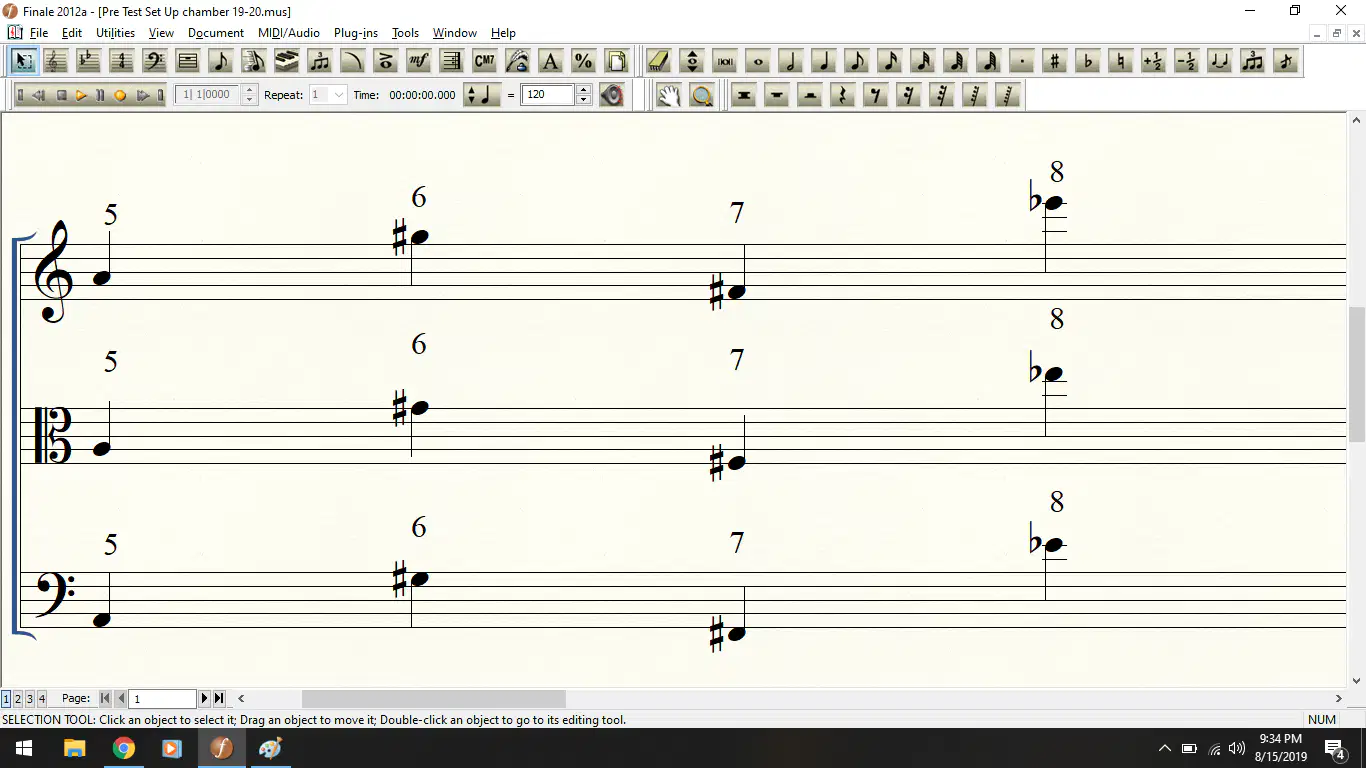
Reading your clef, identify note #5
a)
A
b)
B
c)
C
d)
D
e)
E
41.

Reading your clef, identify note #6
a)
G-Sharp
b)
A
c)
B
d)
C
e)
D
42.

Reading your clef, identify note #7
a)
F-sharp
b)
A
c)
B
d)
C
e)
D
43.

Reading your clef, identify note #8
a)
E-flat
b)
A
c)
B
d)
C
e)
D
44.
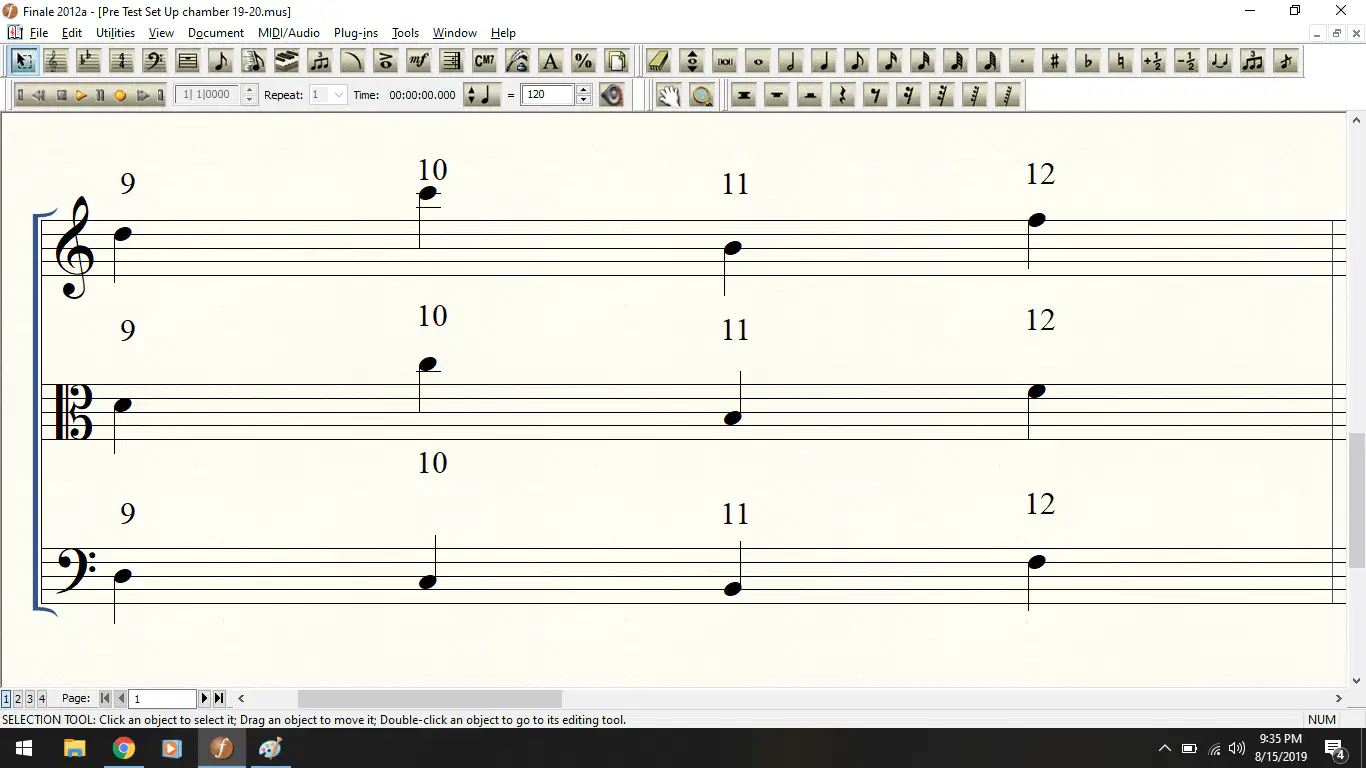
Reading your clef, identify note #9
a)
D
b)
A
c)
B
d)
C
e)
E
45.
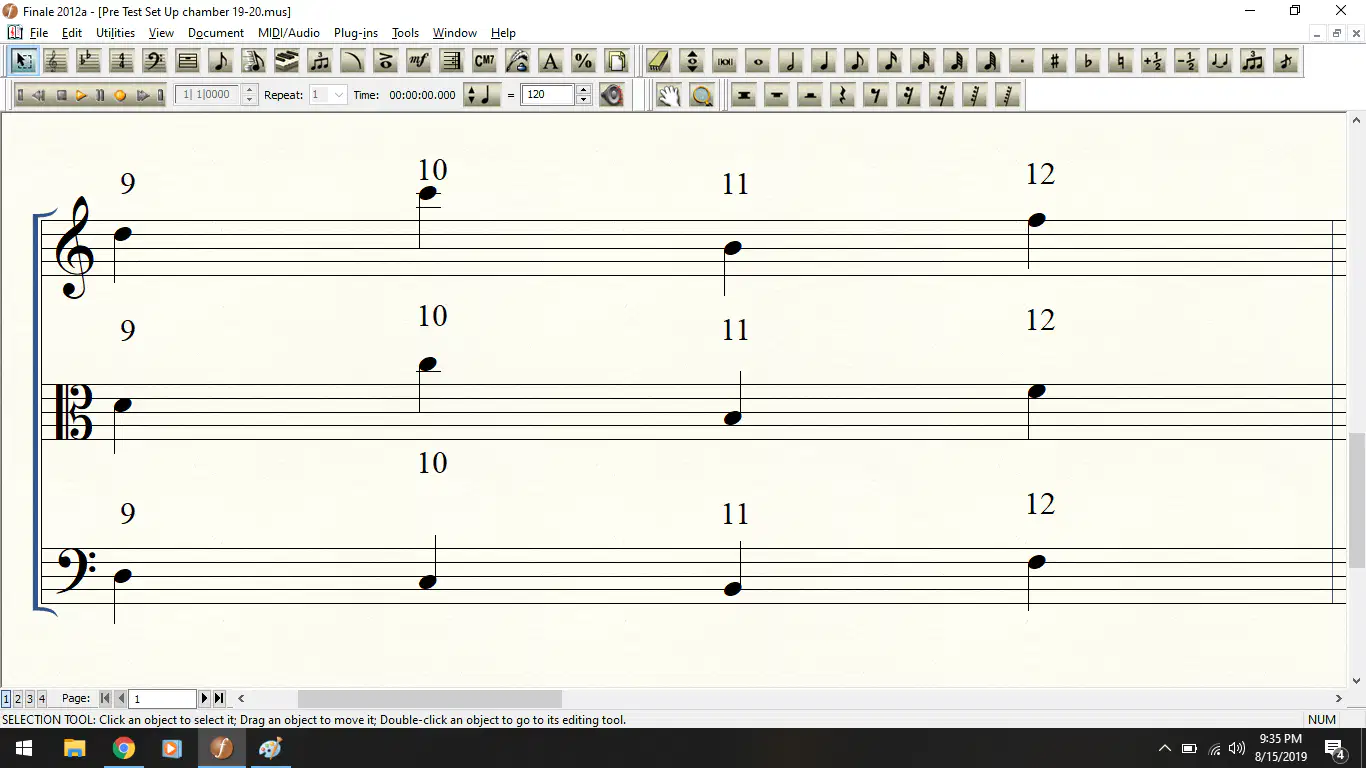
Reading your clef, identify note #10
a)
C
b)
A
c)
B
d)
D
e)
E
46.

Reading your clef, identify note #11
a)
B
b)
A
c)
C
d)
D
e)
E
47.

Reading your clef, identify note #12
a)
F
b)
A
c)
B
d)
C
e)
D
48.
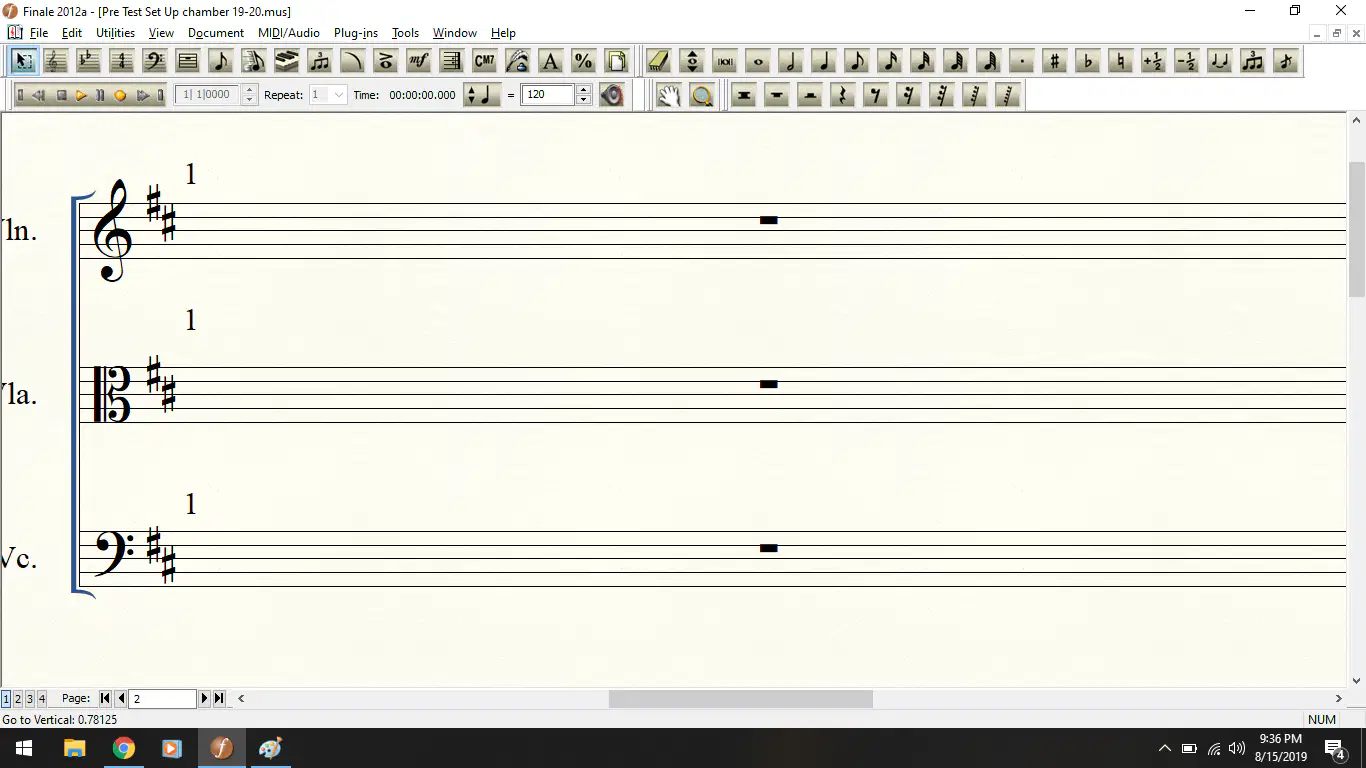
What key is best described by measure 1?
a)
B Minor
b)
A minor
c)
A Major
d)
E-Flat Major
e)
E Major
49.

What key is best described by measure 2?
a)
A Major
b)
A minor
c)
E-Flat Major
d)
E Major
e)
F Major
50.
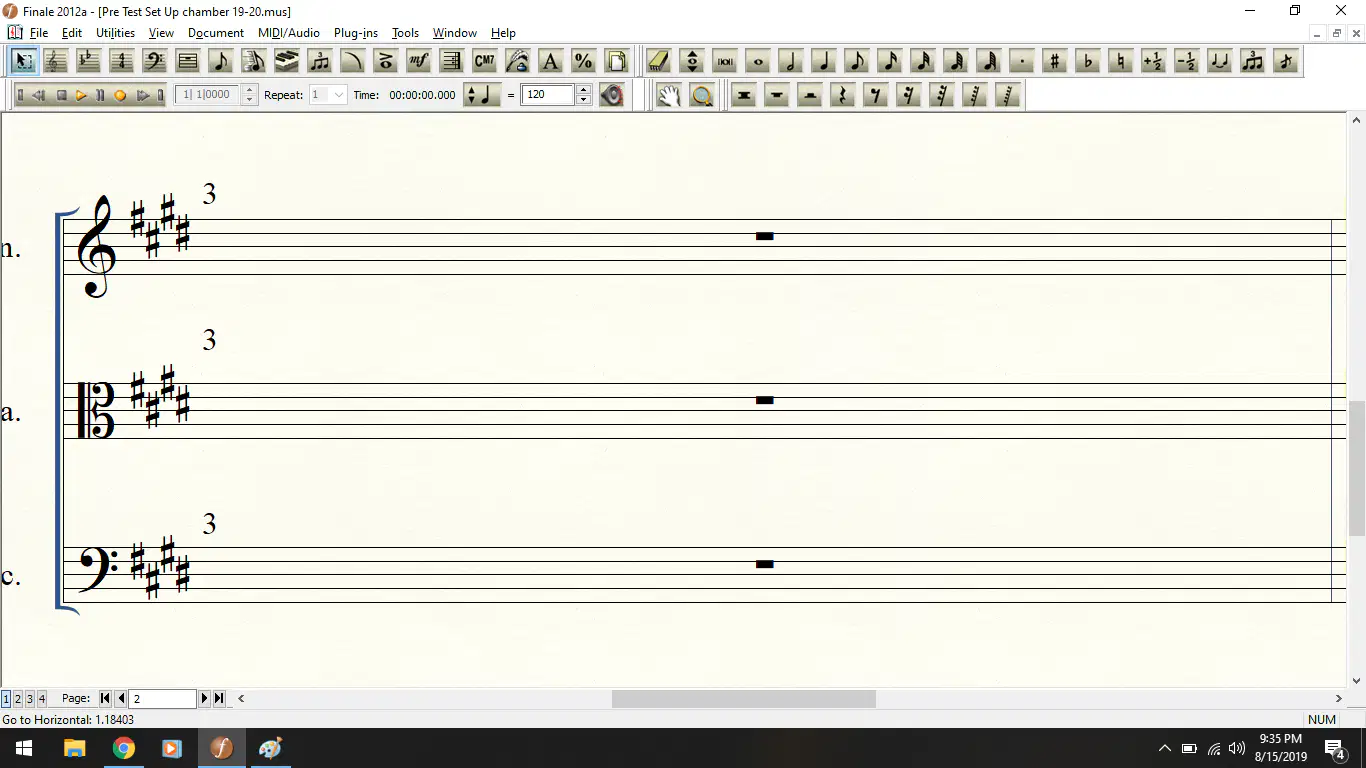
What key is best described by measure 3?
a)
E Major
b)
A minor
c)
A Major
d)
E-Flat Major
e)
F Major
51.

What key is best described by measure 4?
a)
A minor
b)
A Major
c)
E-Flat Major
d)
E Major
e)
F Major
52.

What key is best described by measure 5?
a)
F Major
b)
A minor
c)
A Major
d)
E-Flat Major
e)
E Major
53.

What key is best described by measure 6?
a)
E-Flat Major
b)
A minor
c)
A Major
d)
E Major
e)
F Major
54.
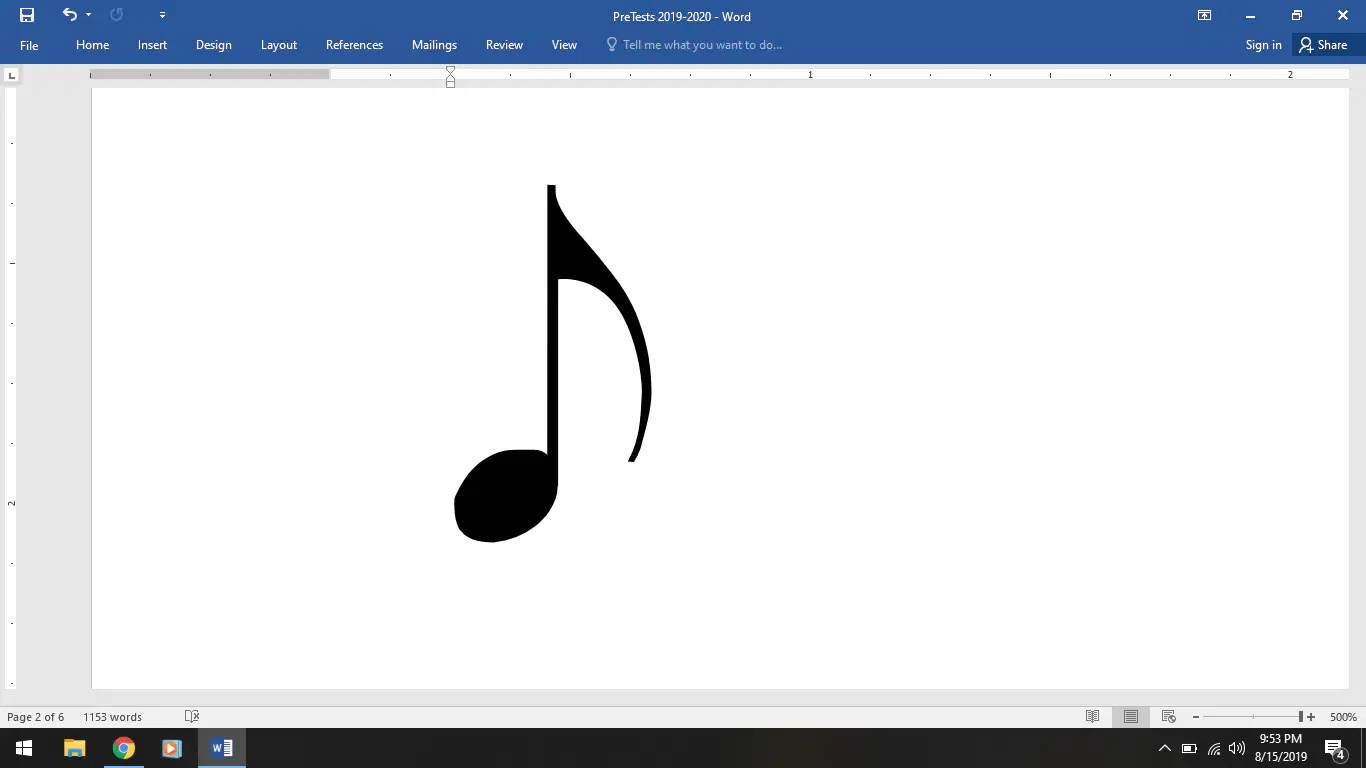
Name this note:
a)
Sixteenth Note
b)
Eighth Note
c)
Whole Note
d)
Half Note
e)
Dotted Eighth Note
55.
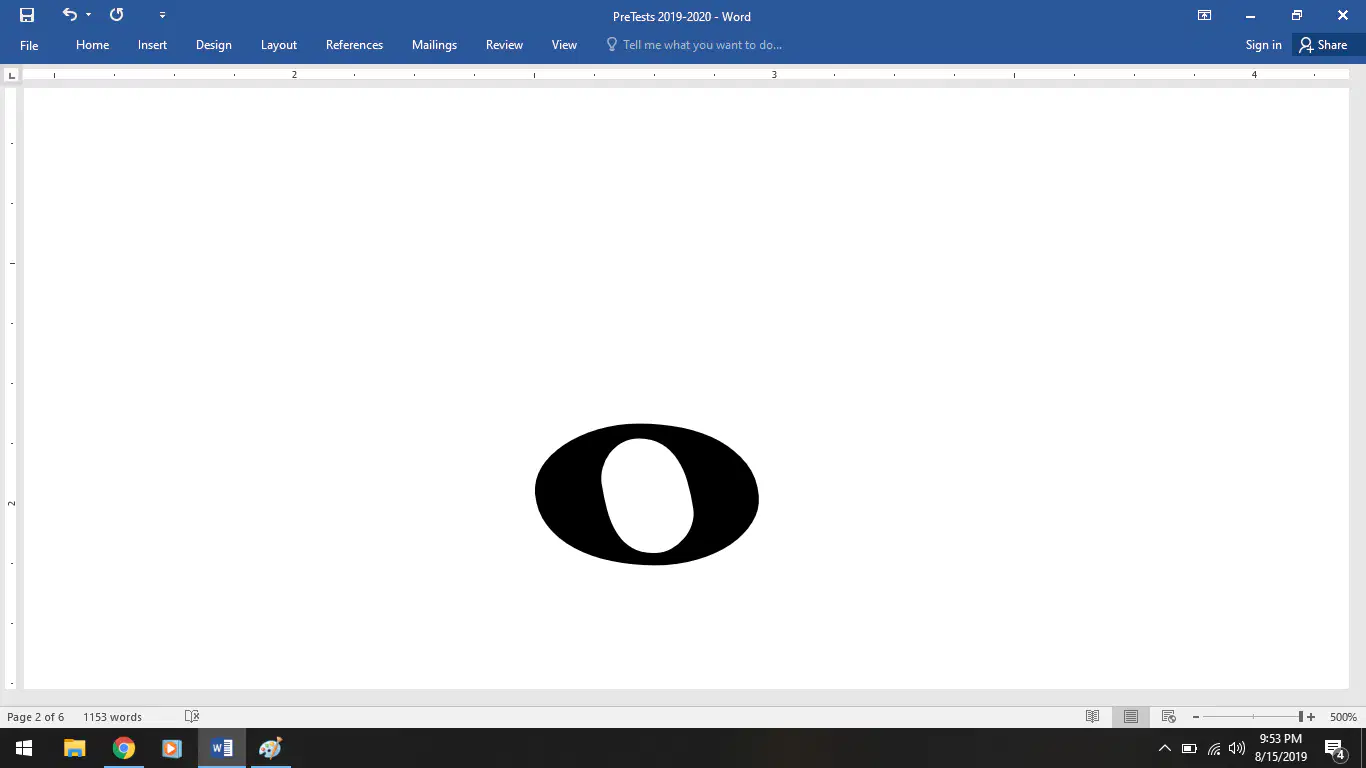
Name this note:
a)
Sixteenth Note
b)
Eighth Note
c)
Whole Note
d)
Half Note
e)
Dotted Eighth Note
56.
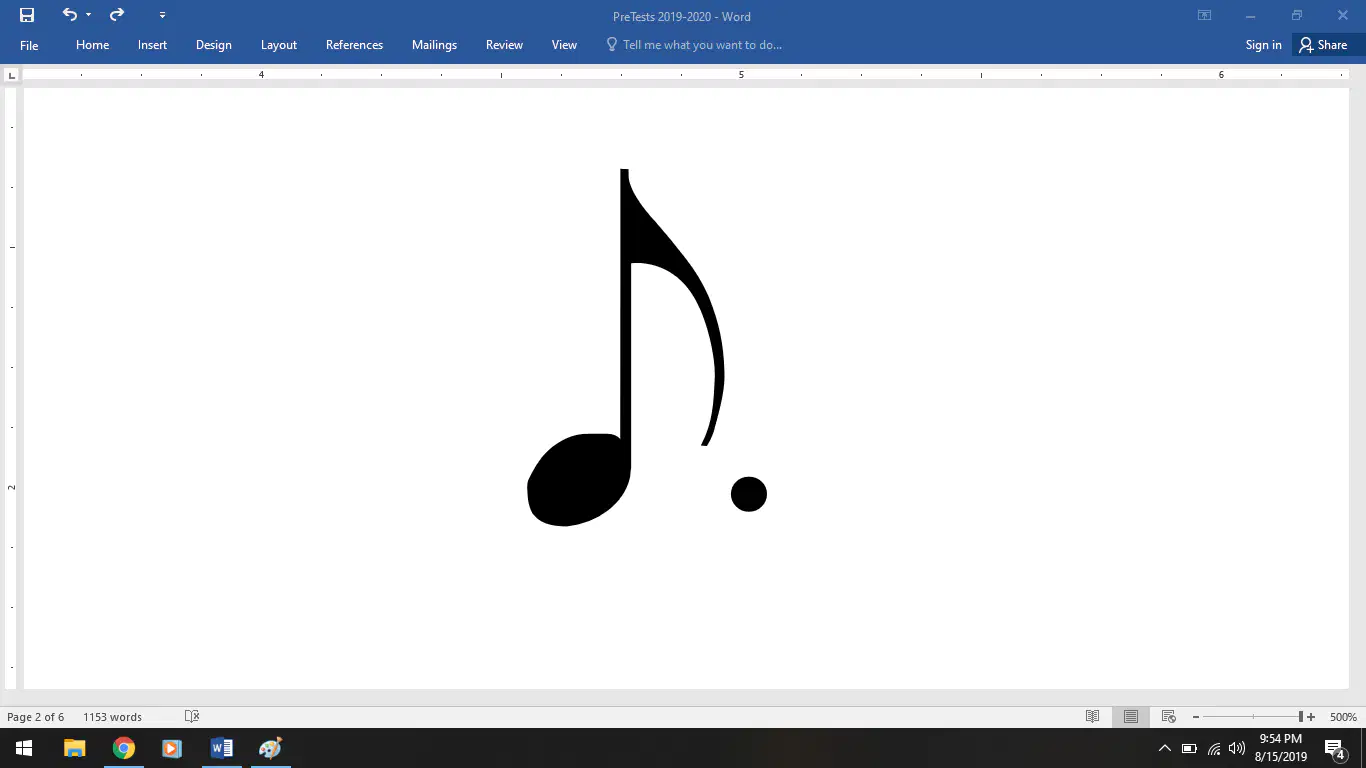
Name this note:
a)
Sixteenth Note
b)
Eighth Note
c)
Whole Note
d)
Half Note
e)
Dotted Eighth Note
57.
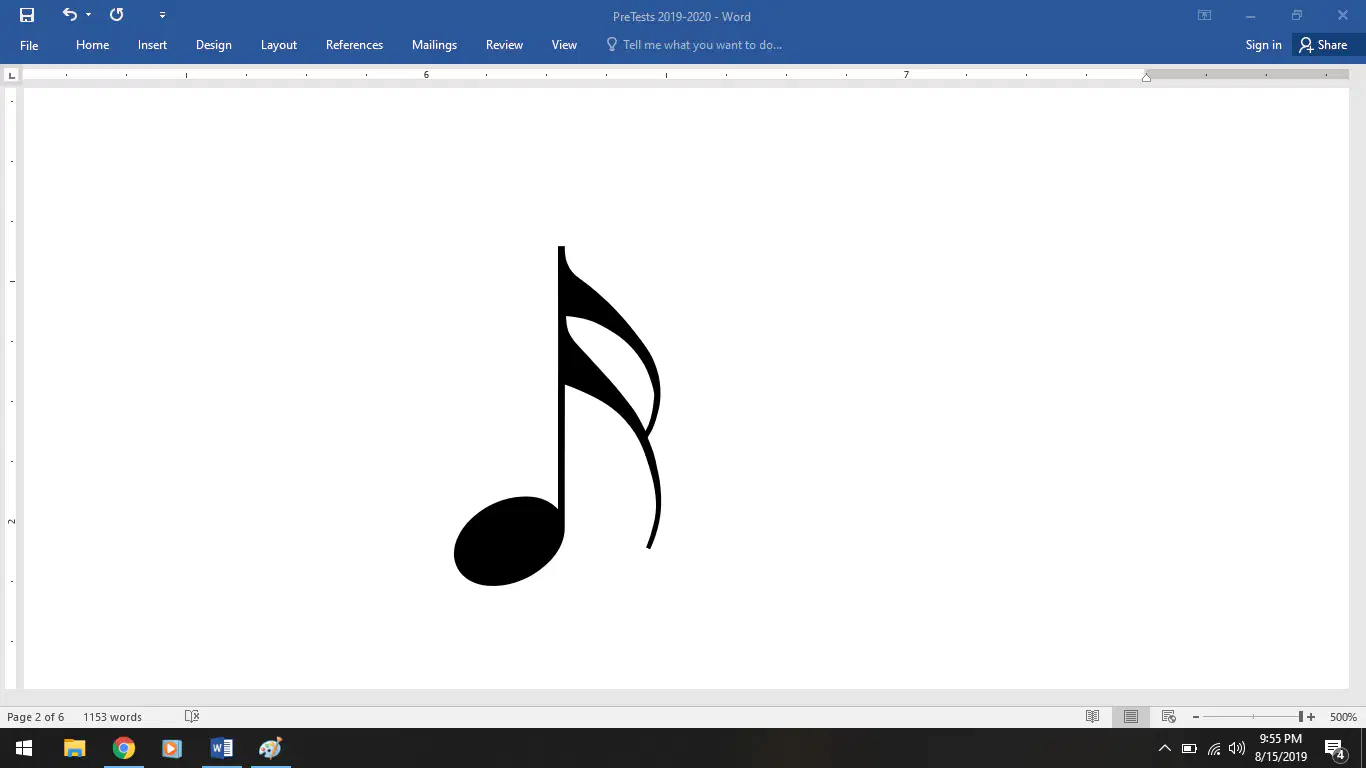
Name this note:
a)
Sixteenth Note
b)
Eighth Note
c)
Whole Note
d)
Half Note
e)
Dotted Eighth Note
58.
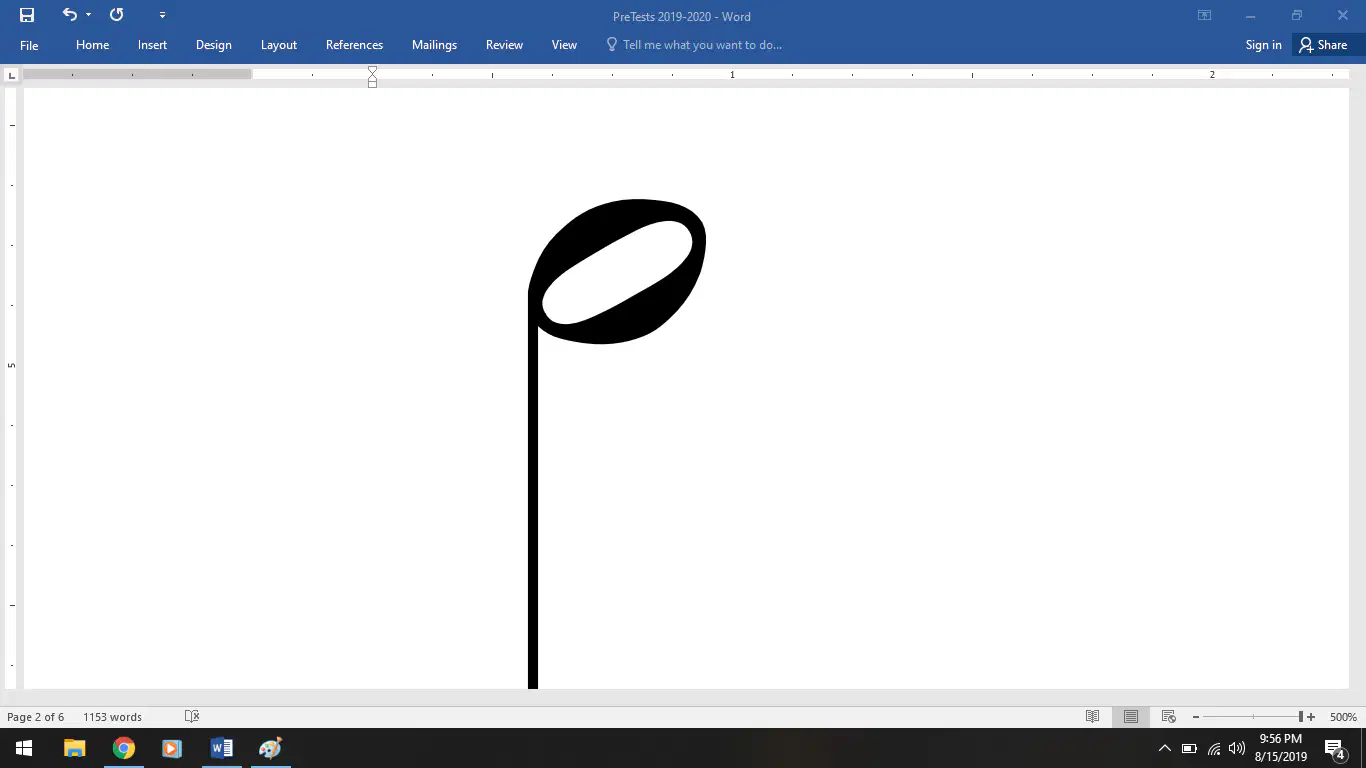
Name this note:
a)
Sixteenth Note
b)
Eighth Note
c)
Whole Note
d)
Half Note
e)
Dotted Eighth Note
59.

Name this rest:
a)
Dotted Quarter Rest
b)
Eighth Rest
c)
Quarter Rest
d)
Half Rest
60.

Name this rest:
a)
Dotted Quarter Rest
b)
Eighth Rest
c)
Quarter Rest
d)
Half Rest
61.

Name this rest:
a)
Dotted Quarter Rest
b)
Eighth Rest
c)
Quarter Rest
d)
Half Rest
62.
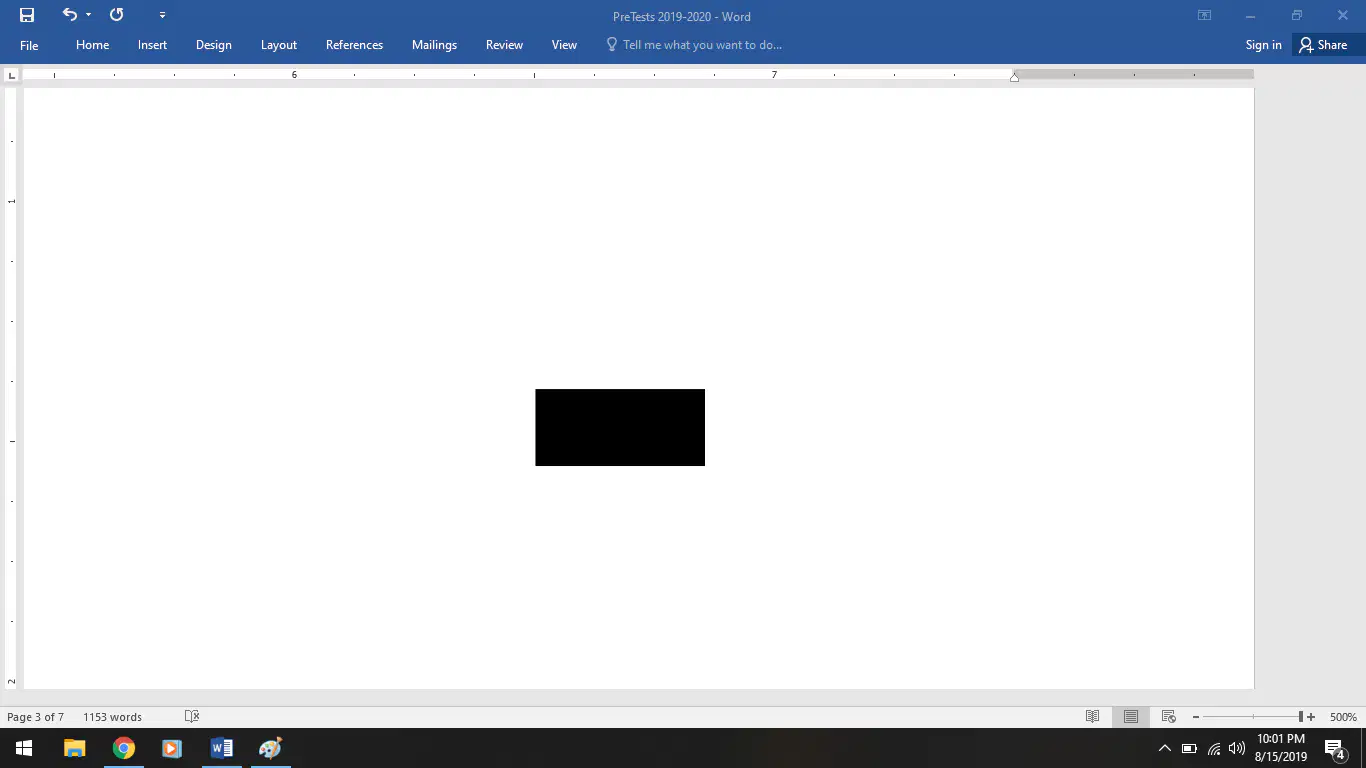
This rest is normally seen with a line above or below it:
a)
Dotted Quarter Rest or Dotted Eighth Rest
b)
Eighth Rest or Ninth Rest
c)
Quarter Rest or Quarter Note
d)
Half Rest or Whole Rest
100 %

