
 Worksheets
Earth's Patterns & Resources Reivew
Total questions: 35
Worksheet time: 36mins
What is weathering?
The movement of sediment
The breaking of sediment
The dropping of sediment
What is erosion?
The movement of sediment
The breaking of sediment
The dropping of sediment
What is deposition?
Breaking the material down
Moving the material
Where the material ends up
Plants and animals can cause weathering and erosion
True
False
Sand dunes form as a result of...
Recycling of crust at subduction zones
Erosion and deposition by wind
Freezing and thawing rock
Erosion and deposition by water
renewable resource
can be replaced
limited amounts
is being used up too quickly
non-renewable resource
can be replaced
limited amounts
there is plenty of
solar
renewable
non-renewable
oil
renewable
non-renewable
water
renewable
non-renewable
rocks
renewable
non-renewable
wind
renewable
non-renewable
When the sun gets higher in the sky, shadows get ______.
longer
gone
shorter
darker
When the sun gets lower in the sky, shadows get______.
longer
gone
shorter
darker
Shadows are longest during _______.
morning and evening
noon
night
Shadows are shortest around______.
morning and evening
noon
night
Why do shadows change in appearance during the day?
The change in how the air moves during the day
The place we stand when we look at the shadows
The way the Sun seems to move through the sky
The way things grow when they are warmed by the Sun
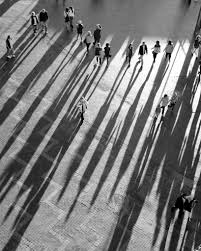
When was this picture most likely taken?
(Hint: think about the shadow's length)
morning or evening
night
noon
afternoon
Constant movement of water is called________
water runoff
precipitation
condensation
the water cycle
The water cycle starts with the energy from the______
oceans
plants
sun
wind
Evaporation is when _________________________________________________________
water freezes
water changes
from a gas to a
liquid
water changes
from liquid to a
gas
plants use the
water from the rain
The water that falls from the clouds is_____
evaporation
condensation
transpiration
precipitation
What happens when the sun heats the earth's water?
it turns to a solid
it turns to a gas
it turns into a liquid
nothing
Puddles that disappear on a hot day is an example of......
transpiration
condensation
evaporation
precipitation
The rotation of the Earth on its axis causes....
Shadows
Seasons
Moon Phases
Day and night
What does the earth's tilt cause?
The seasons
Day and Night
Tsunamis
Earthquakes
What happens when the area in which you live tilts away from the sun?
its summer
its fall
its winter
its spring

What happens when neither of the hemispheres are tilted toward the Sun, but its sunlight falls equally on both hemispheres?
Seasons would be the same.
Seasons would be more extreme.
There would be no seasons.
Seasons will be autumn and spring.
If its ____ in the Northern hemisphere, then its summer in the Southern hemisphere.
spring
fall
winter
summer

Shown here is a series of images that show the appearance of the moon over a two week period. Which of the following shows the missing data for the appearance of the moon for May 28?


A student collected data on how the Moon appeared in the night sky. What will it look like on May 17th?


This table displays the sunrise and sunset data for Houston, Texas. Which of the following are the most reasonable predictions for sunrise and sunset on Day 20?
Sunrise: 6:48 am Sunset: 8:00 pm
Sunrise: 6:50 am, Sunset: 8:03 pm
Sunrise: 6:52 am, Sunset: 7:59 pm
Sunrise: 6:55 am, Sunset: 8:10 pm

