
 Worksheets
GB1 Finals Reviewer
Total questions: 70
Worksheet time: 51mins
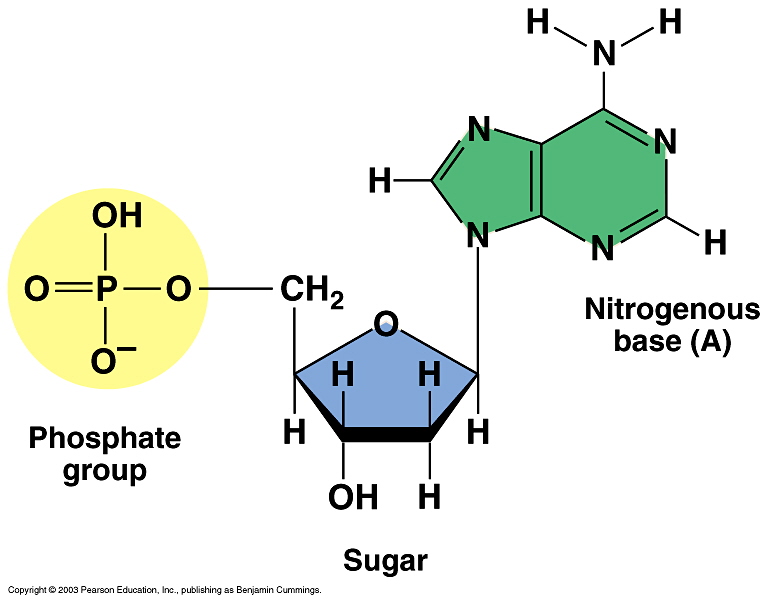
These are the essential in every living thing on Earth to survive. They are essential sources of energy, the means in storing energy, and also for the instructions for the cell functions. They are the ingredients for life.
Atoms
Biomolecules
DNA
Molecules
Monosaccharide are the building blocks of these biomolecules.
CARBOHYDRATES
PROTEINS
LIPIDS (fats)
NUCLEIC ACID

Based on the graph, which of the following could be used to increase the reaction rate beyond point C?
Increase the amount of substrate
Add more water
Increase the temperature
Increase enzyme concentration
According to the induced fit hypothesis of enzyme catalysis, which of the following is CORRECT?
The binding of the substrate slightly changes the shape of the enzyme’s active site
The binding of the substrate depends on the shape of the active site
Some enzymes change their structure when activators bind to the enzyme
A competitive inhibitor can outcompete the substrate for the active site
Which of the following statements regarding enzyme is TRUE
Enzyme decreases the free energy change of a reaction
Enzyme changes the direction of chemical reaction
Enzyme increase rate of reaction
Enzyme prevents changes in substrate concentration
Some people cannot digest milk products because they lack a specific enzyme. Which enzyme would be used to break down the lactose in milk?
hydroxylase
maltase
peroxisomes
lactase
How is ADP converted back to ATP?
Phosphate group is removed.
Phosphate group is added.
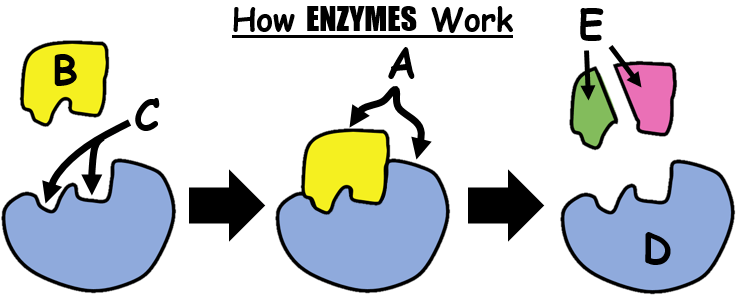
Enzymes are considered to be
Lipids
Carbohydrate
Protein


Simple sugars like glucose can be used to make larger organic molecules. Identify a larger molecule made from simple sugars.
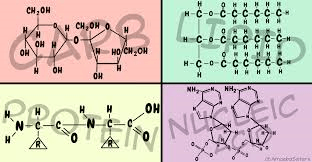
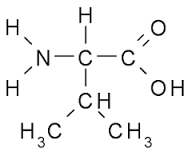
Which biomolecules act as energy storage for the cell and also cushions and insulates organs?
Carbohyrdates
Lipids
Proteins
Nucleic Acids
Glycerol and fatty acids are the monomers of _________.
Lipids
Carbohydrates
Proteins
Nucleic Acids
Just under an orca's skin lies a thick layer of blubber. Blubber helps insulate a whale from heat loss. Based on this information, which biomolecule is blubber primarily made of?
Lipids
Nucleic Acids
Proteins
Carbohydrates
The monomer of carbohydrates is known as _______.
Amino Acid
Fatty Acid
Nucleotide
Saccharide
Amino Acids are the monomers of __________.
Nucleic Acids
Proteins
Carbohydrates
Lipids
Which biomolecules provide quick energy for the cell and also provide materials to build the cell membrane/wall?
Carbohydrates
Proteins
Lipids
Nucleic Acids
Which biomolecules transport oxygen and other substances and also form part of most organelles?
Lipids
Carbohydrates
Proteins
Nucleic Acids


The graph shows the rate of reaction of two enzymes, A and B, at different pH levels.
Which of the following can be concluded? Tick all that apply.
Optimum pH of enzyme A is 2.
Optimum pH of enzyme B is 8.
Enzyme A only works in a basic solution
At optimum pH, enzyme B is more efficient than enzyme A.
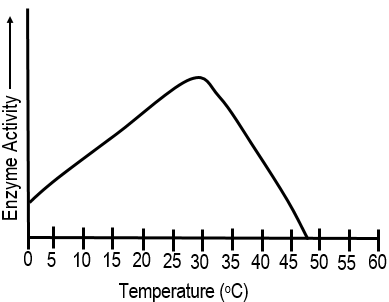
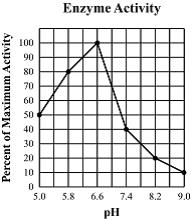
Based on the graph, what is the optimal temperature for this enzyme?
15oC
40oC
30oC
48oC
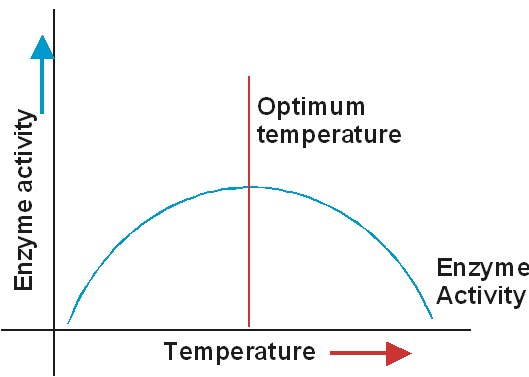
Why does enzyme activity decline at high temperatures?
denaturation
decreased kinetic motion
increase H-bonding
active sites become full

Which explains the shape of the graph?
active sites malfunction as more substrates are added
active sites denature as more substrates are added
active sites become full as more substrates are added
active sites collide less as more substrates are added

During the enzyme liver lab, you tested the enzymatic activity of catalase before & after it was boiled. What was the result of that lab?
the raw liver reacted with the hydrogen peroxide; the boiled liver did not react
the enzyme died
the raw liver did not react with the hydrogen peroxide; the boiled liver did react
the chemicals in the raw liver activated after it was boiled, which caused it to react with the hydrogen peroxide

During the enzyme liver lab, what was the difference between the raw liver and boiled liver?
Boiled liver was activated by the high temperature, which helped it react with oxygen.
Boiled liver contained active catalase that reacted with H2O2. Raw liver contained denatured catalase that did not react with H2O2.
Raw liver contained active catalase that reacted with H2O2. Boiled liver contained denatured catalase that did not react with H2O2.
Raw liver had undamaged chemicals that helped it activate in water.
What does "denature" or "denaturation" mean?
When you expose a protein to high heat or pH. The protein gets broken down and changes its shape.
When carbohydrates in your body die
When you use high heat or pH to active chemicals within your body. This increases how much energy you need for chemicals reactions.
When you breakdown carbohydrates into their simple sugars
What is Amylase?
enzyme found in pineapples
enzyme found in saliva
enzyme found in liver & other meats
What is Catalase?
enzyme found in pineapples
enzyme found in saliva
enzyme found in liver & other meats

What is the function of enzymes? (what do they do for your body?)
All these responses are correct
they build up molecules quickly & use less energy in the process
they break down molecules quickly & use less energy in the process
they speed up reactions, making them occur fast enough to support life
During a biology class, Henry, Liam, and Grace were discussing about different substances. They came across Sucrose, Galactose, Fructose, and Amylase. Liam wondered which of these is most likely an enzyme. Can you help them?
Sucrose
Galactose
Fructose
Amylase
During a science experiment, Arjun, Jackson, and Mason heated some enzymes to a temperature beyond their range of tolerance. What happens to these enzymes?
The enzymes die.
The shapes of the enzyme are altered and denature
The enzymes' amino acid sequence changes.
The enzymes remain the same
Ava, Mason, and Jackson are having a debate. Ava says enzymes are only found in the digestive system, Mason believes they are in animals but not in plants, and Jackson argues they are in all living cells. Who is correct?
Ava who says enzymes are only found in the digestive system
Mason who believes enzymes are in animals but not in plants
Jackson who argues enzymes are in all living cells
None of them
Rohan, Elijah, and Oliver are conducting a science experiment in their school lab. They are testing different enzymes in various solutions. They want to know which enzyme would be most efficient in an acidic solution. Can you help them?
Enzyme A
Enzyme B
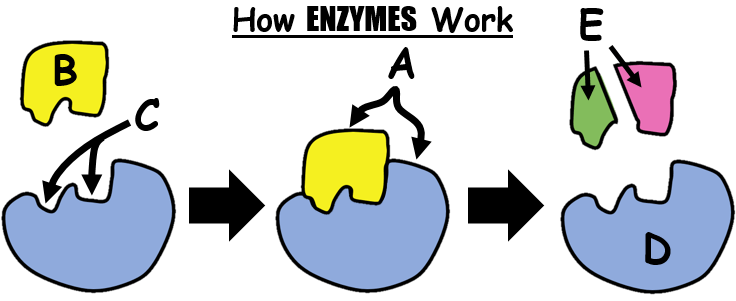
Imagine Jackson, William, and Abigail are studying enzymes in their biology class. They learned that the Enzyme Substrate Complex is often referred to as a (a) reaction. In this analogy, the lock is the (b) and the key is the (c) . The key hole would then be the (d) . They also learned that these enzymatic reactions are sensitive to changes in their environment that are outside of their range of tolerance and the enzyme will (e) .
Lock & Key
enzyme
substrate
active site
denature
acid
base
pH
product
continue to work
____ carbohydrate is found in exo sc.c. keleton of insects
a. Chitin
b. Peptidoglycan
c. Pectin
d. Inulin
An unique carbohydrate found in bacterial cell wall is _____
a. Peptidoglycan
b. Pectin
c. Cellulose
d. All of the above
The most abundant polysaccharide on Earth is ______
a. Cellulose
b. Starch
c. Pectin
d. Glycogen
The digestion of sucrose (table sugar) results in what two monosaccharides?
a. Glucose and galactose
b.
Maltose and glucose
c. Fructose and glucose
d. Galactose and fructose
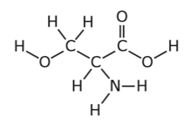
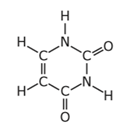
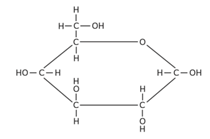
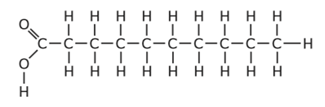
Which of these best represents a fatty-acid molecule?
In red blood cells, the compound carbonic anhydrase increases the rate at which carbon dioxide is converted to bicarbonate ions for transport in the blood. In red blood cells, carbonic anhydrase acts as which of the following?
an enzyme
a hormone
a lipid
a sugar
Some bacteria contain a substance called nitrogenase. Nitrogenase catalyzes the chemical reaction that converts atmospheric nitrogen (N2) into ammonia (NH3). Nitrogenase is an example of which of the following?
a sugar
an enzyme
a nucleotide
an amino acid

The diagram shows how lactase can be immobilized to modify milk. What is the purpose of this set-up? Tick all that apply.
hydrolyse the lactose into glucose and galactose
produce lactose-free milk
help prevent the product from being contaminated
make lactase less stable
keep the enzyme for future use

Watch the animation and identify the hypothesis involved
Lock and Key hypothesis
Induced Fit hypothesis
Enzyme-Substrate hypothesis


Explain the graph
Enzymes are denatured
Enzyme's active site are fully occupied with substrate
Active site of enzyme is no longer complementary with substrate
The rate of reaction increases with increasing substrate concentration

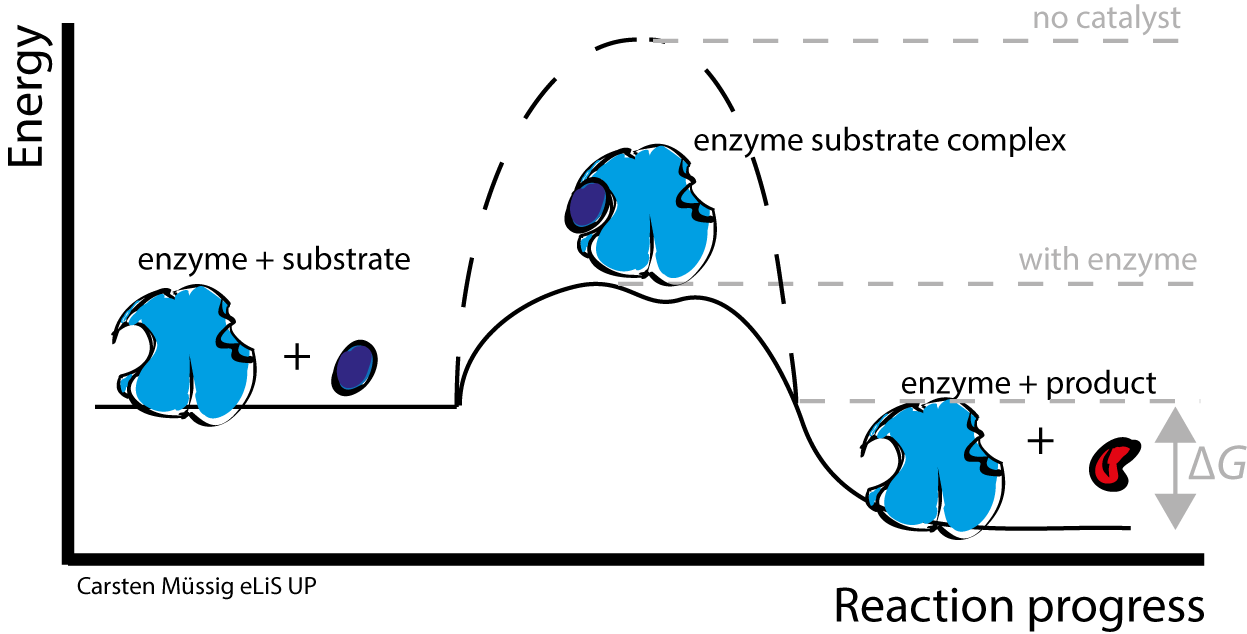
_________ is the minimum amount of energy required to start a chemical reaction
Substrate
Products
Activation energy
Enzyme

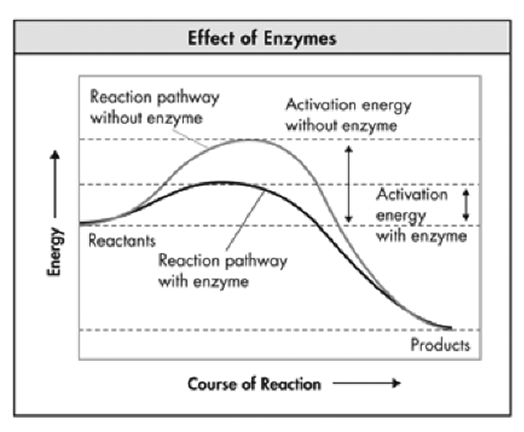
The diagram represents the activation energy for an enzyme catalyzed and an uncatalyzed reaction. The activation energy for an enzyme-catalyzed reaction is represented by the region labelled
I
II
III
IV

The graph shows the relationship between enzyme concentration and the rate of an enzyme catalyzed reaction. Which of the following statements BEST describes the rate of an enzyme catalyzed reaction?
The rate is directly proportional to the enzyme concentration
The rate is inversely proportional to the enzyme concentration
The rate had reached equilibrium
The rate is affected by the enzyme concentration

Which of the following diagrams BEST illustrates the effect of temperature on the rate of an enzyme catalyzed reaction?
A
B
C
D
Select the correct options.
In non-competitive inhibition,
the inhibitor binds to the active site
the inhibiter binds to the allosteric site
the enzyme active site changes shape
substrate shape changes shape to prevent binding
no reaction takes place

Which of the following graphs represents the effect of pH on rate of reaction?
A
A and B
C
B and D
D
Select the correct options.
Cell metabolism:
includes all reactions in a cell
regulates cellular energy
exists through metabolic pathways
serves to increase energy release through fewer steps
What does ATP stand for?
Adenosine Biphosphate
Adenosine Triphosphate
Adenosine Tetraphosphate
Adenosine Monophosphate
What happens to ATP during the ATP-ADP cycle?
ATP is converted into ADP and exothermic energy after a catabolic reaction.
ATP is converted into ADP and endothermic energy after a catabolic reaction.
ATP is converted into ADP and exothermic energy after a anabolic reaction.
ADP is converted into ATP and exothermic energy after a catabolic reaction.
Accurately label the events and parts of the cycle shown,
Energy is used
ADP
Phosphate from food added
Energy released
3rd phosphate broken off
ATP

