
 Worksheets
The Cardiovascular System
Total questions: 44
Worksheet time: 34mins
Cardiovascular System
What is Cardiovascular System mean?
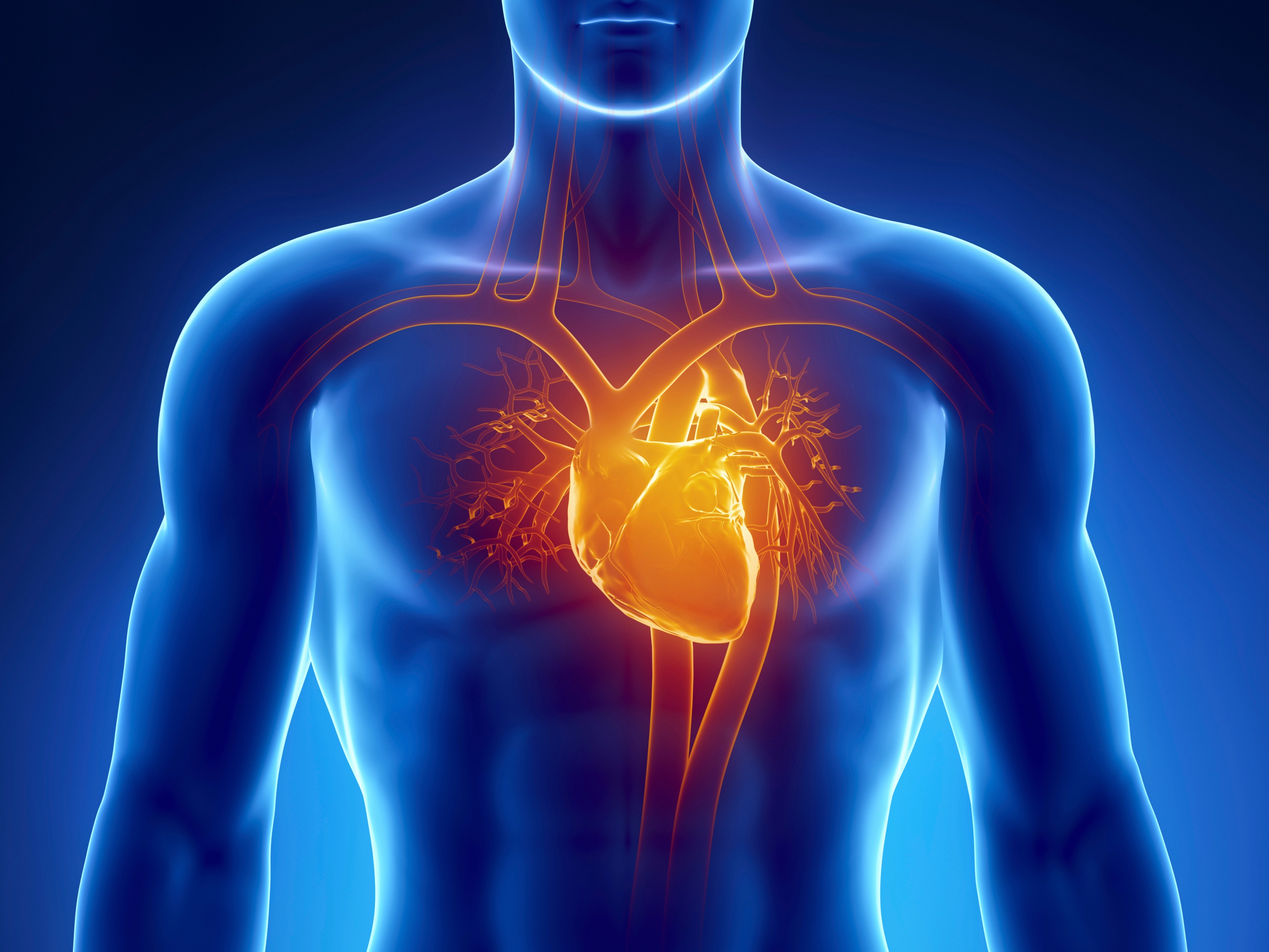
The Cardiovascular system consists of the heart and blood vessels. Its primary function is to transport nutrients and oxygen through the blood to all organs of the body and exchange carbon dioxide (Co2) from the blood, Cardio means heart vascular is Blood vessels so its mean Cardiovascular is heart and blood vessels.
What is Function of the Cardiovascular System?
Its have many functions such as Transport nutrients and oxygen in the blood to all parts of the body.
Carry deoxygenated blood back to the lungs.
Protect against disease and infection.
Maintain body temperature.
Organs of The Cardiovascular System
What are the Blood Vessels?
The 3 main types of blood vessels are: arteries — these carry blood pumped away from the heart; they are the largest and strongest blood vessels. veins — these return Co2 from blood to the lung. capillaries — these are tiny vessels that connect arteries and veins.
What are the Heart parts?
Pulmonary Arteries
Aorta
Tricuspid Valve
Pulmonary Valve
Aortic Valve
Mitral Valve
Coronary Arteries
Superior vena cava
pulmonary veins
inferior vena cava
Conduction system
The Jobs of these Organs
What is the job of the Pulmonary Arteries?
Your pulmonary arteries carry oxygen-poor blood from your heart to your lungs. This is a vital function. Your blood needs to reach your lungs to gain oxygen and get rid of waste products like carbon dioxide. This blood then returns to your heart, and your heart pumps it out to the rest of your body.
What is the job of Aorta?
The aorta is very essential because it is the main artery that supplies the body with oxygenated blood. Every tissue and organ in the body needs oxygenated blood to survive. As a result, any problem with the aorta - such as a blockage or rupture - can put the rest of the body and all organs at risk.
What is the job of the Tricuspid Valve, Pulmonary Valve, Aortic Valve and Mitral Valve
The heart has four heart valves – the aortic, mitral, pulmonary and tricuspid valves. All four valves open and close to help move blood from one area to another. Two of the valves, the mitral and the tricuspid valves, move blood from the upper chambers of the heart (the atria) to the lower chambers of the heart (the ventricles).
What is the job of Coronary Arteries?
Coronary arteries supply blood to the heart muscle. Like all other tissues in the body, the heart muscle needs oxygen-rich blood to function. Also, oxygen-depleted blood must be carried away. The coronary arteries wrap around the outside of the heart.
What is the job of Superior vena cava?
The superior vena cava is a vital structure in the human circulatory system that helps drain large amounts of deoxygenated blood from the head, eyes, and neck.
What is the job of pulmonary veins?
The four pulmonary veins play an important role in the pulmonary circulation by receiving oxygenated blood from the lungs and delivering it to the left atrium, where it can then enter the left ventricle to be circulated throughout the body.
What is the job of inferior vena cava?
The inferior vena cava is a large vein that carries blood from the torso and lower body to the right side of the heart. From there the blood is pumped to the lungs to get oxygen before going to the left side of the heart to be pumped back out to the body.
What is the job of Conduction system?
Your heart's conduction system is the network of signals that keeps your heart beating. These electrical signals make your heart contract or relax contraction is called systole and relaxing is called diastole. Each contraction also controls blood flow through your heart.
What is the main function of the aorta?
Carrying oxygenated blood to the body
Pumping blood to the lungs
Supplying deoxygenated blood to the body
Transporting nutrients to the heart
What are the 3 main types of blood vessels?
Arteries
Veins
Capillaries
Lymphatic vessels
Coronary arteries supply blood to the heart muscle, which needs (a) blood to function.
The heart's conduction system is the network of signals that keeps the heart (a)
What is the primary function of the Cardiovascular system?
Transporting nutrients and oxygen through the blood
Regulating body temperature
Producing red blood cells
Filtering waste from the blood
which of these is a part in the heart?
inferior vena cava
What is the main function of the inferior vena cava?
Transporting oxygen
Transporting nutrients
Returning deoxygenated blood to the heart
Filtering waste products
What consists of the heart, blood vessels, and blood that links all parts of your body?
Cardiovascular System
Skeletal System
Digestive System
Nervous System
What are the two upper chambers that receive blood that comes into the heart?
Atrium
Ventricle
Valve
Artery
What are the two lower chambers that pump blood out of the heart?
Atrium
Ventricle
Valve
Artery
What are tiny, narrow blood vessels that exchange substances between the blood and body cells?
Arteries
Capillaries
Veins
True or False:
The heart is divided into four chambers.
True
False
Which hollow, muscular organ pumps blood throughout the body?
Stomach
Heart
Lungs
Liver
What is the main function of the pulmonary artery?
Transporting oxygen
Transporting nutrients
Returning deoxygenated blood to the heart
Filtering waste products
Which part of the heart is responsible for regulating the flow of blood?
Valve
Ventricle
Atrium
Artery
What is the function of the aorta in the cardiovascular system?
Transporting oxygen
Transporting nutrients
Returning deoxygenated blood to the heart
Distributing oxygen-rich blood to the body
Which of the following are the blood vessels that help blood flow back toward the heart?
Veins
Arteries
Capillaries
Which of the following are the blood vessels that have the thickest walls?
Veins
Arteries
Capillaries


Arteries carry oxygen rich blood away from the heart.
True
False
Veins carry oxygen poor blood back to the heart.
False
True


What is the direction of blood flow in the circulatory system?
lungs, body, heart, body
body, lungs, heart, body
heart, lungs, heart, body
heart, body, lungs, body
True or False: the aorta is the largest artery in the body
True
False
These carry blood towards the heart
arteries
veins
What does the word "Cardio" refer to?
Lungs
Heart
CPR
Breathing
What does the cardiovascular system consist of?
Heart and lungs
Heart and blood vessels
Brain and spinal cord
Bones and muscles
What is the primary function of the cardiovascular system?
To transport nutrients and oxygen through the blood to all organs
To produce hormones
To protect the body from infections
To digest food
Which of the following is NOT a function of the cardiovascular system?
Transporting nutrients and oxygen
Carrying deoxygenated blood back to the lungs
Maintaining body temperature
Producing red blood cells
What is the job of the pulmonary arteries?
Carry oxygenated blood from the lungs to the heart
Carry oxygen-poor blood from the heart to the lungs
Supply blood to the heart muscle
Drain deoxygenated blood from the head and neck
What are the main parts of the heart?
Tricuspid valve, pulmonary valve, aortic valve, mitral valve
Liver, lungs, kidney
Cerebrum, cerebellum, brainstem
Femur, tibia, fibula
What is the job of the tricuspid, pulmonary, aortic, and mitral valves?
To pump blood to the brain
To open and close to help move blood from one area to another
To filter blood
To store oxygen
Which of the following is the largest artery in the body?
Pulmonary artery
Carotid artery
Aorta
Coronary artery
What is the job of the superior vena cava?
Supply blood to the heart muscle
Drain deoxygenated blood from the head, eyes, and neck
Carry oxygenated blood from the lungs to the heart
Pump blood to the rest of the body

