
 Worksheets
Final
Total questions: 53
Worksheet time: 48mins
Money added to a checking account is called a
withdrawal
deposit
endorsement
drawee
Approximately how often does a financial institution send a bank statement through the mail?
yearly
weekly
quarterly
monthly


Always use permanent ink when writing a check.
True
False



What is a reason for why so many Americans live paycheck-to-paycheck?
Many people are paying themselves first and then spending
Many people only buy what they NEED, not what they WANT
Many people impulse shop
Many people spend within their budget

You earn _______________ by saving money in a savings account.
money
interest
awards
trophies

A cosigner on a loan can help by:
Reducing monthly payments
False
Boosting approval odds
Offering collateral for the loan

Which of the following is TRUE about a credit report?
It is a complete history of one type of credit you have
Credit reports are maintained by the 5 main credit bureaus
You can get a copy of your credit report for free
You can get a credit report only when you're 21 years old

Establishing credit early can help with:
Quick loan approvals
Higher credit card limits
Avoiding yearly credit checks
Getting better interest rates
Attempted recovery of a past-due credit obligation or debt by a collection department or agency
Net Worth
Credit Bureau
Collections
Debt Snowball Method
An agreement in which a borrower receives something of value now and agrees to repay the lender in the future, generally with interest
Credit Score
Credit
Annual Percentage Rate (APR)
Credit Bureau
A record of a person's use of credit over time; your credit history plays an important role in determining your credit score
Credit Score
Credit History
Collections
Credit Report
A document containing an individual's financial information focusing on payment of their credit obligations over time
Net Worth
Thin File
Credit
Credit Report

All of the following are costs of going to college EXCEPT...
Tuition and fees
Room and board
Textbooks
Scholarships and grants

Why should you file the FAFSA as early as possible?
It can help your chances of being accepted into schools
Aid is given out on a first-come, first-serve basis
You're guaranteed to get more merit-based scholarships
You'll get a lower interest rate on federal student loans

What kinds of aid are you eligible for by filing the FAFSA? (hint: choose 3 correct answers)
Grants and Scholarships
Private Student Loans
Work-Study
Federal Student Loans
Money you receive for school that does not have to be paid back. Select all that apply.
Federal Student Loans
Grants
Private Student Loans
Scholarships
Which of the following is generally the most expensive category in a person’s budget?
Healthcare
Clothing
Transportation
Housing

A key difference between saving and investing is
Saving is for everyone, investing is for the wealthy
Your money is insured when investing, it is not in savings
Investing has a guaranteed return, savings does not
Saving is for emergencies & goals, investing is for long-term wealth

Why is it important to start investing as soon as possible?
You take less risk when you are young, so money will be safe
You have more time for your money to compound
Investing is an easy way to make quick money
Fees on investments are cheaper when you are younger
Using income for purchases, expenses, and debt
spending
savings
goods
services
things purchased by consumers
goods
consumer
producer
supply
A person who provides a good or service
producer
need
want
consumer

If you want to build work experience directly after high school, you could...
Take an online college course
Attend a four-year college
Find an apprenticeship
Volunteer once a year

Which of the following is true about a college education?
College is the only way to get a stable, high paying job
College grads have higher lifetime earnings on average than HS grads
College grads have a higher rate of unemployment
More education is related to lower unemployment

What is the difference between soft skills and hard skills?
Hard skills are easily measurable; soft skills are "people skills"
Hard skills are more advanced than soft skills
In job postings, hard skills are "required" and soft skills are "preferred"
Soft skills are less important to employers because they're not technical

Who primarily uses our tax money? (hint: choose 2 correct answers)
Your employer
Large corporations
Federal and state government
Local Businesses

Our tax money is spent on all of the following EXCEPT:
Social Security
The Military
Private School Education
National Parks

Which of the following taxes is applied to wages, salaries, dividends, and interest earned?
Corporate Income Tax
Income Tax
Estate Tax
Excise Tax
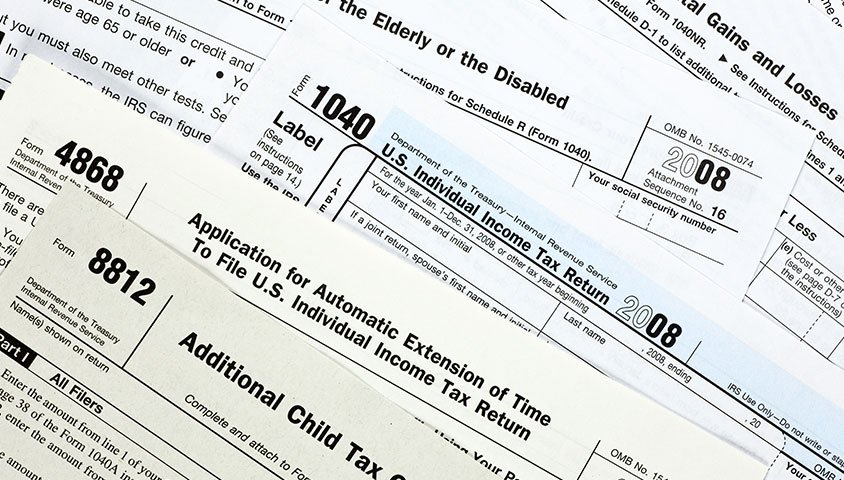
The W-4 form lets...
the government know how much you paid in taxes last year
your employer know how much to withhold from your paycheck
the 3 major credit bureaus know how many dependents you have
you know how much you paid in taxes last year
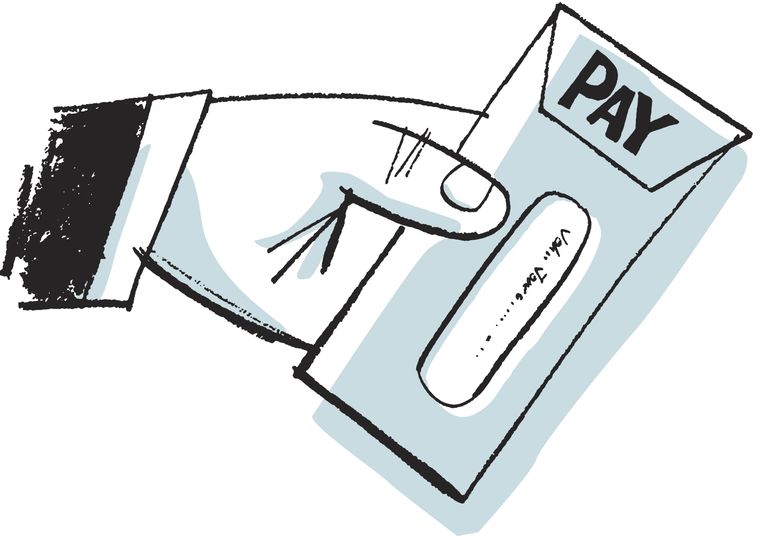
What item would you DEFINITELY see on a paystub?
Retirement
Healthcare
Gross Pay
Your occupation/role

Which type of insurance is likely to be the lowest priority for a single, working, 24-year-old?
Health insurance
Disability insurance
Life insurance
Auto insurance

The out of pocket cost to the insured when a loss occurs is called...
Premium
Deductible

A policy is a contract between the
Policyholder and the injured person
Driver and the government
Consumer and the insurance company
Consumer and the insurance agent

Your health insurance copay is
Amount paid out of pocket before your insurance coverage
Paid by the insurer
Applied on an annual basis
A fixed amount of money you pay each time you use your plan

How can you obtain health insurance?
From an insurance agent or through the Health Insurance Marketplace
Through your bank or credit union
Signing up at your family doctor's office
Remaining on your parents' plan if you are under age 30

Which insurance coverage is required by law?
Homeowners insurance
Auto insurance
Renters insurance
Disability insurance
The borrower is the:
ceditor
lender
debtor
When you lease a home you ...
make monthly payments in the form of a mortgage
pay for it up front
make monthly payments for a set period of time
A benefit of buying a home is
your responsible for all repairs
moving or selling is up to you
no worries about property losing value

When creating passwords and PINs, which information should you avoid?
Last 4 digits of Social Security number
Middle Name
Birthdate
All of these
Additional charges added on to the cost of a good or service that a consumer may not necessarily be aware of at the time of purchase
Installment Plan
Identity Theft
Gamification
Hidden Fees

