
NEW
Font size
 Worksheets
Lines Quiz
Total questions: 20
Worksheet time: 20mins

What type of line holds a design together?
Sketch lines
Structural lines
Gesture lines
Contour lines

Which type of line describes the shape of an object and includes interior detail?
Outlines
Calligraphy
Diagonal lines
Contour lines
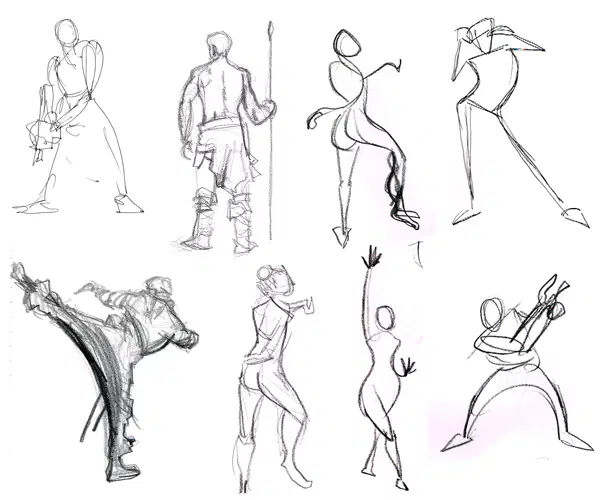
What do gesture lines emphasize?
Direction and fluidity
Action and movement
Height and stability
Calmness and balance

What do sketch lines provide more of compared to outlines and contour lines?
Fluidity
Detail
Thickness
Elegance
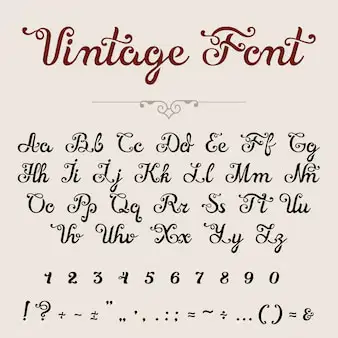
What is calligraphy?
A continuous flow of line coming out of the drawing tool
Thin and delicate lines like a spider's web
Thick and bold lines like a row of telephone poles
Precise, elegant handwriting or lettering done by hand

What do vertical lines convey?
Action, movement, and tension
Calmness, repose, and balance
Direction and fluidity
Height, stability, and dignity

What do horizontal lines suggest?
Action, movement, and tension
Calmness, repose, and balance
Height, stability, and dignity
Direction and fluidity
What do diagonal lines express?
Direction and fluidity
Calmness, repose, and balance
Height, stability, and dignity
Action, movement, and tension

What type of motion do curved lines express?
Fluid motion
Tense motion
Side to side motion
Up and down motion
What are the two basic characteristics of line?
Action and movement, and calmness, repose, and balance
Fluid motion and tense motion
Direction or movement, and quality or weight
Height and stability, and calmness and balance

Which lines are often used to create a sense of depth in linear perspective?
Horizontal lines
Vertical lines
Converging lines
Curved lines

How do thick lines compared to thin lines affect the perception of a drawing?
They make the drawing appear lighter
They add a sense of elegance and delicacy
They contribute to a sense of strength and boldness
They have no effect on the perception

How can texture be implied in a drawing?
By using varying shades of color
Through the repetition of lines and patterns
By applying different pressures on the drawing tool
By changing the size of the drawing tool
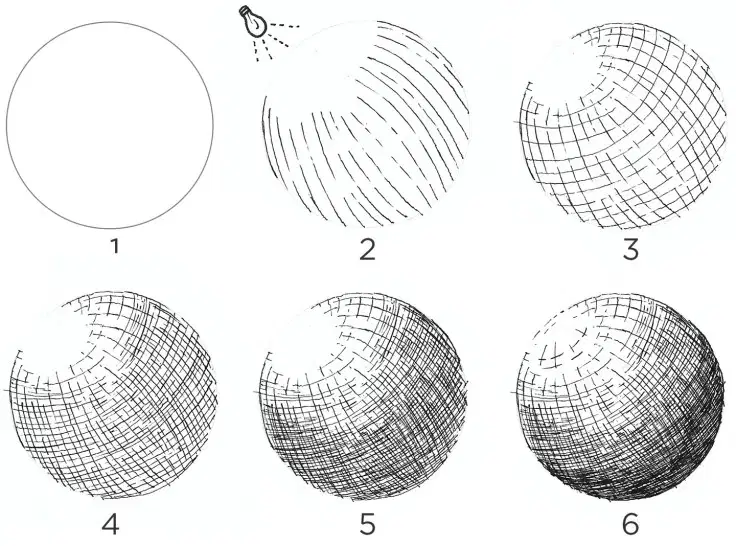
What role do hatching and cross-hatching play in drawing?
They are used to indicate the light source
They help in creating a sense of movement
They are techniques for adding texture and depth
They are used for outlining shapes only

What does the use of bold lines often signify in artwork?
Uncertainty and confusion
Strength and emphasis
Lightness and delicacy
Movement and fluidity
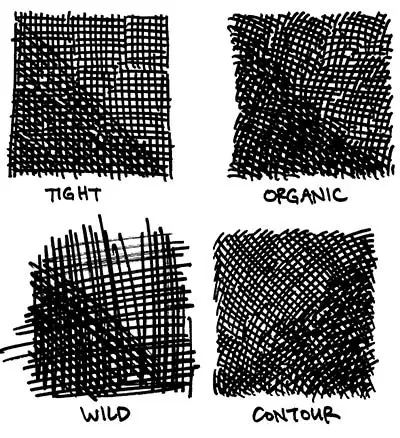
How do artists create the illusion of texture in a drawing?
By using a single line weight
By applying uniform shading
Through varied line techniques and patterns
By limiting the range of colors

What role does perspective play in a drawing?
It ensures uniformity in object sizes
It minimizes the importance of the background
It provides a sense of depth and spatial relationships
It is used to keep the viewer's focus on the foreground only

What effect do horizontal parallel lines have in a composition?
They create a sense of chaos
They suggest movement and direction
They imply stability and calmness
They have no specific effect

How can shadow be effectively represented in a drawing?
By using lighter lines for shadows
Through the use of texture
By applying cross-hatching techniques
By limiting the drawing to contour lines

What is the primary purpose of using perspective in drawing?
To make the drawing more colorful
To ensure accuracy in proportions
To create a sense of three-dimensionality
To focus solely on the foreground elements

