
 Worksheets
Shapes and Forms Quiz
Total questions: 20
Worksheet time: 20mins

What are geometric shapes known for?
Sharp definition
Irregular shapes
Curved edges
Free-flowing growth

Which type of shapes suggest strength and regularity?
Curved shapes
Angular shapes
Organic shapes
Dynamic shapes

What do positive shapes represent in a design?
Weight and solidity
Three-dimensional forms
Two-dimensional outlines
Solid forms
What is the main difference between a shape and a form?
Shapes have depth, forms do not
Shapes are two-dimensional, forms are three-dimensional
Shapes have boundaries, forms do not
Shapes have height and width, forms do not

What do dynamic shapes suggest?
Change or movement
Resting or standing still
Falling or climbing
Solidity and weight
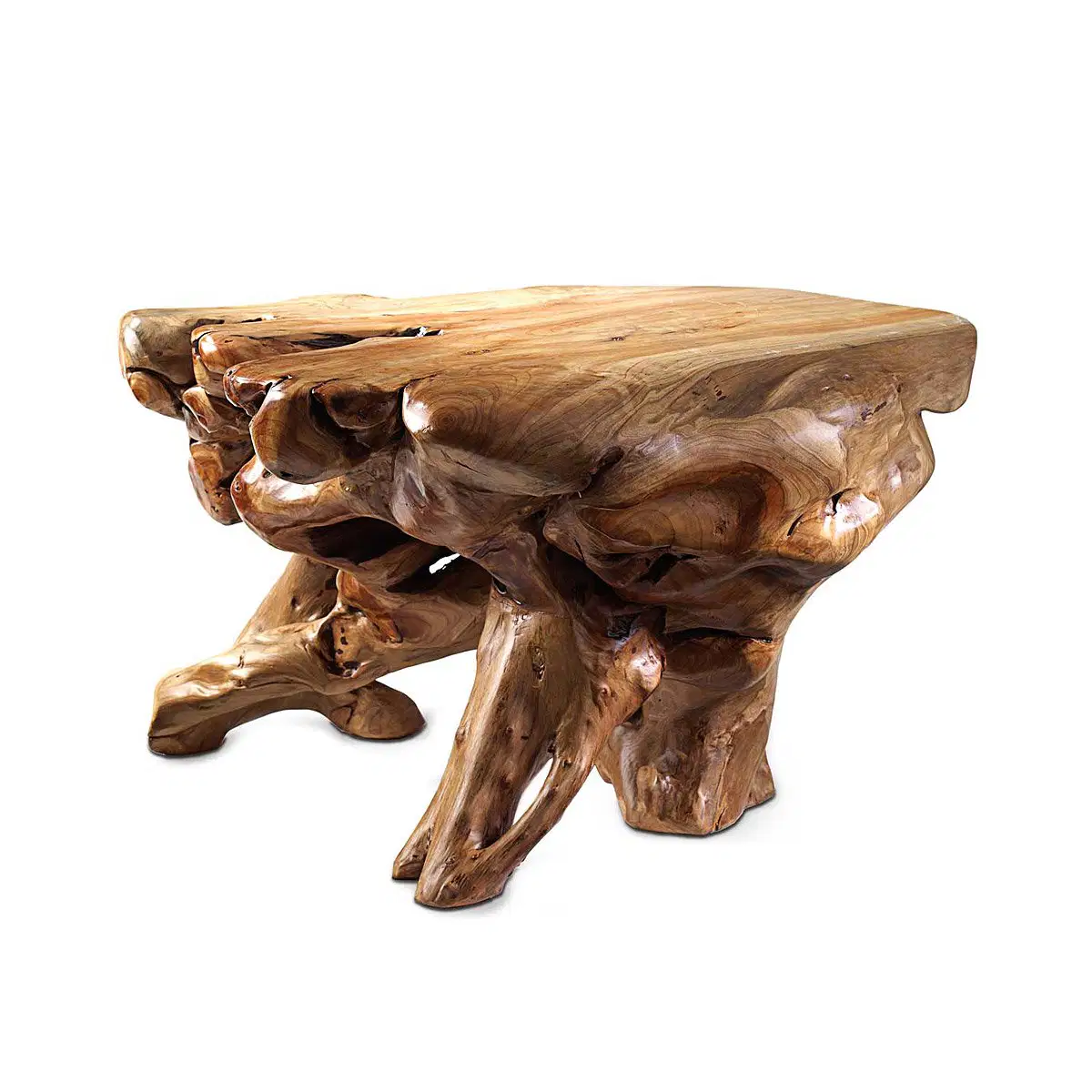
What are organic shapes often characterized by?
Sharp definition
Regularity
Informal and irregular shapes
Strength and solidity

Which type of shapes tend to imply movement?
Curved shapes
Irregular shapes
Static shapes
Angular shapes

What is the defining feature of a shape?
Height and width
Depth
Three dimensions
Weight

What do static shapes appear to be?
Resting or standing still
Falling or running
Leaning or diagonal
Active or dynamic

What do curved shapes suggest?
Solid forms
Graceful movement
Change or movement
Strength and regularity

How do shapes interact with light to create depth?
By reflecting light uniformly
By casting shadows and highlights
By remaining neutral to light
By absorbing all light

What role do shadows play in defining the form of an object?
They highlight the object's color
They indicate the object's texture
They suggest the object's three-dimensional shape
They reveal the object's weight

How do geometric shapes differ from organic shapes in design?
Geometric shapes are always larger
Organic shapes are more predictable
Geometric shapes are mathematically precise
Organic shapes can't be used in modern design

How can texture be implied in a two-dimensional design?
By using different colors
By applying patterns and shading
By increasing the size of shapes
By using only geometric shapes
How do contrasting shapes enhance a design's visual appeal?
By creating visual confusion
By emphasizing harmony and balance
By highlighting differences and creating focal points
By making the design appear uniform

What effect do symmetrical shapes have on a design's overall feel?
They make it appear more dynamic
They contribute to a sense of balance and stability
They create a sense of unpredictability
They diminish the importance of the central axis

What does the use of asymmetrical shapes in a design imply?
Uniformity and balance
Dynamic movement and interest
Lack of creativity
Confusion and disorganization

What principle does the use of varying shapes in a design illustrate?
Contrast
Harmony
Balance
Repetition
How does the use of negative space affect the perception of shapes in a design?
It emphasizes the background over the shapes
It creates a sense of imbalance
It enhances the visual clarity of the shapes
It makes the shapes appear smaller
What characteristic do symmetrical shapes primarily convey in design?
Chaos and complexity
Balance and harmony
Irregularity and unpredictability
Movement and dynamism

