
 Worksheets
Russia: Vocabulary Check
Total questions: 13
Worksheet time: 18mins

What is the best characterization of a Taiga biome?
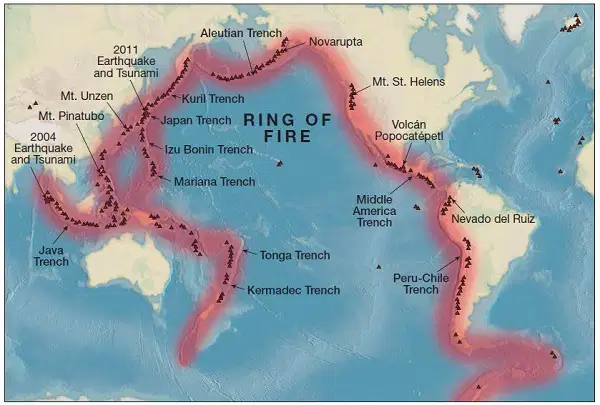
The Ring of Fire was created due to what geographic phenomenon?
El Nino Pacific currents

What effects does chernozem have on the country of Russia?
It produces a rich grain that allows Russia's cattle industry to flourish.
It allows for the rapid collection of rain water for agriculture.
It leads rapid industrialization due to availability of metal ore.

What is the significance of the Ural Mountains to Russia
They act as a natural boundary between the European and Asian parts of the country.

Which physical characteristics best describe Siberia?
Continentality has what impact on the Russian climate?
Decreased Precipitation
Which part of Russia has the highest population?

How do Mountains affect a regions climate?
Mountains create a cooling effect on the region, increasing snowfall.
Mountains can affect a region's climate by blocking the flow of air masses, decreasing precipitation.

Which of the following Russian cities has the highest latitude?

What is the name of the railroad that goes across all of Russia
(a)

What is Permafrost and how does it impact human settlements?

What is the role of the Volga River in Russia's economy?
It provides a major transportation route for trade
It is a major source of hydroelectric power
It is a major tourist attraction, contributing to the tourism industry
All of the above
The number and diversity of fast-food restaurants across east China have mushroomed in the past several years with no end in sight. From wonton to pizza to east China’s favorite—fried chicken—, fast-food and chain restaurants are popular, partly because they are more affordable than other types of restaurants to a great number of Chinese.
As recently as 1993, Chinese consumers had few fast-food choices. Restaurant food was limited to five-star hotels, traditional Chinese restaurants, and street-side wonton, pulled noodle, and tea-egg vendors.
Fast-food restaurants in east China can be defined as Western-style or those specializing in Chinese food.
—Ag Exporter, USDA’s Foreign Agricultural Service, July 1997
Which title would be most appropriate for the article excerpted above?
The Diffusion of Cultural Food Practices
The Convergence of Natural Resources
The Globalization of Service Industries
The Growth of Food-Service Monopolies

