
 Worksheets
Building Technology 1 - Concrete as a Building Material
Total questions: 61
Worksheet time: 52mins
one of the most common types of cement that is used in construction
(a)
lime + silica + alumina +iron component
(a)
reason of the color of portland cement
(a)
responsible for the water retention for hydration process of cement.
(a)
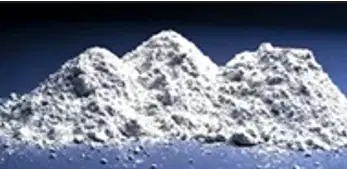
· It possesses identical components to regular Portland Cement, with sole distinction being to its color.
(a)
individual units (e.g., bricks, hollow blocks)
(a)

· Engineered for the purpose of yielding superior mortar compared to that using standard Portland cement
· It offers excellent characteristics in terms of workability, plasticity, adhesion, and bonding
(a)
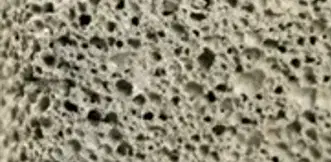
· Incorporates a minor quantity of an air-entraining agent, making it highly effective for enhancing resistance to harsh frost conditions
(a)
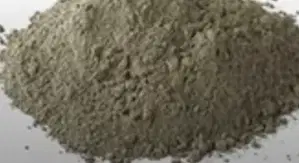
This specialized type of Portland Cement is employed for sealing of oil wells and is required to exhibit slow setting properties, as well as exceptional resistance to elevated temperatures and pressures
(a)
· Typically, manufactured by introducing a small quantity of stearate to the cement clinker in the final stage of the grinding process.
(a)
water + cement
(a)
sand and gravel: these are two main types of (a)
Located within riverbeds, devoid of salt, necessitating a thorough washing process.
(a)
Stones with a diameter less than 1/4 inch in size.
(a)
Stones with a diameter greater than ¼ inch in size.
(a)
1 cement, 1 & 1/2 sand, 3 gravel
class "AA"
class A
class B
class C
1 cement, 2 sand, 4 gravel
class "AA"
class A
class B
class C
1 cement, 2 & 1/2 sand, 5 gravel
class "AA"
class A
class B
class C
1 cement, 3 sand, 6 gravel
class "AA"
class A
class B
class C
Concrete underwater, Retaining Walls
class "AA"
class A
class B
class C
Footings, Columns, R.C. Slabs
class "AA"
class A
class B
class C
Slab on Fill, Non-bearing walls
class "AA"
class A
class B
class C
Concrete Plant Boxes
class "AA"
class A
class B
class C
Water-cement theory: The amount of water used in concrete is (a) related to its strength.
· The freshly mixed concrete is regularly inspected to confirm that the specified slump is consistently achieved.
(a)
too much water
collapse slump
shear slump
true slump
zero slump
shape is not maintained
collapse slump
shear slump
true slump
zero slump
shape is maintained
collapse slump
shear slump
true slump
zero slump
lacks water, shape did not change
collapse slump
shear slump
true slump
zero slump
· The test is conducted in a manner similar to the slump test, with the concrete filled into mold and removed after a 24-hour period.
(a)
another term for additives
(a)
chemicals or mixtures added to the concrete mix to modify or change its characteristics
(a)
concrete dries within (a) days
An additive employed to accelerate the initial setting of concrete and enhance the early-strength development rate.
(a)
An admixture employed to prolong or extend the setting time of cement paste in concrete, effectively retarding the hydration process.
(a)
Comprise minuscule air bubbles generated through the use of a class of chemicals known as surface-active agents. For resistance to frost action.
(a)
An additive used to prevent the cement from flocculating and leading to the formation of voids.
(a)
These additives are utilized to minimize the effects of rolling live loads and the impact of foot traffic.
(a)
Employed to decrease the quantity of water required to achieve a specific concrete consistency or to enhance the slump for a predetermined water content.
(a)
Substances employed to diminish or halt the flow of water within concrete.
(a)
Utilized to create a bond between a pre-existing concrete surface and a newly poured concrete.
(a)
This can be accomplished through two methods:
1. Applying concrete paints
2. Incorporating the color into the surface while it is still in a wet state.
(a)
Applied when aggregates must be revealed for architectural purposes or visual impact.
(a)
It serves two main purposes:
1. to create a water-tight coating that prevents the evaporation of water necessary for hydration.
2. to seal the pores of the concrete once it has fully hardened to prevent the passage of water and spilled materials.
(a)
It is employed to diminish voids in concrete by incorporating expanding agents.
(a)
Utilized in situations where it is preferable to avoid elevated temperatures or in structures exposed to seawater or water containing sulfates. It can replace 10 to 35 percent of the cement content.
(a)
concrete __________ as it sets
squeeze
expands
enlarges
shrinks
If constructed using heavy aggregate, an 8"x8"x18" block will weigh approximately 40 to 50 pounds, whereas if lightweight aggregate is used, it will weigh around 25 to 35 pounds.
(a)
Described as having a core area that is no greater than 25 percent of the total gross cross-sectional area.
(a)
Described as having a core area that is greater than 25 percent of the total cross-sectional area.
(a)
Non-load bearing Partition
4”x 8” x 16”
6” x 8” x 16”
Load bearing Partition
4”x 8” x 16”
6” x 8” x 16”
Imitates the appearance of stone with concrete as a material.
(a)
a permanent partition wall (ex. building weight)
(a)
a temporary load that is either moving loads, or movable loads, that do not have any impact or acceleration. (ex. furniture)
(a)
Tailored to any desired size for a precise fit within a structure. Secured within the building using pins or dowels to attach them to a steel frame, and with metal strap anchors fastened to a concrete or backup wall.
(a)
· Remarkable thermal and acoustic insulation properties characterize lightweight blocks.
· Composed of a mixture of cement (comprising silica-rich sand and limewater) along with aluminum powder.
· Incorporating chemically treated wood shavings into a cement paste during production.
(a)
They come in two varieties:
1. Chemical hardeners
2. Fine metallic aggregate
Concrete Hardeners
Bonding Agents
Set-inhibiting Agents
Comes in two varieties:
1. Metallic Aggregate
2. Synthetic Latex Emulsion.
Concrete Hardeners
Bonding Agents
Set-inhibiting Agents
Available in two forms:
1. Liquid
2. Powder
Concrete Hardeners
Bonding Agents
Set-inhibiting Agents
Stones with a diameter greater than ¼ inch in size.
(a)