
 Worksheets
Life Science Test Review
Total questions: 30
Worksheet time: 30mins
Trees
Raccoons
Apples
Water
Oxygen
Rocks
Only (a) are able to go through the process of photosynthesis.
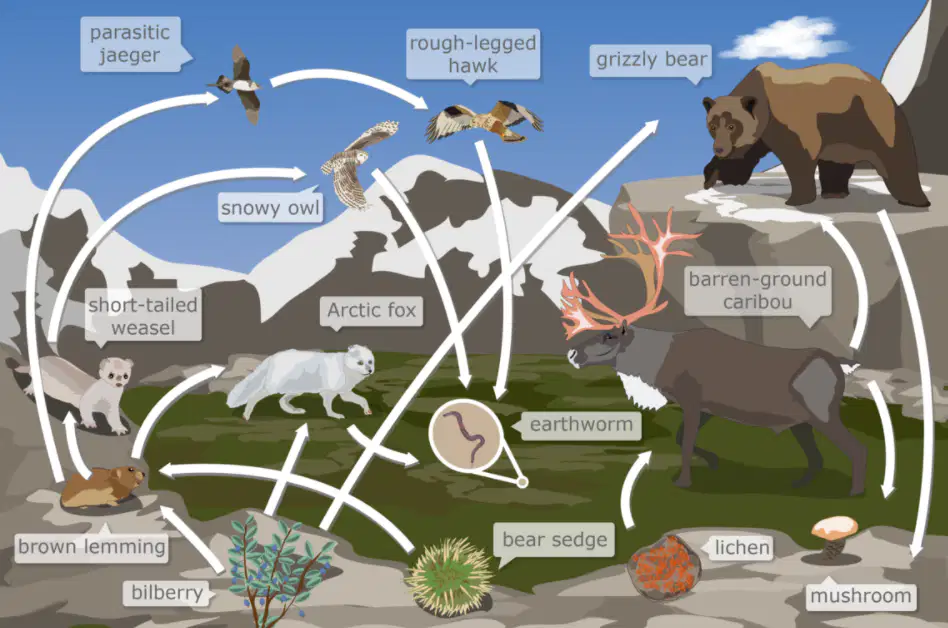
Select an Apex Predator from this food web.
Match the following
Apex Predator
The top consumer in an ecosystem
Primary Consumer
Eats a producer in a food chain
Food Chain
Shows a single path of energy
Food Web
Shows multiple paths of energy
Decomposer
Break down dead organisms into nutrients

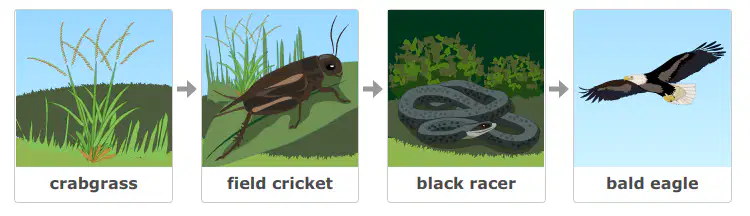
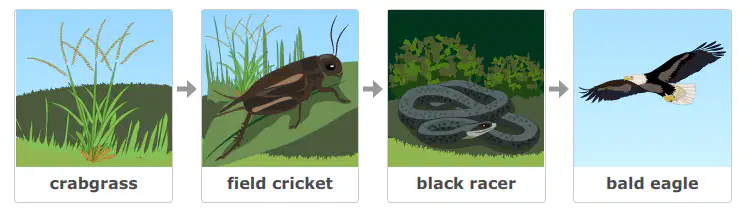
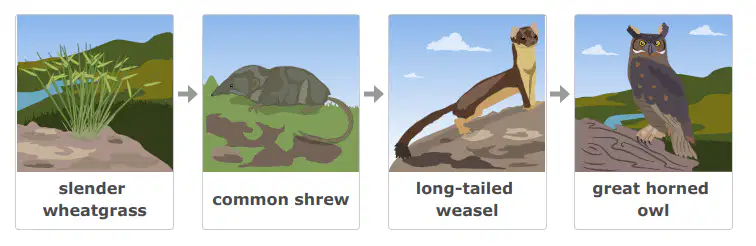
All energy in most ecosystems originates from the (a) and is passed to producers. In this food chain the (b) is the producer, the (c) is the primary consumer, the (d) is the secondary consumer, and the (e) is the tertiary consumer.
Producers need (a) and release (b) , but humans need (c) and release (d) .
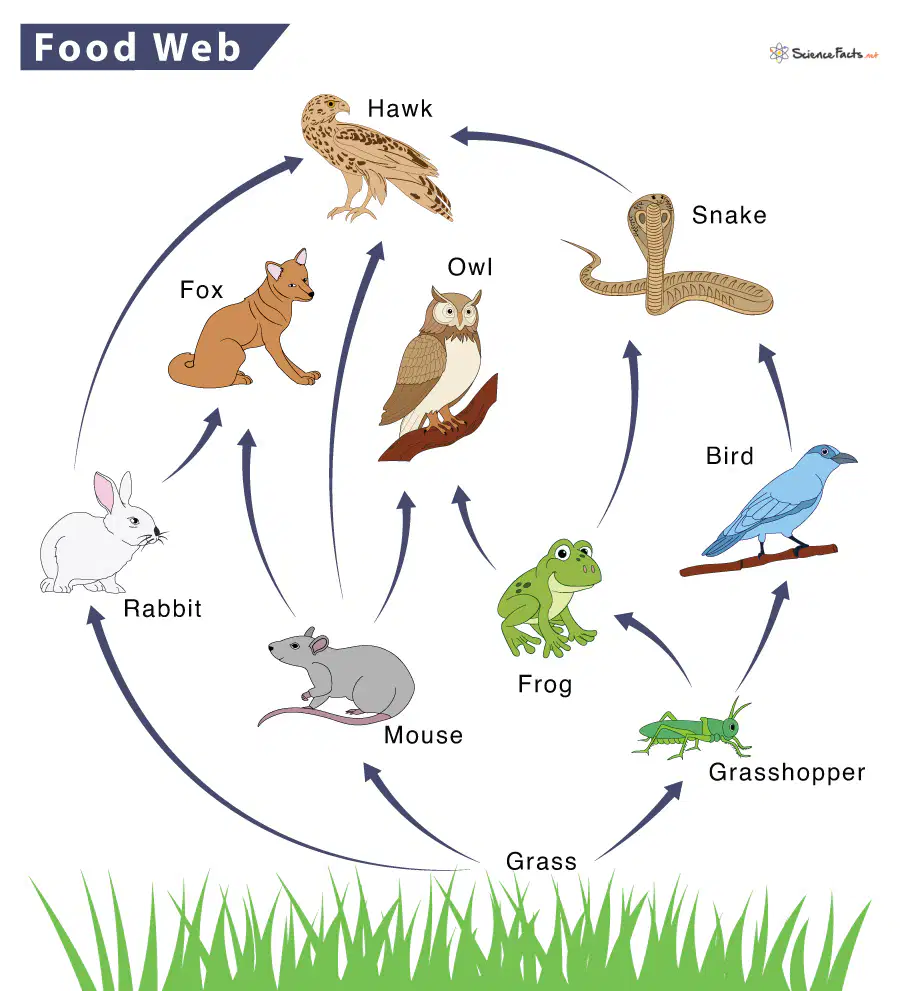
How many predators does the mouse have?
True or False?
All living things require energy.
True
False

A bee and a flower work together to benefit each other. This is an example of _________________. The bee helps the flower by pollinating it and the flower helps the bee by providing it with nectar.
commensalism
parasitism
mutualism
A mosquito sucking the blood of an animal
Penguins huddling together to stay warm
Two hyenas working together to take down a larger animal

If there was an increase in the rabbit population, what would be the short-term affects on the snake population?
Snake population will increase
Snake population will stay the same
Snake population will decrease
Snakes would go extinct
If there was an increase in the rabbit population, what would be the short-term affects on the producer population?
Producer population will increase
Producer population will stay the same
Producer population will decrease
Producer would double in size
Label the energy pyramid
A plant or animal that does harm in its non-native environment.
apex predator
prey
producer
Order these from the smallest group to the largest group.
(1 = Smallest and 4 = Largest
Organism
Population
Community
Ecosystem
Which of the following represents a population?


Match the following terms with the correct definition
Predator
Hunts for their food
Prey
Is the one being hunted
Herbivore
Only eats plants
Carnivore
Only eats other animals
Omnivore
Eats plants and animals
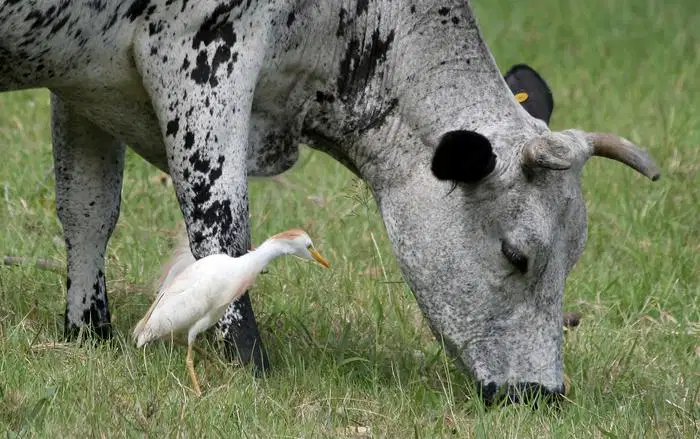
A cow in a field disturbs insects that are hiding in the grass. When the insects hop or fly away the cattle regret eats them. Due to this relationship the egret obtains food easier, but the cow is neither helped or harmed. What type of symbiotic relationship is this?

Where can producers be found on the energy pyramid?
What does every food chain start with?
producers
heterotrophs
consumer
decomposers
All energy in most ecosystems originally comes from (a) .

Sort the ingredients and end results of photosynthesis.
Carbon Dioxide
Sunlight
Water
Glucose
Oxygen

