
 Worksheets
Ancient Greece
Total questions: 20
Worksheet time: 11mins

Which of the following geographical characteristics match the overall topography of Greece?
Broad rivers with wide flood plains
Tremendous glaciers
Rocky mountain chains and rolling hills
Winding coastlines with multiple bays and peninsulas

Centered around the city of Knossos, which Greek civilization below was ruled exclusively by a thalassocracy, or an empire consisting entirely of islands and territories in the sea?
The Mycenaeans
The Minoans
The Spartans
The Macedonians

The epic poems attributed to Homer, the Iliad and the Odyssey, are tales of the exploits of the warrior kings of this Greek civilization?
The Mycenaeans
The Minoans
The Spartans
The Macedonians
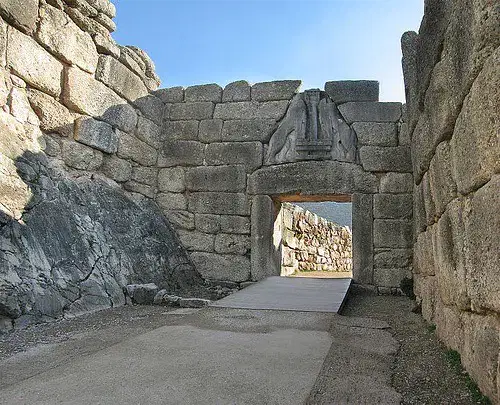
The poleis first rose to prominence in Greek history after the downfall of the ________ Civilization, and the beginning of the Greek "Dark Age"
Mycenaean
Minoan
Macedonian
Persian

Which of the following are examples of a Greek poleis?
Athens
Sparta
Thebes
Troy

The Bhagavad Gita and Mahabharata are examples of epic Indian literature that we studied that glamorize warriors and their accomplishments. Which Greek figure in literature did the same thing for his culture?
Aristophanes
Homer
Aristotle
Plato

Which of the following statements about military structure in a Greek poleis is TRUE?
Middle class citizens were responsible for their own armor and weapons and were known as hoplites.
Upper class citizens were the only ones who could afford to raise and keep horses, so they formed the cavalry.
Slaves were conscripted into the army to serve as human shields.
The poleis' military consisted primarily of Persian mercenaries

Arrange the words below into the proper order to fill in the spaces in the sentence to make it true.
The Spartan government functioned as an ___________, whereas the people of Athens preferred a structure that was a _________ with occasional instances of _______, such as the rule of men like Solon and Cleisthenes.
tyranny, oligarchy, democracy
democracy, oligarchy, tyranny
oligarchy, democracy, tyranny
oligarchy, tyranny, democracy
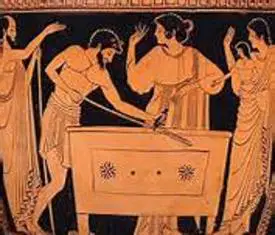
The permanent class of slaves subjugated by and forced to work for the Spartans was known as the ______
Helots
Ephors
Thebans
Satyrs
The main source of slavery in Athens was not military conquest, like in Sparta, but instead it was ______
Inability to repay personal debts
Religious disagreement
Desertion from the army
Overflowing orphanges
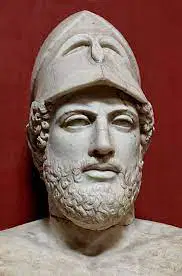
Pericles commissioned the construction of the Parthenon on the acropolis of Athens to celebrate the victory of the Greeks over this rival empire?
Persia
Assyria
Rome
Macedonia

Athens used funds from which organization to fund its rebuilding process during the Classical Greek era?
The Delian League
The Peloponnesian Alliance
The Theban Assembly
The Mycenaean Empire
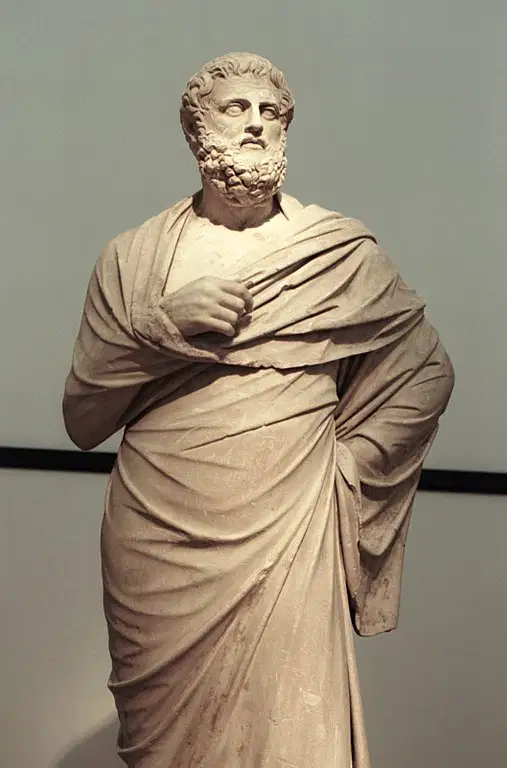
Which of the following famous Greeks was one of the top playwrights of the Classical Age?
Sophocles
Socrates
Hippocrates
Euclid
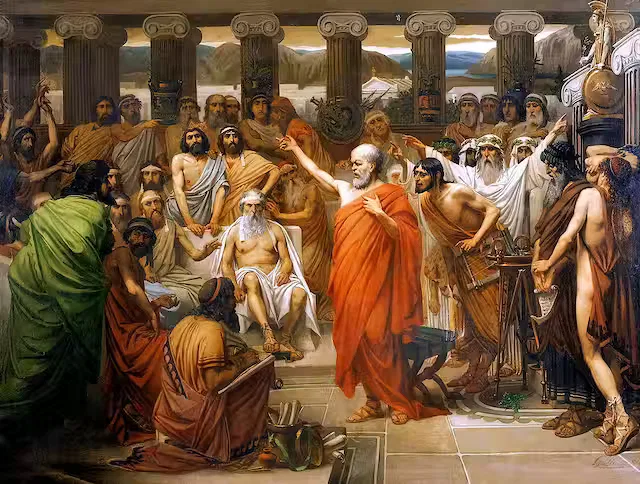
Which of the following philosophers has a philosophical method named after him, and also served as the teacher of Plato?
Socrates
Euclid
Zeno
Seneca
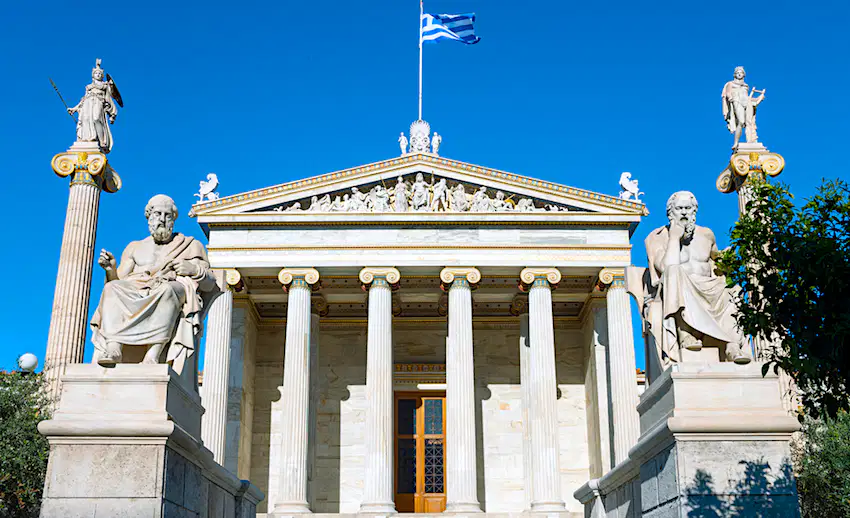
Plato created the ________ - a place where he and his students could try to determine the true nature of reality much like adherents to Buddhism and _________ around the same time period.
Academy, Hinduism
Lyceum, Christianity
Parthenon, Judaism
Oracle at Delphi, Confucianism

Which of the following statements about Greek religion is FALSE?
Greek priests wielded little to no political power, much like Chinese priests during the Zhou and Qin dynasties.
The Greeks believed in a polytheistic system of interrelated gods and goddesses.
Much like the Hebrews, the Greeks never blended their icons or concepts of their gods with those of other religions.
Some Greeks believed in mystery religions, which focused on one particular god and required utter devotion and prayer.

Which of following statements about Alexander the Great is TRUE?
His father was Aristotle, the great Greek thinker and teacher.
He was from Macedonia, a Greek territory north of the city states of Athens and Sparta.
He was able to conquer a vast empire that stretched all the way to India in the east and Egypt in the south.
His brief rule began the process of Hellenization, or blending aspects of Greek culture into various parts of the Asian world.
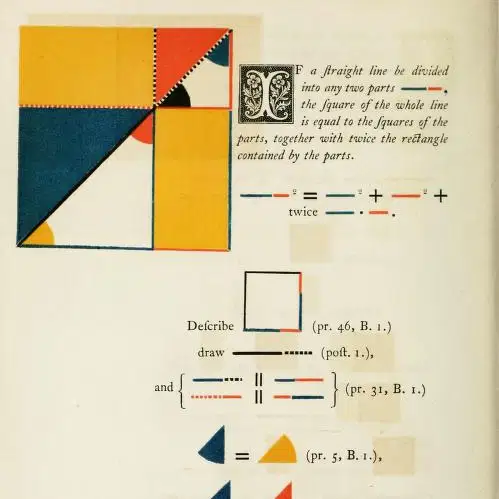
Which TWO mathematicians and/or scientists below are examples of leaders in their field that arose during the Hellenistic Era?
Euclid
Archimedes
Solon
Philip
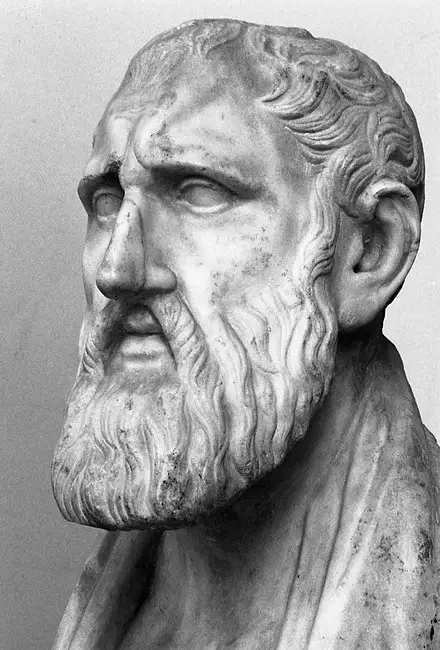
Stoicism developed as a philosophy focused on ______
Controlling one's emotions, acting in a virtuous way, and not letting the world around you affect you negatively
Enjoying the most possible fun and happiness that you can during your lifetime
Strict study and focus on moral truths and complete detachment from others
Becoming as ascetic and wandering the earth in meditation
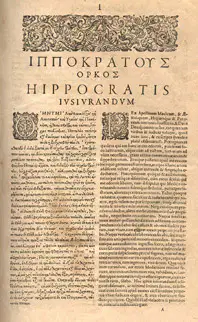
Medical professionals to this day still take an oath based on the principles of which ancient Greek physician?
Hippocrates
Galen
Avicenna
Pythagoras

