wayground logo

Free Printable Worksheets

Font size

S
M
L
XL
Worksheets

Chem of Life/Macro

Total questions: 48

Worksheet time: 36mins

Name
Class
Date
1.

These are all examples of ____________.

a)

Atoms

b)

Elements

c)

Molecules

d)

Compounds

2.

Table salt (NaCl) is a good example of a(n) __________ because it contains atoms of different types.

a)

Atom

b)

Element

c)

Molecule

d)

Compound

3.

Compounds are certain types of molecules that contain _________.

a)

Only one type of atom

b)

A certain proportion of "Atom A" to "Atom B"

c)

Too many electrons

d)

More than one type of atom

4.
The smallest particle of any element that still has the properties of that element is called
a)
an atom
b)
a compound
c)
a solution
d)
a mixture
5.
a)

element

b)

compound

c)

mixture of elements

d)

mixture of compounds

e)

mixture of elements and compounds
6.
a)

element

b)

compound

c)

mixture of elements

d)

mixture of compounds

e)

mixture of elements and compounds

7.
a)

element

b)

compound

c)

mixture of elements

d)

mixture of compounds

e)

mixture of elements and compounds

8.
a)

element

b)

compound

c)

mixture of elements

d)

mixture of compounds

e)

mixture of elements and compounds

9.
a)

element

b)

compound

c)

mixture of elements

d)

mixture of compounds

e)

mixture of elements and compounds

10.
What is at the center of every atom?
a)
An electron
b)
A compound
c)
A nucleus
d)
A molecule
11.
Which two particles make up the nucleus of an atom?
a)
protons and electrons
b)
protons and neutrons
c)
molecules and compounds
d)
neutrons and electrons
12.
What number indicates the nucleus?
a)
1
b)
2
c)
3
d)
4
13.
How many electrons does this picture show?
a)
4
b)
5
c)
6
d)
3
14.
Covalent bonds actually "share" electrons?
a)
true
b)
false
15.
How are covalent bonds formed?
a)
Sharing of electrons
b)
Transfer of electrons
16.
This picture shows a...
a)
Ionic Bond
b)
Covalent Bond
c)
Both bonds
d)
Neither bond
17.
This picture shows a...
a)
Ionic Bond
b)
Covalent Bond
c)
Both bonds
d)
Neither bond
18.
What elements generally make an ionic bond?
a)
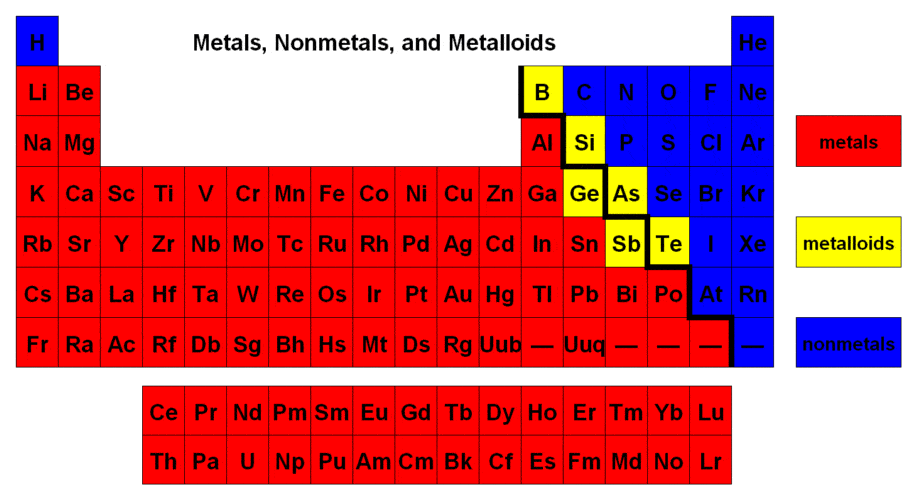
metal and nonmetal
b)
2 or more nonmetals
c)
metal
d)
none of the above
19.
What elements generally make a covalent bond?
a)
metal and nonmetal
b)
2 or more nonmetals
c)
metal
d)
none of the above
20.

Identify the substance in box B.

a)

element

b)

compund

c)

mixture

21.

Identify the substance in box Y.

a)

element

b)

compound

c)

mixture

22.
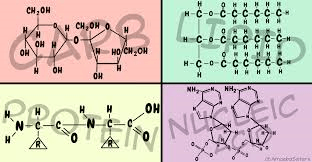
Which biomolecule is the key source of energy?
a)
Lipid
b)
Protein
c)
Carbohydrate
d)
Nucleic Acid
23.
A monomer is ...
a)
a single atom
b)
a building block for polymers
c)
a single element
d)
is an inorganic molecule
24.
What is the monomer for a protein?
a)
Monosaccharide
b)
Triglyceride
c)
Amino Acid
d)
Nucleotide
25.
What is the functions of lipids?
a)
Quick source of energy
b)
Builds muscles & skin, enzymes, hormones
c)
Stores genetic information
d)
Stores energy, insulation, plasma membrane
26.
Which of the following is an example of a nucleic acid?
a)
Glucose
b)
Phospholipid
c)
Enzymes
d)
DNA
27.
What is the function of a nucleic acid?
a)
Stores genetic information
b)
Stores energy
c)
Quick source of energy
d)
Builds structures
28.
Lipids are made of
a)
monosaccharides
b)
amino acids
c)
glycerol and 3 fatty acids
d)
nucleotides
29.
Nucleotides are monomer for
a)
Nucleic Acids
b)
Proteins
c)
Carbohydrates
d)
Lipids
30.
What biomolecule do enzymes belong to? 
a)
Carbohydrate
b)
Lipid
c)
Nucleic Acid
d)
Protein
31.
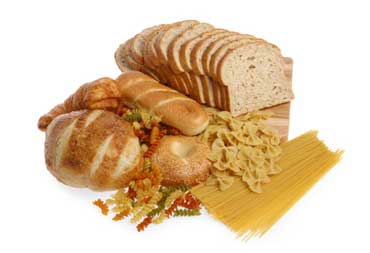
Which biomolecule is found in pasta and bread?
a)
Lipid
b)
Protein
c)
Nucleic Acid
d)
Carbohydrate
32.
Which biomolecule is a main source of quick energy?
a)
Nucleic Acid
b)
Protein
c)
Lipid
d)
Carbohydrate
33.
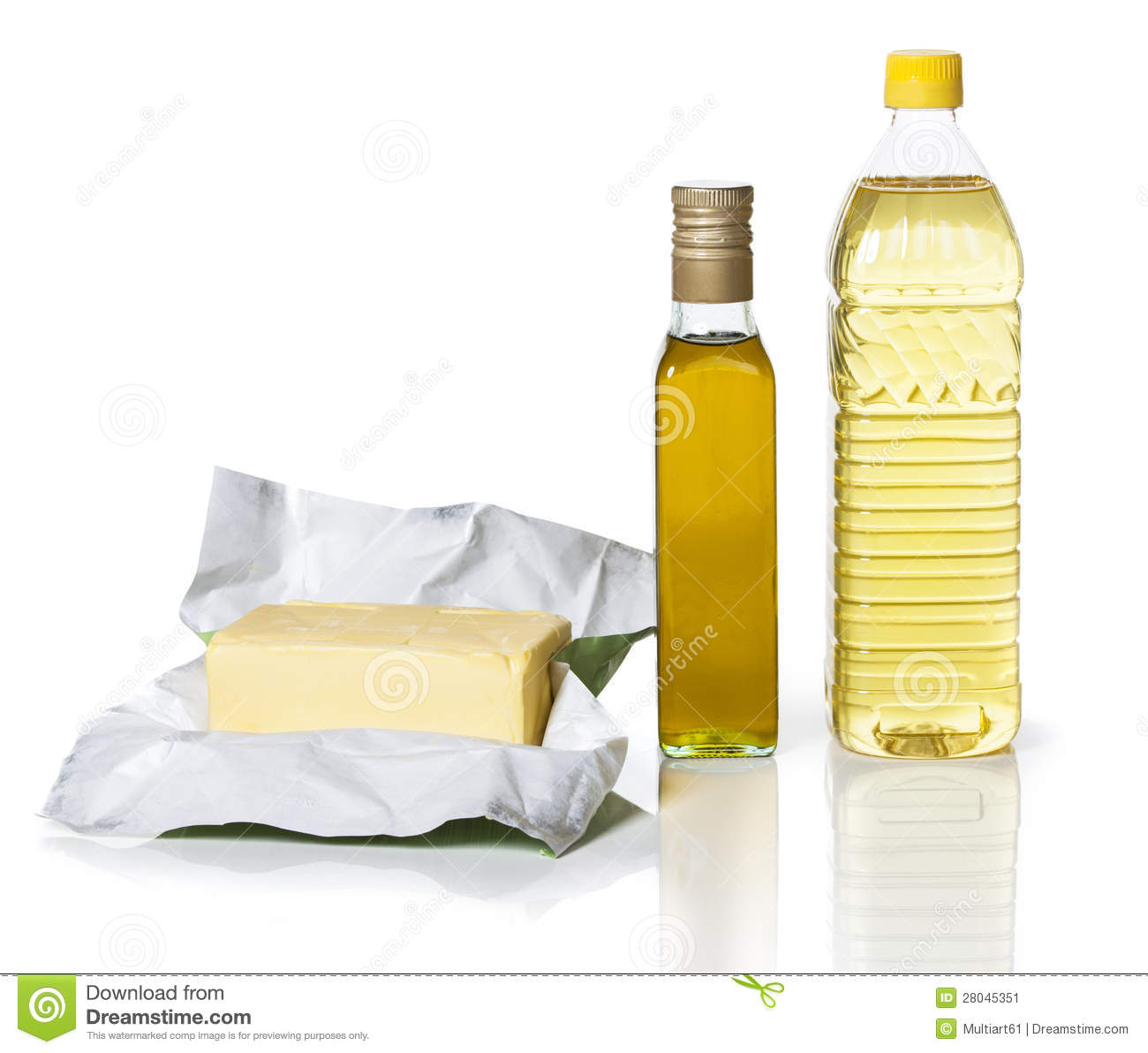
Which biomolecule is found in fats, oils, and waxes and is a source of long-term energy
a)
Proteins
b)
Nucleic Acid
c)
Lipids
d)
Carbohydrate
34.
What elements are common to all 4 biomolecules?
a)
Carbon, hydrogen, nitrogen
b)
Carbon, Nitrogen, Phosphorus
c)
Carbon, Hydrogen, Oxygen
d)
Carbon, Hydrogen, Phosphorus
35.

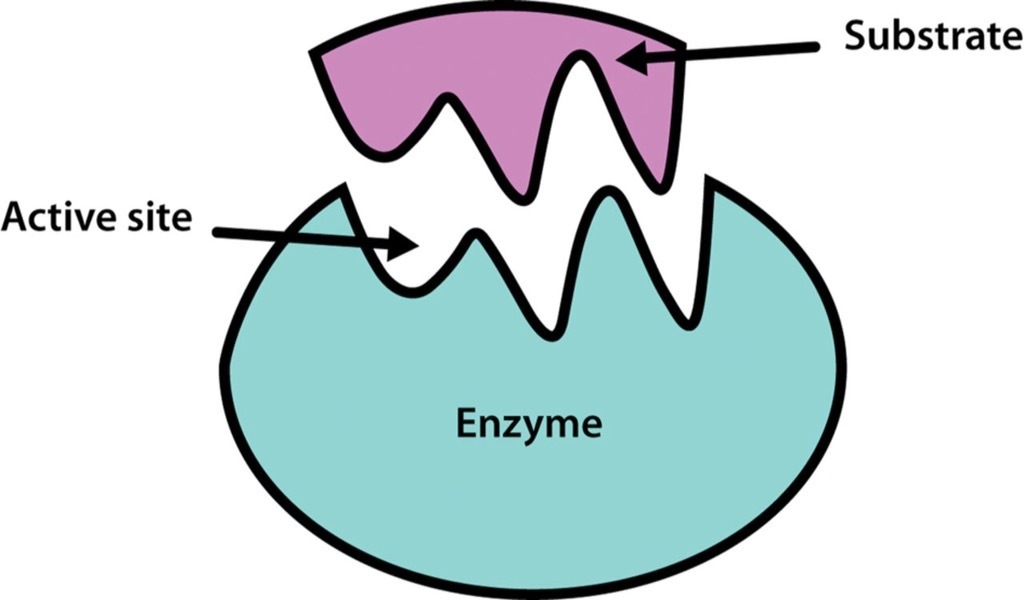
What is the purpose of an enzyme?
a)
give permission for the reaction
b)
raise activation energy
c)
speed up reactions
d)
control how many reactions occur
36.
All polymers are made up of...
a)
monosaccharides
b)
monomers
c)
proteins
d)
None of these
37.
The monomer of a nucleic acid is
a)
Monosaccharide
b)
Amino Acid
c)
Nucleotide
d)
Triglyceride (3 Fatty Acids and 1 Glycerol)
38.
The monomer of a protein is
a)
Monosaccharide
b)
Amino Acid
c)
Nucleotide
d)
Triglyceride (3 Fatty Acids and 1 Glycerol)
39.
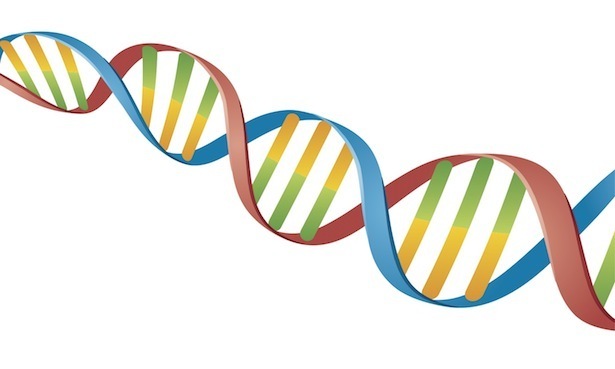
Which biomolecule is made of nucleotides and include your DNA? (Hint: they carry genetic information)
a)
Carbohydrate
b)
Lipids
c)
Protein
d)
Nucleic Acid
40.
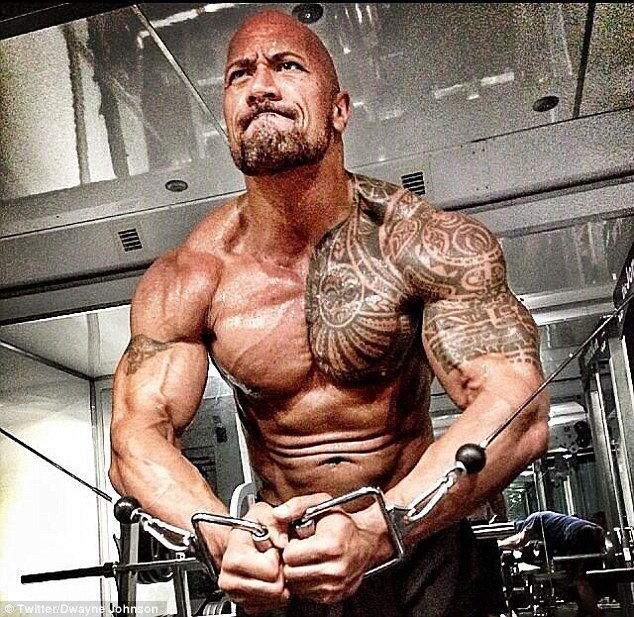
Which biomolecule helps form muscles? 
a)
Nucleic Acid
b)
Carbohydrates
c)
Protein
d)
Lipids
41.
Which biomolecule includes sugars and starches? (Hint: simple or complex)
a)
Lipids
b)
Proteins
c)
Carbohydrates
d)
Nucleic Acids
42.
Which biomolecule is known as an information molecule and holds your genetics?
a)
Carbohydrates
b)
Lipids
c)
Nucleic Acids
d)
Proteins
43.

Which are names for the large organic molecules that are found in all living things?

a)

Biomolecules

b)

Micromolecules

c)

Macromolecules

d)

Gigamolecules

44.

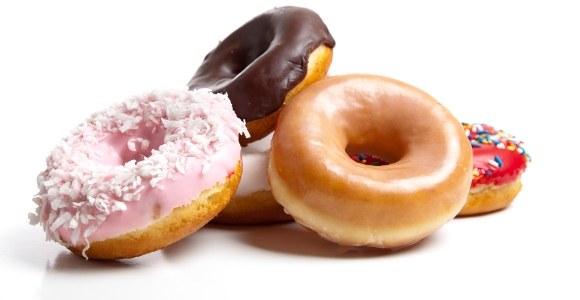
What type of biomolecule would cookies be considered?

a)

Carbohydrates

b)

LIpids

c)

Proteins

d)

Nucleic Acid

45.

Which macromolecule is responsible for growth and repair

a)

Carbohydrate

b)

Lipid

c)

Protein

d)

Nucleic acid

46.

Which biomolecule would starch and glucose be considered?

a)

Carbohydrates

b)

Lipids

c)

Proteins

d)

Nucleic acids

47.

What element must all molecules have in order to be considered organic?

a)

Sulfur

b)

Helium

c)

Carbon

d)

Potassium

48.

What does the prefix macro- mean?

a)

large

b)

small

c)

medium

d)

none of these