
 Worksheets
CA Safety Test
Total questions: 55
Worksheet time: 28mins
_______ protection must always be worn in the shop
Ear
Knee
Eye
Head
_____ all accidents and injuries
Hide
Report
Ignore
Write
Do not use broken or defective equipment
True
False
Do not use equipment until you have been properly trained in its use
True
False
Loose clothing in the shop can cause...
No issues
Injuries
You to stay warm
Drip
Long hair must be _____ or covered with a cap.
Tied back
Shaved off
Dyed
None of the above
No ____ should be worn in the shop
Eye protection
Shoes
Jewelry
Ear muffs
_____ shoes need to be worn in the shop
Open toed
Stylish
Protective/Closed toed
No shoes
When finishing materials with stain, paint, ect... you should be in a well ____ area
lighted
ventilated
noisy
spacious
Always clean up ____
the floor
spilled materials
work benches
all the above
Used rags are to be kept in a covered _____ container.
plastic
metal
flammable
wood
Keep cabinet doors, drawers, vises, and clamps ____
on the shelf
open
closed
doesn't matter
You can use a ____ to clear away sawdust and scraps from the workbenches and tools
brush
vacuum
rag
All the above
______ should only be used for what they are intended/designed to do
Brooms
Tools
Machines
All the above
_______ tools should be held with the point/edge side held down towards the floor.
Dull
Long
Short
Sharp
When you are done with a tool, return it to it's assigned ____ area
storage
hidden
floor
workbench
Ask for ____ when handling large or heavy material
gloves
money
help
boots
Equipment with a _____ power cord should be reported to the instructor immediately.
long
five prong
good
damaged
Pull on the ____ of a cord, do not yank on the cord itself.
plug
handle
tool
extension cord
When you turn off a machine, it is okay to walk away from it even though it is still moving.
True
False
Do not _____ anyone while they are using a machine.
watch
help
distract
all the above
Using the tools requires your complete ______ at all times
observation
attention
careful use
all the above
Never fool around or ______ in the shop.
work hard
wear eye protection
play around
use the tools
To reduce the risk of injuries, all blades and bits need to be _____
clean
dull
sharp
dirty
Let the machine/tool come to full speed before you make contact with it.
True
False
Food and drinks are okay to have in the shop.
True
False

Table Saw: The blade should be no more than _____ above the material.
1"
1/2"
1/4"
3/4"

Table Saw: Use the _____ and other safety devices when it is practical to use them.
Push stick
Blade Guard
Fence
All the above

Table Saw: Always use ______ when making a narrow cut.
scrap piece of wood
no guards
a push stick
just your hands

Table Saw: The wood must be in good condition, with no _____ or other hardware in it.
screws
nails
defects
all the above

Table Saw: What kind of cutting does the Table saw do?
Cross Cutting
Ripping
Fun Cutting
Sharp Cutting

Table Saw: To avoid injury from kick back, stay out of the area directly _____ the saw/blade
in front
to the side
on top
behind
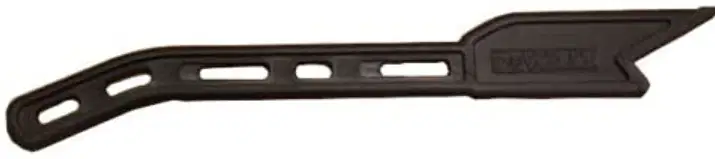
What is the object in the picture?
paddle
scraper
push stick
chuck key
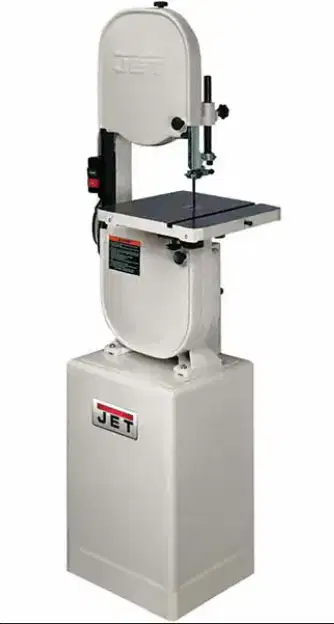
Band Saw: How high above the material being cut should the blade guide be?
1/4"
1/2"
3/4"
1"
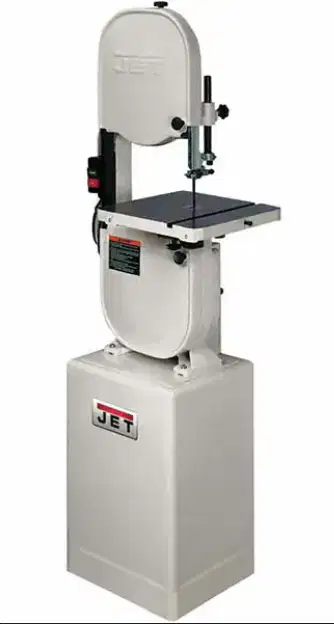
Band Saw: Never make adjustments while the saw is running.
True
Flase
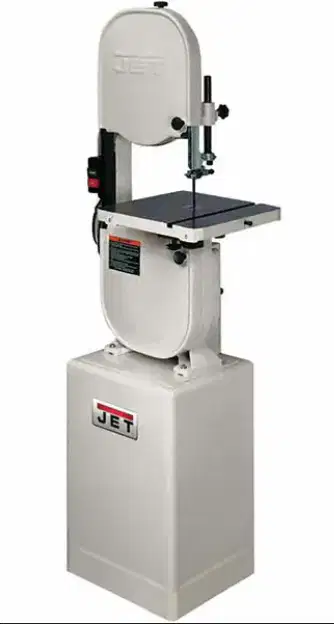
Band Saw: Never back out of a cut while the saw is running.
True
False
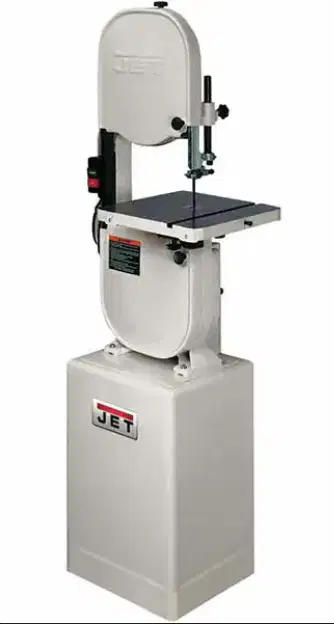
Band Saw: When cutting curved or round pieces, what kind of cuts do you need to make before cutting out your piece?
long cuts
short cuts
relief cuts
crooked cuts
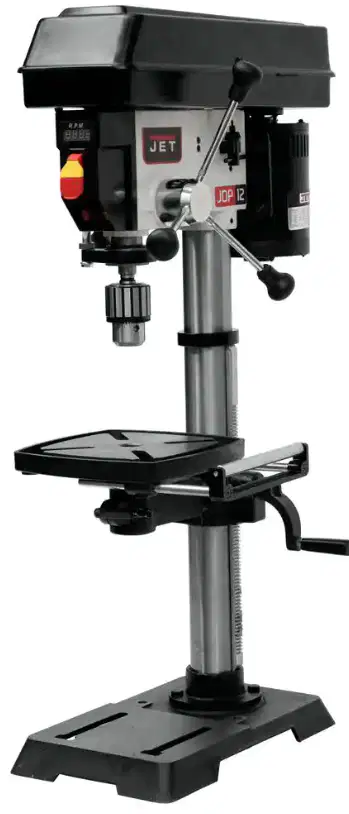
Drill Press: Use a clamp or a vise to hold the material firmly on the table.
True
False
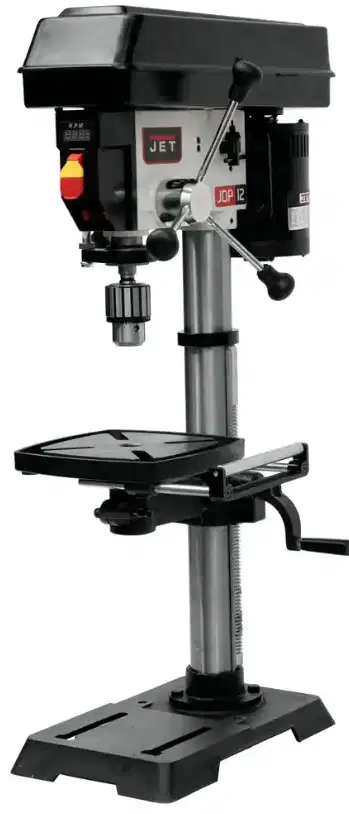
Drill Press: A piece of ______ should be under the project when drilling all the way through.
your hand
metal
scrap wood
rubber
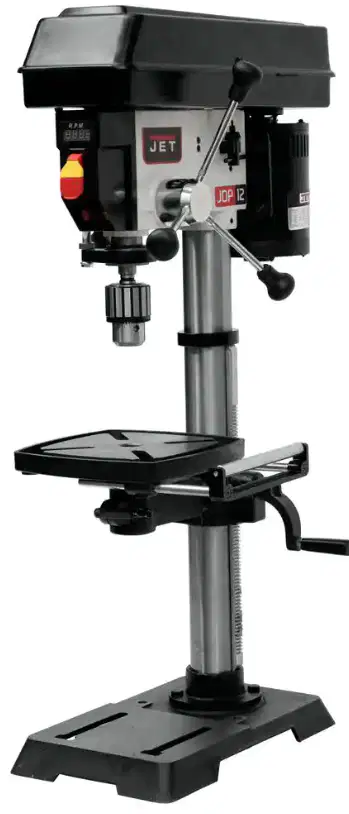
Drill Press: What do you use to tighten the chuck?
a wrench
a screw driver
chuck key
just your hand
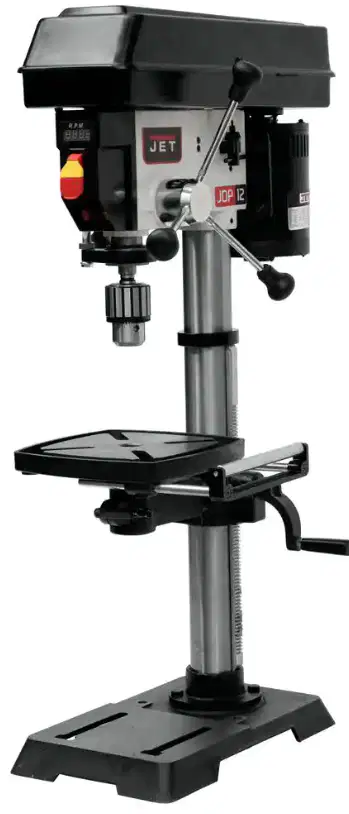
Drill Press: Back out of a deep cut from time to time to prevent clogging and ______
breaking
warping
burning
wood chips

Disk/Belt Sander: Never sand free handed, always use ______ to support the material.
your hand
scrap wood
the table
a wrench

Disk Sander: Only one side of the disk should be used, the side that is moving _______
upward
sideways
downward
doesn't matter

Disk/Belt Sander: The material must be _____ to be held safely.
small
large
rough
painted

Disk/Belt Sander: The wood you sand has to be dry, with no _____
glue
paint
finish
all the above
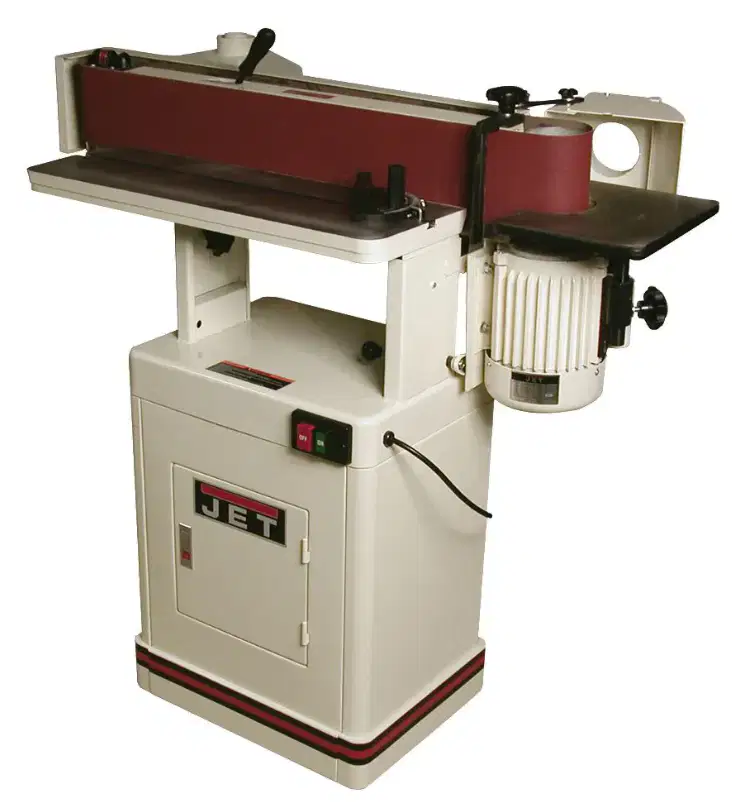
Disk/Belt Sander: Hold the wood so your hands and fingers stay _____ of the belt/disk at all times.
against
on top
clear
below

Disk/Belt Sander: Use _____ to hold thin or small material against the disk/belt.
a clamp
your hands
a pliers
your teeth
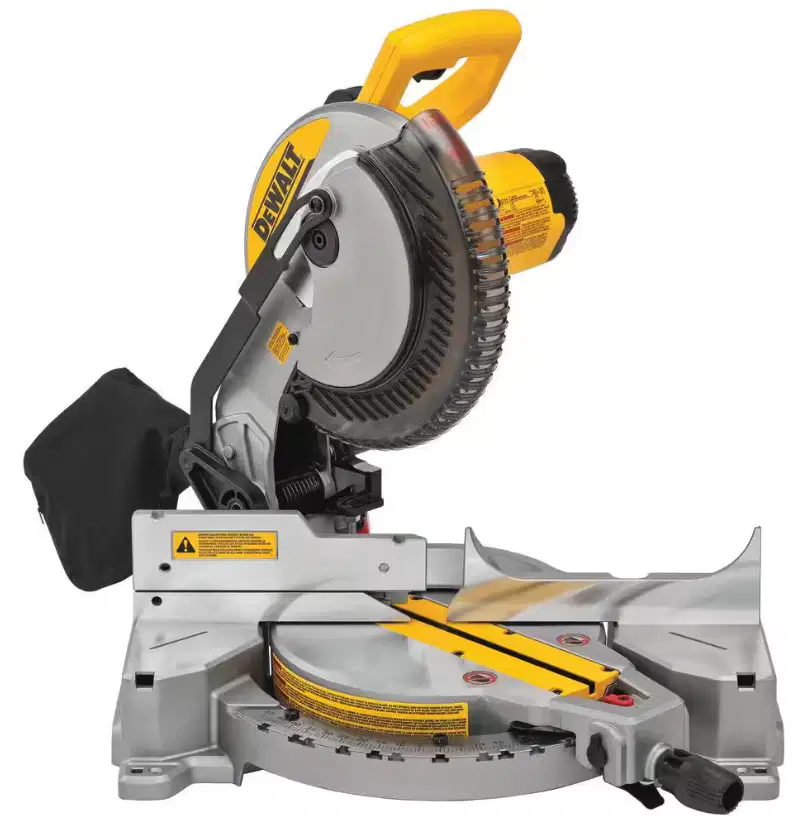
Miter Saw: Wood should be clamped/held against the table and against the ____
blade
guard
fence
clamp
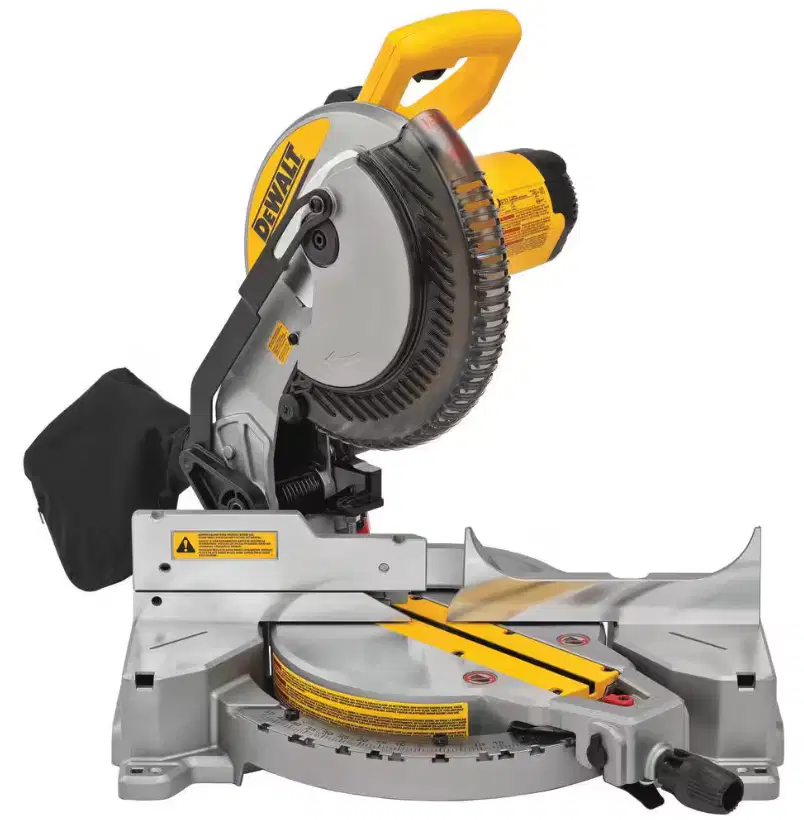
Miter Saw: Allow the _____ to come to a complete stop before raising the saw.
blade
guard
fence
dust collector
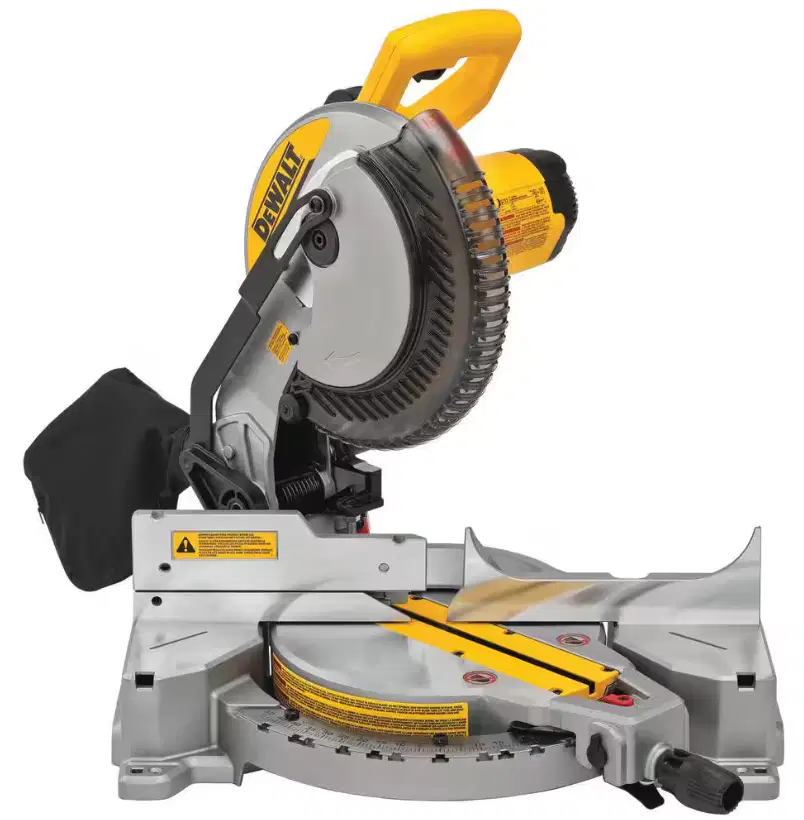
Miter Saw: Keep your hands at least _____ inches away from the blade and along the fence.
2
3
4
5

Miter Saw: What kind of cutting does the miter saw do?
Cross Cutting
Ripping
Fun Cutting
Sharp Cutting
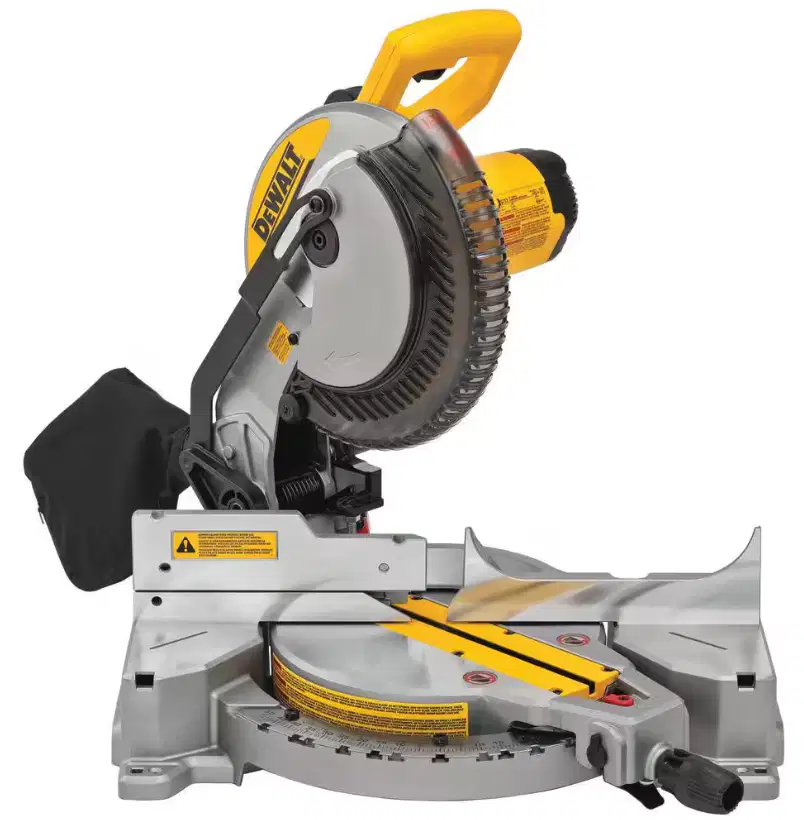
Miter Saw: You should start the saw with the blade in contact with the wood.
True
False
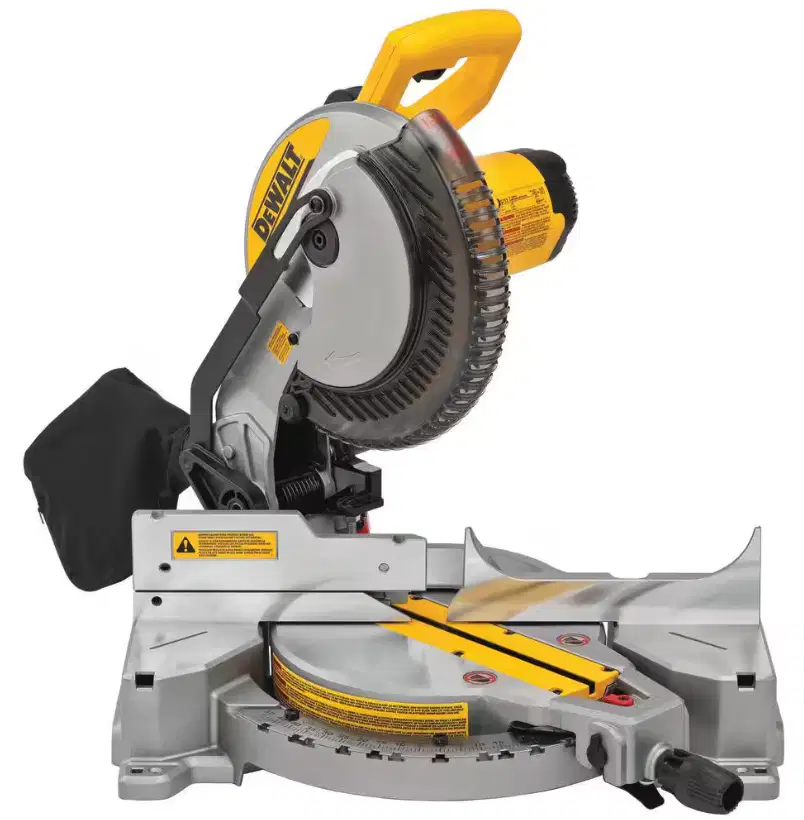
Miter Saw: Use your left hand to hold the wood firmly against the fence & your ______ to operate the saw.
head
foot
right hand
arm
I will follow all safety procedures and rules set by the Career Academy and the Tech Ed department at all times without exception. I will listen to my teacher and other teachers when they correct me on my safety. I understand that if I break safety rules there will be consequences for my actions such as detention, suspension, class removal, and can no longer take classes at the Career Academy and Tech Center.
By clicking "Yes" you are promising that you will follow all safety procedures and understand consequences if not followed.
Yes
No
If you don't know how to use a tool, what should you do?
Try to use it anyway
Don't use it and ask for help from a teacher
Throw it away
Look it up on the internet

