Worksheets
Grade 6 Social Studies Midterm Review Part 2
Total questions: 118
Worksheet time: 2hrs 46mins
What do scientists believe early humans were in terms of their lifestyle and behavior?
Nomadic and sedentary
Agricultural and industrial
Hunter-gatherers and skilled builders
Primitive and advanced
What is another name for The Paleolithic Age?
Bronze Age
Neolithic Age
Stone Age
Iron Age
What is the primary job of an archaeologist, and why is it important?
To study ancient languages; for linguistic preservation
To analyze rock formations; for geological research
To excavate and study artifacts; for understanding past human cultures
To predict weather patterns; for meteorological purposes
Most tools from the Old Stone Age were made from which materials?
Iron and steel
Bronze and copper
Wood and stone
Plastic and glass
What was the name of the land formation that allowed early people to cross from Asia into North America?
Sahara Desert
Beringia Land Bridge
Amazon Rainforest
Alps Mountain Range
Why did people cross the Bering Land Bridge, and what was their purpose?
To escape natural disasters; seeking safety
To explore new territories; curiosity
To follow migrating herds; for hunting and survival
To establish trade routes; economic gain
What was the most significant change in the Neolithic Era, and what started it?
Invention of the wheel; facilitating transportation
Development of written language; communication
Agricultural revolution; cultivation of crops and domestication of animals
Introduction of metal tools; improved technology
What is another name for the New Stone Age?
The Bronze Age
The Neolithic Era
The Iron Age
The Paleolithic Age
What allowed people to settle for the first time during the Neolithic Era?
Invention of advanced tools
Discovery of fire
Development of agriculture
Introduction of pottery
How did archaeologists know that Otzi lived during the New Stone Age? What did they find on him that gave them a clue?
By examining his written records; ancient manuscripts
Through carbon dating; analyzing the age of his remains
Discovering advanced tools in his possession
Finding evidence of agriculture and domesticated animals
Mesopotamia means __________.
Land of Mountains
Land between the Rivers
Land of the Pharaohs
Land of the Rising Sun
What two rivers did people settle around in Mesopotamia?
Nile and Tigris
Euphrates and Indus
Yellow and Yangtze
Tigris and Euphrates
Getting water to the land was very difficult. What did farmers use to get water to their crops?
Windmills
Water pumps
Aqueducts
Irrigation canals
The first inhabitants of Mesopotamia were the _________.
Egyptians
Sumerians
Persians
Babylonians
What is the definition of barter?
a city with a large market
a system of writing in ancient Mesopotamia
the exchange of goods or services without using money
a type of religious structure in ancient Egypt
What is a city-state?
a large city with a centralized government
a small, independent country consisting of a city and its surrounding territory
a city known for its advanced trade routes
a state of mind associated with urban living
What does cuneiform refer to?
a system of ancient Egyptian writing
a type of Mesopotamian currency
a form of ancient Chinese calligraphy
the wedge-shaped writing system of ancient Mesopotamia
What is the term for selling goods to other countries, known as export?
buying goods from other countries
producing goods for personal use
selling goods within the same country
selling goods to other countries
What is the opposite of export?
barter
import
trade
commerce
What is the process of bringing water to crops for agricultural purposes called?
barter
irrigation
cultivation
aquaculture
What is the belief in one god known as?
polytheism
monotheism
pantheism
atheism
What is the belief in many gods known as?
monotheism
polytheism
atheism
agnosticism
What were the towering structures with a stepped pyramid shape in ancient Mesopotamia called?
pyramids
temples
ziggurats
obelisks
Where did the first civilizations arise because of farming conditions?
in the mountains
near the sea
in river valleys
in the desert
The flooded rivers of Mesopotamia carried small particles of rich soil called______
sand
silt
clay
gravel

Sumer was a decentralized collection of city-states. What does this mean?
each city-state had its own god
there was a single capital city
there was no single ruler of the whole region
each city-state had its own language
In Sumerian city-states, people worshipped their gods in a temple called a
cathedral
shrine
forum
ziggurat
a form of writing developed by the people of Sumer
polytheism
cuneiform
irrigation
silt
The few Sumerians who learned how to write often held high positions
in society as what?
artisans
scribes
heads of households
merchants
Sumerians invented ______.
the wheel
the compass
paper money
gunpowder
Although most Sumerians were farmers, many made metal, cloth, and pottery
because they were skilled
artisans
merchants
slaves
priests

Sumerian kings and priests made up this social class:
upper class
middle class
lower class
Sumerian artisans, merchants, farmers, and fishers made up this group
upper class
middle class
lower class
business class

The calendar developed by the Sumerians was based on
the number 60.
the cycles of the moon.
the Roman calendar
the geometry of the wheel.
_____ were at the highest class or status in Sumer's social hierarchy.
Kings
Priests
Farmers
Artisans
Which two rivers is Babylonia located between?
Nile and Amazon
Tigris and Euphrates
Mississippi and Missouri
Thames and Rio Grande
Where is Babylonia located?
Syria
Iran
Iraq
Lebanon
The Babylonians were polytheistic.
True
False
Who was the Babylonian leader?
Hammurabi
King Tut
Sekhmet
Alexander the Great
What did most of the Babylonian's money come from?
Playing Sports
Fishing
Farming
Trade
What was the law system the Babylonians created?
Hammurabi's code
Lipit-Ishtar law code
The Cuneiform law code
Under Hammurabi, trade and agriculture flourished (was successful). Which of the following reasons allowed the Babylonians to be successful?
Building roads and creating a postal service
Properly maintaining the irrigation systems
The city of Babylon was located on the banks of the Euphrates River allowing it to be the center of trade.


Which of the following was NOT one of Hammurabi's (Big 3 Achievements)?
Abolished Local Governments
Reorganized the tax structure
Creating a set of written laws
Free Health Care for Slaves
The Assyrians built their capital city on the banks of the ______ river
builders
Tigris
military
The Assyrians had a(n) _____ civilization
military
laws
Chaldeans
The Assyrians were _____ as well as fighters
Tigris
builders
taxes
The assyrians invented _____ to conquer territories.
iron weapons
paper and pencil
irrigation channels
True or false: the time of the Assyrian Empire was a time of peace.
True
False
What are some Assyrian achievements?
They developed a complex irrigation system.
They encouraged trade and cooperation between various city-states.
They developed the first written language.
The Assyrians did not have any major achievements.
True or false: Assyrians valued libraries.
True
False
Assyria taught the world the importance of
irrigation and domesticating animals
create trade routes
a strong military presence
a strong central government
What material did the Phoenicians create and export?
glass
ivory
tin
copper

What did the Phoenicians use to create Tyrian purple dye?
murex snails
chemical compounds
sea stars
octopus

What is true about the Phoenician alphabet? Check all that apply.
It had 22 letters.
It influenced the Greek and Romans.
It spread to other areas through cultural diffusion.
It was a symbol of royalty.
The Phoenicians were expert navigators and shipbuilders.
True
False
The Phoenicians were (a) which means they believed in many gods, like their main god, El. (Spelling Counts)

Which of the following were members of the upper class?
artisans
kings and priests
merchants and traders
scribes
Merchants belonged in which Mesopotamian social class?
upper
middle
lower
Social classes are usually determined by what?
a person's family/relatives
a person's education
a person's job/work
Which social class do artisans, musicians, soldiers & doctors belong to?
Upper class
First class
Middle class
Lower class
Which of the following is the correct order from lowest class to highest class?
Priest, Farmer, Scribe, Laborer
Slave, Farmer, Scribe, Priest
Scribe, King, Farmer, Priest
Farmer, Scribe, Laborer, King
What is the religion of the Hebrews?
Christianity
Islam
Judaism
Hebrewism

Who was the father of the Hebrew people and the Arabic people?
Moses
Abraham
David
Solomon

Who was King David?
He fought a huge soldier in the Philistine army then went on to be one of the Hebrews' greatest kings.
He was the son of the guy who fought goliath.
He was a king who built the first holy temple.
He was the father of the Hebrew people.
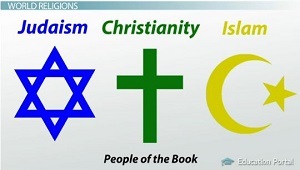
The belief in one god is called...
atheism
polytheism
monotheism
Buddhism

A Jewish church is called...
a synagogue
a mosque
a Torah
a rabbi

What is the Torah?
a Jewish church
a Jewish candle holder.
the place where the Hebrews put the 10 commandments
The most sacred text in Judaism
a place to store food surplus
one god on even days, multiple gods on odd days

How did the Nile River benefit Egyptians? (select all that apply)
fresh drinking water
floods destroyed homes and crops
floods provided silt
papyrus grew near the river
a waterway for transportation
How did Egyptians get water to their crops?
Plow
Chariot
Wagon
Irrigation

So they can be put on display
Because they wanted to be like Otzi
An Egyptian king. Also known as a living God.
Nomad
Ruler
Pharoah
Vizier
All are inventions that helped the Egyptians tell time except...
Obelisk
Papyrus paper
Water Clock
365-day calendar

A period of time when one family rules is called a......
monarchy
dynasty
kingdom
A ______________ is someone who rules for a child until the child is old enough to rule.
pharaoh
regent
guardian
parent

The life which much of Egyptian religion focused on was called the Afterlife
True
False

A series of rulers from the same family is called a ________________.
Dojo
Monarchy
Tribe
Dynasty

What was the title used by the rulers of Egypt called?
Monarch
King
Pharaoh
Emperor

They were the lowest class of people in ancient Egypt besides the servants and slaves. They were the _______?
Priests
Nobles
Farmers
Plebeians
Every (a) the Nile River would (b) . The floods brought (c) to the soil making it great for (d) .

The building of pyramids demonstrate a high level of knowledge in.....
machines
mathematics
baking
Put the social classes in order from highest to lowest
government officials
priests
scribes
artisans
peasants/farmers

Egyptian writing consisted of pictures called.....
Sanskrit
hieroglyphics
scribes

Which way does the Nile River flow?
north to south
south to north
east to west
west to east
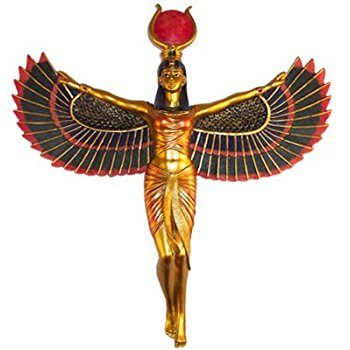
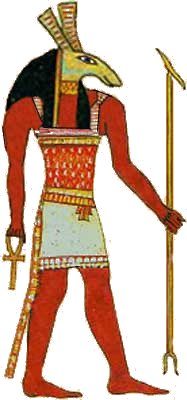
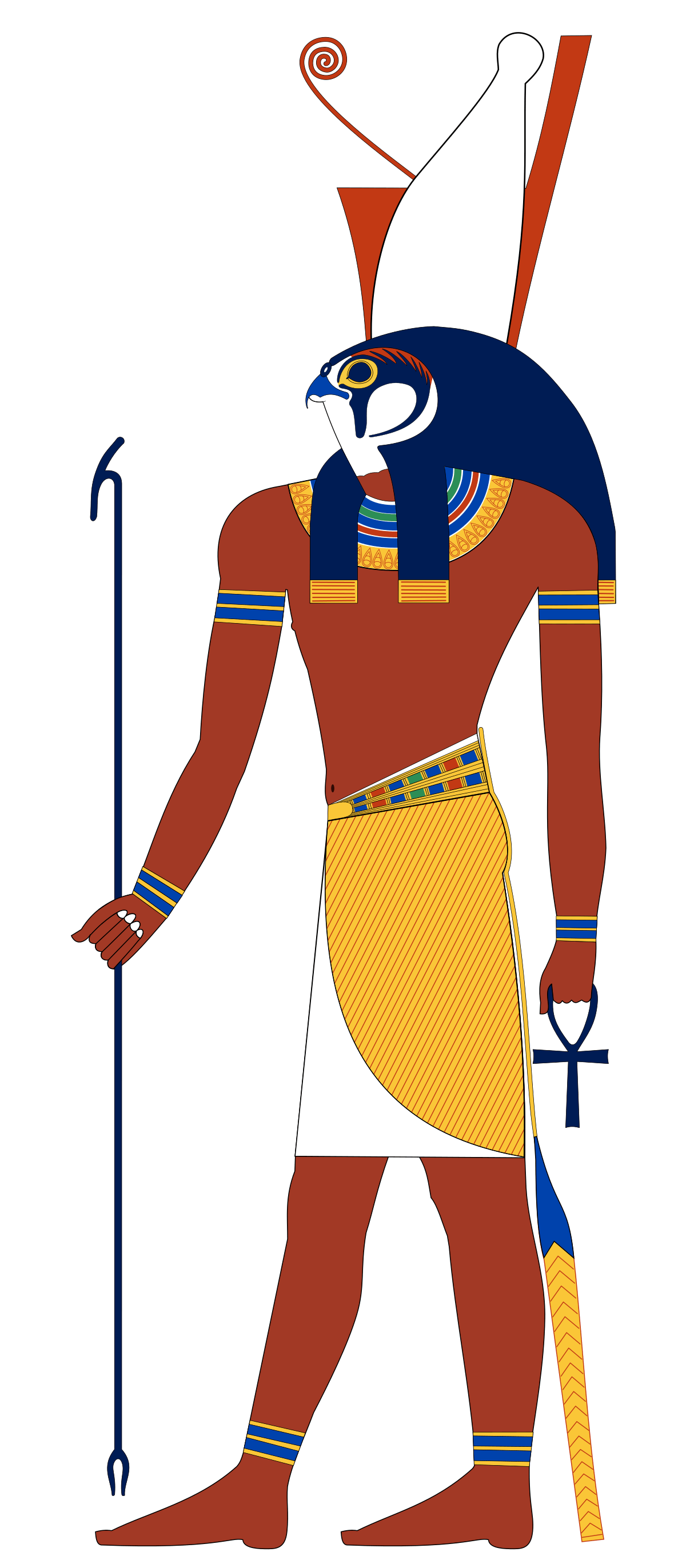
Ra


Who is this?
(a)