
Font size
 Worksheets
Symmetry and Polarity
Total questions: 22
Worksheet time: 22mins
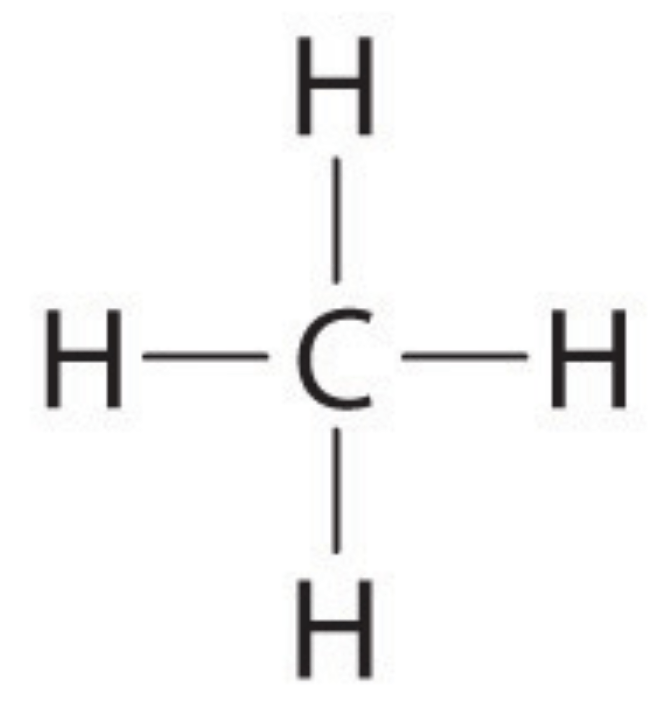
Why is the molecule nonpolar?
There are lone pairs on the central atom.
There are different types of elements bonded to the central atom.
There are no lone pairs on the central atom and all of the atoms bonded to the central atom are the same.

Why is the molecule polar?
The shape is bent and there are are lone pairs on the central atom.
There are different types of elements bonded to the central atom.
The molecule is symmetrical

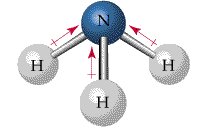
Why is the molecule polar?
There is a lone pair on the central atom and a high electronegative nitrogen pulling the electrons.
There are different types of elements bonded to the central atom.
The electronegativities of the hydrogens pull the electrons away from the nitrogen.

Why is the molecule polar?
The molecule is symmetrical and the hydrogens cancel out the pulling of the Fluorine
There are different types of elements bonded to the central atom. The F pulls the electrons.
There are no lone pairs on the central atom and all of the atoms bonded to the central atom are the same.

Why is the molecule nonpolar?
There are lone pairs on the central atom.
There are different types of elements bonded to the central atom.
There are no lone pairs on the central atom and all of the atoms bonded to the central atom are the same. (symmetrical)

Why is the molecule polar?
There is a lone pair on the central atom, creating a negative side to the molecule.
There are different types of elements bonded to the central atom.
There are no lone pairs on the central atom and all of the atoms bonded to the central atom are the same.

Why is the molecule polar?
There are lone pairs on the central atom.
There are different types of elements bonded to the central atom (not symmetrical)
There are no lone pairs on the central atom and all of the atoms bonded to the central atom are the same.

Why is the molecule nonpolar?
There are lone pairs on the central atom.
There are different types of elements bonded to the central atom.
There are no lone pairs on the central atom and all of the atoms bonded to the central atom are the same (symmetrical).
The attraction that an atom has for shared electrons in bonds is
electron affinity.
electronegativity.
electropositivity.
electromagnetism.
Excluding the Noble gas family, where on the Periodic Table are the elements with the highest electronegativity located?
upper right
lower right
upper left
lower left
When two atoms of the same nonmetal element bond together, they form a(n)
ionic bond.
nonpolar covalent bond.
polar covalent bond.
James Bond.
Polar molecules have
no charges.
slight positive and negative charges on opposite ends of the molecules.
only positive charges.
either positive or negative charges, but not both.


Use your knowledge and electronegativity sheet to predict what the following compound is classified as.
non-polar covalent
polar covalent
ionic
metallic
Use your knowledge and electronegativity sheet to predict what the following compound is classified as.
polar covalent
nonpolar covalent
ionic
metallic

Use your knowledge and electronegativity sheet to predict what the following compound is classified as.
nonpolar covalent
polar covalent
ionic
metallic

The molecule show would have a (a) shape, so it (b) be symmetrical, so it would be (c)


When electrons shared UNevenly
When one element gives electrons to another element
When electrons are shared evenly
Between a metal and non metal
Between diatomic elements
Between two DIFFERENT nonmetals
Involves positive and negative charges
Click on the more electronegative atom.

