wayground logo

Free Printable Worksheets

Font size

S
M
L
XL
Worksheets

SCIENCE DAILY REVIEW

Total questions: 200

Worksheet time: 2hrs 17mins

Name
Class
Date
1.

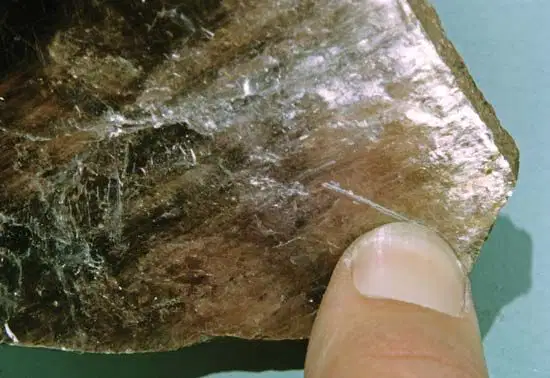
The rock is black.

a)

observation

b)

prediction

2.

The rock will break into thin sheets.

a)

observation

b)

prediction

3.

Which describes motion?

a)

The car weights 2,500 pounds

b)

The car is traveling 25 mph in a northward direction

c)

The car is black

d)

The car is made of metal, rubber, and plastic

4.

__________ is a force that opposes motion

a)

friction

b)

potential energy

c)

kinetic energy

d)

movement

5.

Friction creates:

a)

motion

b)

heat

c)

cold

d)

gravity

6.

Which does not have kinetic energy

a)

b)

c)

d)

7.

Which is NOT a conductor?

a)

b)

c)

d)

8.

Select all of the insulators.

a)

b)

c)

d)

9.

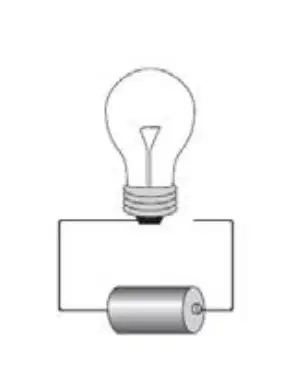
Choose all the circuits that will allow electric current to flow.

a)

b)

c)

d)

10.

A circuit with more than one pathway for electric current.

a)

series circuit

b)

parallel circuit

11.

When two objects rub against each other, negatively charged electrons build up and cause __________ electricity.

a)

current

b)

static

12.

Who discovered that lightning was a form of static electricity?

a)

Michael Faraday

b)

Ben Franklin

c)

Thomas Edison

d)

Aristotle

13.

An electromagnet will only pick up metal items when an electric current is running through the wire.

a)

true

b)

false

14.

Which pairs about plants match?

a)

roots / anchor plant

b)

leaves / make food

c)

flower / reproduction

d)

stem / makes food

e)

roots / absorb water and nutrients

15.

On some plants, the flower turns into a:

a)

fruit

b)

butterfly

c)

root

d)

stem

16.

Which pairs match?

a)

stamen / male

b)

stamen / female

c)

pistil / male

d)

pistil / female

17.
Part of a coral reef is shown. A coral reef is —
a)
a rock
b)
an ecosystem
c)
an ocean current
d)
an underwater cave
18.
To a brook trout, a stream would be its —
a)
niche
b)
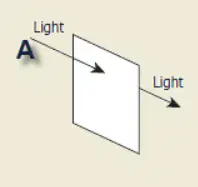
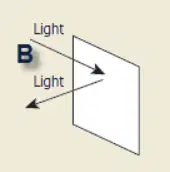
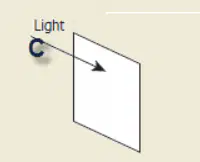
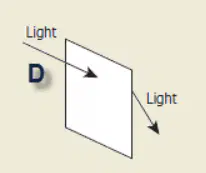
habitat
c)
community
d)
population
19.
To the blue crab, the open bay of the Chesapeake Bay region is its —
a)
niche
b)
habitat
c)
community
d)
population
20.
All of the populations of species in an area make up a —
a)
region
b)
niche
c)
family
d)
community
21.
A wild turkey’s forest community includes —
a)
insects
b)
rainfall
c)
soil
d)
wind
22.
Acorn barnacles are seashore animals found on rocks. They live 1 to 2 meters above low-tide level. These rocks are the acorn barnacles’ —
a)
ecosystem
b)
community
c)
food web
d)
habitat
23.
Which of the following best describes the living and nonliving parts of the diagram above?
a)
A niche
b)
A community
c)
An ecosystem
d)
A biome
24.
In a healthy ecosystem, many different species of animals may share the same habitat because they each have a different niche. An animal’s niche is best described as —
a)
the role it plays in its habitat
b)
where it is located
c)
its appearance
d)
its ability to reproduce
25.
Which of the following organisms provides energy for more than one organism in this food web?
a)
Bird
b)
Plant
c)
Fox
d)
Mouse
26.
Which shows one way that energy flows to birds in this food web?
a)
Rodents → insects → birds
b)
Insects → plants → birds
c)
Snakes → rodents → birds
d)
Plants → rodents → birds
27.
Based on the food web, which of these is a producer?
a)
Eagle
b)
Grass
c)
Rabbit
d)
Sparrow
28.
Which describes how energy passes through this food web?
a)
Salamanders get energy from snakes and mice.
b)
Acorns get energy from insects and pine trees.
c)
Mice get energy from salamanders and insects.
d)
Snakes get energy from salamanders and mice.
29.
In order for energy to flow through this food web from the sun to the yellow perch, the perch must —
a)
live in warmer areas of its habitat
b)
eat pond grass and algae
c)
go through the process of photosynthesis
d)
eat the valve snail or the mosquito larva
30.
From where does the energy for this ocean food chain come?
a)
Ocean waves
b)
The sun
c)
Whales
d)
Salt
31.
In this food web, which two organisms could be harmed if the mouse population were to decline?
a)
Deer and caterpillar
b)
Wolf and snake
c)
Oak and grass
d)
Hawk and songbird
32.
All of these are consumers EXCEPT a —
a)
butterfly
b)
wasp
c)
bullfrog
d)
tree
33.
A bird that dies benefits a tree by providing it with —
a)
minerals
b)
Carbohydrates
c)
water
d)
oxygen
34.
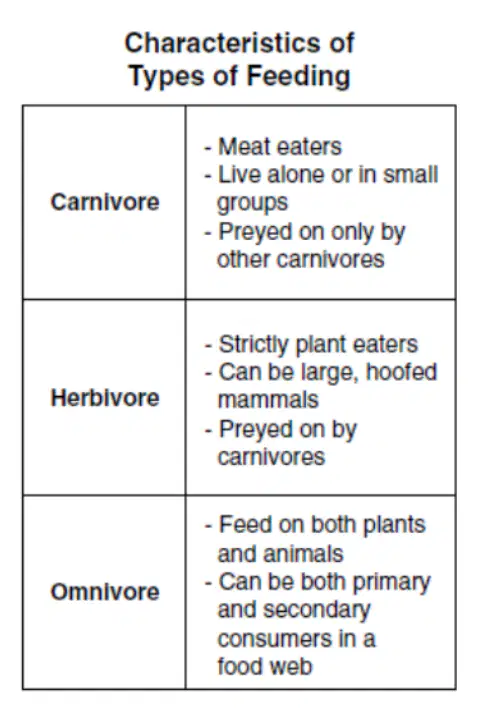
Based on this chart, which of these animals would be considered a herbivore?
a)
Grizzly bear
b)
Deer
c)
Lion
d)
Human being
35.
A tadpole is a plant-eating herbivore while a frog is an insect-eating carnivore. This means:
a)
Over its lifespan, the niche of the tadpole changes.
b)
Over its lifespan, the niche of the tadpole remains the same.
36.

When two or more blue jays live and interact in the same area, the blue jays are a(n)

a)

ecosystem

b)

population

c)

community

d)

single organism

37.

Decomposers break down dead things are return their ___________ to the food web.

a)

nutrients

b)

algae

c)

habitats

d)

protons

38.

Organisms that live in the same ecosystem and share the same need for resources must _____ for them

a)

compete

b)

share willingly

c)

interact

d)

change

39.

A ______ is always at the bottom of a food chain.

a)

consumer

b)

producer

c)

decompser

d)

snail

40.

Animals that help break down the dead organisms that fall to the ground are _____

a)

producer

b)

consumer

c)

decomposer

41.
Which of these is a function of a leaf?
a)
Carrying nutrients throughout the plant
b)
Converting sun’s energy into sugar
c)
Creating shade for the plant
d)
Absorbing water from the ground
42.
Which part of a sunflower plant absorbs water and nutrients?
a)
Roots
b)
Stems
c)
Leaves
d)
Flowers
43.
In a flower, what most likely happens when pollen from the stamen gets into the ovary?
a)
The plant dies.
b)
A seed develops.
c)
The flower closes.
d)
The sepals fall off.
44.
The two structures most plants use to gather nutrients and energy to live are —
a)
roots and leaves
b)
roots and flowers
c)
stems and roots
d)
stems and leaves
45.
What part of the flower produces pollen?
a)
ovary
b)
sepal
c)
pistil
d)
stamen
46.
The picture shows a sprouting bean plant. The leaf produced will help the plant by —
a)
absorbing water from the air for nourishment
b)
using sunlight for energy in food production
c)
reproducing more bean plants for survival of the species
d)
adding support for the plant as it grows taller
47.
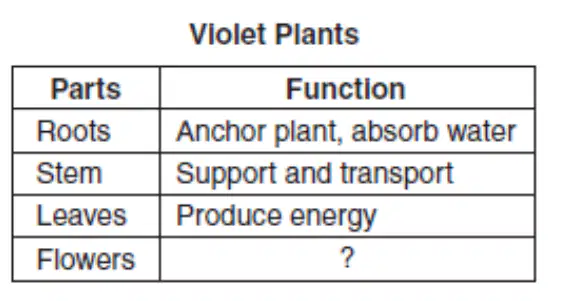
The table lists the parts of a violet plant and their functions. What is the function of violet flowers?
a)
Release oxygen
b)
Produce seeds
c)
Absorb sunlight
d)
Promote growth
48.
Pollen is produced in the —
a)
ovary
b)
pistil
c)
petal
d)
stamen
49.
Which of these is a main function of this plant’s roots?
a)
Making seeds
b)
Producing pollen
c)
Absorbing nutrients
d)
Storing chlorophyll
50.
Which of these plant parts forms the seeds?
a)
The stamen
b)
The pistil
c)
The sepals
d)
The petals
51.
What do plants take in through their root systems?
a)
Light
b)
Water
c)
Carbon dioxide
d)
Oxygen
52.
During pollination, pollen is transferred from a stamen to a –
a)
Petal
b)
Stem
c)
Sepal
d)
Pistil
53.
Which plant part develops into a fruit?
a)
Flower
b)
Stem
c)
Leaf
d)
Root
54.
Photosynthesis occurs in which of these organisms?
a)

Sunflower plant

b)

Mushroom

c)

Sunfish

d)

Luna moth

55.
Which of the following do plants need to make their own food?
a)
Flowers
b)
Bacteria
c)
Sunlight
d)
Oxygen
56.
The substance that makes plants green is known as —
a)
water
b)
calcium
c)
chlorophyll
d)
carbon dioxide
57.
Which of these is a process that allows plants to convert light energy into food energy?
a)
Reproduction
b)
Excretion
c)
Digestion
d)
Photosynthesis
58.
Why is photosynthesis important for plants?
a)
It collects sunlight which is used to make food for plants.
b)
It gets rid of plant waste products.
c)
It changes plant sugar into stronger chemicals.
d)
It helps attract insects to plant flowers.
59.

In which plant structure does photosynthesis occur?

a)

Stem

b)

Leaves

c)

Roots

d)

Flower

60.

In plant cells, chlorophyll is a green pigment that —

a)

acts as the cell’s control center

b)

enables plant cells to produce their own food

c)

allows materials to move into and out of the cell

d)

supports and protects the cell

61.
For the native birds and mammals of Virginia to survive, plant life must be conserved. What do plants provide directly to all animals?
a)
Oxygen
b)
Minerals
c)
Light
d)
Hydrogen
62.
Which gas is given off by plants?
a)
Hydrogen
b)
Nitrogen
c)
Oxygen
d)
Helium
63.
The wind helps many plants reproduce by —
a)
cooling the plants
b)
giving the plants moisture
c)
spreading the plants’ pollen
d)
strengthening the plants’ root systems
64.
Which of the following seeds is probably carried by animals?
a)
Maple
b)
Dandelion
c)
Milkweed
d)
Cocklebur
65.
Which of the following is a benefit that many flowering plants get from animals?
a)
Shelter from direct sunlight
b)
Seeds carried to new places
c)
Oxygen to use in photosynthesis
d)
Moisture to prevent wilting
66.

What is the food manufacturing process in plants?

a)

respiration

b)

chlorophyll

c)

glucose

d)

photosynthesis

67.
What are the 3 key ingredients needed for photosynthesis
a)
glucose, oxygen, carbon dioxide
b)
carbon dioxide, water, glucose
c)
water, soil, sunlight
d)
sunlight, water, carbon dioxide
68.

TRUE or FALSE: Plants make their own food and use the energy from the food that is made.

a)

True

b)

False

69.

What are the functions of the roots? (Select two answers)

a)

Absorbing Water and Minerals

b)

Attracting Insects

c)

Anchoring the Plant

d)

Performing Photosynthesis

e)

Making Nectar

70.
What part of the plant is #1?
a)
flower
b)
stem
c)
root
d)
leaf
71.

What part of the plant is #2?

a)
flower
b)
stem
c)
root
d)
leaf
72.

What part of the plant is #3?

a)
flower
b)
stem
c)
root
d)
leaf
73.

What part of the plant is #4?

a)
flower
b)
stem
c)

roots

d)
leaf
74.
To describe this car’s motion, a student should use its —
a)
direction and speed
b)
mass and volume
c)
speed and color
d)
volume and direction
75.
An object is traveling north at a speed of 12 kilometers per hour. Which characteristic of the object is being described?
a)
Matter
b)
Motion
c)
Volume
d)
Temperature
76.
Two moving boats are photographed from above at 3:00 p.m. and 3:15 p.m. Which statement correctly compares their motion?
a)
They are traveling in the same direction at equal speeds.
b)
They are traveling in opposite directions at equal speeds.
c)
They are traveling in the same direction, and boat 2 has a greater speed.
d)
They are traveling in opposite directions, and boat 2 has a slower speed.
77.
A person pushes a box as shown. What is the push most likely to change?
a)
The size of the box
b)
The mass of the box
c)
The color of the box
d)
The position of the box
78.
What kind of energy do all moving objects have?
a)
Light energy
b)
Solar energy
c)
Kinetic energy
d)
Renewable energy
79.
Which labeled part in this picture has evidence of kinetic energy?
a)
1
b)
2
c)
3
d)
4
80.
A student throws a ball. Which of these best describes the moving ball?
a)
The ball has light energy.
b)
The ball has kinetic energy.
c)
The ball is transferring sound energy to the air.
d)
The ball is transferring light energy to the air.
81.

Which of these has kinetic energy?

a)

b)

c)

d)

82.

Which of these best shows kinetic energy?

a)

b)

c)

d)

83.
When a coin is dropped, it falls to the ground. As the coin falls, it loses potential energy and gains what kind of energy?
a)
Kinetic
b)
Chemical
c)
Electrical
d)
Solar
84.
The box would be easier to move if the surface of the ramp was smoother because there would be less —
a)
mass in the box
b)
friction opposing the box
c)
gravity pulling on the box
d)
distance to push the box
85.

Which roller coaster will not have enough kinetic energy at the bottom of the first hill to carry the car over the second hill?

a)

b)

c)

d)

86.
A student rolls a ball on the ground. Which of these causes the ball to slow down and then stop?
a)
The motion of the ball
b)
The speed of the ball
c)
Friction from the ground
d)
A magnetic field
87.
A bicyclist rides on a flat road and then stops pedaling but does not apply the brakes. The bicycle stops because of —
a)
balance
b)
friction
c)
attraction
d)
magnetism
88.
Useful friction is created by the —
a)
gears
b)
curved handlebars
c)
spokes
d)
brakes
89.

You would need (a)   to move a soccer ball.

Choose from the below words
friction
force
gravity
inertia
90.

(a)   would require the most amount of energy, or force, to set it into motion.

Choose from the below words
A small plant
A refrigerator
A school bus
A bowling ball
91.

Your friend kicks a soccer ball, and it stops a few feet from you. What needs to happen to it in order for it to return to your friend?

a)
Friction has to be applied to the b
b)
Inertia has to be applied to the ba
c)
Speed has to be applied to the ball
d)
Force has to be applied to the ball
92.

_______ is the relationship between heavy objects and inertia.

a)
Heavy objects have more inertia.
b)
Heavy objects have less inertia.
c)
Heavy objects have no inertia.
d)
Only heavy objects have inertia.
93.

(a)   is NOT using a force.

Choose from the below words
A man pushing a shopping cart
A dog playing tug-of-war with rope
A cat sleeping on the couch
An eagle carrying a fish it caught
94.

The object that is in motion is (a)   .

Choose from the below words
a video of a car moving
a ball rolling down the hill
a rock on a ledge
a potato on the table
95.

(a)   is an example of work.

Choose from the below words
Reading your science book
Riding in the car
Pushing a car that won't move
Pushing a shopping cart
96.

Friction is NOT helpful when (a)   .

Choose from the below words
When using wax on skis to easily ski
Short grass on a soccer field
Wearing socks and slipping down the stairs
97.

The distance an object can travel in a specific amount of time is its (a)  

Choose from the below words
motion
position
speed
inertia
98.

(a)   describes the energy transformation in this picture.

Choose from the below words
Potential to Kinetic
Kinetic to Potential
No transformation - it's all potent
No transformation - it's all kineti
99.

Energy that is stored is called (a)  

Choose from the below words
Kinetic Energy
Potential Energy
100.

At point is potential energy greatest.

a)
W
b)
X
c)
Y
d)
Z
101.

What kind of energy does a rock have on the edge of a cliff?

a)
Potential
b)
Kinetic
102.

Objects in motion tend to stay in ______ and objects at rest tend to stay at ________

a)

motion, rest

b)

rest, motion

c)

motion, motion

d)

rest, rest

103.

Energy, like matter, can be neither _________ or __________!

a)

created, destroyed

b)

destroyed, created

c)

created, created

d)

eaten or swallowed

104.

The more _______ an object has, the less effect a given force will have on that object

a)

mass

b)

light

c)

small

d)

heavy

105.
Which of these best completes the circuit?
a)
Rubber band
b)
Metal nail
c)
Leather shoelace
d)
Wooden toothpick
106.
Which of these materials is a good conductor of electricity?
a)
Rubber
b)
Glass
c)
Metal
d)
Newspaper
107.
Electric lights will not come on unless their electrical circuit is a —
a)
parallel circuit
b)
series circuit
c)
closed circuit
d)
short circuit
108.
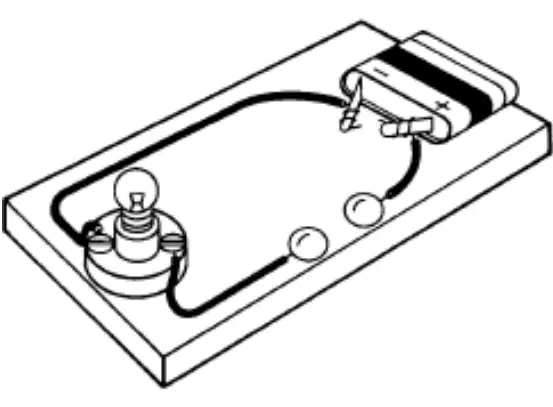
A fifth-grade class constructed this circuit. Which of these objects most likely made the light glow when connected to points X and Y?
a)
Plastic straw
b)
Cotton string
c)
Aluminum foil
d)
Rubber eraser
109.

A class prepared some electric circuits using battery, connecting wires, and three light bulbs. Which of these circuits can make the three bulbs light?

Hint: You have to look very closely

a)

b)

c)

d)

110.
Which of these substances conducts electricity the best?
a)
Wood
b)
Brick
c)
Copper
d)
Plastic
111.
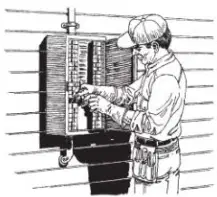
The electrician in this picture is wearing rubber gloves for protection. The purpose of the rubber gloves is to —
a)
keep the electrician dry
b)
create an electrical circuit
c)
produce electricity
d)
insulate the electrician
112.
What material would be safest to use as an insulator to cover electrical wires?
a)
Aluminum
b)
Tin
c)
Rubber
d)
Water
113.
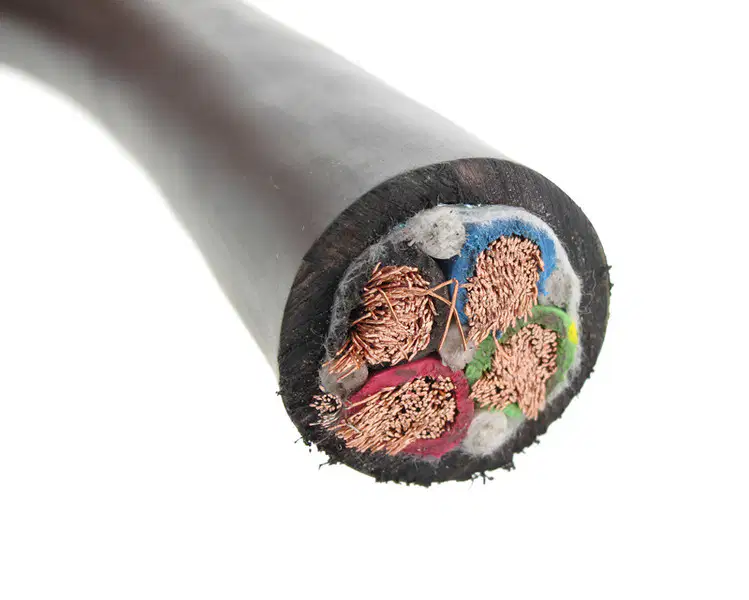
Copper wire is often wrapped in plastic. Plastic material is a good —
a)
electromagnet
b)
Insulator
c)
circuit
d)
current
114.
Many electrical wires are wrapped with a plastic coating because plastic is —
a)
less expensive than steel
b)
more dense than copper
c)
able to keep its shape
d)
a good insulator
115.
This instrument can be used to see if materials conduct electricity. Which of these groups contains items that could all conduct electricity to complete the circuit?
a)
Rubber ball, plastic comb, nail
b)
Paper clip, penny, screw
c)
Cork, dollar bill, tweezers
d)
Pencil, eraser, spoon
116.
Early scientists most likely saw a discharge of electricity for the first time when observing a —
a)
waterfall
b)
rainbow
c)
lightning storm
d)
volcano erupting
117.
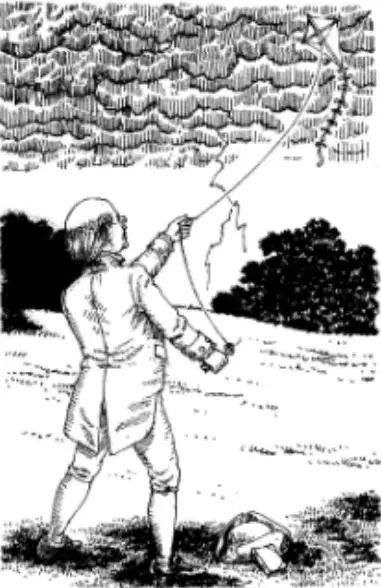
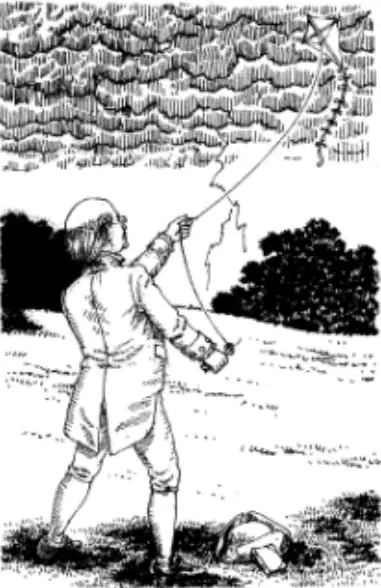
Benjamin Franklin conducted this famous experiment that showed lightning was —
a)
a movement of air molecules
b)
a magnetic field
c)
an electrical discharge
d)
a glowing chemical
118.
Benjamin Franklin discovered the form of energy produced by lightning. Experiments with lightning killed many people before he discovered that lightning is a form of —
a)
gravity
b)
water
c)
magnetism
d)
electricity
119.
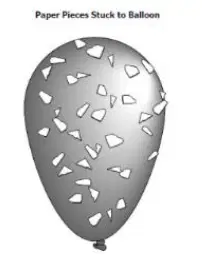
Bits of paper are attracted to the surface of this balloon. What attracts the paper pieces to the balloon?
a)
Friction
b)
Magnetism
c)
Potential energy
d)
Static electricity
120.
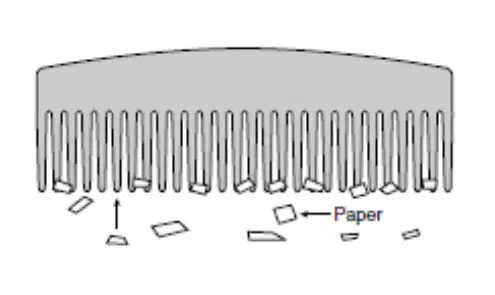
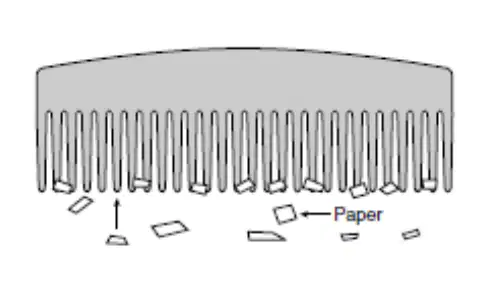
A comb is rubbed with a piece of wool fabric and placed next to some scraps of paper. The paper moves toward the comb. The movement of the paper is caused by —
a)
chemical energy
b)
magnetic attraction
c)
mechanical energy
d)
static electricity
121.
The picture shows a comb that was used on a cold, dry day. Which of these cause the bits of paper to be attracted to the comb?
a)
Magnetic forces
b)
Chemical reactions
c)
Static electricity
d)
Heat differences Electromagnetism
122.

Organize these options into the right categories

Categorize the following

rubber

plastic

glass

wood

copper

water

wire

most metals
Insulators
Conductors
123.
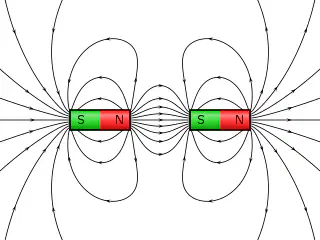
A bar magnet is placed on a table, and a sheet of blank paper is placed over the magnet. What could be sprinkled on the paper to show the magnetic field of the bar magnet?
a)
Salt
b)
Iron filings
c)
Sand
d)
Soil
124.
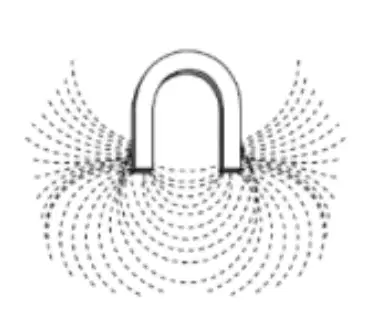
In this picture, the iron filings show the shape of the magnetic —
a)
axis
b)
core
c)
field
d)
Pole
125.
To make an electromagnet, a conductor should be coiled around —
a)
a glass tube
b)
an iron nail
c)
a roll of paper
d)
a wooden stick
126.
Michael Faraday showed how electric current in a wire produces —
a)
molecules
b)
chemicals
c)
a vibration
d)
a magnetic field
127.
The magnetic fields of any magnet are greatest —
a)
around the middle
b)
around the poles
c)
around only the south pole
d)
around only the north pole
128.
Which of these can most easily produce magnetic fields?
a)
Sunlight
b)
Wind
c)
Electricity
d)
Flowing water
129.
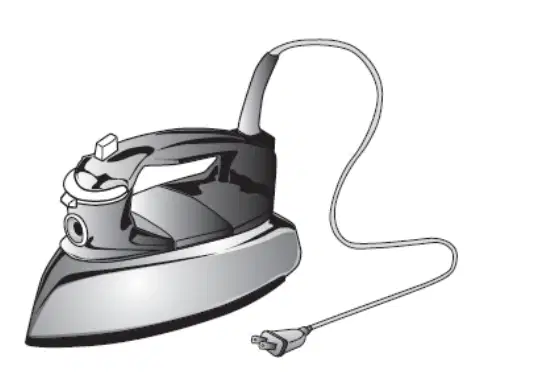
Which energy transformation most likely occurs in a steam iron?
a)
Electrical energy changes to heat energy.
b)
Electrical energy changes to sound energy.
c)
Mechanical energy changes to heat energy.
d)
Mechanical energy changes to light energy.
130.
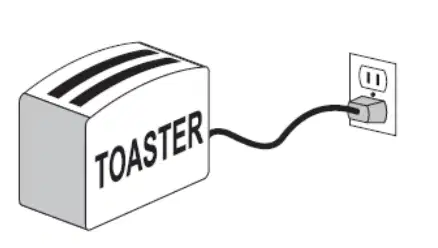
Which form of energy is being used by the toaster?
a)
Chemical
b)
Electrical
c)
Solar
d)
Nuclear
131.
The energy used to move most bicycles is an example of what type of energy?
a)
Electrical
b)
Mechanical
c)
Chemical
d)
Nuclear
132.
Which form of energy is best shown in this picture?
a)
Mechanical
b)
Electrical
c)
Chemical
d)
Nuclear
133.
Which item is designed to change electrical energy into heat energy?
a)
Alarm clock
b)
Hand dryer
c)
Fan
d)
Telephone
134.

An electric motor is designed to turn electrical energy into —
a)
solar energy
b)
potential energy
c)
static electricity
d)
mechanical energy
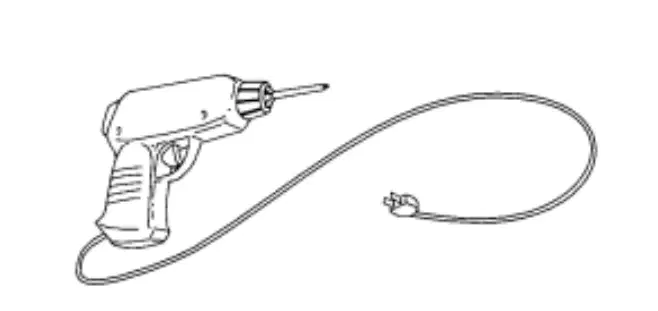
135.
When in operation, this tool transforms electrical energy mostly into —
a)
chemical energy
b)
solar energy
c)
sound energy
d)
mechanical energy
136.
An electric circuit is a closed loop or pathway that allows electric charges to flow.
a)
True
b)
False
137.

In the picture, what is the main energy being produced PRODUCED?
a)
Mechanical
b)
Electrical
c)
Sound
d)
Light
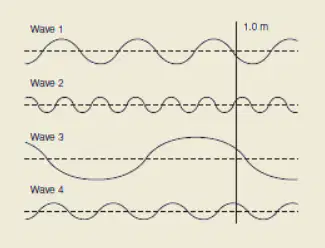
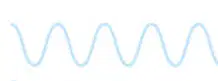
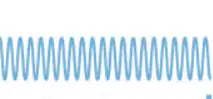
138.
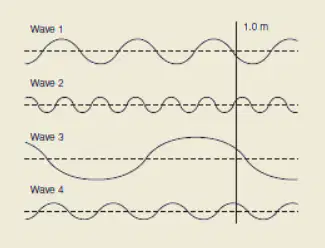
Which of the following waves has the longest wavelength?
a)
wave #1
b)
wave #2
c)
wave #3
d)
wave #4
139.
Which of the following waves has the shortest wavelength?
a)
wave #1
b)
wave #2
c)
wave #3
d)
wave #4
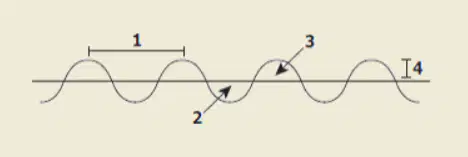
140.
Which number on the diagram represents “wavelength?”
a)
1
b)
2
c)
3
d)
4
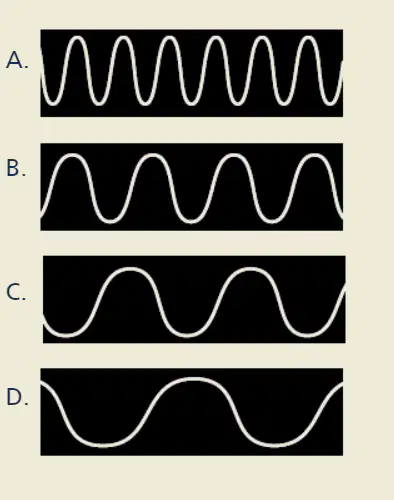
141.
Which diagram shows the wave with the highest frequency?
a)
A
b)
B
c)
C
d)
D
142.
Which of these does not emit (give off) light waves?
a)

campfire

b)

sun

c)

lightbulb

d)

moon

143.
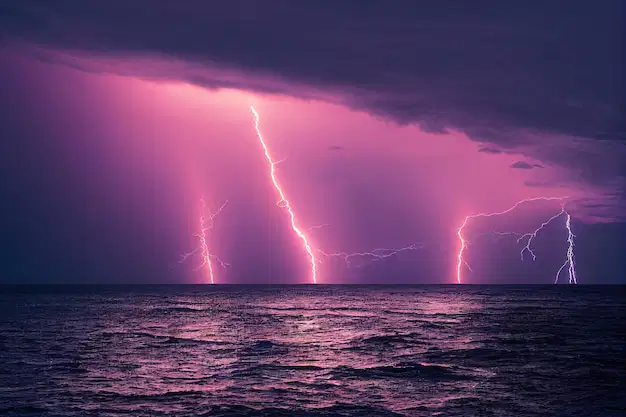
A person will see a flash of lightning before they hear the thunder that goes with it because:
a)
the eye is quicker than the ear
b)
the thunder occurs much later than the lightning
c)
sound travels faster through the atmosphere than light
d)
light travels faster through the atmosphere than sound
144.
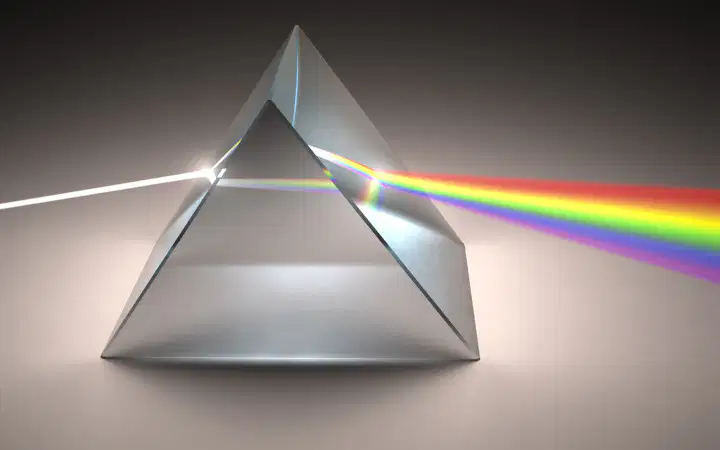
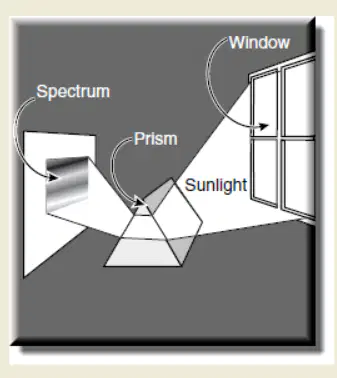
By passing white light through a prism, you can tell:
a)
that white light is actually a mixture of different colors
b)
the mass of the prism
c)
the original source of the light
d)
that blue light is brighter than white light
145.
Which of the following is the best observation of the refraction of light?
a)
looking at oneself in the mirror
b)
looking at the shadow of an object
c)
viewing an object through an open window
d)
viewing an object partially in water
146.
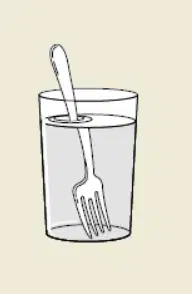
Which explains why the fork looks different underwater?
a)
light is refracted at an angle
b)
the wavelength of light lengthens
c)
light cannot pass through the glass
d)
the amount of light increases when going through the water
147.
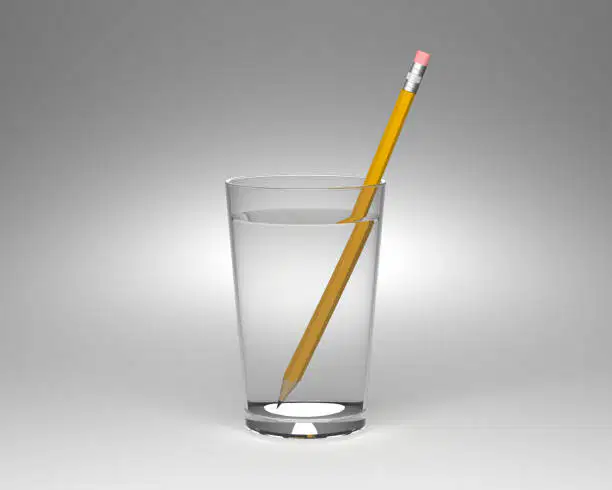
Students place a pencil in a glass of water as shown. The pencil in the water looks broken because:
a)
water can dissolve pencils
b)
water is colder than air
c)
light bends when it enters the water
d)
light is absorbed when it hits the glass
148.
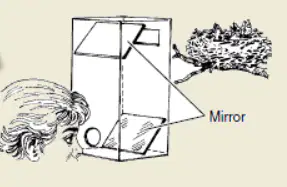
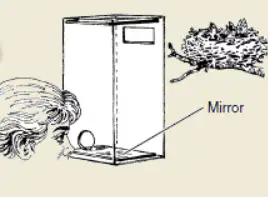
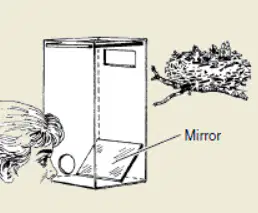
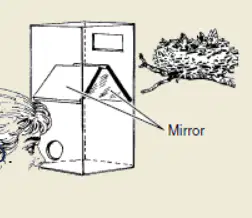
A periscope works by using the reflection of mirrors. Tama made several periscopes for watching baby birds in a nest. Which periscope will work?
a)

b)

picture 2

c)

picture 3

d)

picture 4

149.
When light hits an object, the rays can pass through it, bounce off it, or be absorbed by it. Light rays that bounce back are:
a)
radiant
b)
reflected
c)
refracted
d)
radar
150.
Which of the following materials is transparent?
a)
clear window glass
b)
your eyelids
c)
solid wood door
d)
white paper
151.
Which of these objects is opaque?
a)
a brick wall
b)
eyeglass lenses
c)
liquid water
d)
stained glass window
152.
Which of these objects is translucent?
a)
a student’s notebook
b)
a mirror on the bus
c)
a brick wall of the school
d)
a student’s sunglasses lens
153.
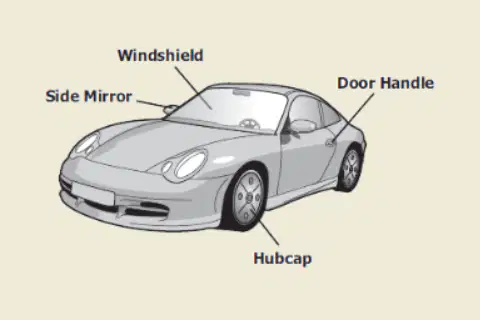
Which part of an automobile is transparent?
a)
door handle
b)
side mirror
c)
hubcap
d)
windshield
154.
Which of these show how light acts when it hits a mirror?
a)

b)

c)

d)

155.
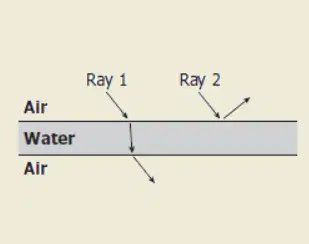
Two flashlights are turned on. The light rays they create are shown in the diagram. These light rays best illustrate that:
a)
both rays are reflected
b)
both rays are refracted
c)
Ray 1 is reflected and Ray 2 is refracted
d)
Ray 1 is refracted and Ray 2 is reflected
156.
Which object helps people understand what makes up white light?
a)
barometer
b)
prism
c)
microscope
d)
thermometer
157.
A shiny aluminum screen can be placed on the windshield of a parked car. This screen helps to keep the car cool because it:
a)
reflects the sunlight
b)
absorbs heat
c)
causes evaporation
d)
conducts electricity
158.
Which of the following would reflect rather than refract light?
a)
magnifying glass
b)
mirror
c)
prism
d)
lens
159.
The picture shows a study that Isaac Newton made with a prism to produce a spectrum. Newton’s discovery led most directly to an understanding of the cause of:
a)
x-rays
b)
spots
c)
rainbows
d)
starlight
160.

Light is a form of ​ (a)   .

Choose from the below words
radiant energy
electrical energy
sound energy
161.

Choose the location on the picture that represents the color with the LONGEST wavelength.

162.

Choose the location on the picture that represents the color with the SHORTEST wavelength.

163.

Chose the spot on the picture that represents the type of light that doctors use to see you bones.

164.

Chose the spot on the picture that represents the type of light that gives you a sunburn.

165.

Chose the spot on the picture that represents the type of light that you feel as heat.

166.

Chose the spot on the picture that represents the type of light that is the most dangerous.

167.

Solar panels transform sunlight (radiant energy) into ​ (a)   energy that we can use in our houses and businesses.

Choose from the below words
electrical
kinetic
168.

Organize these options into the right categories

Categorize the following

b

Transparent
Translucent
Opaque
169.

Which material will sound travel through the fastest?

a)

Water

b)

Air

c)

cloth

d)

steel

170.
Sound waves travel best through:
a)

gasses

b)

solids

c)

liquids

d)

vacuums

171.
Which of these makes a sound with the slowest vibration?
a)

drum

b)

flute

c)

whistle

d)

harmonica

172.
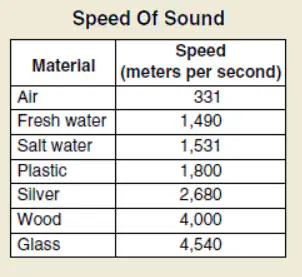
According to the table, sound travels fastest through material that: (a)  
Choose from the below words
can easily evaporate
has no definite shape
has particles that are close together
has particles that move quickly
173.
Which of these transmits sound the fastest?
a)

water in a pool

b)

a metal rod

c)

air in a balloon

d)

empty space

174.
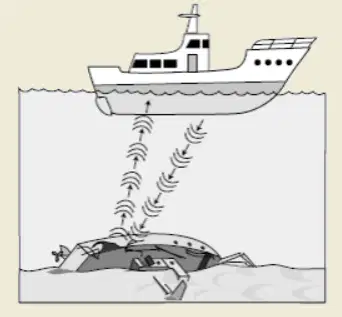
Which technique is the boat using to find the distance from the surface of the ocean to the bottom?
a)
morse code
b)
radar
c)
sonar
d)
sound tracking
175.
Sonar helps people find out which information about an object?
a)
color
b)
weight
c)
location
d)
temperature
176.
Sound is a form of mechanical energy that is transmitted in the form of:
a)
waves
b)
heat
c)
light
d)
electron
177.
During a thunderstorm, you see the lightning before you hear the thunder. This is because:
a)
light has a greater mass than sound
b)
sound has longer wavelengths than sound
c)
light travels faster than sound
d)
light and sound travel at the same speed
178.
A high soprano singer can break a crystal glass if the glass resonates with her voice. In order to do this, the sound the singer makes has to be:
a)
speeded up before reaching the glass
b)
amplified before reaching the glass
c)
reflected off the glass
d)
able to vibrate the glass
179.
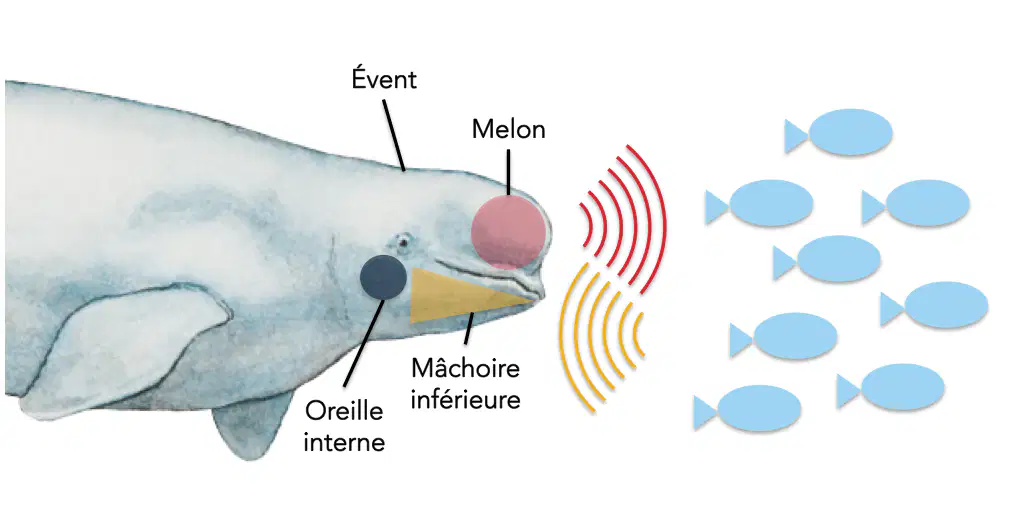
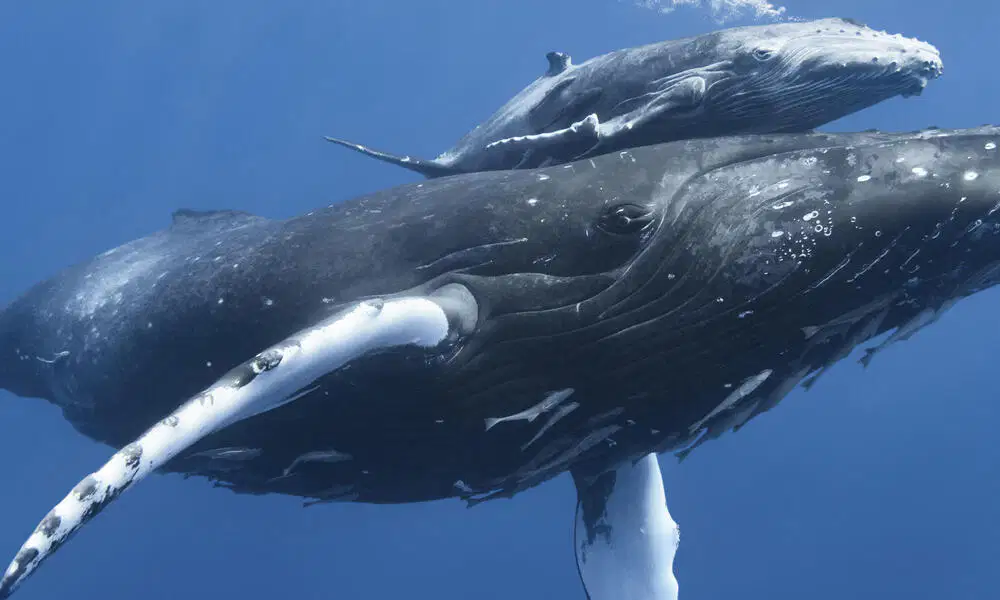
How is the use of sound waves helpful to this whale?
a)
It helps the whale locate food
b)
it makes the water warmer
c)
It makes it easier to obtain oxygen
d)
It signals fish to move out of the whale’s way
180.
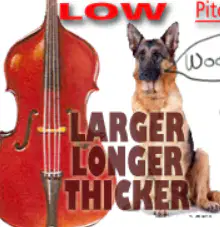
Larger, longer, and thicker objects vibrate more slowly. Therefore, they have a lower:
a)
volume
b)
pitch
c)
reflection
d)
resonance
181.
Sound waves must have a medium to travel through. This medium can be solid, liquid, or gas. In a ______ there is no medium for sound to travel through.
a)
vacuum
b)
cave
c)
echolocation
d)
rock
182.
Sound must have a substance to travel through. This substance can be solids, liquids, or gasses. The substance a sound is traveling through is called the:
a)
vacuum
b)
medium
c)
source
d)
frequency
183.
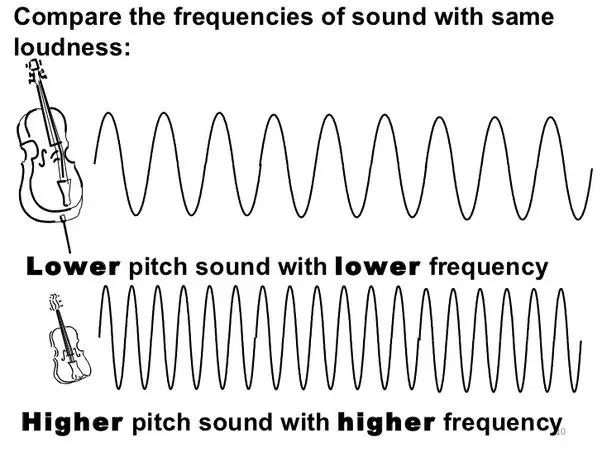
Objects vibrating more rapidly will have ___________ than those vibrating more slowly.
a)
a lower pitch
b)
a higher pitch
c)
the same pitch
d)
a louder volume
184.
Objects vibrating more slowly will have ____________ than those vibrating more quickly.
a)
a lower pitch
b)
a higher pitch
c)
the same pitch
d)
a louder volume
185.
How does the frequency of a sound wave affect its pitch?
a)
Higher frequency, lower pitch
b)
Lower frequency, higher pitch
c)
Higher frequency, higher pitch
d)
Both a and b
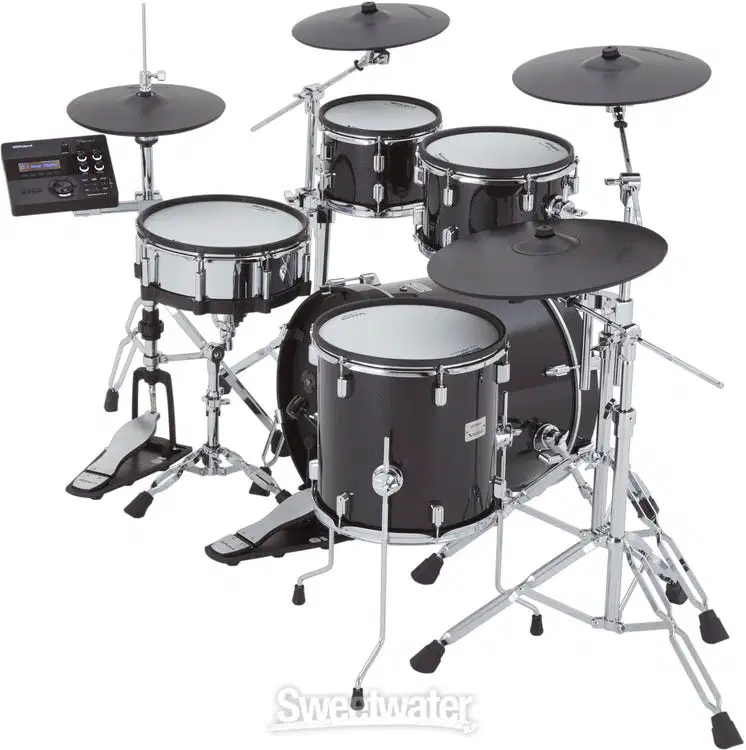
186.
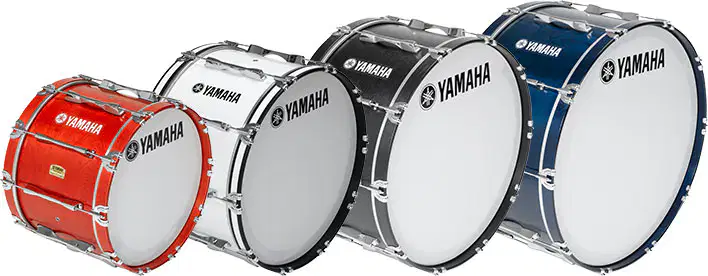
Which drum would have a higher pitch?
a)

the red drum

b)

the white drum

c)

the back drum

d)

the blue drum

187.

Which drum would have a lower pitch?

a)

the red drum

b)

the white drum

c)

the back drum

d)

the blue drum

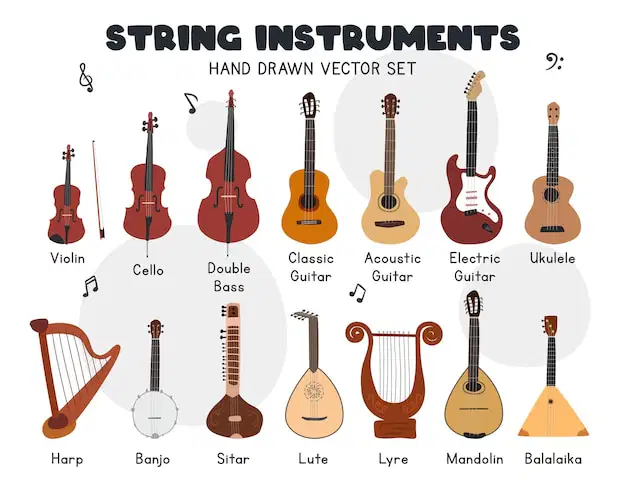
188.
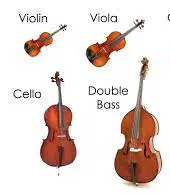
Which stringed instrument would have a lower pitch?
a)

violin

b)

viola

c)

cello

d)

double bass

189.

Which stringed instrument would have a higher pitch?

a)

violin

b)

viola

c)

cello

d)

double bass

190.
Which animals cannot hear higher frequency sounds than humans?
a)

bats

b)

whales

c)

dogs

d)

elephants

191.
Which type of musical instruments must you hit a stretched piece of material to create vibrations?
a)

woodwinds

b)

horns

c)

stringed instruments

d)

percussion

192.

Match the following

a)

1.

lowest frequency sound wave

b)

2.

highest frequency sound wave

c)

3.

middle frequency sound wave

193.

Match the following

a)

1.

Percussion

(hit, strike, bang)

b)

2.

Woodwind

(blow)

c)

3.

Stringed

(pluck, strum)

d)

4.

Brass Horns

(blow)

194.

Which type of musical instruments must you pluck a string to create vibrations?

a)

woodwinds

b)

horns

c)

stringed instruments

d)

percussion

195.
Blowing through a straw will produce a sound. Which straw will make the highest pitch?
a)
Choice A
b)
Choice B
c)
Choice C
d)
Choice D
196.

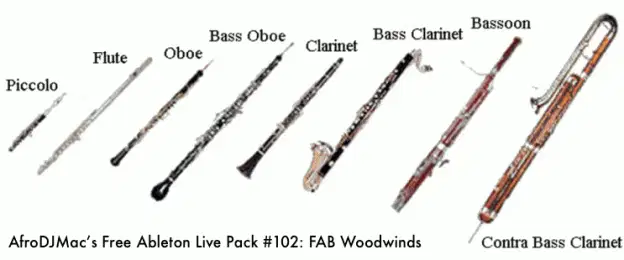
Which of the following pipes on the instrument above most likely has the highest pitch when air is blown through it?

a)

A

b)

B

c)

C

d)

D

197.

Sound is a form of ______ energy made by ______ matter.

a)

Thermal, vibrating

b)

Radiant, oscillating

c)

Mechanical, vibrating

d)

Mechanical, echoing

198.

A back and forth motion of an object

a)

Vibration

b)

Oscillation

c)

Compression

d)

Rarefaction

199.

For you to hear sound, what is the correct order of the three events that must take place? Indicate the order by sorting the cards into their correct order of what must happen first, second, third.

a)

An object vibrates to make a sound.

b)

Air particles vibrate as sound moves through the air.

c)

Your eardrum vibrates when the sound wave reaches it
1)
2)
3)
200.

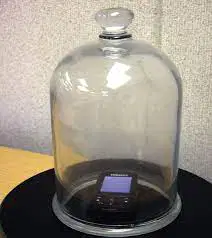
A teacher placed a cell phone in a special glass container called a “bell jar”, as shown on the picture. Then, she removed all air particles out of the jar, using a pump. Complete the sentence below to explain what would happen if someone calls this phone.

"The phone will ____________________ because _________________________."

a)

ring at a higher pitch;

the air particles have more energy

b)

ring at a lower pitch;

there are no air particles to silence it

c)

will not make a sound;

there are no air

d)

ring at a regular pitch;

there are no air particles to transfer energy