
 Worksheets
Enlightenment
Total questions: 10
Worksheet time: 10mins

French Enlightenment philosopher who strongly believed in freedom of speech and religion
Voltaire
Denis Diderot
Mary Wollstonecraft
John Locke

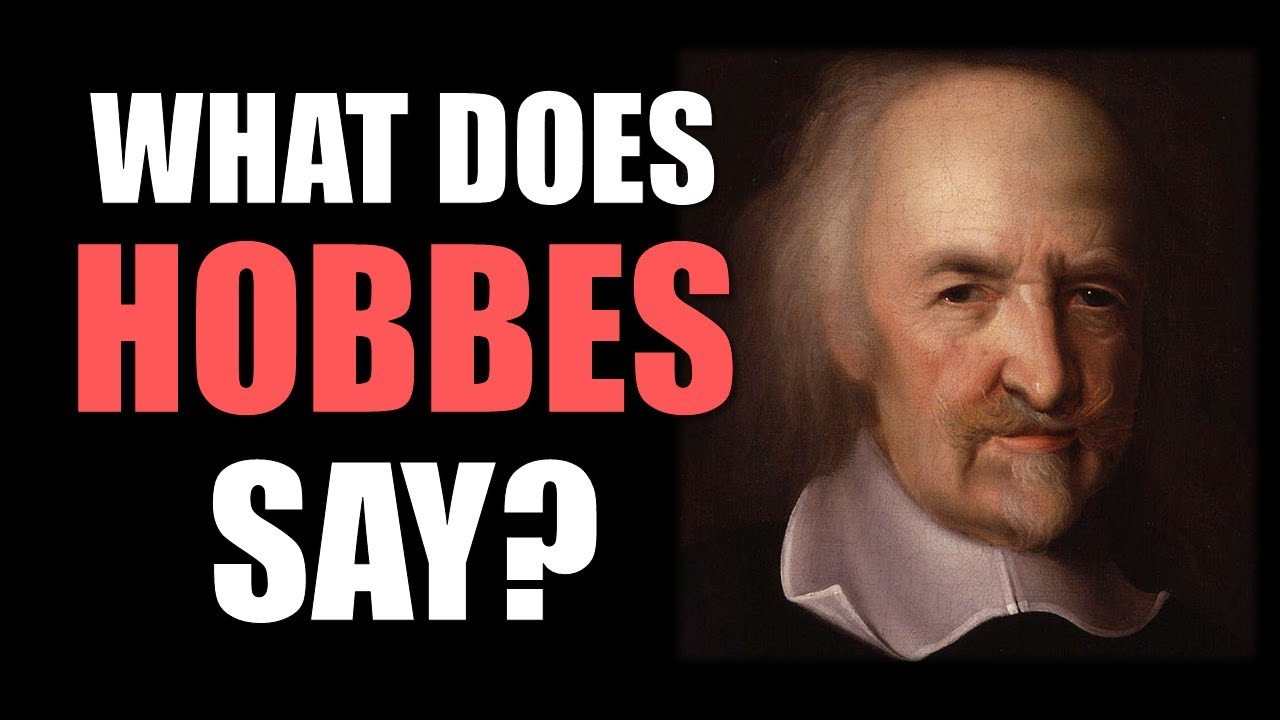
How did Hobbes view human nature?
We are inquisitive and industrious.
We are naturally selfish and quick to fight.
We are naturally ignorant
We are naturally kind and helpful to others
According to what you have learned, who said women should be treated as equal as men?
Hillary Clinton
Barbara Walters
Mary Wollstonecraft
Voltaire
. . . reason, which is that law teaches all mankind, who would but consult it, that being all equal and independent, no one ought to harm another in his life, health, liberty, or possessions.
John Locke, Two Treatises on Civil Government, 1689
Which concept of the Enlightenment would the passage most likely support?
Truth can be discovered through reasoning and logic.
Humankind can and should improve over time.
People have a right to equality and freedom.
What is natural is also reasonable.
How are the Renaissance and the Enlightenment similar?
produced major cultural changes
limited technological advancements
encouraged traditional values
ignored individual achievements
John Locke believed in natural rights. What are the "big 3?"
Liberty
Life
Voting
Food
Property
This philosopher's masterful use of satire got him into frequent trouble with the clergy, the aristocracy, and the government of France. Despite serving two prison terms and being exiled, he never stopped fighting for tolerance, reason, freedom of religion, and freedom of speech.
Volatire
Rousseau
Montesquieu
Locke

