
Font size
 Worksheets
Atmosphere Review
Total questions: 52
Worksheet time: 31mins

What happens to temperature as you go from Troposphere to Stratosphere?
Temperatures increase as you go up
Temperatures decrease as you go up
What is one way the troposphere and the mesosphere are alike?
Weather occurs in both
The thickness of the layers is the same
Both layers have a layer of ozone near the top
It gets colder as you go up
Which layer has the highest air pressure?
Troposphere
Stratosphere
Mesosphere
Thermosphere
Exosphere
These global winds blow from 30 degree latitude to the equator.
Polar Easterlies
Westerlies
Tradewinds
Doldrums
This is the area around the equator where there is very little wind because of the warm, rising air creating an area of low pressure.
Polar Easterlies
Westerlies
Tradewinds
Doldrums
These global winds blow from the poles to about 60 degree latitude.
Polar Easterlies
Westerlies
Tradewinds
Doldrums
These global winds are in the area that we live in. They blow from 30 degrees latitude to about 60 degrees latitude.
Polar Easterlies
Westerlies
Tradewinds
Doldrums
Local geographic features such as shorelines or mountain ranges creates these types of winds.
global winds
polar easterlies
local winds
coriolis effect
The lowest pressure on Earth is found here.
poles
30 degree latitude
60 degree latitude
equator
The air we breathe is mostly
oxygen
carbon dioxide
ozone
nitrogen
Wind occurs because of differences in
latitude
air pressure
nitrogen levels
humidity
What causes differences in air pressure on Earth?
differences in temperature
differences in oxygen levels
differences in humidity
differences in hydrogen levels
The apparent curving of the path of winds and ocean currents due to the Earth's rotation.
Scullion Effect
Coriolis Effect
TF Effect
Madonna Effect
The transfer of heat as electromagnetic waves.
convection
conduction
radiation
This layer of the atmosphere contains the ozone layer.
troposphere
stratosphere
mesosphere
thermosphere
This is the layer of the atmosphere that is extremely cold and causes meteorites to burn up and appear to be shooting stars.
troposphere
stratosphere
mesosphere
thermosphere
This sub layer is found in the thermosphere and is responsible for the aurora borealis.
troposphere
exosphere
ionosphere
mesosphere
The atmosphere is divided into layers based primarily on
temperature differences
density differences
air pressure differences
weather differences
Which of the following is NOT a greenhouse gas?
carbon dioxide (CO2)
tropospheric ozone (O3)
nitrous oxide (N2O)
water vapor (H2O)
nitrogen gas (N2)
Place the layers of the atmosphere in order from left to right, starting with the layer closest to the surface of the Earth.
Troposphere
Stratosphere
Mesosphere
Thermosphere
Exosphere
Match the different descriptions to each layer of the atmosphere
Troposphere
Contains clouds, water vapor, CO2,
Stratosphere
Contains the ozone layer
Mesosphere
Coldest layer of atmosphere
Thermosphere
Hottest layer, contains ionosphere
Exosphere
Thinnest layer of the atmosphere
The _______________ is caused when the circulation of the atmosphere is affected by the rotation of the Earth on its axis.
Coriolis effect
greenhouse effect
low pressure system
hurricane
Some solar radiation doesn't reach the earth because
it is reflected off particles in the atmosphere
it is reflected off clouds
it is absorbed by clouds and particles in the atmosphere
all are correct

Which layer of the atmosphere is where molecules escape into space
Exosphere
Thermosphere
Mesophere
Stratosphere
Troposphere
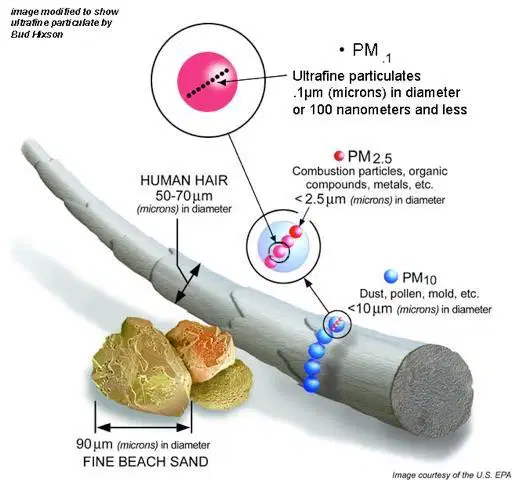
Which of the following do not make up atmospheric particulates?
dust
pollen
salt
microbes
UV radiation
Which of these are the main characteristics that define climate?
weather and humidity
temperature and precipitation
pressure and preciptitation
weather and pressure
High or low albedo: snow
high
low
High or low albedo: dirt
high
low
High or low albedo: thick clouds
high
low
Snow on the ground prevents polar climates from gaining heat because of what?
the heating of the Earth by greenhouse gases
heat spreading from the equator
cold spreading from the poles of the Earth
reflection of solar radiation from the surface
Which of these is not a greenhouse gas?
Oxygen
Methane
Carbon dioxide
Water vapor
Nitrous oxide
Which the following does not cause temperature variations on earth's surface?
tilt
oceanic circulation
latitude
revolution
air circulation
Radio waves
Has the longest wavelengths and the lowest frequency
Microwaves
Used in cell phone communication and police radar systems
Infrared rays
It is used in thermal imaging
UV rays
Overexposure to this can result in sunburns and skin cancer
Gamma Rays
Has the highest energy of all electromagnetic radiation and is the most damaging to human tissue
Electromagnetic waves that you can see
radio waves
visible light
x-rays
ultraviolet rays

Hadley, Ferrel, and polar are the names of
bears
feuding Kentucky families
atmospheric circulation cells
cloud types
Air that is warmer than the air surrounding it
rises
sinks
stays where it is

Rising air leads to ____ pressure at ground level
High
Low

Fast-flowing currents of air high in the troposphere are
Hadley cells
Jet streams or "atmospheric jets"
Trade winds
Altostratus

Winds blow
From regions of high pressure to regions of low pressure
From regions of low pressure to regions of high pressure
In ways that are impossible to predict
Always from north to south

The trade winds are
The area close to the equator where rising air leaves ships stranded
Wind belts north and south of the equator, blowing from the northeast and southeast
Prevailing west winds in the mid latitudes
Extremely cold air blowing down from the poles

Westerlies are
People who traveled Westward in the pioneer days
People from the coastal states of California, Oregon, and Washington
Prevailing winds at the mid latitudes (the Ferrel cells)
Fast-moving currents of air high in the troposphere
Which answer choice correctly describes a
Hadley Convection Cell? (2 answers)
The Hadley cell causes rainforests at 0° latitude and deserts at 30° N and S
The Hadley cell causes temperate deciduous forests to form around 60°N and S
Warm air rises from the equator, cools, and sinks around 30° N & S
Warm air rises from 30° N and S,
cools, then sinks near the poles at 90° N & S

Match letters A, B, and C to the correct global circulation cell:
A
Polar Cell
B
Ferrel Cell
C
Hadley Cell

Match the Global Winds to their correct letter:
Label A
Trade Wind
Label B
Westerlies
Label C
Polar Easterlies
What are Doldrums?
An area in the sea with high wind activity
A place where many earthquakes occur
An area in the sea with little to no wind activity
Book by Nicholas Gannon

Which is the best explanation for how air masses move across the United States?
The trade winds move air masses from west to east across the United States.
The polar easteriles move air masses from west to east across the United States.
The prevailing westerlies move air masses from west to east across the United States but may be deflected by the jet stream.
The warm air of the Gulf Stream causes air masses to move from the Atlantic Ocean to the Pacific Ocean.
What is a fast-moving ribbon of wind that moves from the west to the east in the and shifts up (carrying warm fronts up from the equator) and shifts down (carrying cold fronts down from the poles)?
California Current
Gulf Stream
Jet Stream
Atlantic Ocean

Since the Earth is rotating on its axis, air tends to deflect as it crosses Earth's surface. What is it called when this happens?
coriolis effect
doldrums
trade winds
westerlies
What direction do winds in the Northern Hemisphere blow?
right
left
straight

