
 Worksheets
Renaissance Test New
Total questions: 31
Worksheet time: 16mins
Name
Class
Date
1.
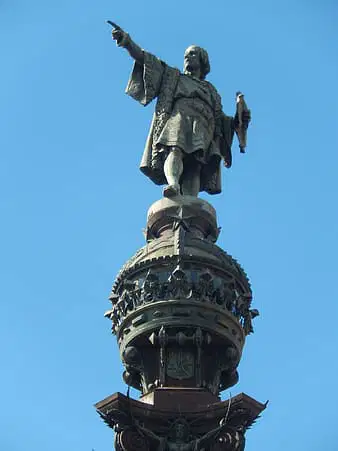
What first motivated Christopher Columbus to try to travel to Asia?
a)
He wanted to capture native people to make into slaves.
b)
He wanted to discover new places for Spanish people to live because Spain was overcrowded.
c)
He wanted to find gold, spices and new trade routes.
d)
He wanted to learn about non-European cultures and languages.
2.
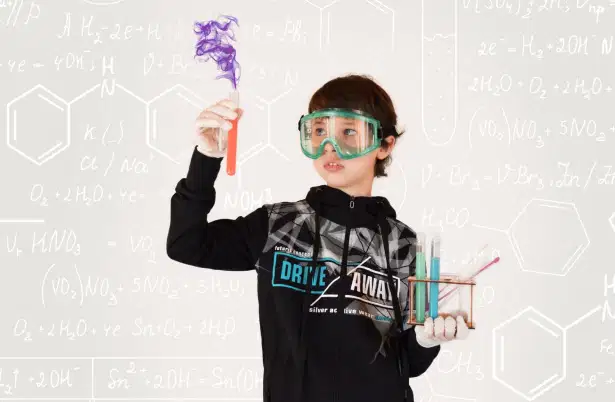
How did science change during the Renaissance?
a)
the Bible became the only source of scientific information
b)
science became less important
c)
experimentation, observation and evidence became more important
d)
art replaced science
3.

What was Galileo's most important invention?
a)
Water Pump
b)
The steam engine
c)
Telescope
d)
Electricity
4.

What was Galileo accused of by the Roman Catholic church?
a)
Robbery
b)
Treason
c)
Heresy
d)
Selling Indulgences
5.
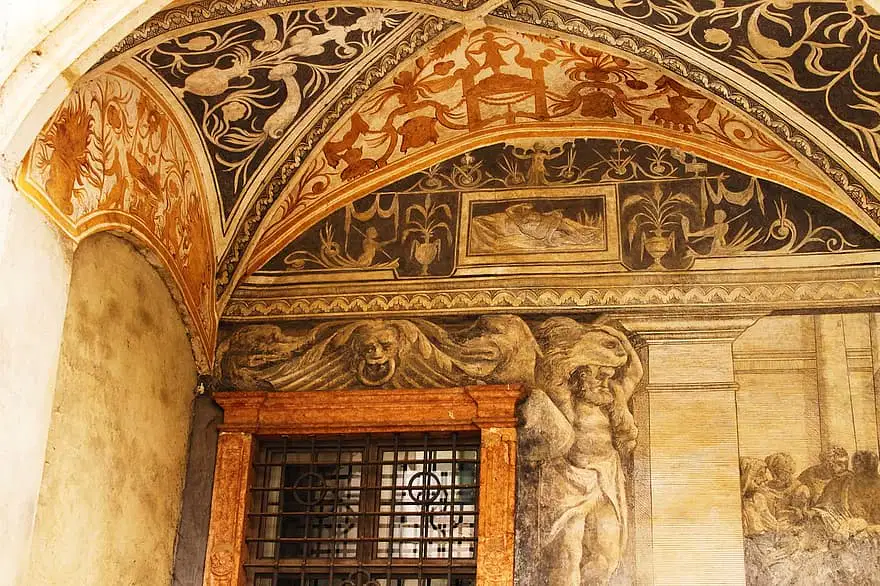
What style of art did Renaissance artists copy?
a)
Classical art
b)
French art
c)
German art
d)
Muslim art
6.

Whose book increased European interest in Asia?
a)
Christopher Columbus
b)
Vasco da Gama
c)
Kublai Khan
d)
Marco Polo
7.
As feudalism ended and trade increased, Europe found itself in a time of renewed interest in art and learning, called the ____________.
a)
A. Catholic Reformation
b)
B. Inquisition
c)
C. Renaissance
d)
D. Reformation
8.

Nicholas Copernicus challenged traditional beliefs by suggesting that
a)
the heliocentric theory was wrong.
b)
faith alone is needed to win salvation.
c)
the authority to rule comes from God.
d)
Earth moves around the sun.
9.

How did art change during the Renaissance?
a)
Artists studied the human body for lifelike art, in three dimensional perspective
b)
Artists began studying more religious art
c)
Artists became less important
d)
Art declined during this period
10.
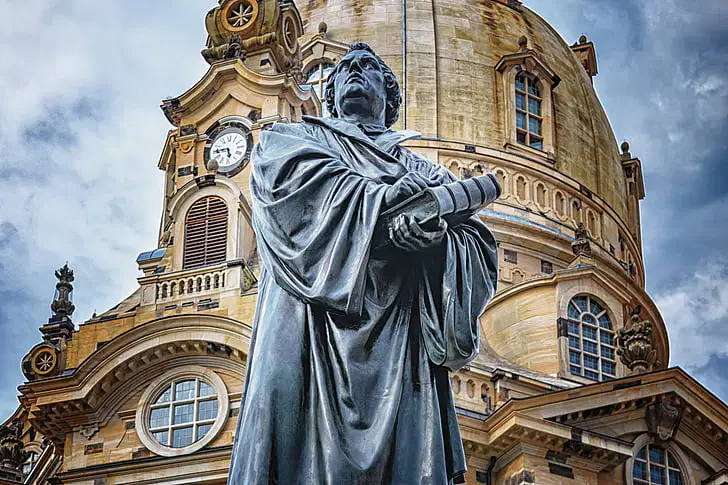
Which of the following was a belief of the Protestant reformers?
a)
Only the clergy can interpret the Bible.
b)
Buying an indulgence can earn pardon
c)
A Christian’s salvation comes by faith alone
d)
Church tradition is as important as the Bible
11.
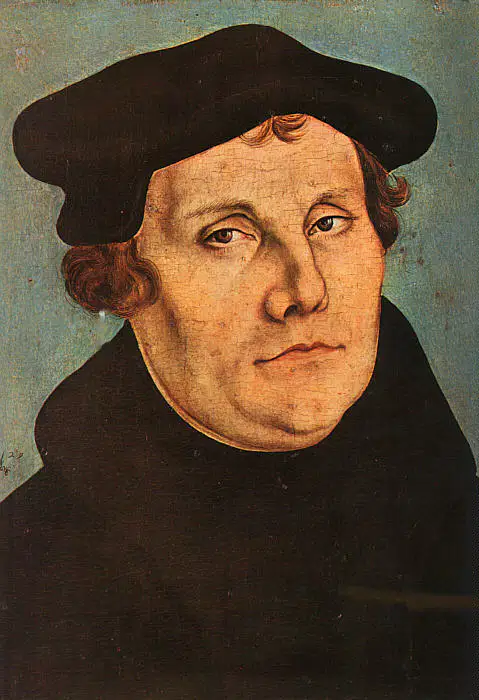
How did Martin Luther begin the Reformation?
a)
He began to attack Bishops and Cardinals he accused of being corrupt
b)
He wanted a new church where divorce was allowed
c)
He wrote the 95 Theses, criticizing the Catholic Church
d)
He started printing books complimenting Catholicism
12.

What is something that Europeans introduced to the Americas?
a)
Corn
b)
Eagles
c)
Chocolate
d)
Horses
13.
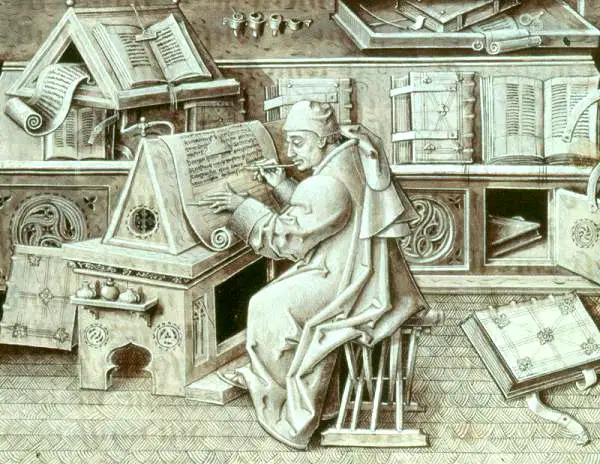
What did medieval scientists think was at the center of the universe?
a)
The Sun
b)
The Moon
c)
Black holes
d)
Earth
14.
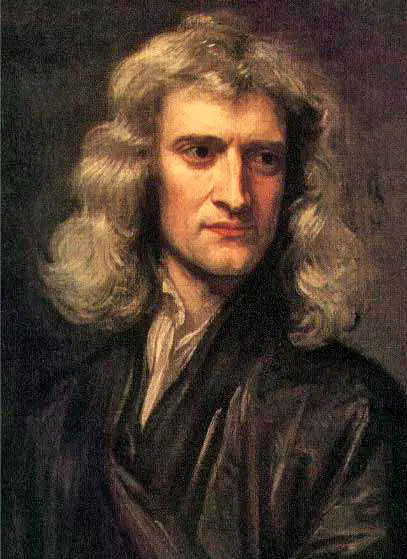
What did Isaac Newton contribute to the Scientific Revolution?
a)
He invented the telescope
b)
He invented the lightbulb
c)
He discovered things of similar mass fall at the same rate.
d)
He defined gravity and how objects moved
15.
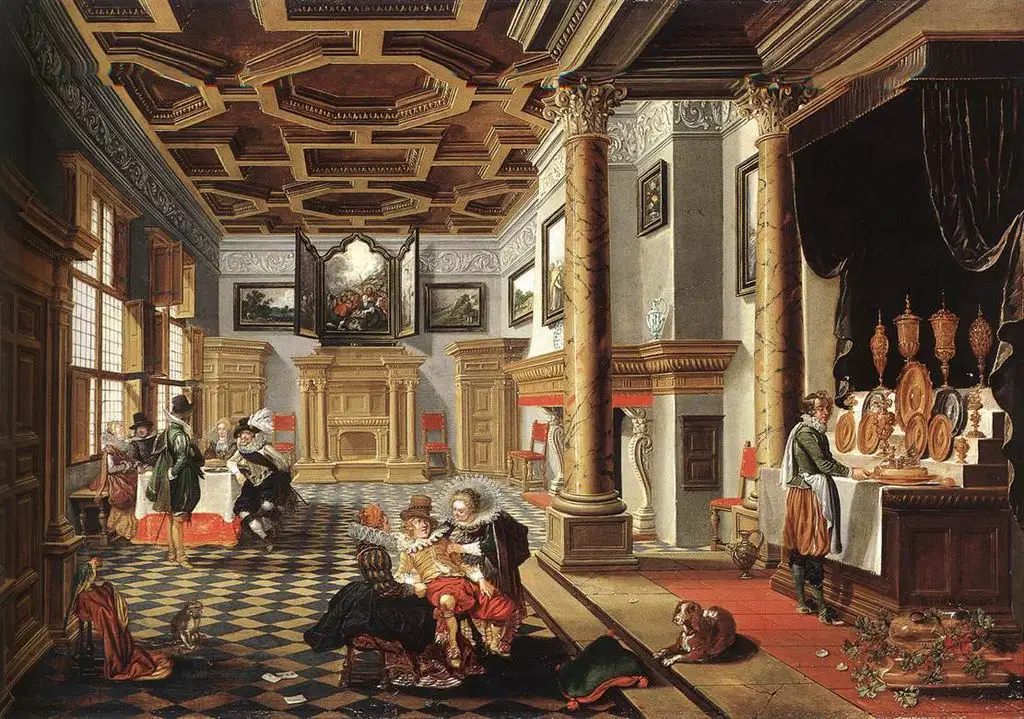
One of the biggest innovations in Renaissance painting was that, for the first time, artists painted
a)
using new paints from China
b)
portraits of women.
c)
scenes that looked three-dimensional.
d)
scenes from the Bible.
16.
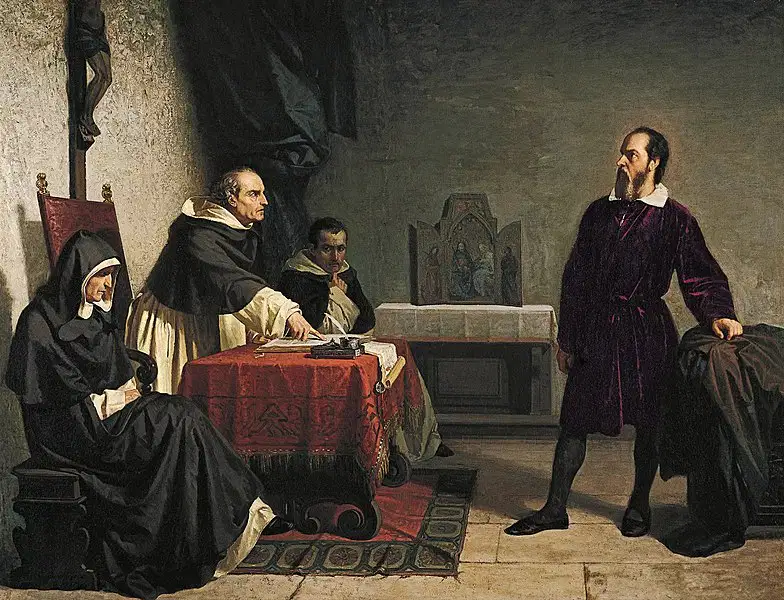
The idea that Earth revolved around the Sun got ________ into major trouble with the Roman Catholic Church.
a)
Newton
b)
da Vinci
c)
Galileo
d)
Donatello
17.
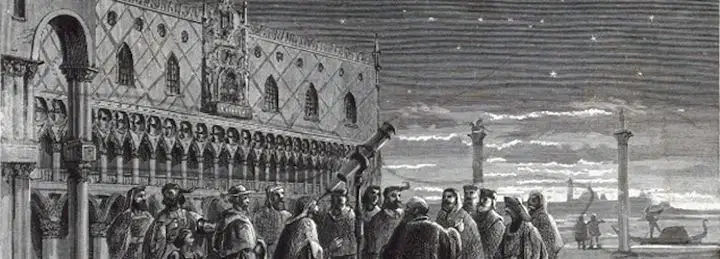
The scientific method is based on the idea that a scientist should form a ________ and test it.
a)
hypotenuse
b)
hypocampus
c)
hypothesis
d)
laboratory
18.

The German inventor of the movable-type printing press was
a)
Jens Lehmann.
b)
Martin Luther.
c)
Johannes Gutenberg.
d)
Michael Ballack.
19.
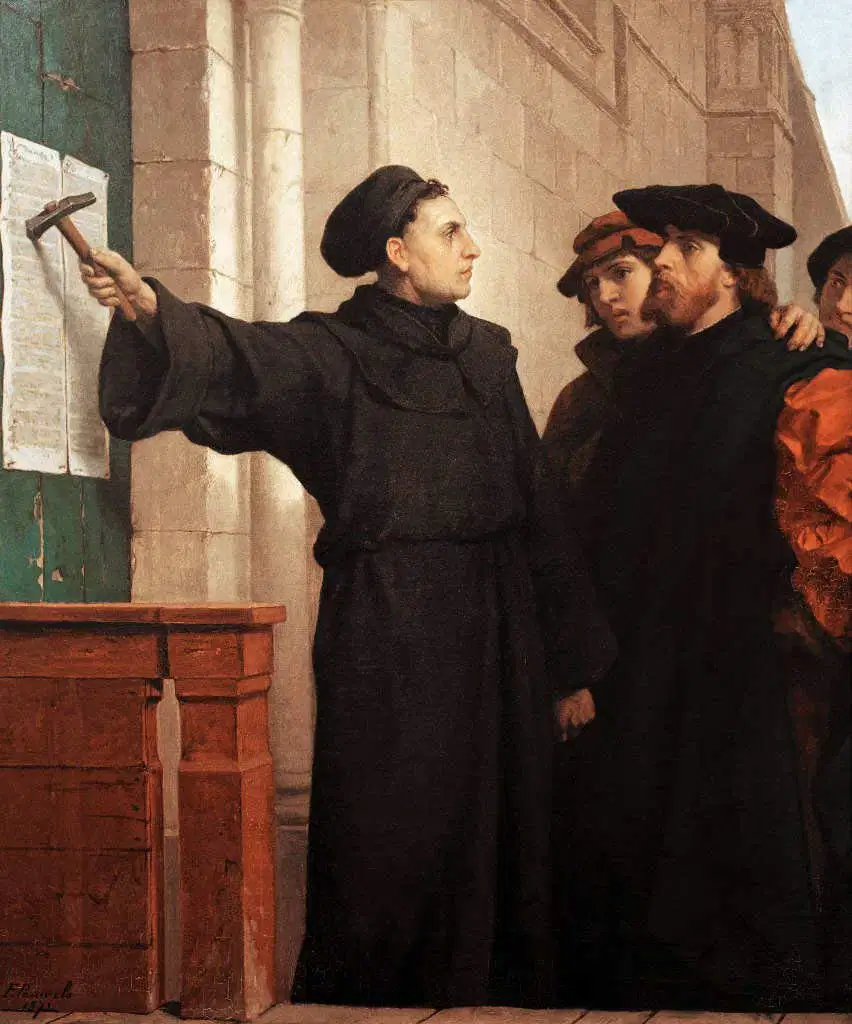
One of Martin Luther's main objections to Roman Catholic Church practices was the selling of
a)
church gold.
b)
indulgences.
c)
vestments.
d)
chapel art.
20.

The time when the Protestant faiths split away from the Roman Catholic Church is called the
a)
Reclamation.
b)
Reformation.
c)
Great Schism.
d)
Reconstruction.
21.

What was Henry VIII's motivation for forming his own church?
a)
he was winning the 100 years war
b)
he wanted a divorce from his wife
c)
he disliked the Pope
d)
he found Jesus on a personal level
22.

The early Native Americans were nomadic, which means they ________.
a)
refused to fight in wars
b)
built permanent settlements
c)
moved from place to place
d)
relied on farming for food
23.
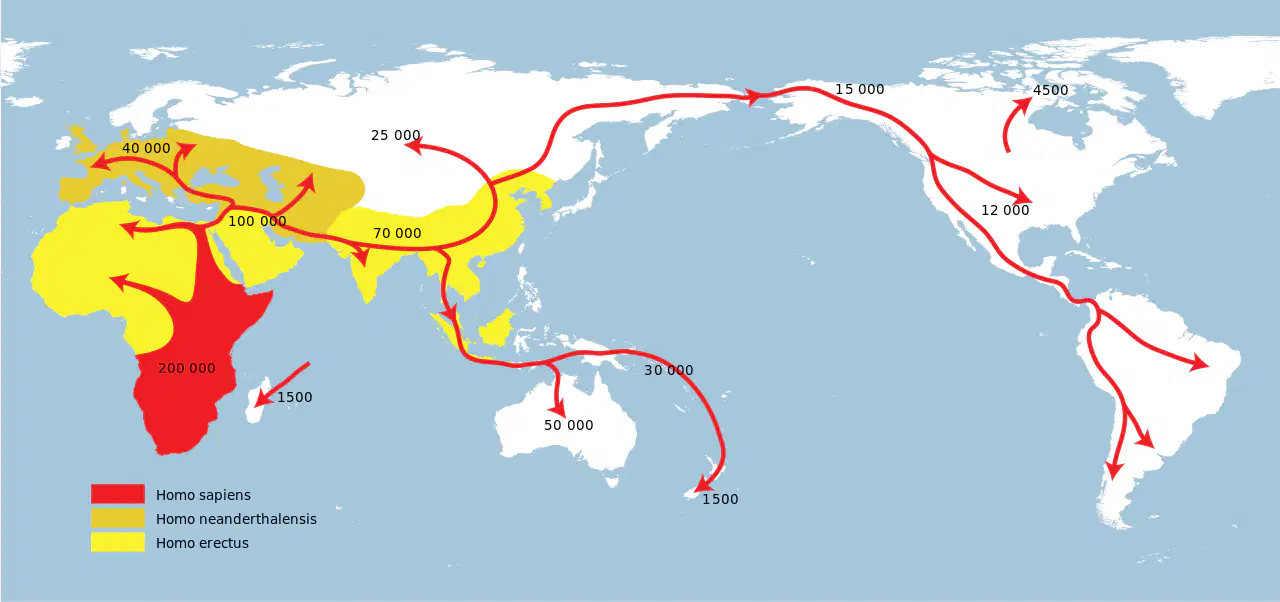
What motivated the first Americans to cross the Bering Strait into America?
a)
They were trying to spread Siberian culture.
b)
They were escaping invasion by the Spanish.
c)
They were looking for religious freedom
d)
They were following the woolly mammoth they hunted.
24.
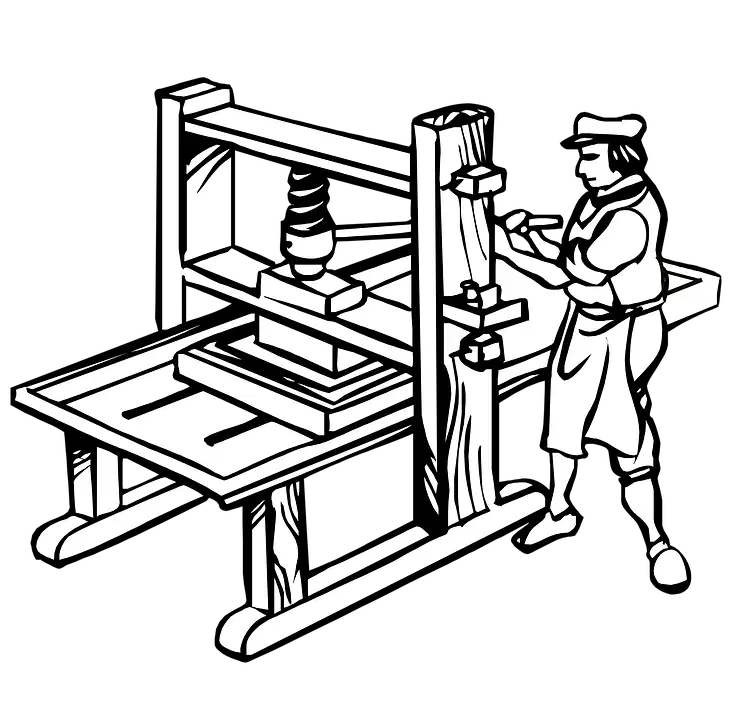
What was an important effect of the invention of the printing press?
a)
Gutenberg used his wealth to support artists
b)
It increased literacy and education across Europe
c)
A shortage of trees
d)
An ink shortage
25.
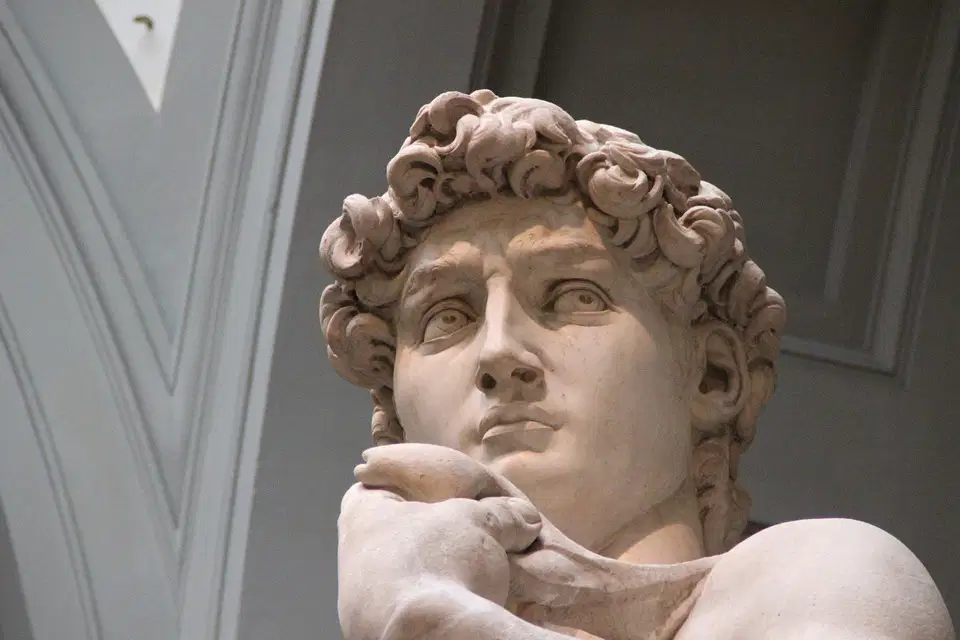
In what years did the Renaissance take place
a)
1400-1600
b)
1000-1400
c)
1400-1800
d)
2000-2014
26.
What does the word Renaissance translate to?
a)
New Born
b)
Secular
c)
Dowry
d)
Rebirth
27.

Italian Renaissance artist that painted The Last Supper and Mona Lisa, he was also an engineer, architect, sculptor, and scientist.
a)
Michelangelo
b)
Leonardo da Vinci
c)
Donatello
d)
Raphael
28.

An artistic technique that creates the appearance of three dimensions on a flat surface; it became popular in the Renaissance
a)
humanism
b)
perspective
c)
renaissance
d)
architecture
29.

Italian Renaissance sculptor, painter, poet, engineer, and architect; famous works include the mural on the ceiling of the Sistine Chapel and the sculpture of the David
a)
Raphael
b)
Michelangelo
c)
Donatello
d)
Leonardo Da Vinci
e)
Master Splinter
30.

During the Renaissance, people began to rely less on the church and more on what?
a)
Governement
b)
Love
c)
Science
d)
Superstition
31.

What caused the bubonic plague of the middle ages?
a)
Bad smells
b)
God was mad at humans
c)
Fleas on rats
d)
Mosquitoes
100 %

