
 Worksheets
Jackson and Reform Quizizz
Total questions: 101
Worksheet time: 4hrs 0mins
Andrew appealed to the common people.
True
False
What was the Spoil System?
JFK hired his brother as the United States attorney
Andrew Jackson rewarded his supporters with government jobs
Thomas Jefferson purchases the Louisiana Purchase
What was the result of Worchester v. Georgia?
The court said the Native allowed to stay in Georgia, however this decision was ignored.
The court said the Native Americans had to move
The court said the Native Americans had their own constitution and claimed to be a separate nation.
What was the Trail of Tears?
A law that forced the Native Americans to live in Florida
A trail of people crying
A law that forced all Native Americans to move west of the Appalachian Mountains.
Why did Jackson dislike the National Bank?
Jackson disliked the National Bank because he thought it only favored the wealthy.
Jackson disliked the National Bank because it was too high in taxes
Jackson disliked the National Bank because he thought it favored the poor

In Antebellum, America's economy started to boom because of
(a)

In the 1800's, many Irish moved to America because of the
Religious persecution
War with England
Irish heat wave
Great Irish Famine

Most immigrant groups were treated poorly because of
Racism
Job competition
Land
Poverty
Where did Mormons settle after the death of the leader, Joseph Smith?
Oregon
Utah
Colorado
California
“Neither slavery nor involuntary servitude, except as a punishment for crime whereof the party shall have been duly convicted, shall exist within the United States, or any place subject to their jurisdiction.”
- U.S. Constitution, 1865
1. Which group achieved their goal with the passage of the above excerpt?
Temperance
Abolitionists
Transcendentalists
Suffragists
“We hold these truths to be self-evident: that all men and women are created equal; that they are endowed by their Creator with certain inalienable rights; that among these are life, liberty, and the pursuit of happiness; that to secure these rights governments are instituted, deriving their powers from the consent of the governed.”
- Declaration of Sentiments, 1848
1. The excerpt above was used to express the importance of –
women’s rights
temperance
education
care of the disabled
“…different denominations would preach night and day, four or five days together…for three or four weeks. I have seen more than 100 sinners fall like dead men under one powerful sermon…”
- Peter Cartwright, The Backwoods Preacher
1. Events like those described above influenced Americans to-
encourage Congress to quickly pass the Fugitive Slave Law.
support a variety of social reform movements.
persuade support for Nativist movements.
a. discouraged support of the temperance movement.
1. The work of Dorthea Dix led to –
education reform for rural America.
passage of temperance laws
the creation of the Declaration of Sentiments.
better treatment of the mentally disabled.
· Denied full equality of citizenship
· Lacked voting rights
· Unequal pay
· Inferior status in society
1. The box above outlines legal and social issues that fostered change for –
transcendentalists
women
children
abolitionists
1. What was the significance of Seneca Falls, New York?
Birthplace of reformer, Dorthea Dix
Distribution center for abolitionist newspapers
Meeting place for a women’s suffrage convention
Location of first hospital established for the disabled
· Focus on morality
· Promote social justice
?
1. Which of the following best completes the graphic organizer above?
Second Great Awakening
Hudson River School
Urbanization and Industrialization
a. Nullification Crisis
· Essayist, naturalist, and abolitionist
· Engaged in acts of civil disobedience
· Works included “Walden” and “Resistance of Government”
1. The information in the box above can best be associated with –
Horace Mann – Education
Frederick Douglass – Abolition
Sojourner Truth – Women’s Rights
Henry David Thoreau – Transcendentalism
Which of the following best describes the origins of the abolitionist movement?
Sojourner Truth delivering her “Ain’t I a Woman” speech
William Lloyd Garrison launching an abolitionist newspaper.
Quakers establishing a colony based on religious freedom.
Frederick Douglass delivering first-hand accounts of his life as a slave.
... [T]he language used in the Declaration of Independence, show, that neither the class of persons who had been imported as slaves, nor their descendants, whether they had become free or not, were [to be] acknowledged as a part of the people.
-Chief Justice Roger Taney, 1857
1. Which group worked effortlessly to change the sentiments expressed in the above Supreme Court ruling?
Labor Unionists
Abolitionists
Transcendentalists
nativists

Which reform movement’s focus was to address the concerns shown in the political cartoon above?
temperance
care of the disabled
prison
labor
“…With preachers announcing that the millennium lay at hand, men and women began to swear off hard spirits; the yearning for perfection drew them until they were pledging total abstinence…”
-The Politics of Sin
The words above were shared at a revival during the Second Great Awakening. Which of the following reform movements was directly impacted by this event?
prison
care of the disabled
abolition
temperance
An organized social campaign to limit or ban the use of alcoholic beverages..
Temperance Movement
Seneca Falls Convention
Second Great Awakening
Declaration of Sentiments
Led by women like Lucretia Mott and Elizabeth Cady Stanton, this event gathered supporters of women’s rights in July 1848. This event in New York launched the movement for women’s right to vote.
Temperance Movement
Seneca Falls Convention
Second Great Awakening
Declaration of Sentiments
a formal statement of injustices suffered by women, written by the organizers of the Seneca Falls Convention.
Temperance Movement
Seneca Falls Convention
Second Great Awakening
Declaration of Sentiments
led by Ralph Waldo Emerson, this philosophy emphasized that people should transcend, or go beyond, logical thinking to reach true understanding, with the help of emotions and intuition.
Second Great Awakening
transcendentalism
individualism
Abolitionist
a revival of religious feeling and belief from the 1800s to the 1840s led by preachers like Charles G. Finney. The movememt urged Christians to be "filled with the Spirit of God," do good works...
Second Great Awakening
transcendentalism
individualism
Abolitionist
Former slave who became an abolitionist and women's rights activist.
Horace Mann
Frederick Douglass
Sojourner Truth
Dorothea Dix
A reformer who believed that the mentally ill needed treatment and care, not to be punished and put in jail.
Horace Mann
Frederick Douglass
Sojourner Truth
Dorothea Dix
Led a reform movement to make education available to more children. Known as "the father of American public schools."
Horace Mann
Frederick Douglass
Sojourner Truth
Dorothea Dix
This reformer escaped enslavement and became an important leader in the abolitionist movement. Is known for his autobiographies and famous speeches against slavery.
Horace Mann
Frederick Douglass
Sojourner Truth
Dorothea Dix
Belonging to a period before a war, especially the American Civil War.
individualism
transcendentalism
Antebellum
Abolitionist
A person who supported abolition, or the ending of slavery
individualism
transcendentalism
Antebellum
Abolitionist
to act based on one’s own beliefs...
individualism
transcendentalism
conform
Abolitionist
To act based on one’s own beliefs...to make change in order to bring about improvement, end abuses, or correct injustices
individualism
reform
conform
Abolitionist
to obey established rules and pattern
individualism
reform
conform
Abolitionist
Most factories in the North during the start of the Industrial Revolution were focused on this industry
Interchangeable Parts
Textiles
Agriculture
Shipbuilding
Demand for cotton rose significantly in the mid-to-late 1700s due to the invention of this
steam power
steel plow
spinning jenny
pasteurization
He was the inventor of the Cotton Gin
Eli Whitney
John Deere
Louis Pasteur
Horace Mann
By 1840, the United States was supplying (a) of the world's cotton supply
This invention allowed for communication across long distances in the United States
Steam train
Steam boat
Telegraph
Cotton Gin
Match the following terms
Horace Mann
Massachusetts first secretary of education and led common-school movement
Dorothea Dix
A strong advocate of prison reform, specifically the treatment of the mentally ill
Second Great Awakening
This was a Christian renewal movement that
occurred between the 1790s and early to
mid 1800s
Temperance Movement
This was an effort to encourage people to
limit their consumption of alcohol
Church membership significantly declined during the Second Great Awakening
True
False
What did the Gag Rule do?
Allowed abolitionist in Congress to debate slavery.
Forced slaves into the slave trade.
Stopped any bills regarding slavery from being discussed.
Hosted several open-ended debates on slavery.
Horace Mann was a reformer for what area?
Slavery
Women's Voting Rights
Education
Industrialization
Which reformer founded the abolitionist newspaper known as: The Liberator?
Frederick Douglass
William Lloyd Garrison
John O'Sullivan
Sojourner Truth
Who is known as the Great Compromiser?
Harvey Clay
Henry Gray
Harry Gray
Henry Clay
What impact in the Dred Scott case have on slavery?
It made slavery legal in the US
It made slavery illegal in the US
It encouraged the slave trade
It stopped the slave trade
Why was the state of Maine created?
To keep free and slave state in balance of power
To encourage people to move North
To maintain power of slave states in government
To help the Fugitive Slave Act be enforced.
How did the Second Great Awakening contribute to the Age of Reform?
People began to question the treatment of others.
Movement brought attention towards the treatment of slave owners.
People were encouraged to help one another.
Religious freedom became a very important aspect of religious life.
During the first Industrial Revolution in the North, work by people shifted to work by ______.
Farmers
Animals
Machines
Slaves
What Constitutional Principle allowed for states New Mexico and Utah to decide to be a free or slave state?
Judicial Review
Separation of Powers
Popular Vote
Popular Sovereignty
Part of the Compromise of 1850, the slave trade was abolished in ______.
New York
Washington, D.C.
Washington State
New Mexico
Part of a fear tactic, what happened to Nat Turner?
He was hung for his crimes
He was voted out of office
He was encouraged to be silent
He was sentenced to jail
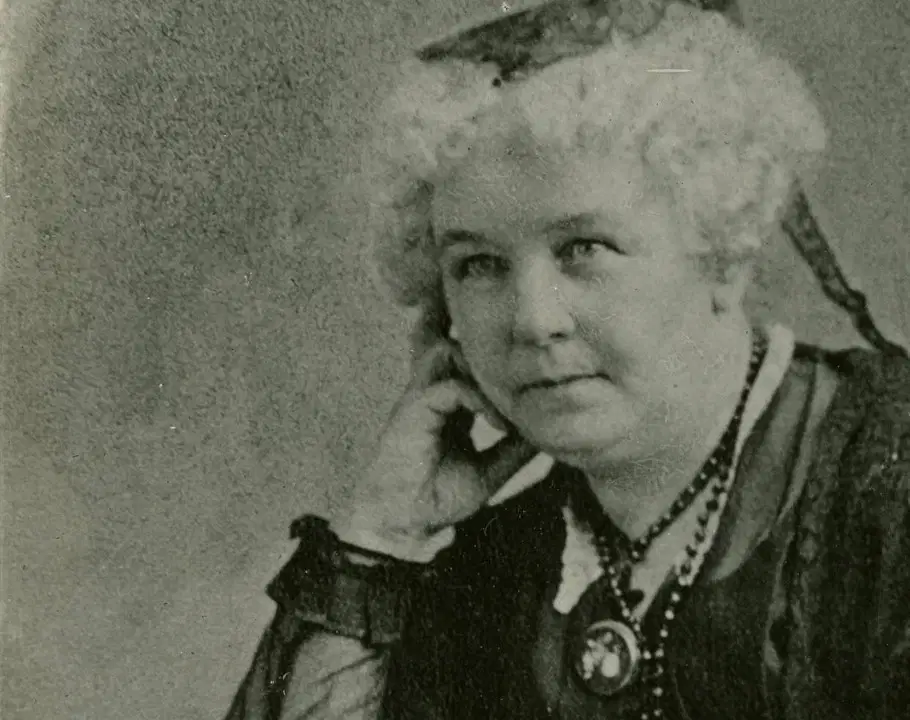
Name this person and her contribution.
Sojourner Truth -
Women's Voting Rights
Harriet Tubman -
Women's Voting Rights
Dorothea Dix -
Women's Voting Rights
Elizabeth Cady Stanton -
Women's Voting Rights
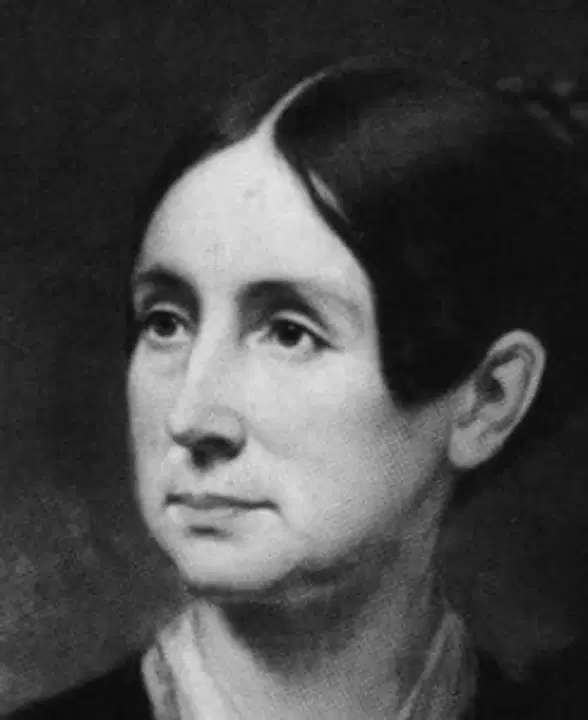
Name this person and her contribution to society.
Elizabeth Cady Stanton -
Women's Voting Rights
Dorothea Dix -
Mental Health
Sojourner Truth - Abolition
Harriet Tubman -
Women's Voting Rights
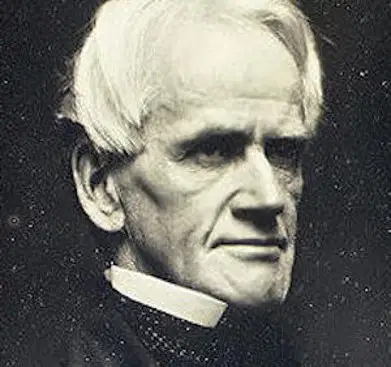
Name this reformer and his contribution.
Henry Clay
Compromise of 1850
Horace Mann
Education Reform
Stephen Douglas
Education Reform
William Lloyd Garrison
Abolitionist.
“Neither slavery nor involuntary servitude, except as a punishment for crime whereof the party shall have been duly convicted, shall exist within the United States, or any place subject to their jurisdiction.”
- U.S. Constitution, 1865
1. Which group achieved their goal with the passage of the above excerpt?
Temperance
Abolitionists
Transcendentalists
Suffragists
What law forced American Indians off their land?
Indian Removal Law
Indian Removal Act
Indian Removal Pact
Indian Removal Association
Why did Andrew Jackson want to move American Indians off their land?
The land was too crowded
He wanted the land empty
To make room for white settlers
He wanted to use the land for farming
What were the results of the Indian Removal Act?
Forced American Indians living east of the Mississippi River to move west of the river
The American Indians did not have to leave
Chiefs left without a fight
Few American Indians got to stay on their land
How did Cherokee Chief, John Ross, hope to save Cherokee lands?
Through trading
By fighting
Through bribes
Taking case to Supreme Court
What was the Trail of Tears?
Cherokees forced to take 1100 mile journey to Indian Territory.
Cherokees forced to take 100 mile journey to Indian Territory.
Cherokees forced to take 1000 mile journey to Indian Territory.
Cherokees forced to take 2000 mile journey to Indian Territory.
Why was it called Trail of Tears?
One-fourth of the Cherokee died
One-half of the Cherokee died
None of the Cherokee died
All of the Cherokee died
How did the majority of the Cherokee travel on the Trail of Tears?
By boat
By horse
By foot
By wagon
Where did the Indian Removal Act force American Indians to go?
North of Mississippi River
South of Mississippi River
East of Mississippi River
West of Mississippi River
What current day state was the Indian Territory that the Americans Indians were sent to in the Indian Removal Act?
Texas
Missouri
Oklahoma
Arkansas
States ignoring a federal law is called --
nullification
spoils system
suffrage
resettlement
Giving government positions to supporters is the process of --
judicial review
the Whig Party
the spoils system
states; rights
This political party was created by critics of Andrew Jackson --
Democratic-Republicans
Federalists
Democratic Party
Whig Party
The right to vote is called --
tariff
nullification
suffrage
states' rights
When a region cares more about its interests rather than the nation's interests, this is called --
nullification
sectionalism
states' rights
Judicial Review
The Supreme Court case Marbury v. Madison established the court's right to --
judicial review
pass tariffs
allow suffrage
establish a new political party
This political party was established by Andrew Jackson and his supporters --
Democratic-Republicans
Whig Party
Federalists
Democratic Party
The settlement of people in a new and different place is known as --
suffrage
resettlement
spoils system
tariff
When a tax is placed on foreign goods it is because the government passed --
a tariff
judicial review
nullification
states' rights
Powers that are held by the state governments rather than the national government are known as --
spoils system
judicial review
states' rights
resettlement
What was the primary question regarding the Nullification Crisis?
can the federal government regulate interstate commerce?
can a state regulate a federal agency?
can a state overturn a federal law?
can the federal government levy taxes on states?

Which of the following correctly completes this activity?
Jackson annexes land west of the Mississippi River
Jackson ignores a supreme court ruling
Jackson introduces a bill to Congress
Jackson vetoes an act passed by Congress
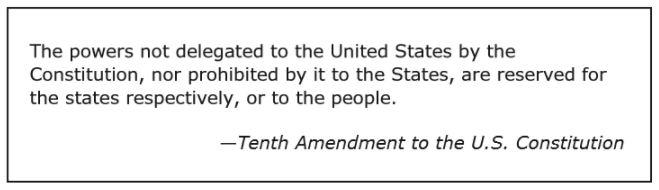
Conflicting interpretations of this amendment led to the --
Bank War
Nullification Crisis
Corrupt Bargain
XYZ Affair
Why was Jackson determined to shut down the National Bank?
he was trying to help the economy
his supporters were pressuring him
the bank kept passing tariffs
he believed it was too powerful and unconstitutional
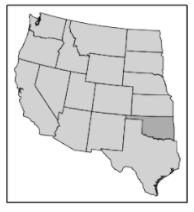
Indian Territory was established for the Indians who had been removed from their homelands. It is now known as the state of --
Texas
Oklahoma
Kansas
New Mexico

Excuses for slavery
Reasons to move east
Reasons for a belief in Manifest Destiny
Possibilities of states' rights

The conquest of Mexican territory
The purchase of Louisiana from France
The cession of Florida territory from Spain
The land received as a result of the War of 1812
Which of the following are major characteristics during the era of Andrew Jackson?
Disagreements with Great Britain over the violation of civil rights and taxation without representation
Conflict over states rights with South Carolina and the burning of Washington D.C. in 1812
The elimination of the National Bank charter and the removal of eastern Native Americans
Arguments between southern plantation owners and northern abolitionists leading to the ratification of the 13th Amendment
Which of the following are major characteristics during the era of Andrew Jackson?
Justice for American Indian groups
Political machines control elections
Greater democracy for the common man
Wealthy industrialists control domestic policies

Which historical era completes the chart above?
Civil War
Second Great Awakening
Reconstruction
Age of Jackson
The Second Bank of the United States was controversial because-
the President issued an executive order to establish the bank
the U.S. Treasury alone sets all government monetary policies
the House of Representatives has the sole authority to raise revenue
the Constitution does not specifically empower Congress to create a bank
Congressional leaders such as Henry Clay tried to protect American manufacturing interests by which of the following ways?
Lowering the tariffs on southern factory owners
Forcing northern businesses to hire Americans
Implementing high tariffs on foreign goods
Establishing protective tariffs on agricultural goods
One way suffrage expanded during the Jackson presidency was by-
recognizing a woman's right to vote
permitting free African Americans to vote
eliminating property qualifications for voting
extending citizenship to American Indian tribes

The campaign poster above would be best describing which of the following?
George Washington
Thomas Jefferson
Andrew Jackson
James Monroe

Which of the following do you think the above cartoon of President Andrew Jackson best reflects the opinion of his opponents?
The executive branch had become too powerful
The president had become too sympathetic to the common man
The spoil system had failed to improve the government
The President believed in strict construction of the Construction
Many historians consider Andrew Jackson's election as president to be a major shift in American politics that is something referred to as the "Revolution of 1828." Why would his election be considered a "revolution?"
Jackson was unknown before 1828
Jackson was the first general ever elected to public office
Jackson was elected to office by the largest majority in presidential elections
Jackson's election represented a shift of political power from elites to the common people
How did President Jackson respond to the Supreme Court decision to protect the rights and land of the Cherokee?
He ignored the decision
He obeyed the decision after a delay
He asked states to implement his decision
He called for the impeachment of court justices

One goal of the U.S. Congress in passing this act was to-
avoid conflict between white settlers and American Indian tribes
provide legal protections for American Indian tribal land ownership
assimilate American Indian tribes into the culture of the United States
use American Indian tribes to push out foreign control of western territories

The proclamation excerpted above was issued during which of these historical events?
Shay's Rebellion
The War of 1812
The Nullification Crisis
The Civil War
In 1832 the Supreme Court ruled that Georgia did not have legal authority over the Cherokees living in the state. President Andrew Jackson responded to this decision by-
filing another petition against the Cherokee Nation
ignoring the ruling and allowing Georgia to evict the Cherokee Nation
ordering state officials in Georgia to negotiate with the Cherokee Nation
asking Congress to pay reparations to the Cherokee Nation
Which issue did the Democratic Party support following the presidential campaign of Andrew Jackson?
Abolition of slavery
Nullification of laws
Funding for industrialization
Elimination of the national bank
The Cherokee responded to the state of Georgia's attempts to remove them by-
pleading their case against Georgia in court
declaring war against the Georgia government
moving peacefully from Georgia to the West
signing a treaty allowing them to stay in Georgia

Tecumseh's statement illustrates the many Native Americans--
wanted to be relocated to reservations
were opposed to moving from their land
sought fair compensation for their land
wanted to conquer new territory

The account above is told from the point of view of-
a southern slave
a Native American
an indentured servant
a Chinese immigrant
The election of Andrew Jackson in 1828 had a lasting impact on which of the following political parties?
Republican
Democrat
Whig
Federalist

