
 Worksheets
szdvff
Total questions: 198
Worksheet time: 3hrs 2mins




A human is a mammal and is in what phylum?
Chordata
Eukarya
Animalia
Echinoderm




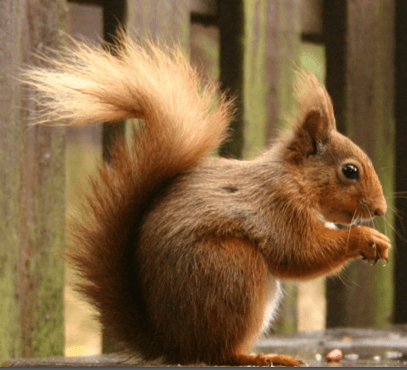
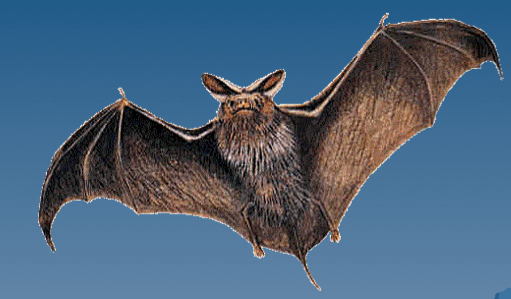
Identify two mammals in the following. Choose 2 (TWO) answers.
dolphin
penguin
snake
bear
Which of these is a fish?


Which of the following are warm-blooded? Choose 2 (TWO) answers.
mammal
bird
fish
amphibian
reptile
My body is covered with HAIR or FUR, I have LIVE YOUNG, and I feed them with MILK. What am I?
amphibian
bird
fish
mammal
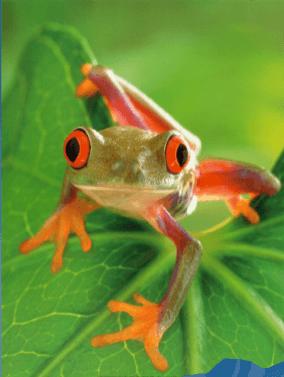
I have MOIST SKIN. I LAY EGGS. I begin my life in the water and later live on land. What am I?
amphibian
bird
fish
reptile
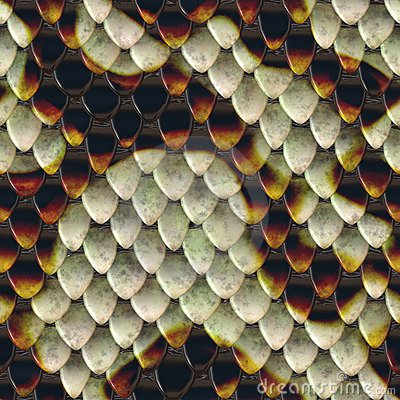
I LAY EGGS. I breathe with my LUNGS. My body is dry and covered with SCALES. What am I?
amphibian
bird
reptile
mammal
My body is covered with FEATHERS. I LAY EGGS and hatch my young. What am I?
amphibian
bird
reptile
mammal
What kind of animal changes their temperature with the environment?
warm-blooded
cold-blooded
hot-blooded
cool-headed

What are the SIMILARITIES of these TWO animals? Choose TWO (2) answers.
Both are warm-blooded.
Both are cold-blooded.
Both have gills.
Both have scales.
What type of vertebrate are humans?
amphibian
bird
reptile
mammal

Because they live in the ocean, many people confuse dolphins for fish. What characteristics classify dolphins as mammals rather than fish?
Dolphins lay eggs and breathe with gills
Dolphins are cold-blooded and have scales
Dolphins are warm-blooded, feed their young with milk and breathe with lungs
Dolphins are warm blooded, lay eggs and breathe with gills

Based on the characteristics, which of the following animals is a BIRD?
Animal A
Animal B
Animal C
Animal D

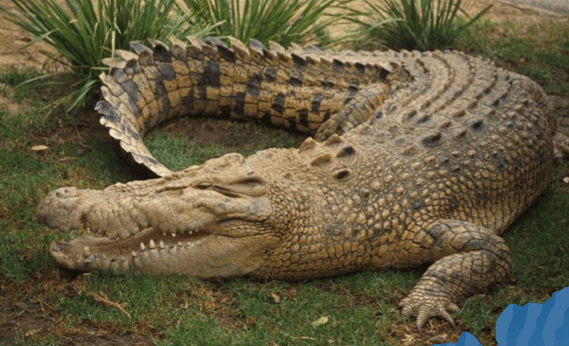
Which of the following animal has the characteristics of a crocodile?
Animal A
Animal B
Animal C
Animal D
TRUE OR FALSE: All birds can fly.
TRUE
FALSE
TRUE OR FALSE: Fish, amphibians and reptiles are cold-blooded.
TRUE
FALSE
TRUE OR FALSE: All vertebrates that live in water are fish.
TRUE
FALSE


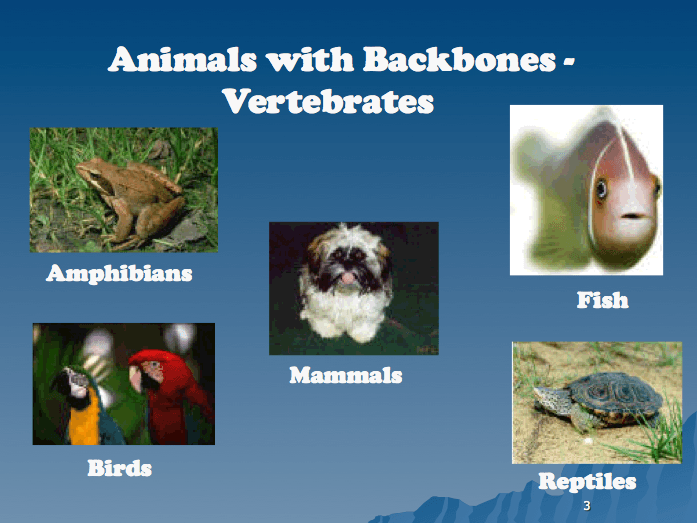
Mammals, fish, birds, reptiles and amphibians are all ___.
invertebrate
vertebrate

Which group does it belong to?
invertebrate
vertebrate
What is the major difference between vertebrates and invertebrates?
Vertebrates have a backbone and invertebrates do not.
Invertebrates live in water and vertebrates do not.
Invertebrates have a backbone and vertebrates do not.
Invertebrates are smaller than vertebrates.

Is this animal a vertebrate or invertebrate?
invertebrates
vertebrates

Which group does it belong to?
invertebrate
vertebrate

Which group does it belong to?
invertebrate
vertebrate

Which group does it belong to?
vertebrate
invertebrate

Which group does it belong to?
vertebrate
invertebrate

Are these animals vertebrates or invertebrates?
vertebrates
invertebrates

Which group does it belong to?
vertebrate
invertebrate

Vertebrates are animals with ____.
backbones
special tubes
no backbones
no special tubes

Which group does it belong to?
vertebrates
invertebrates

Which group does it belong to?
invertebrate
vertebrate
Crabs, lobsters, and shrimp with hard exoskeletons are ___.
vertebrates
invertebrates
Are there more invertebrates or vertebrates on Earth?
vertebrates
invertebrates
Vertebrates and invertebrates are groups in the ____ Kingdom.
Plant
Protist
Monera
Fungi
Animal

Which group does it belong to?
vertebrate
invertebrate

Which group does it belong to?
invertebrate
vertebrate
What is an invertebrate?
an animal without a backbone
mammals
birds
an animal with a backbone
Which is the largest classification group for classifying living organisms?
kingdom
species
classification
biologist


1. Precipitation in a Deciduous Forest can be described this way:
there is a wet season and a dry season
it is dry
it rains all the time
It rains all throughout the year, but mostly in the Spring
The temperature in the deciduous forest biome is:
has cool seasons and warm seasons
cold
always warm
snowy
Which Biome do you live in?
Rain Forest
Desert
Grassland
Deciduous Forest
Which of the following BEST MATCHES the meaning of the word TEMPERATE?
Temperatures within moderate limits for human living.
An area with trees and bushes
A forest with plants growing together
An area with all the same temperature

What does 'deciduous' mean?
To fall off, changes color
Grows constantly, green year round

What does 'evergreen' mean?
To fall off, change colors
Grows constantly, green year round

What the two reasons the leaves fall of a 'deciduous' tree? (Choose 2)
Because its autumn and soon will be winter
Because they want new leaves
Because its the dry season

True or False: Trees are important for all living things?
True
False

Fill in the blank: There are over 3 ____________ trees on the Earth's surface.
Billion
Hundred
Thousand
Trillion

Fill in the blank: We cut over ______ billion trees down every year.
6
15
7

The roots of trees are like what body part of humans?
Head
Feet
Hands
Arms
Which tree is 'deciduous '


Which trees are 'evergreens'?


Why are trees important for humans and animals? ( choose the main reason)
They provide shelter
They provide wood for building things.
They release carbon dioxide
They release oxygen, which we need to breath.

What do humans use trees for? (Choose 3)
Food
Wood
Shade
Carbon dioxide

True or False: Trees help regulate the Earth's climate. Helps the Earth stay cool (not too hot)
True
False

Coniferous or Deciduous?
Coniferous
Deciduous

Coniferous or Deciduous?
Coniferous
Deciduous

Coniferous or Deciduous?
Coniferous
Deciduous

Coniferous or Deciduous?
Coniferous
Deciduous

Coniferous or Deciduous?
Coniferous
Deciduous

Coniferous or Deciduous?
Coniferous
Deciduous

Coniferous or Deciduous?
Coniferous
Deciduous

Coniferous or Deciduous?
Coniferous
Deciduous

Coniferous or Deciduous?
Coniferous
Deciduous

Coniferous or Deciduous?
Coniferous
Deciduous

Coniferous or Deciduous?
Coniferous
Deciduous
Which type of tree has cones as seeds?
Coniferous
Deciduous
Which type of tree has flowers as seeds?
Coniferous
Deciduous
Which type of tree are fruit trees?
Coniferous
Deciduous
Which type of tree are Evergreens?
Coniferous
Deciduous
There are five stages in the lifecycle of a flowering plant.
three of these stages are
- Seed production
- Seed Dispersal
- Germination
Pollination and fertilisation
Growth and breathing
Plants are able to produce their own food through a process called______
Respiration
Photosynthesis
Eating
The male part of the flower is_____
Stamen
Pistil
Stigma
The female part of flower is the _______
Stamen
Anther
Stigma
The parts that attract insects to the flower are called
Carpel
Sepal
Petals
When plants growth their needs 4 factors; Sunlight, Warmth, Air and ________.
Food
Water
Seed
My job is to hold the plant in the ground and take up water and minerals. I am a ... .
leaves
stem
root
True OR False:
Flowering plants do not produce seeds.
True
False
True OR False:
Flowering plants do not produce seeds.
True
False

The part of the plant that develops into the fruit in the picture is...
the stem
the leaves
the flower
the roots

Nectar is important to bees because...
it gives them the ability to destroy flowers because they don't need them
it makes the bees to easily stick onto a predators' body
it gives them energy to fly and do their work
both

Which parts of the plant show the fruit and the stem?
1 and 6
3 and 2
4 and 5
3 and 4

Classify the following plant as either flowering or non-flowering:
Flowering plant
Non-flowering plant
Bees feed __________ to their babies.
Sugar
Chips
Pollen
None of the above

Plants need __________ to stay alive. Choose all the answers.
air
water
light
warmth

How are coconuts dispersed?
by animals
by water
by wind
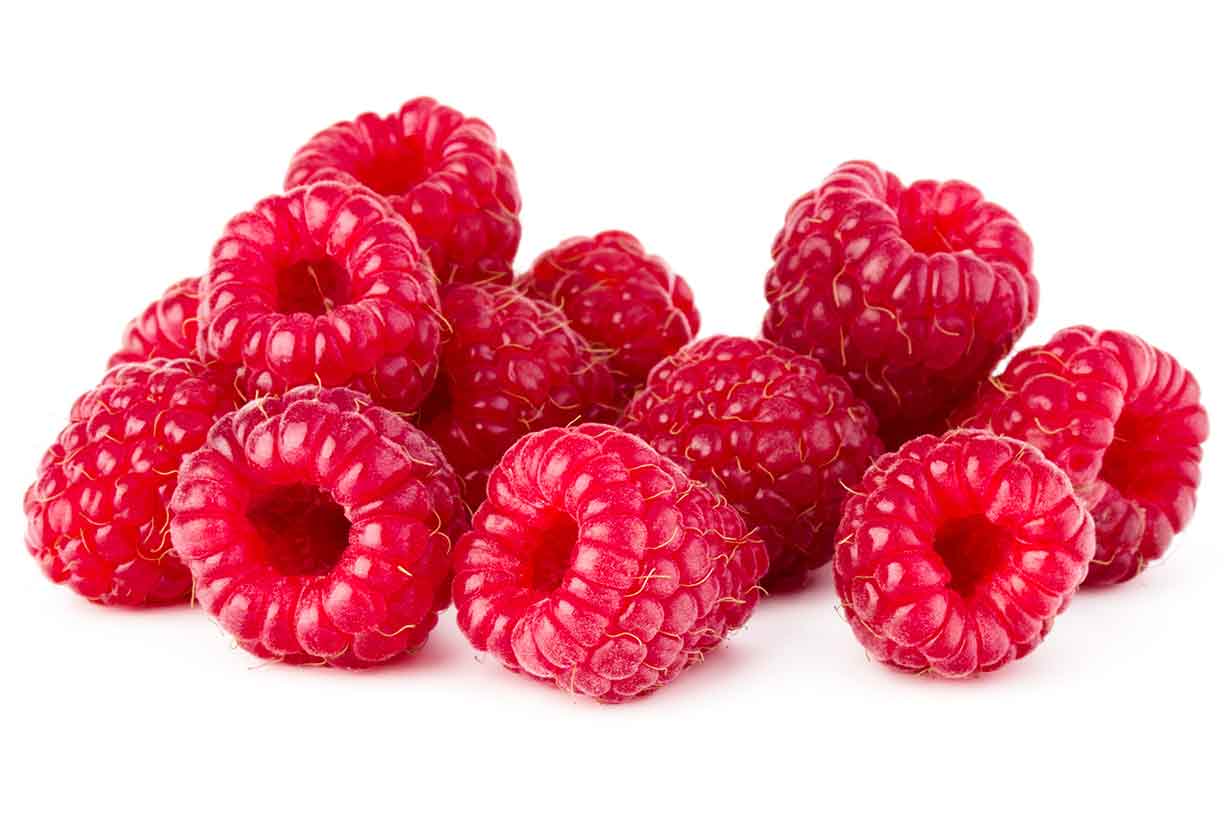
How are raspberries dispersed?
by animals
by explosion or bursting
by water
Where does the seed get its energy from?
Food store
sunlight
embryo
animals
The part of the seed that grows into a new plant
food store
seed coat
embryo
first leaf
Lulu's tomato plants are not growing well and the leaves are yellow. Suggest two things that she can do to help her tomato plants to grow better.
water and sunlight
better soil and water
good seed and soil
mineral salts
The outer cover that protects the seed is
scar
seed coat
embryo
stem
Tick the conditions a seed need to germinate
air (oxygen)
sunlight
water
warmth

Gertrude planted some beans in a pot. After 5 days, the leaves of the plants became yellow. Why?
She watered the seeds but placed the pot in a dark room.
She did not water the seeds.
She used yellow-coloured soil.
Which part of the plant should come out before it can make it's own food?
seed leaf
seed coat
tiny shoot
first leaves
What would happen if all seeds from a tree fell in the same place?
Pollination
Overcrowding
Fertilisation
The movement of pollen from one plant to another is called ....
dispersion
pollination
fruit
seedings
Which animal disperses seeds the farthest?
Birds
Mice
Bears
Squirrels
Animals _________ plant pollination and seed dispersal.
hurt
make no difference to
destroy
help
Bees carry _________ from one plant to another.
water
dirt
pollen
nectar
Which seeds use the wind to travel from the parent plant?
Coconut
Mango
Dandelion
Strawberry
I am waterproof and have a fibrous husk. What is likely my dispersal method?
wind
animals
water
explosive action
My pod splits open and seeds are thrown out with a force. What is likely my dispersal method?
wind
water
animals
explosive action

Identify the agent of seed dispersal given in the image.
Animal
Water
Wind
Soil

My pod splits open and seeds are thrown far away from my mother plant. What is likely my dispersal method?
By animal
By explosive mechanism
By water
By wind
Stigma

The small, fuzzy part

The yellow parts

The egg

This part is...
(a)
Which are parts of the female *Less than three
Stigma
Style
Anther
mom

The following picture shows
self-pollination
cross-pollination
pollinated by wind


What part makes pollen?
sepal
stamen
pistil
The liver is part of the (a) System.
These are part of the excretory system
(2)
Kidney
bladder
Skeleton
muscles
What are the functions of the roots? (Select two answers)
Absorbing Water and Minerals
Attracting Insects
Anchoring the Plant
Performing Photosynthesis
Making Nectar

What is the female part of the flower?
Stem
Pistil
Stamen
Leaf

I am going to (try) to get a B+
or HIGHER.
True
False
What are the functions of the roots? (Select two answers)
Absorbing Water and Minerals
Attracting Insects
Anchoring the Plant
Performing Photosynthesis
Making Nectar
This is the part of the plant which has baby plant inside it.
seed
leaf
root
stem
What are the functions of the roots? (Select two answers)
Absorbing Water and Minerals
Attracting Insects
Anchoring the Plant
Performing Photosynthesis
Making Nectar
What is a flower that has both male (stamen) and female (pistil) parts?
Perfect flower
Imperfect flower
Imaginary flower
Unique flower
What part makes pollen?
sepal
stamen
pistil

The part that produces pollen grains
D
B
E
G

What organ is at C?
Small intestine
Liver
Stomach
Pancreas
What is the main function of the respiratory system?
enables us to breathe
move nutrients throughout the body
protects our organs
breakdowns the food into smaller pieces
Bones and joints make up _______________ system
nervous
digestive
muscular
skeletal
What do the small intestines do?
Absorb nutrients
Oxygenate the blood
Stores liquid waste
Stores solid waste

An organ system is...
one organ that works alone
different organs that work together
no organ works together
same organs but they don't work together

What is the job of your excretory system?
To bring oxygen into your body
To pump blood around the body
To break down food
To remove waste from your body
Two or more organs working together form
tissue
a group
a system
an organism

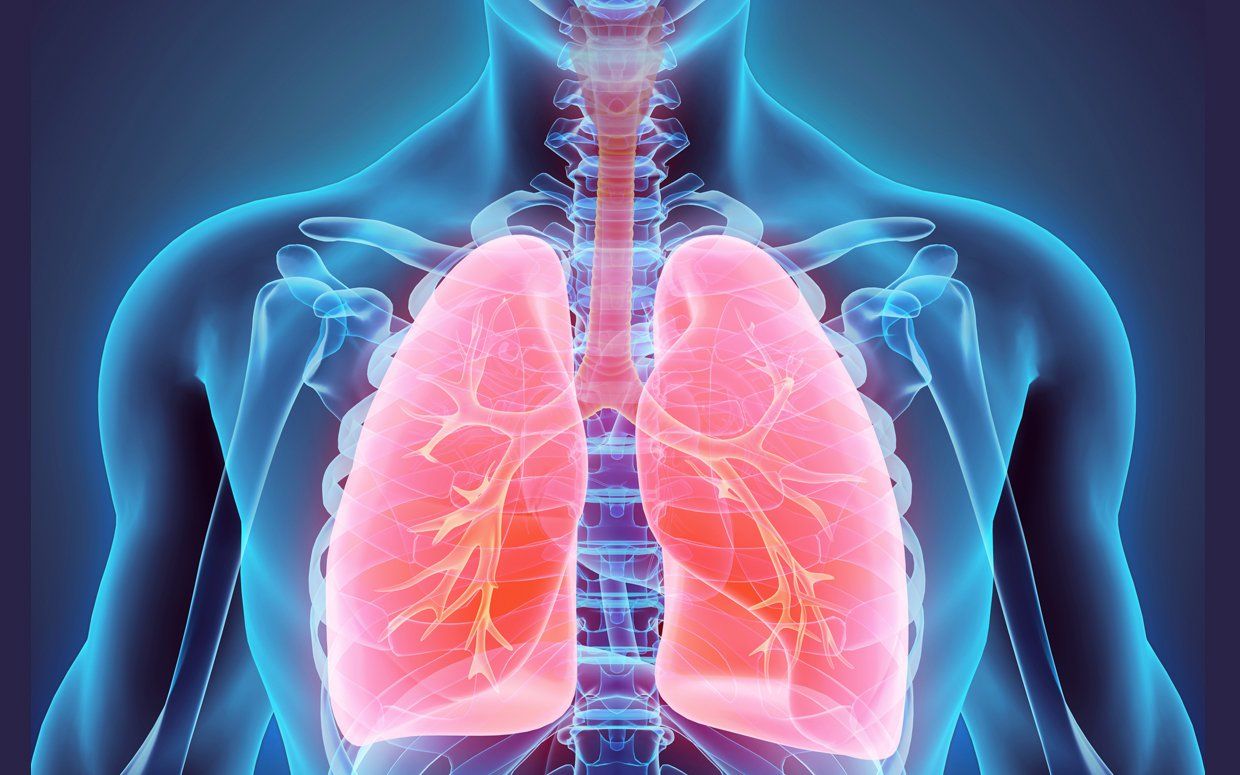
Which organ is this and what does it do?
Lungs, it sends blood to our body
Lungs, it helps us think
Lungs, it provides oxygen to our body
Lungs, it digests food

Mouth to stomach to intestines. What system helps the digestive system move food until it becomes waste?
circulatory
immune
muscular
skeletal



