
Font size
 Worksheets
G3_U6L1_What is fossil?
Total questions: 20
Worksheet time: 11mins
What is a fossil?
a kind of thing that is no longer found on Earth
the remains or traces of an organism that lived long ago
something that exists in or on land
something that exists in or on water
Fossils can be made of an organism's hard parts or its soft parts. Hard parts include ___Choose all that apply
teeth
bones
shells
skin
Where are fossils preserved? Choose all that apply
in rock
trunk
in the mud
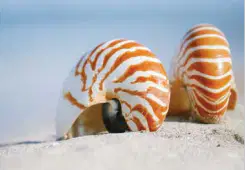
These shells belonged to animals that
died on the beach not long ago. They
are pressed into the sand. Are they fossils?
Yes
No
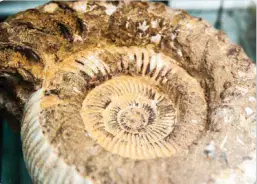
This shell was pressed into the soft mud
on the sea floor. Over time, pressure
changed the mud to rock. The shell
dissolved and left a hollow space in the
rock. Over time, more mud filled the
space to form an imprint of the shell. Is this a fossil?
Yes
No
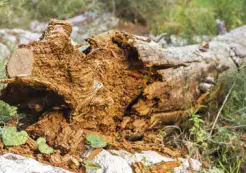
A strong storm knocked this tree over.
The wood is starting to decay. Is this a fossil?
Yes
No
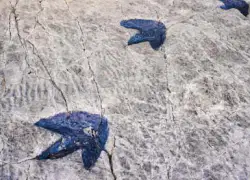
These footprints were made long ago in
soft mud. Over time, the mud changed
to rock, preserving the footprints. Are they fossils?
Yes
No
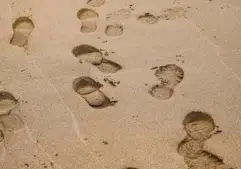
These footprints were left behind as the
organism walked in the sand. Are they fossils?
Yes
No
Fossils are often the hard parts of once-living things. But
an organism’s soft parts can also be preserved. Which
materials can preserve soft parts? Select all that apply.
sand
ice
amber
sand
Fill the blank. Insects are often found in___
amber
ice
sand
rock
Some fossils look like organisms that live on Earth today. Others
reveal extinct organisms. What are extinct organisms?
those have strong adaptation compared to other animals
those have ability to blend in their surrounding environment
those can defeat almost all other animals
those no longer found on Earth.
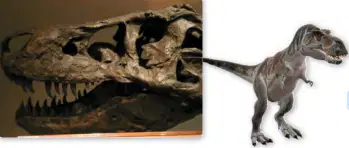
This fossil is a dinosaur’s head.
The picture shows what the
animal might have looked like.
Alive today?
Yes
No
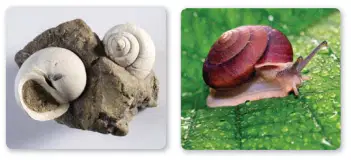
This fossil shell is evidence of
an organism that once lived on
Earth. The picture shows what
the animal might have looked
like. Alive today?
Yes
No
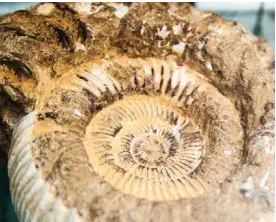
Choose the answer that best explains
why the object in this image is a fossil.
It has no soft parts.
It was dug up by a paleontologist.
It took a very long time to form
from a once-living organism.
There are similar shells on
Earth today.
The skeleton of a fish that died and became buried in
the ocean floor a month ago is a fossil.
True
False
Which of these would give a scientist the best evidence about the
size of the once-living organism? Circle all that apply.
fossilized footprints
a petrified tree stump
a frog trapped in amber
a fish bone
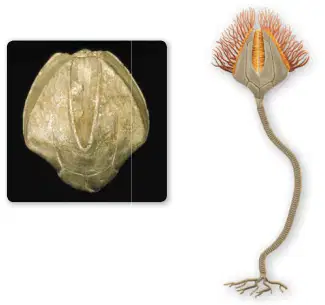
This fossil is part of an ocean
creature called a blastoid. It lived
long ago and was anchored
to the sea floor by a stem-like
column. The picture shows what
it might have looked like. Alive today?
Yes
No
Why do scientists learn about fossils?
To learn about the environment and climate change in the future.
To learn about the environment and climate change in the present.
To learn about the environment and climate change in the past.
Organism’s soft parts—tissues such as skin and organs—are not
usually preserved because ___
soft parts can break down over time.
fossils can only be preserved in rock
fossils can only preserved in sand
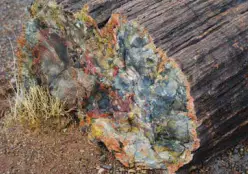
This tree lived long ago. Its wood has
been replaced by other materials
called minerals. This tree is said to be
petrified. Is this a fossil?
Yes
No

