
NEW
Font size
 Worksheets
ARHA MIDTERM REVIEW
Total questions: 49
Worksheet time: 25mins
A type of vaulting used during the Renaissance period: with cross-vaulting with narrow and wide spans, it appears that the groins were now formed by means "ordinates" with elliptical soffits.
Groin vault
Semi-circular vault
Barrel vault
Ribbed vault
Reverted the plans of St. Peter's Basilica to Greek cross and credited for its outstanding features.
Raphael
Bernini
Maderna
Michaelangelo
Masonry blocks at the corner of a wall. Some are structural, providing strength for a wall made with inferior stone or rubble, while others merely add aesthetic detail to a corner.
Quoins
Dormer
Balustrade
Pinnacle
English Renaissance architecture characterized by asymmetry, multi storey, wrapped around or large porches.
Late victorian
Queen Anne
Anglo-classic
Jacobean
What are the main features of Renaissance Architecture?
Barrel vault
Classic orders
Stained glass
Spires
Italian Renaissance's period of harmony and balance.
Quattrocentro
High Renaissance
Mannerism
Baroque
Stepped gable, a feature of german, belgian and dutch renaissance architecture is also called:
Motif
Cortile
Dormer
Flemish
___ was added to lift the dome from its substructure, to highlight the dome's importance.
Arches
Pendentive
Drum
Lantern
The noble entrance plazza of St. Peters Basilica erected by Bernini is approximately ___ in length.
0.2km
200cm
2000mm
200km
One of the factors that gave rise to the Renaissance period, in which humanity was given more attention than religion.
Capitalism
Exploration and Science
Protestantism
Humanist Movement
Renaissance was a break in that orderly evolution of architecture which is based on the nature and necessities of materials, and can be described as:
Ornamented
Religious enthusiasm
Sober and dignified
Worship of style
Completed the dome of St. Peter's Basilica in 1590
Sangallo the younger
Domenico Fontana
Bernini
Vignola
Birthplace of Renaissance
Florence
Paris
Venice
Milan
Popular building type built during the french Renaissance is the ___, which is a combination of a feudal castle and an italian villa.
Palais
Arc
Chateaux
Church
Known for its grandeur, elegance, and sophistication, and was often employed in the design of public buildings, such as town halls, churches, and palace.
English Renaissance
Italian Renaissance
Spanish Renaissance
Belgian Renaissance
English Renaissance architecture characterized by asymmetry, multi storey, wrapped around or large porches.
Jacobean
Queen Anne
Early Victorian
Elizabethan
Early Renaissance style in spain is called ___.
Herreran Style
Mannerist
Plateresque
Quattrocentro
2nd period of spanish renaissance; principles of italian renaissance were fully assimilated due to the development of purist styles; Characterized by the use of barrel vaults, Greek-Roman arches, cupolas/domes.
classical period
high renaissance
herreran style
plateresque
Early english renaissance period characterized by symmetrical design, large mullioned windows, turrets or towers, and courtyard and gardens. Prime example would be longleat house.
Elizabethan
anglo-classic
early victorian
queen anne
Characterized by stepped gables and sculptural ornamentation, remarkable for being picturesque in variety of grouping.
German Renaissance
English Renaissance
French Renaissance
Italian Renaissance
Absence of pilasters as decorative feature is called:
Motif
Columnar
Ashlar
Astylar
An Old Roman Book written in B. C. 50 by Marcus Vitruvius Pollio for Emperor Augustus as a guide to roman buildings, translated into italian in A. D. 1521
Building Code
De Architectura
Fice points of Architecture
De re aedificatoria
Second phase of english Renaissance architecture, named after King James VI. It is a blend of medieval and renaissance styles, which tends to be more unified and consistent.
Queen Anne
Elizabethan
Anglo-Classic
Jacobean
Type of doors and windows which is usual in the heavily rusticated examples, consists of a round arch, in the center of which is a circular column supporting a simple piece of.
Order type
Architrave type
Arcade type
Classical type
The period in English Renaissance wherein inigo Jones was famous; classical features like italian classical style became more dominant.
Queen Anne
Elizabethan
Anglo-Classic
Jacobean
First architect to work on St. Peter's Basilica, who proposed the greek cross plan
Vignola
Bramante
Maderna
Sangallo the younger
Renaissance architecture is ___
Gothic arch. revival
Re-birth of byzantine Arch.
Re-birth of Classic Arch.
Neo-Romanesque Arch.
English Renaissance architecture that drew inspiration from medieval Gothic Architecture, characterized by symmetrical facades, with facades, with elaborate detailing and elements of tudor architecture.
Early Victorian
Elizabethan
Queen Anne
Anglo-Classic
The region's emphasis on trade and commerce influenced the design of buildings, which focused on simplicity and functionality.
French Renaissance
Dutch Renaissance
English Renaissance
Spanish Renaissance
Adorned with graceful balconies, sculptured carvings of maritime theme and buildings built on hundred isles of wooden and stone piles.
Roman Ren, Arch.
Florentine Ren. Arch.
Venetian Ren. Arch.
Milan Ren. Arch.
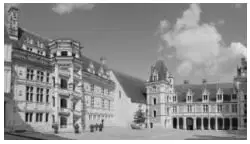
identify
Chateaux De Blois
Florence cathedral
Chateaux De Chambord
Gewandhaus, Brunswick
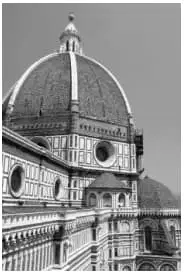
identify
Florence Cathedral
Chateaux De Chambord
Gewandhaus, Brunswick
Grand place, Brussels
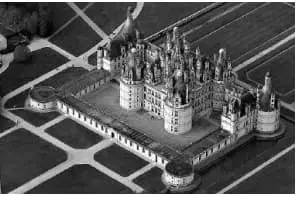
identify
Chateaux De Chambord
Gewandhaus, Brunswick
Grand Place, Brussels (Town Hall)
St. Paul, London
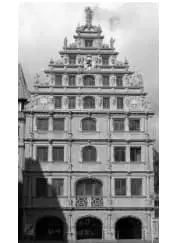
identify
Gewandhaus, Brunswick
Grand Place, Brussels (Town Hall)
St. Paul London
Templetto
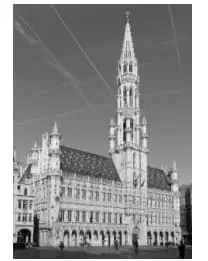
identify
Grand Place, Brussels (Town Hall)
St. Paul London
Templetto
Santa Maria Della Salute
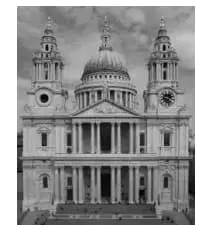
Identify
St. Paul London
Templetto
Santa Maria Della Salute
Osborne House
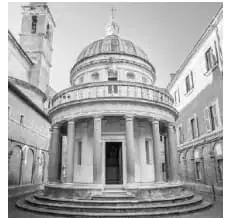
Identify
Templetto
Santa Maria Della Salute
Osborne House
Antwerp Townhall
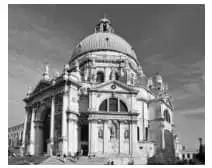
identify
Santa Maria Della Salute
Osborne House
Antwerp Townhall
Palazzo Riccardi
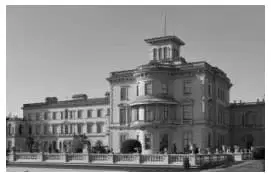
Identify
Osborne House
Antwerp Townhall
Palazzo Riccardi
Wollaton Hall
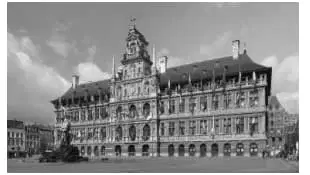
Identify
Antwerp Townhall
Palazzo Riccardi
Wollaton Hall
Westminster Palace
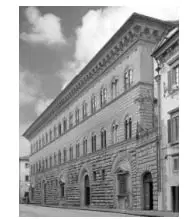
Identify
Palazzo Riccardi
Wollaton Hall
Westminster Palace
Heidelberg Castle
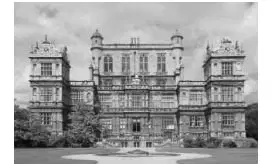
Identify
Wollaton Hall
Westminster Palace
Heidelberg Castle
Longleat House
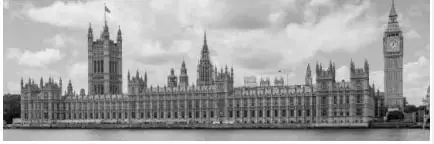
Identify
Westminster Palace
Heidelberg Castle
Longleat House
Blickling hall
Identify
Heidelberg castle
Longleat house
Blickling Hall
Banqueting House
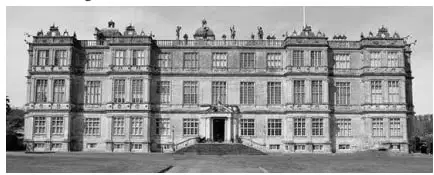
identify
Longleat House
Blickling hall
Banqueting House
Salamanca University
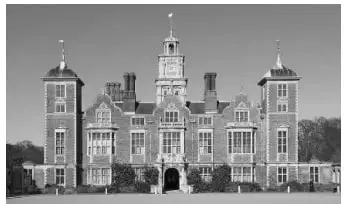
Identify
Blickling hall
Banqueting House
Salamanca university
Hatfield house
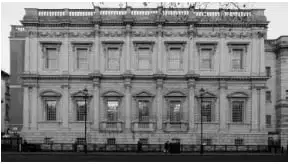
Identify
Banqueting House
Salamanca university
Hatfield House
Pisa Cathedral
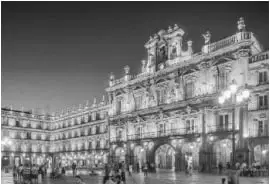
Identify
Salamanca University
Hatfield House
Florence Cahthedral
Osborne House
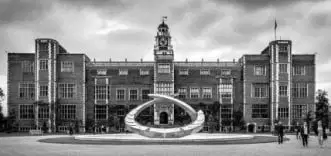
Identify
Hatfield House
Santa Maria Della Salute
Grand Place, Brussels (Town)
Wollaton Hall

