
 Worksheets
Wave Properties and Sound Quiz
Total questions: 28
Worksheet time: 14mins

What is a wave?
A pattern that repeats at regular intervals
A disturbance that transfers energy from one place to another
A type of particle movement
A static form of energy

What are the two main parts of a wave called?
Peak and Valley
High and Low
Crest and Trough
Summit and Basin

What is a medium in the context of wave movement?
A) A tool used for drawing
B) Any substance that a wave moves through
C) A type of artistic expression
D) A measurement of distance

Which of the following is NOT an example of a medium through which waves can move?
A) Water
B) Air
C) Vacuum of space
D) Rocks and soil

What type of waves require a medium to travel?
Electromagnetic waves
Mechanical waves
Light waves
Radio waves
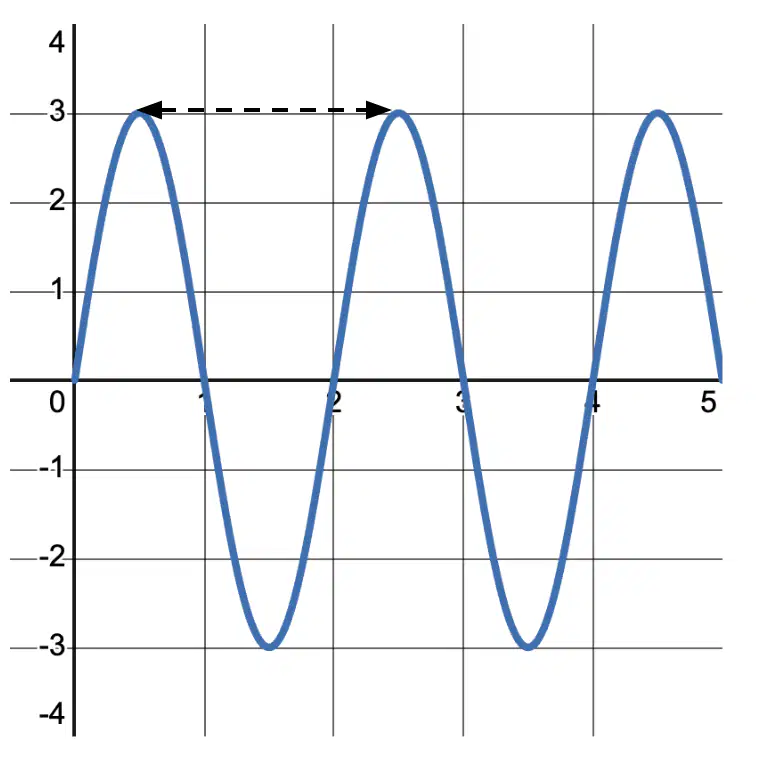
Which of the following is an example of a mechanical wave?
Gamma rays
Ocean waves
Microwaves
X-rays

Identify the type of wave from the following that is NOT a mechanical wave.
Sound waves
Seismic waves
Ocean waves
Electromagnetic waves

What are waves that do not need a medium to travel called?
Sound waves
Electromagnetic waves
Mechanical waves
Gravitational waves

Which of the following is an example of a wave that does not require a medium?
Ocean waves
Sound waves
Light
Seismic waves
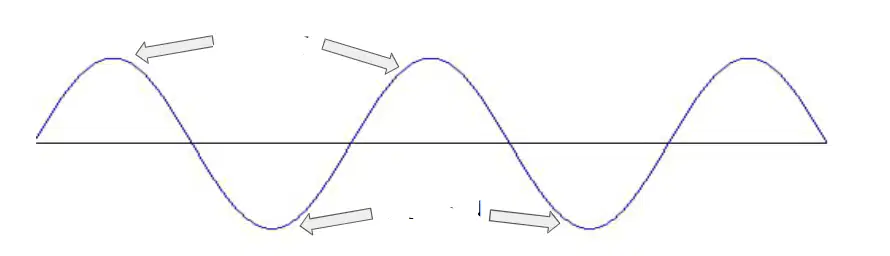
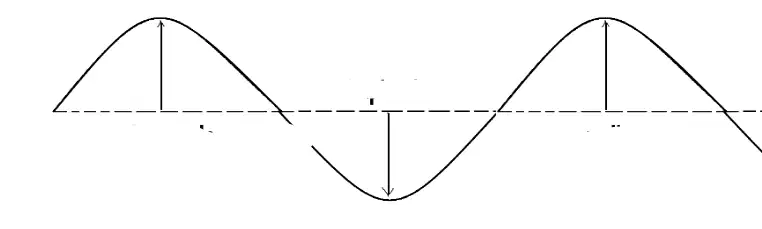
What are the two parts of a transverse wave labeled in the diagram?
Peak and Valley
Crest and Trough
High and Low
Summit and Basin
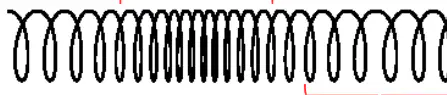
In a longitudinal wave, the particles of the medium move in which direction relative to the direction of wave?
Perpendicular to the direction of wave
In the opposite direction of wave
In the same direction as the wave
In a circular motion around the wave
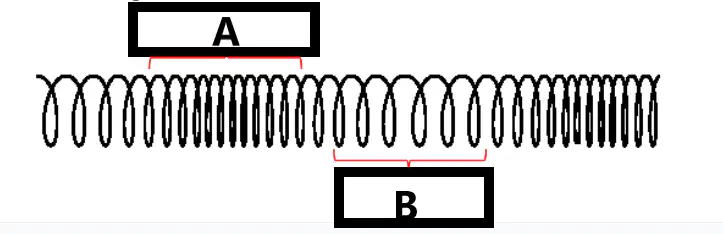
What are the two main parts of a longitudinal wave as shown in the diagram?
Crest and trough
Compression and rarefaction
Wavelength and amplitude
Frequency and period

What type of wave is demonstrated by the slinky on the left side of the image?
Longitudinal wave
Transverse wave
Surface wave
Torsional wave
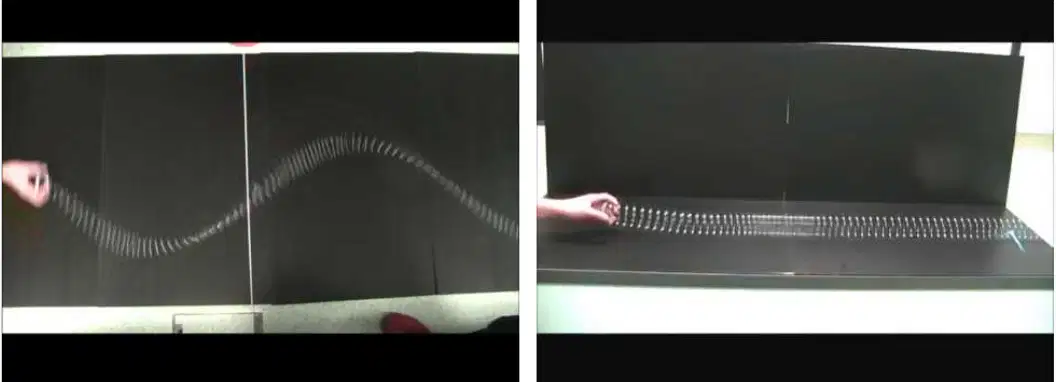
What type of wave is shown by the slinky on the right side of the image?
Longitudinal wave
Transverse wave
Surface wave
Torsional wave
What is the amplitude of a wave?
The distance a wave moves from its peak to its trough
The distance a wave moves above or below its position at rest
The length of one complete wave cycle
The time it takes for a wave to complete one cycle

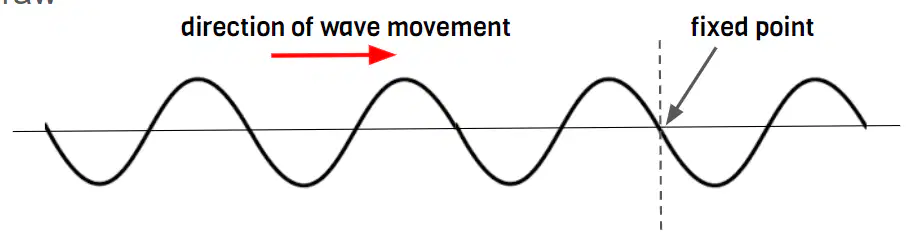
What is the wavelength of a wave as described in basic wave properties?
The distance from crest to crest or trough to trough
The height of the wave from the rest position
The time it takes for one full wave cycle to occur
The number of waves that pass a point in a given time
What does the frequency of a wave refer to?
The amplitude of the highest point of the wave
The speed at which the wave travels through a medium
The number of waves passing a fixed point in a given amount of time
The distance between two consecutive crests of the wave

Which color wave in the diagram represents the wave with the highest frequency?
Red
Yellow
Green
Purple
How do we calculate the speed of a wave?
Speed = wavelength + frequency
Speed = wavelength / frequency
Speed = wavelength × frequency
Speed = frequency / wavelength

Sound travels in longitudinal waves and disrupts....
Energy
Equilibrium
the particles in whatever medium it travels through.
particles in the vacuum of space

The speed of sound depends on the medium. Which medium will sound travel fastest?
Liquid
Solid
Air/Gas
Vacuum of space

The amplitude of a wave shows the _______________ of the sound.
Pitch
Volume
Speed
Note

Amplitude or the volume of a sound is measured in __________.
Newtons
Decibels
Meters
Seconds
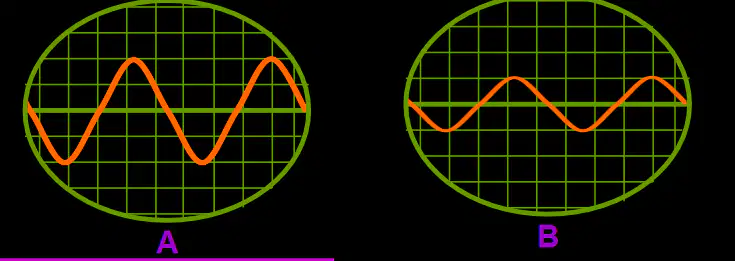
Which graph shows the loudest sound?
A
B

The pitch of the sound relates to which wave property?
Amplitude
Wavelength
Frequency
Speed
Which wave has the lowest pitch/ frequency?


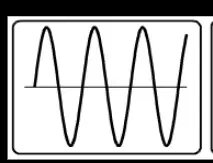

If a sound has a high pitch or frequency what will be the wavelength?
Longer wavelength
Shorter wavelength
A hornet flaps its wings at 200 flaps per second, a housefly flaps its wings at 100 flaps per second and a mosquito flaps its wings at 500 flaps per second. If flaps per second represent frequency which insect will make the sound with the lowest pitch?
Housefly
(100 flaps)
Hornet
(200 flaps)
Mosquito
(500 flaps)

