
 Worksheets
Science Unit 3 Part 2 Review 1
Total questions: 22
Worksheet time: 11mins
Name
Class
Date
1.
1. Animals that have three stages in their life cycles go through______________________.
a)
instinct
b)
incomplete metamorphosis
c)
complete metamorphosis
d)
nymph
2.
2. A characteristic that helps an organism survive is a(n) _____________________.
a)
adaptation
b)
incomplete metamorphosis
c)
complete metamorphosis
d)
environment
3.
3. All living things and non living things in an area make up a(n) ___________________________.
a)
incomplete metamorphosis
b)
complete metamorphosis
c)
environment
d)
nymph
4.
4. Animals that have four stages in their life cycles go through______________________.
a)
instinct
b)
incomplete metamophosis
c)
complete metamorphosis
d)
environment
5.
5. A _____________ looks like a tiny adult and molts as it grows.
a)
instinct
b)
complete metamorphosis
c)
environment
d)
nymph
6.
6. An inherited behavior an animal knows how to do without having to learn it is a(n) ___________________.
a)
instinct
b)
incomplete metamorphosis
c)
complete metamorphosis
d)
nymph
7.
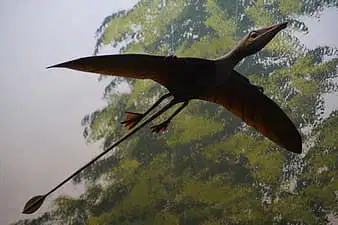
7. Mr. Lee is a Scientist who is studying an extinct bird. He wants to learn more about how it lived. Which feature of the bird would be the best thing for him to study to discover what the bird ate?
a)
beak
b)
feet
c)
tail
d)
wings
8.
8. Animals can be born and raised in many ways. Some animals lay eggs, others give birth to live young, and others are born and raised in pouches. Which animal gives birth to live young?
a)
bluejay
b)
bullfrog
c)
deer
d)
clownfish
9.

9. Sasha notices the object below on the ground near the nature trail. Which type of animal could be the parent of this offspring.
a)
coyote
b)
raccoon
c)
skunk
d)
quail
10.

10. Which adaptation of this mountain lion enables it to catch a deer?
a)
strong legs
b)
a long tail
c)
thick fur
d)
small ears
11.

11. Examine the beak on the bird below. For which type of feeding is the shape of this beak best suited.
a)
tearing food
b)
eating small seeds
c)
getting flower nectar
d)
digging insects from bark
12.
12. Elijah is preparing for a test on animal life cycles. He needs to remember how some animals go through incomplete metamorphosis. Which animal would be an example of an animal that goes through incomplete metamorphosis?
a)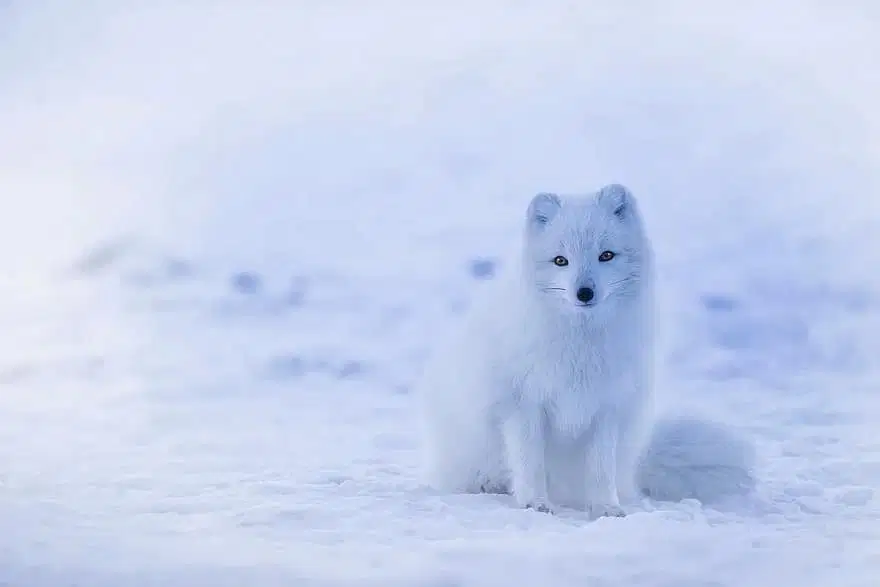
artic fox
b)
sea turtle
c)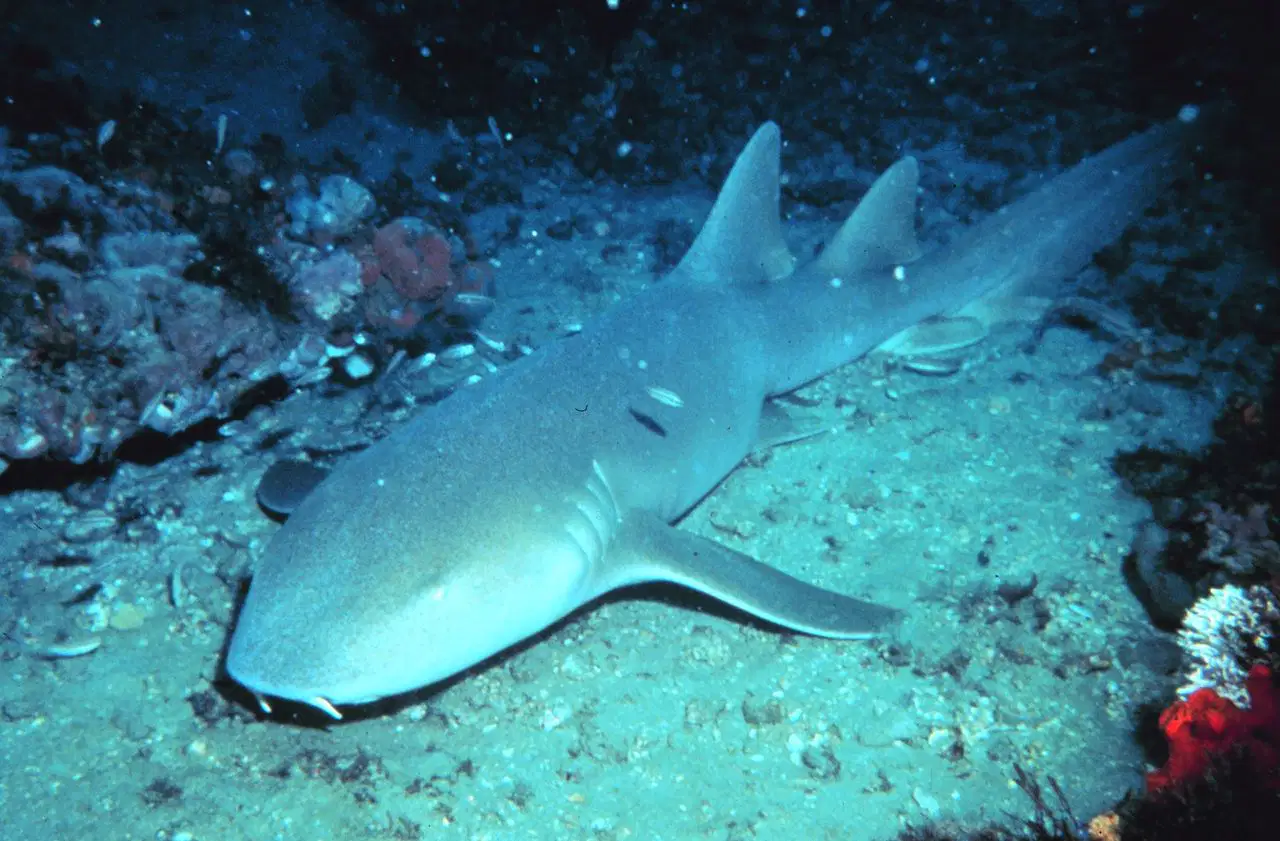
nurse shark
d)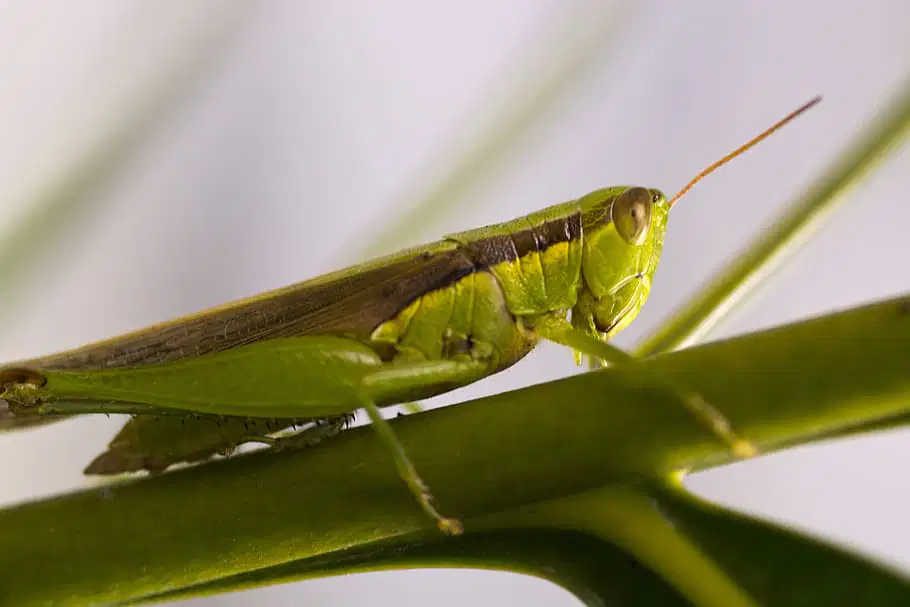
grasshopper
13.
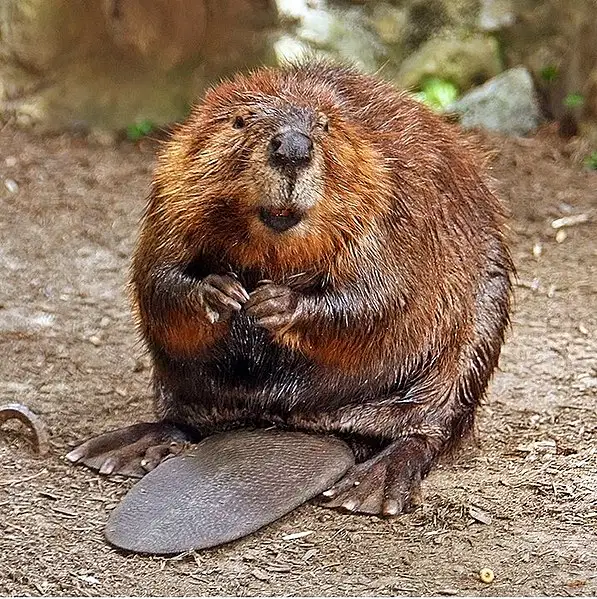
13. The animal below has webbed feet and a paddle-like tail. Where does this animal most likely live?
a)
in a tree
b)
in the desert
c)
near a stream
d)
on polar ice
14.
14. Wan is investigating in a wetland. He notices that many of the birds have similar beaks with the same kind of shape. Which statement is the most likely explanation for the similar beaks.
a)
The beaks are suited to the food available.
b)
The birds all belong to the same species.
c)
All birds have similar beaks.
d)
The birds build the same type of shelters.
15.
15. Sharks can smell very small amounts of substances in ocean water. What does this physical adaptation most likely help sharks do?
a)
sense water temperature
b)
find a place to lay eggs
c)
find a safe place to hide
d)
find food that is far away
16.

16. Monarch butterflies migrate to warm places every winter. What is their migration an example of?
a)
a trait
b)
an instinct
c)
a characteristic
d)
a learned behavior
17.
17. Where would an animal with thick white fur and a thick layers of fat most likely live?
a)
in the desert
b)
in a stream
c)
in a grassland
d)
in a polar region
18.
18. Benito finds a quails nest while on a hike. He notices that a mother quail has eggs in the nest. What is likely to happen next in the life cycle of the quail eggs?
a)
flying
b)
growing
c)
hatching
d)
reproducing
19.
19. Which adaptation would you expect in animals that live in caves?
a)
very good hearing
b)
poor hearing
c)
very good eye sight
d)
brightly colored fur
20.
20. Lakes are home to many kings of birds. Which feet are most likely the adaptation of a bird that swims in water to find food?
a)
Option 1
b)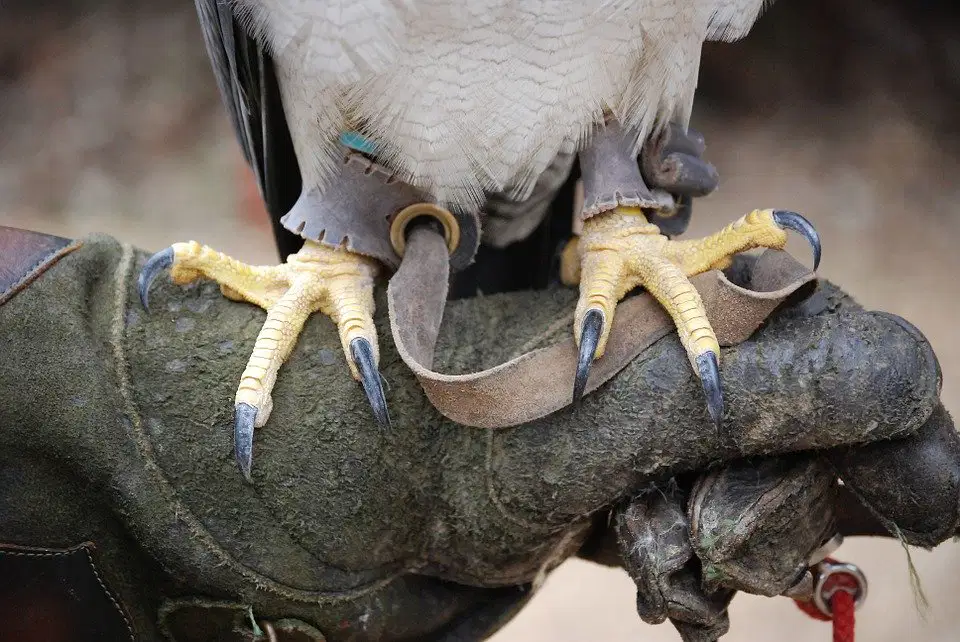
Option 2
c)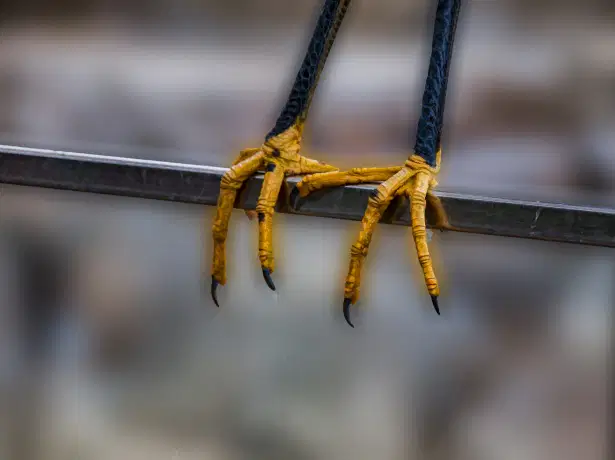
Option 3
d)
Option 4
21.
21. Which adaptation helps a sloth hang from tree branches?
a)
short snout
b)
long claws
c)
short arms
d)
long fur
22.
22. Why do reptiles and amphibians rarely live near polar environments?
a)
They do not have the physical adaptations for staying warm in cold environments.
b)
They do not have the adaptations for staying warm in warm environments.
c)
They have thik fur to keep them warm in that environment.
d)
They have scales that will keep them warm in the cold environment.
100 %

