
 Worksheets
REVIEW - The Canterbury Tales Prologue
Total questions: 100
Worksheet time: 1hrs 12mins
In what season are the pilgrims traveling?
Fall
Winter
Spring
Summer
Why are the travelers going to Canterbury?
They are on a pilgrimage to visit the healing waters of Aquinas
They are on a pilgrimage to see the relics of St. Thomas Beckett
They are on a pilgrimage to see King Thomas Beckett
They are on a pilgrimage to to visit the Shakespearean theater of Canterbury
Who shows up at the same inn as the narrator?
29 other pilgrims
20 other pilgrims
15 other pilgrims, a fox, a rooster, and a pack of hens
The Host
What does the narrator want from the other travelers?
He wants them to tell him stories
He wants them to keep it down so he can get some sleep
He wants them to pay him to be their guide to Canterbury
He wants to join them
Which travelers does the narrator want to describe?
The men
All 29 of his companions
The slave, the princess, and the charioteer
Just the ones who tell the best stories
Who welcomes the travelers to the inn?
The Hostess
The Host
The narrator's wife
The Cook
What does the Host propose to the group?
They they all sleep in the barn where it is warm and they can see the stars
That they stay a few extra days at the inn and have a story-telling contest
That they promise to return to the Inn after their trip to Canterbury and recount it
That they have a story telling contest on the way to Canterbury
Who will determine whose story is the best?
The Host
The narrator
The Judge
The Poet
What is the reward for the pilgrim that tells the most meaningful and comforting story?
They will receive a meal paid by the rest of the pilgrims
They will win a million dollars from the King
They will receive a nice pat on the back
They will receive a warm wool coat
What's the price for disagreeing with the host along the way?
That person has to travel alone for the rest of the way
That person has to pay everyone's expenses
The Host will beat him/her
That person will have to ride a donkey for the rest of the way
How many times had the Wife of Bath been married?
two
three
four
five
The Prioress spoke very poor...
English
Spanish
French
Russian
The Summoner's job was to...
oversee the land for the Lord of the Manor
summon people to Church Court
grind wheat into flour
buy food and drink for rich people
The Pardoner...
sold pardons to sinners for money
cheated both the Church and the people
sold fake relics
all of the above
The Knight was an honorable man.
true
false
Harry Bailey, the Host of the Tabard Inn, suggested that the pilgrims do this to pass the time on the road.
sing songs
eat and drink
pray
tell stories
Which word best describes the Pardoner?
Honest
Dishonest
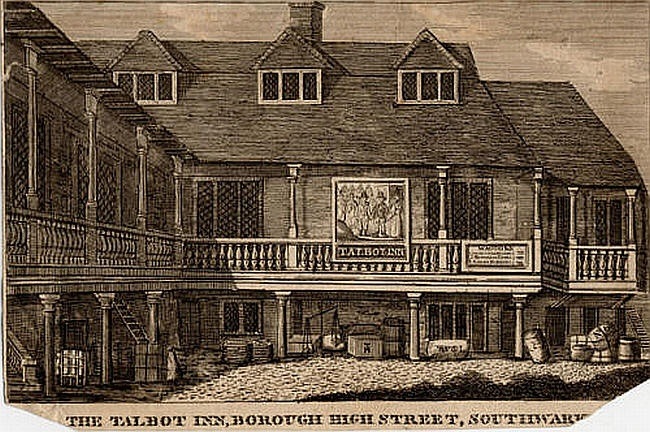
Why was everyone at the Tabard Inn?
They were making a pilgrimage to Canterbury.
They were on a trip to see the Archbishop.
They were looking for a place to eat.
They were looking for a night out on the town.
The characters in The Canterbury Tales represent the three estates:
The women, the men, and the children.
The royalty, the nobility, and the workers.
The nobility, the clergy, and the commoners.
The pilgrims, the farmers, and the city folks.
Why did everyone go on a pilgrimage to Canterbury?
To visit the court of King Henry II
To visit the shrine of Saint Thomas a Becket
To visit the grave of a beloved family member
To visit the home of Geoffrey Chaucer
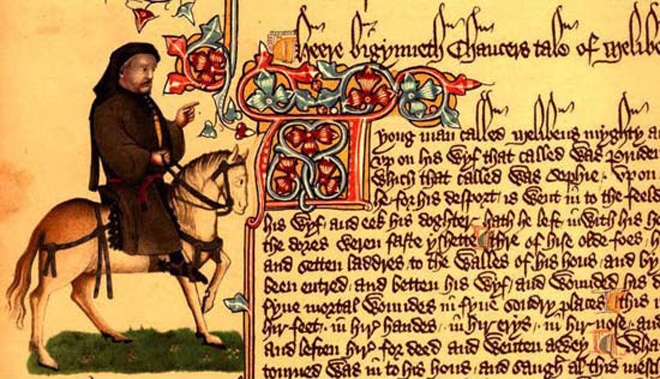
Thomas a Becket was
a Catholic priest
the Archbishop of Canterbury
a former friend of King Henry II
all of the above

Which of the following best describes the Knight?
brave and strong
truthful
modest clothing
all of the above

Which of the following best describes the Squire?
an expert woodsman, face "brown like a nut," carries peacock- feathered arrows
bald and fat, has a preference for hunting and fine clothes, doesn't care for hard work
very thin, only loves books, spends all his money on education
a ladies' man, a singer and songwriter, prides himself on his appearance

Which of the following best describes the Yeoman?
loud, less busy than he seems to be, well-spoken, and very wise
an expert woodsman, face "brown like a nut," carries peacock- feathered arrows
very thin, only loves books, spends all his money on education
forked beard, very good at business, makes money at others' expense

Which of the following best describes the Prioress?
forked beard, very good at business, makes money at others' expense
fancy dresser, always wanted to be first at the altar, married five times
very delicate and refined, emphasis on appearance, proper eater
honest and hardworking, in peace and harmony with God and nature

Which of the following best describes the Monk?
bald and fat, has a preference for hunting and fine clothes, doesn't care for hard work
fancy dresser, always wanted to be first at the altar, married five times
very thin, only loves books, spends all his money on education
a ladies' man, a singer and songwriter, prides himself on his appearance

Which of the following best describes the Friar?
bald and fat, has a preference for hunting and fine clothes, doesn't care for hard work
receives payment for others' confessions, marries off young women, takes money from widows
an expert woodsman, face "brown like a nut," carries peacock- feathered arrows
loud, probably less busy than he pretends to be, wise

Which of the following best describes the Merchant?
forked beard, very good at business, makes money at others' expense
loud, probably less busy than he pretends to be, wise
white beard, spends his money freely, well-liked by other pilgrims
has an oozing ulcer on his knee, questionable hygiene

Which of the following best describes the Cleric?
bald and fat, has a preference for fine clothes and luxuries, and doesn't care for hard work
very thin, only loves books, spends all his money on education
seems wise, made a lot of money as a lawyer, knew the law by rote, less busy than he seemed to be
an expert woodsman, face "brown like a nut," carries peacock- feathered arrows
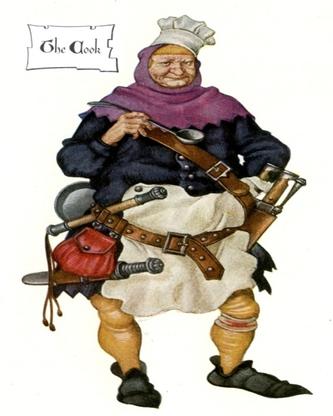
Which of the following best describes the Cook?
very fancy dresser, always wanted to be first at the altar, well-traveled, married five times
big, brawny, tells dirty tavern stories, strong and plays the bagpipes
has an oozing ulcer on his knee, questionable hygiene
very poor, ideal parish priest, well-educated
Middle English is a hybrid of the following languages:
German, Spanish, and French
French, German, and Latin
French, Latin, and Italian
German, Gaelic, and French
The words "English" and "England" originate from the language of the following group which invaded Great Britain:
the Norse
the Norman French
the Romans
the Germanic tribes
From the 11th to the 14th century, _________ was considered a low-class, vulgar language in Great Britain.
French
English
Italian
Latin
The following writer was influential in making English a "legitimate" language:
Dante
Chaucer
Shakespeare
Petrarch
What is the main characteristic of the Yeoman as described in the text?
His ability to play the lute
His skill in archery
His talent in preaching
His expertise in summoning offenders to church courts


cleric student


In what month do the pilgrims begin their journey?
April
March
May
June


The ___________________ provides a snapshot of all of the pilgrims.
tale
General Prologue
prologue
All of the other answers are correct.
A frame story
includes any number of narratives
is demonstrated in "The Princess Bride"
is shown in the Canterbury Tales when pilgrims tell stories within the main story
all of these
The story is set in
Middle England
Modern England
Medieval England
None of these
These themes are included in The Canterbury Tales:
sin, religious differences
treachery, hypocrisy
romance/courtly love
gender roles and expectations
All of the other responses are correct.
The Canterbury Tales was originally written in
Old English
Modern English
Middle English
none of these
The pilgrims were traveling to the shrine of
John the Baptist
St. Peter
Paul the Apostle
Thomas Becket
Thomas Becket was killed by
King Henry II
churchgoers
the knights of King Henry II
another archbishop
Satire ridicules (pokes fun at)
human weakness
vice (bad habit)
folly (mistake)
all of these
Many refer to Geoffrey Chaucer as the -
“The Bard From Stratford-Upon-Avon”
"The Father Of English Poetry"
"The Metaphysical Poet"
"Chaucesome Sauce"

