wayground logo

Free Printable Worksheets

Font size

S
M
L
XL
Worksheets

Post- World War II (SS8H10)

Total questions: 10

Worksheet time: 5mins
Name
Class
Date
1.

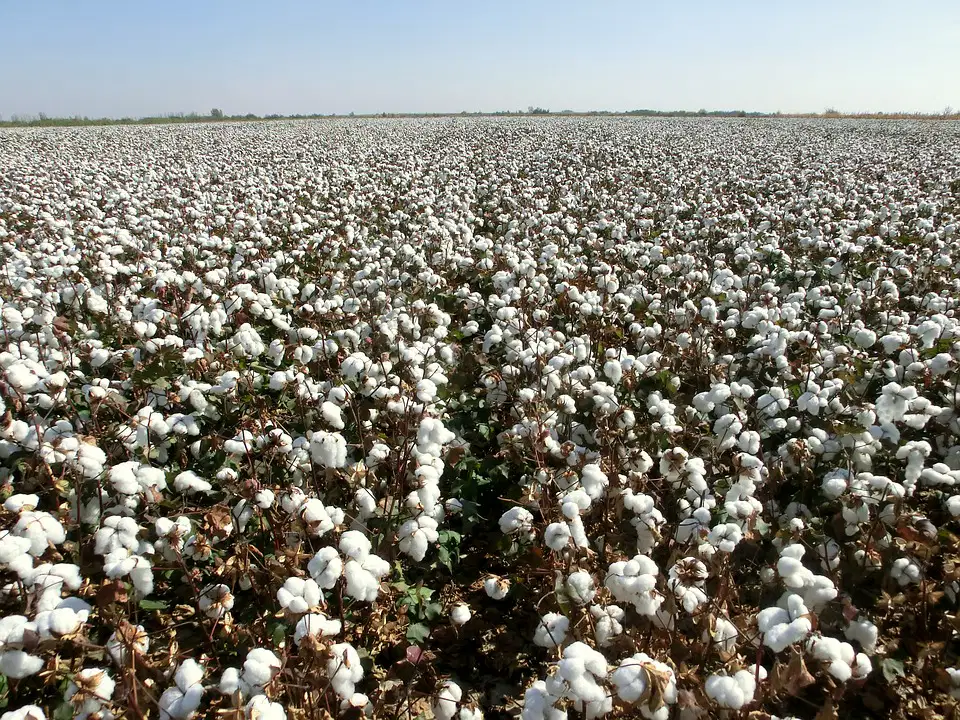
All of the following EXCEPT ONE explains how the widespread adoption of synthetic fibers affected farming in Georgia? Which one doesn't belong?
a)
fewer acres were devoted to cotton production
b)
cotton was replaced with other agricultural products like pecans, poultry, and pine trees
c)
new crops that replaced cotton production required fewer farmers
d)
the rise of synthetic fibers increased the movement from farms to the city
e)
more acres were devoted to cotton production
2.
In a complete listing of the factors that transformed the countryside in Georgia after the Second World War, which of the following would be included?
a)
GI Bill gives more opportunities outside of agriculture
b)
Changes in seed technology, fertilizer, and pesticides.
c)
Use of synthetics instead of cotton
d)
Mechanization
e)
Introduction of the sharecropping system
3.
What BEST explains why business and industry might be attracted to Georgia in the 1950s and 1960s because of its non-unionized workforce?
a)
Traditionally, workers in unions make lower wages than non-unionized workers; this would lower costs for businesses in Georgia.
b)
Traditionally, non-union workers make lower wages than union workers ; this would lower costs for businesses in Georgia.
c)
Non-unionized laborers are usually much higher skilled than union workers; this would lower costs for businesses in Georgia
d)
There would be no advantage to a non-unionized workforce.
4.

Which of the following helped increase farmers' yields after World War II?

a)

tractors and mechanization

b)
the microwave oven
c)
color television
d)
air conditioning
5.

Which of the following helped increase farmers' yields after World War II?

a)

automobiles

b)
the microwave oven
c)

seed technology

d)
air conditioning
6.

Which of the following helped new technologies helping farmers relied on World War II munitions factories and techniques? From bombs to _______________

a)

pesticides

b)

seed technology

c)

fertilizers

d)

tractors

7.

What BEST characterizes the population shifts in Georgia from 1945 to 1970?

a)

The number of farmers increased

b)

The number of rural people increased

c)

The number of farmers decreased slightly

d)

The number of farmers decreased significantly

8.

What was produced at the Savannah and Brunswick shipyards during World War II?

a)

Liberty Ships

b)

Bombers

c)

automobiles

d)

tanks

9.

As a result of technological advances in seed technology, fertilizer, and pesticides, farmers saw a dramatic increase _____ ______ per acre which meant fewer farmers were needed.

a)

crop yield

b)

white population

c)

carbon emissions

d)

G.I. Bill

10.

What BEST illustrates the impact of the G.I. Bill on the migration of Georgians from rural to urban settings.

a)

The GI Bill offered opportunities OFF the farm.

b)

GI Bill paid farmers to produce less

c)

Gi Bill gave veterans jobs in the city