
 Worksheets
Water ad the Water Cycle
Total questions: 242
Worksheet time: 3hrs 7mins

Which process of the water cycle is similar to water droplets forming on grass early in the morning?
precipitation
condensation
evaporation
runoff

What is another name for the water cycle?
high quality H2O
watershed
hydrosphere
hydrologic cycle

An underground area of sediment and rock that is filled with groundwater is a?
watershed
reservoir
geyser
aquifer

Which of the following states is the smallest amount of water found?
water vapor
ice
liquid H2O
groundwater

How much of the Earth's surface is covered by water?
97%
71%
29%
17%

Humans are directly involved in the water cycle because of?
respiration
& perspiration
respiration
& precipitation
transpiration
& respiration
none of these

Water plays a major role in shaping the surface of the Earth, how?
respiration
erosion
evaporation
transpiration

Volcanoes are important in the water cycle because they release this during eruptions?
water vapor
lava
smoke
hail

This is responsible for keeping water constantly moving in the water cycle?
sunlight
wind
earthquakes
molten core of Earth

What percentage of the Earth's water is saltwater, and cannot be used by people?
99%
97%
71%
3%

All of the water on Earth makes up this?
water table
atmosphere
hydrosphere
none of these

The layer of gases that surrounds the Earth is called?
hydrosphere
blue planet
atmosphere
water cycle

An artificial or man made lake used to store water for human usage is a?
water table
water bed
aquifer
reservoir

When water changes from a liquid to a gas, it is called?
evaporation
transpiration
runoff
condensation

An area of land that catches all of the precipitation and surface runoff in an area?
water table
reservoir
watershed
aquifer

Most of the frozen water on Earth is found in?
groundwater
glaciers
geysers
hail

When plants lose water through pores in their leaves?
evaporation
transpiration
runoff
percolation

The upper level of the groundwater is called?
water table
groundwater
aquifer
reservoir





Water is precious and MAY NOT last a long time.
True
False
Select ALL the ways that we can conserve water
Reducing use
Reusing water
Recycling water
Running water
Conserve means to use water ...
Carelessly
Carefully
We need water to keep us (a) .
Reduce means to use (a)
Do you leave the tap ON while you are brushing your teeth?
Yes
No
Something
Reuse means to use the water...
never
again
once
less
Select one way we can reduce water use.
wash dishes under a running tap
wash dishes in the big bath
wash dishes in a sink
After we wash fruit and vegetables, we should _________ the water.
throw away
water the plants with
shower with
drink
Should we conserve water?
Yes
No
I don't know what conserve means

I am a huge body of salt water covering most of the earth who am I?
River
Ocean
Pond

Which one is smaller than a river
Sea
Pond

We need water for _________.
Bathing
Reading

We should waste water
No
Yes

Water is used for cooking food.
True
False

We should turn off the tap when not using water
No
Yes

We should always drink _______ water.
Dirty water
Cold water
Clean water

We should not throw waste in water
True
False
Sometimes

Which of these is a underground water source.
Lake
Well
Ocean
Pond

When do we use water?
Always
Sometimes

Why do we water plants?
To waste water
Plants need water to grow

Why do we use water for bathing?
To play
To run
To study
To have good body hygiene

Which of these is not a source of water?
Pond
Desert
Lake
River

We can not drink sea water because
It's sweet in taste
It's salty in taste
It's bitter in taste
Causes of Water Shortages:
Population Growth
Pollution
Sewage
Climate Change
Mismanagement
Impact of Water Shortages
Drought
Conflict
Famine
Increased risk of diseases
People may be forced to relocate
Solutions to Water Shortages
Sewage Treatment:
Desalination
Conservation:
Water Charities:
Only 2.5% of the water on Earth is freshwater
True
False
The supply of water humans use comes from what main sources:
Lakes and rivers
Reservoirs
Aquifers
Glaciers
What is the amount of global water used by agriculture:
20%
70%
50%
80%
Water demand is higher in MEDCs than LEDCs as a result of
Improving living standards
Increased urbanisation
Increased use of water in leisure and tourism
Increasing industry
Management to Reduce Domestic use includes:
Drip irrigation
Water companies fixing leaks and improving efficiency
Use of grey water for washing cars and watering plants
Water efficient appliances
UNICEF estimates 2.2 billion people do not have access to potable (clean drinking) water
True
False
Physical water scarcity is:
When a population does not have the money to utilise the available water resources
When physical access to water is limited due to the climate conditions of the area
When the supply of water is below 1700m3 a year per person


Potable water means...
Water which comes straight from a river or reservoir
Water containing bacteria
Water which is safe to drink
Water which contains a high concentration of salt
Water pollution and waste plays a big factor in water shortage.
True
False



For what purpose is most of the water used in households?
What city averted a water crisis (Day Zero) by conserving water
Cape Town
Mexico City
Kuwait
What is happening in Mexico City due to the fact that there is an over use of groundwater?
catching fire
people are moving away
increased industry
its sinking
What percent of water is coming from underground in Mexico City?
Where does arid Southern California get it's water?
Colorado River
Groundwater
Mississippi River
Mexico City loses what amount of its drinking water due to leaky pipes?
10%
20%
25%
50%
Agriculture uses what percentage of the water worldwide?
15%
40%
70%
90%
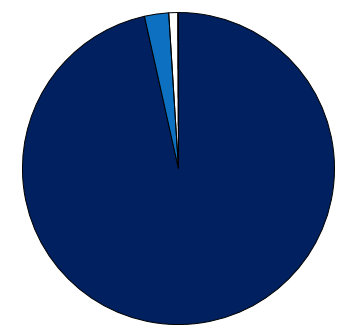
What percent of Earth's water is fresh water?
5%
3%
1%
20%
What do you mean by water conservation ?
to save water
to drink water
to play with water
to heat up water
We cannot drink water from sea/ocean because it is?
bitter
salty
creepy
tangy
Why is clean water important?
All life on Earth depends on clean water to live and grow.
We need clean water for recreational activities.
We need bodies of water for transportation
We need water to regulate the temperature on Earth.
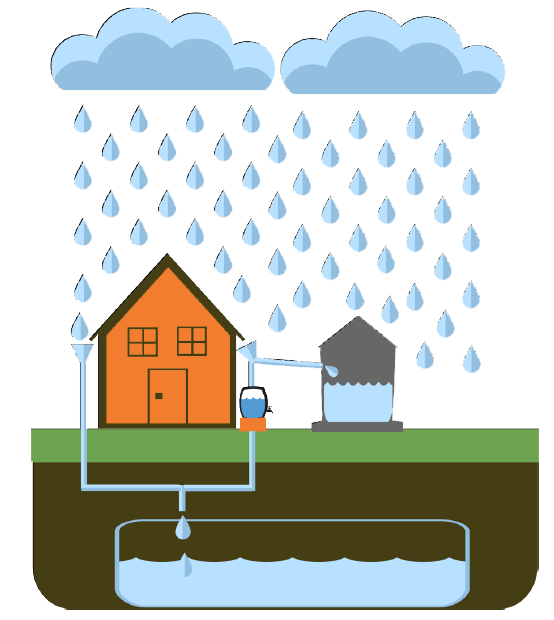
Identify the given picture
beautiful house
under ground water
rain water harvesting
Why does plant need water?
To make food through photosynthesis
To reproduce
To grow
All of the above
Keeping the water running while you brush your teeth wastes a lot of water
True
False
When conserving water, the 3Rs we need to remember are:
Remove, Reuse, Recycle
Report, Remove, Reduce
Reduce, Reuse, Recycle
Reduce, Reuse, Rethink
Water exists in ...... forms.
2
3
5
4
Too much rain causes


Huge source of water is
river
ocean
pond
lake
A plant that needs less water


Drinking water should be stored in
uncovered container
covered container
covered and clean container
open container
A situation arises due to no rainfall in an area for a long period of time.
drought
tsunami
cyclone
storm
The gaseous form of water is
ice
water
water vapour
steam
This is not a form of water
dew
fog
snow
rain
It is a not a good practice.
We should close the tap while brushing.
We should water the plants regularly.
We can ignore the leaks in the pipes.
We should not clean the utensils in the running water.
This is not a correct statement
The different forms of water are interchangeable.
Water is odourless
Water can take shape of the container in which it is kept.
Sea water is sweet in taste.

I am a glacier (ice). What sphere am I?
hydrosphere
geosphere
atmosphere
biosphere

I contain plants, animals and everything on Earth. What sphere am I?
hydrosphere
geosphere
atmosphere
biosphere

I am the sphere that you walk over. What sphere am I?
hydrosphere
geosphere
atmosphere
biosphere

This sphere contains all of Earth's rocks.
hydrosphere
geosphere
atmosphere
biosphere

A volcanic eruption creates new land on what sphere?
hydrosphere
geosphere
atmosphere
biosphere

Carbon dioxide and oxygen help to make up this sphere.
hydrosphere
geosphere
atmosphere
biosphere

Oceans, lakes and rivers are part of this sphere.
hydrosphere
geosphere
atmosphere
biosphere
Most of Earth's water is found in
lakes
glaciers
icebergs
oceans
What percentage of fresh water is not frozen?
50%
75%
1%
3%
The formula for water is
H2O
CO2
H2O2

The process of liquid water becoming a gas is known as
condensation
evaporation
precipitation

The process of gas becoming a liquid is known as
condensation
evaporation
precipitation

The release of rain, sleet, hail and snow is also known as
condensation
evaporation
precipitation
What is the process that involves the continuous circulation of water in the Earth's atmosphere?
Rock Cycle
Water Cycle
Earth Water Cycle

Water, forests, fossil fuels, minerals and plants are examples of
elements
natural resources
pesticides

Wearing away of rock material on the Earth's surface by water, wind, or ice is called?
geography
erosion
mineral
What fraction of the Earth is covered in water?
1/2
3/4
Today the temperature is 32 degrees. This is
weather
climate
The summer of July 2020 is now Buffalo's warmest month on record and broke a record that withstood almost a century.
weather
climate


What is the hydrosphere?
The water I drink at home
The sum of the seas and oceans
All the water on the Earth's surface, groundwater and vapour water
Groundwater is...
The water under the Earth's surface
The water that forms the clouds
The water of the swimming pool
There are two states of water
True
False
How many states of water are there?
0
2
3
5

Fresh water is the water of the seas and oceans
True
False

Salt water is the water of the seas and oceans
True
False

What is the name of the frozen water on Earth?
Aquifer
Hydrosphere
Ice caps
Spring

What is the name of this process?
Evaporation
Collection
Condensation
Precipitation

When solid water turns into liquid water it is called...
Solid water
Melting
Condensation
Freezing
The source of a river is...
Where the river is born
Where the river ends
The amount of river water
The place where the river flows into the sea is called...
Tributary
Floodplains
Source
The mouth
Guadalquivir river is an Andalusian river
True
False

Identify the use of water shown in the picture.
Domestic
Irrigation
Food Source
Industrial
Electricity Generation

Identify the use of water shown in the picture.
Domestic
Irrigation
Food Source
Industrial
Electricity Generation

Identify the use of water shown in the picture.
Domestic
Irrigation
Food Source
Industrial
Electricity Generation

Identify the use of water shown in the picture.
Domestic
Irrigation
Food Source
Industrial
Electricity Generation

Identify the use of water shown in the picture.
Domestic
Irrigation
Food Source
Transportation
Electricity Generation

Identify the use of water shown in the picture.
Domestic
Irrigation
Food Source
Industrial
Electricity Generation

Identify the use of water shown in the picture.
Recreation
Irrigation
Food Source
Industrial
Electricity Generation
It is the process of a liquid water (oceans, lakes, or rivers) changing to a gas ( water vapor).
Evaporation
Condensation
Precipitation
Surface Runoff
Infiltration
It is the process of a gas (water vapor) changing to a liquid ( water droplets).
Evaporation
Condensation
Precipitation
Surface Runoff
Infiltration
It is any liquid or solid water that falls to Earth which includes rain, snow, or hail.
Evaporation
Condensation
Precipitation
Surface Runoff
Infiltration
It is a variety of ways liquid water moves across land such as through rivers and streams.
Evaporation
Condensation
Precipitation
Surface Runoff
Infiltration
It is the process by which water on the ground surface enters the soil.
Evaporation
Condensation
Precipitation
Surface Runoff
Infiltration
What drives the water cycle?
rain
temperature
the Sun
rotation
What is another word for thermal energy?
solar
wind
heat
light

This picture of the mirror shows an example of--
precipitation
transpiration
evaporation
condensation

This picture shows -
evaporation
condensation
precipitation
transpiration
Which of the following events in the water cycle is an example of solar energy being absorbed?
Water vapor condensing to form clouds.
Water evaporating from the surface of an ocean.
Rain freezing as it falls to the ground.
Clouds releasing precipitation over a mountain.

The diagram shows the process of evaporation over the ocean. What is the most likely effect of this process on the land areas nearby?
Increased drought conditions
Decreased erosion of the shoreline
Increased precipitation
Decreased solar energy

This photograph shows a beach on a partly sunny day. Which of the following is an interaction between the sun and the ocean that results in clouds forming near the beach?
Energy from the sun causes precipitation over the ocean.
Energy from the sun causes water to evaporate from the ocean.
Light from the sun reflects off the surface of the ocean.
Light from the sun decreases the amount of water vapor in the air over the ocean.

The model shows where water can be found during different stages of the water cycle. What should be added to the diagram to better explain the water cycle?
Soil to trap water from runoff
Rocks to release thermal energy
The sun to provide energy for evaporation
Plants to provide oxygen in the atmosphere

The picture shows a cumulonimbus cloud forming over an ocean. Which statement best explains how the sun and the ocean interact to form a cumulonimbus cloud?
Heat from the sun warms the ocean causing water to evaporate. The water vapor then condenses to form a cumulonimbus cloud.
Heat from the sun causes clouds in the area to gather over the ocean and form on large cumulonimbus cloud.
Light from the sun shines on the ocean, causing water vapor to condense. The water then evaporates to form a cumulonimbus cloud.
Light from the sun causes ocean water to reflect water vapor in the air and gather over the ocean into a cumulonimbus cloud.
The water we drink goes through the water cycle.
True
False
Water runs off into rivers, oceans, and streams when it rains.
True
False
When water heats up it evaporates or turns into a gas that is carried up into the atmosphere.
True
False
When the gas reaches the clouds condensation occurs and the gas turns back into a liquid.
True
False
When the clouds get heavy with liquid percipitation occurs and the water is relased back to the earth in the form of rain, sleet, or snow.
True
False
The water cycle is an ongoing process that repeats over and over agian.
True
False
Condensation is
water released from clouds in the form of rain, freezing rain, sleet, snow, or hail
the process by which water vapor in the air is changed into liquid water
Precipitation is
water released from clouds in the form of rain, freezing rain, sleet, snow, or hail
is the process by which water changes from a liquid to a gas or vapor
Evaporation is
the process by which water vapor in the air is changed into liquid water
is the process by which water changes from a liquid to a gas or vapor
What is the water cycle?
Water changes from a liquid to a gas.
The process through which water moves around the Earth.
The sun heats the ocean.
The major stages of the water cycle are:
Sun and moon
Evaporation and condensation
Sublimation and explanation
Cereal and milk
What drives the water cycle?
Temperature
Dale Earnhardt
Evaporation
Condensation
Water in any form falls to Earth.
Condensation
Sublimation
Evaporation
Precipitation
Water changes state from a liquid to a gas.
Evaporation
Condensation
Sublimation
Precipitation
Clouds form because of...
wind
punxsutawney Phil
condensation
Storm from X-Men
Water changes state from a solid to a gas.
Condensation
Sublimation
Evaporation
Precipitation
Make an inference: Where would the most transpiration occur?
Gobi Desert
Brazilian Rainforest
Russian tundra
Who would win in a race?
A quesadilla
A grilled cheese
Ravioli
Sardine pizza
What do you know about water cycle? Explain in 3 minutes.
Which of these changes of state is formed in the process of water cycle?
Melting
Precipitation
Condensation
Boiling
What happened when water vapor rises in the air? Explain in 5 minutes.
Why is water cycle important? Explain in 5 minutes.

