
 Worksheets
Chapter 12.1 - Nutrients at work for you
Total questions: 50
Worksheet time: 33mins
What is the main focus of Chapter 12.1 in the learning material?
Exercise and Fitness
Healthful Eating
Cooking Techniques
Food Preservation
What will you be able to explain after studying Chapter 12.1?
The process of photosynthesis
The importance of choosing nutritious foods
The history of dietary science
The types of macronutrients
What are you expected to identify and describe from Chapter 12.1?
The economic impact of food production
Good food sources of various nutrients and how your body uses them
The cultural differences in food preferences
The molecular structure of carbohydrates
After creating your FOLDABLE- How many NUTRIENTS are there?
3
5
6
8
Which of the following is NOT listed as a NUTRIENT that keeps your body working properly?
Fiber
Carbohydrates
Proteins
Fats
Which nutrient is PRIMARILY used by the body for ENERGY needs?
Proteins
Vitamins
Minerals
Carbohydrates
What is the primary function of SUGAR as a carbohydrate in the diet?
Provides long-lasting energy
Helps with digestion
Provides quick energy
Has no specific function
Which of the following is a source of SIMPLE carbohydrates?
Whole grains
Vegetables
Milk, candies, soda
Beans
What type of carbohydrate is FIBER?
Simple
Complex
Protein
Fat
What type of carbohydrate is SUGAR classified as?
Complex carbohydrate
Fiber
Simple carbohydrate
Protein
What is STARCH known as?
A simple sugar
A type of fiber
A complex carbohydrate
A protein
What is FIBER classified as?
A) A simple sugar
B) A complex carbohydrate
C) A protein
D) A vitamin
Why do we need fiber in our diet?
A) To provide energy
B) To build muscle
C) To keep our bodies healthy and help get rid of waste
D) To improve brain function
What are PROTEINS made up of?
Carbohydrates
Amino acids
Fatty acids
Nucleic acids
What is the role of proteins in the body?
They are the primary source of energy.
They are the building blocks for your cells.
They help in the absorption of vitamins.
They are used to store genetic information.
What is the state of SATURATED FATS at ROOM temperature?
Liquid
Gas
Solid
Semi-solid
UNSATURATED FATS are usually in what state at ROOM temperature?
Solid
Semi-solid
Gas
Liquid
How does the body obtain (make) CHOLESTEROL?
Through water consumption
By manufacturing it itself through the sun
Only from plant sources
Exclusively from dietary supplements
Which FOODS are sources of cholesterol?
Fruits and vegetables
Eggs and shellfish
Whole grains
Legumes
What effect do saturated fats and dietary cholesterol have on blood cholesterol levels?
They decrease blood cholesterol levels
They have no effect on blood cholesterol levels
They tend to raise blood cholesterol levels
They fluctuate blood cholesterol levels
What are MINERALS?
Organic substances needed for energy production
Inorganic substances needed for building tissues and regulating body functions
Synthetic elements used in technology
Natural resources used solely for construction
Which mineral is essential for the proper development of bones and teeth?
Iodine
Calcium
Fluorine
Phosphorus
What is the primary function of proteins in the body?
A) To provide energy
B) To assist in digestion
C) To build and repair body tissues
D) To regulate body temperature
What is the effect of consuming too much sugar on the body?
A) It can lead to weight loss
B) It can lead to vitamin deficiency
C) It can lead to tooth decay and other health problems
D) It has no effect
Which nutrient is the most VITAL nutrient to all BODILY PROCESSES?
Which one of these is considered the "HEALTHY FATS" that we get from foods?
Unsaturated
Amino acids
Saturated
Calories
Energized
About how much percentage of the body is water?
70%
20%
90%
10%
Which vitamin is needed for healthy vision?
Vitamin A
Vitamin B
Vitamin K
Vitamin D

Your hair, skin, and muscles are made of proteins.
True
False
We need to eat a variety of foods because one food does not have all the nutrients.
True
False
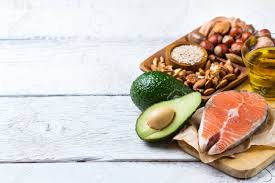
Fish, nuts, oils and avocado are healthy sources of....
Fiber
Protein
Minerals
Fat

Which Vitamin is the only one our bodies can make?
A
D
B12
Calcium
An example of a food filled with carbohydrates is...
Eggs
Bread
Cheese
Poultry
The best way to fill your diet with Iron is by eatting
Red meat
Leafy green vegetables
Thick skinned fruit
Brown rice

Fat-soluble vitamins can dissolve in water.
True
False

____ are a specific type of protein that helps fight infections.
antibodies
enzymes
amino acids
complete proteins

Failure to get enough of needed nutrients may result in deficiency disease.
True
False
Brandon just ate celery with peanut butter on top. Did he eat any protein?
Maybe
Yes
No
Which of the following foods are good sources of PROTEINS?
kale
eggs
tortillas
Beans
meats
You are having a snack before a two-hour-long soccer practice.
What NUTRIENT should your snack be high in?
(a)
Fat soluble vitamins include the following EXCEPT:
vitamin B
vitamin E
vitamin K
vitamin D
vitamin C
Plant proteins are called: (FNW-4.1)
complete proteins
cholesterol
incomplete proteins
fat
Which of the following foods is NOT a protein source?
Orange
Steak
Eggs
Chicken

