
 Worksheets
Homework 2
Total questions: 92
Worksheet time: 4hrs 49mins

Choose the name of the sign.
No Left Turn
No U-Turn
No Entry
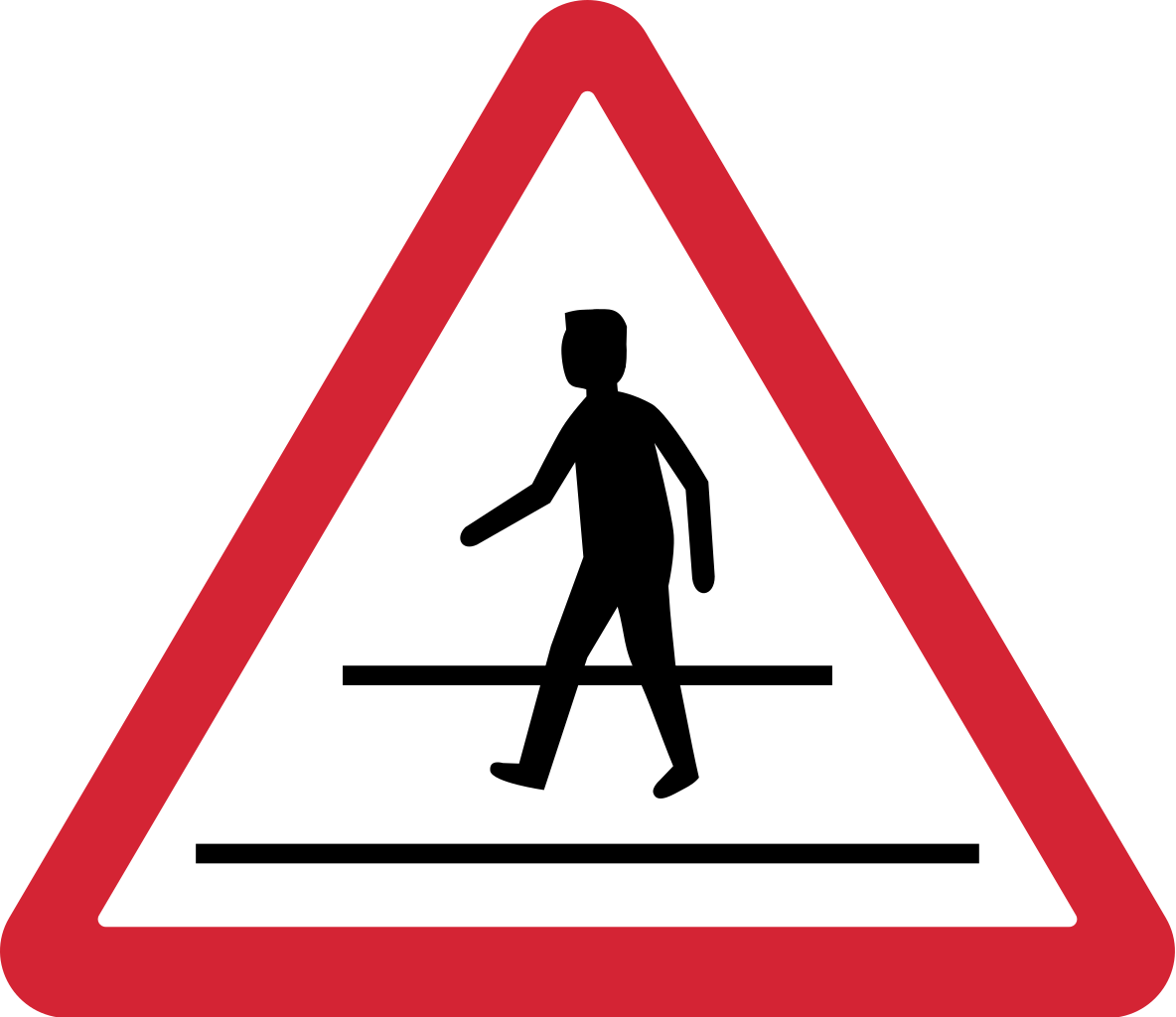
Choose the name of the sign.
Parking
Pedestrian Crossing
No Blowing of Horn
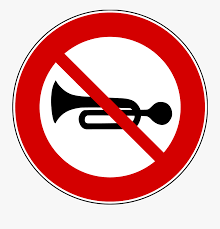
Choose the name of the sign.
No Blowing of Horn
No Left Turn
No Pedestrian Crossing
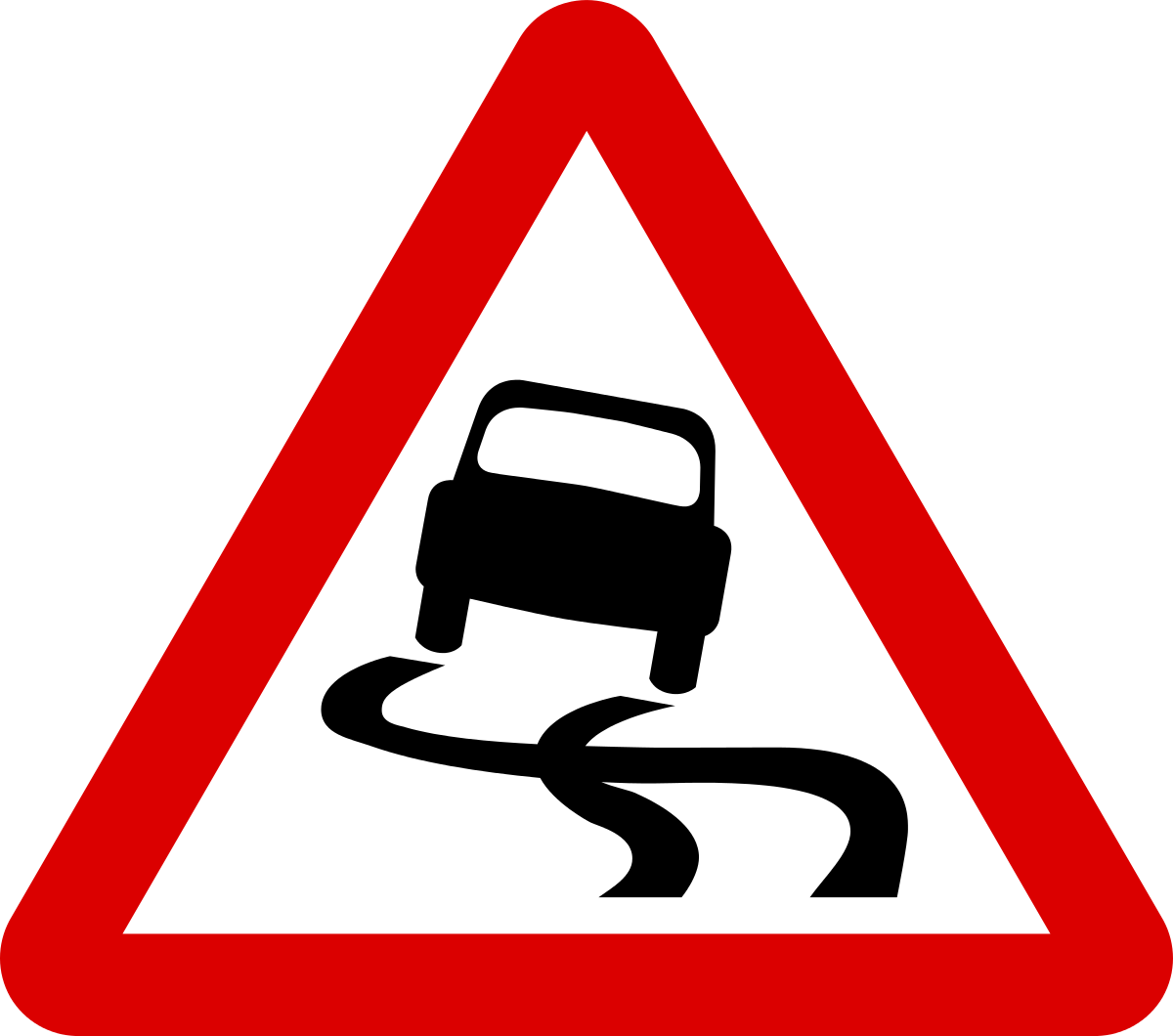
Choose the name of the sign.
No Parking
No Entry
Slippery Road
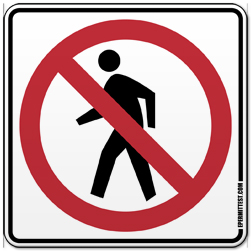
Choose the name of the sign.
No Entry
No Parking
No Pedestrian Crossing
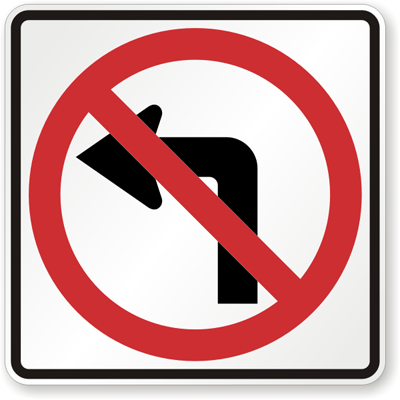
Choose the name of the sign.
No U-Turn
No Left Turn
No Right Turn
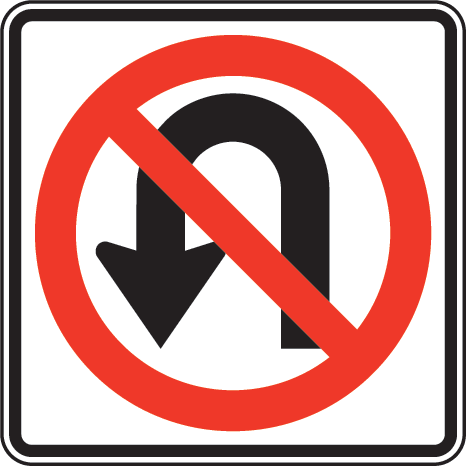
Choose the name of the sign.
No U-Turn
No Left Turn
No Right Turn
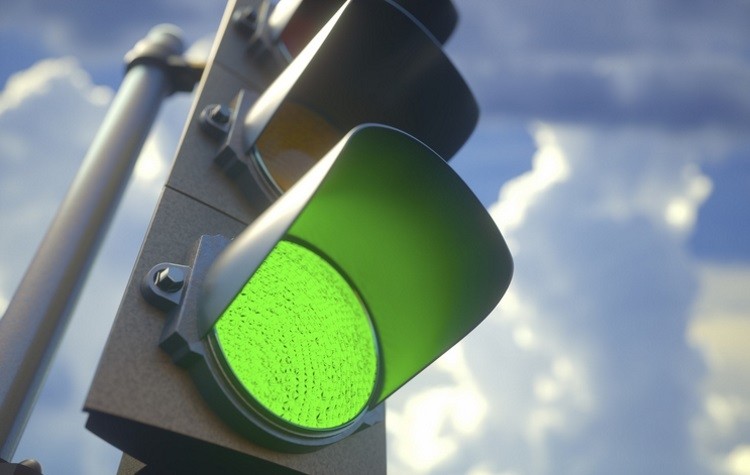
Choose the meaning of each traffic light.
A driver should slow down and be prepared to make a full stop
A driver should come to a complete stop
A driver can start driving
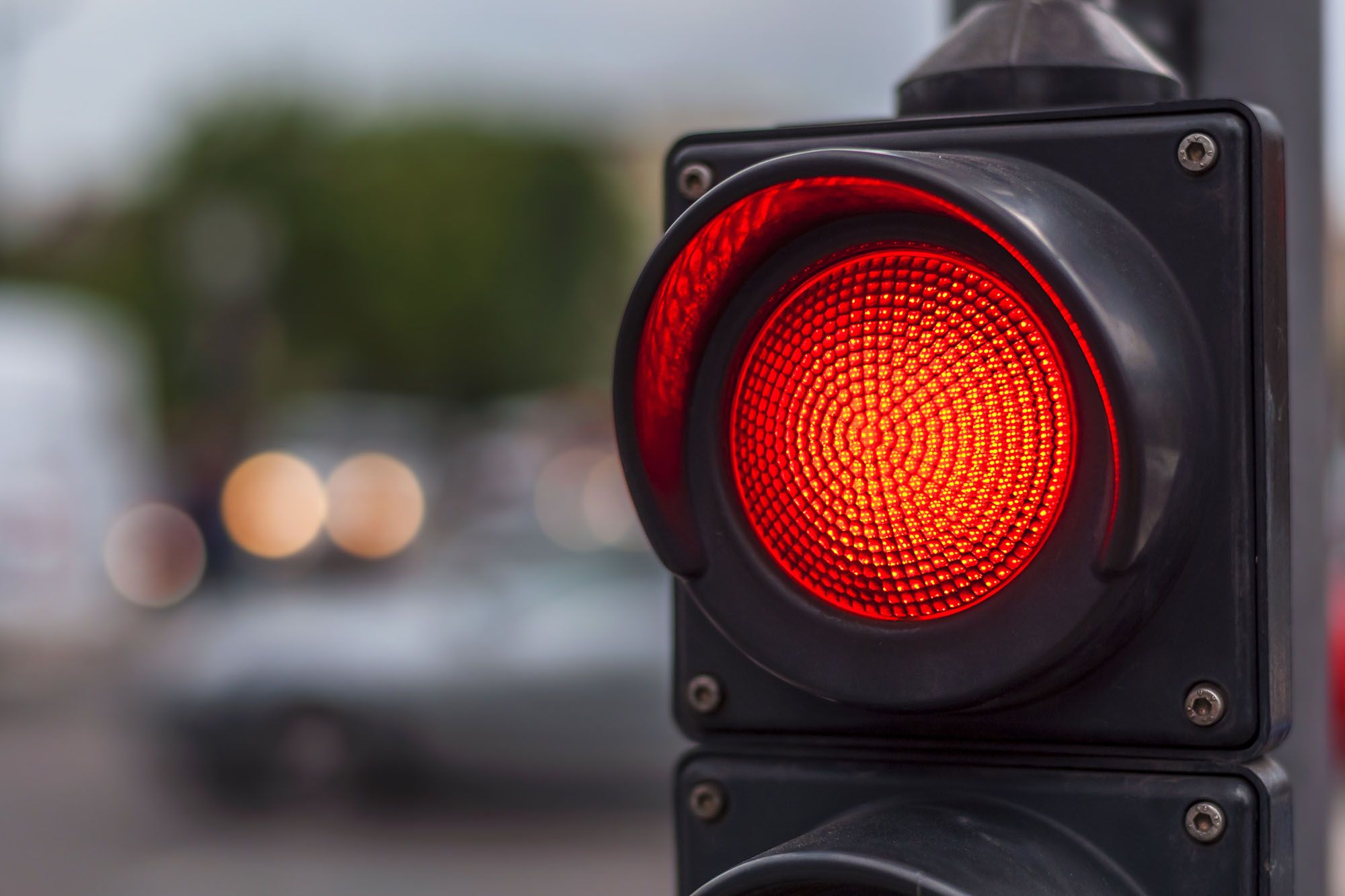
Choose the meaning of each traffic light.
A driver should slow down and be prepared to make a full stop
A driver should come to a complete stop
A driver can start driving
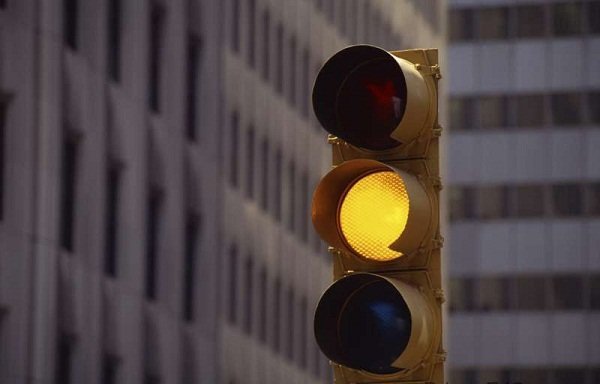
Choose the meaning of each traffic light.
A driver should slow down and be prepared to make a full stop
A driver should come to a complete stop
A driver can start driving

What does this sign represent?
Work site ahead
Excavation site
Archaeologists ahead
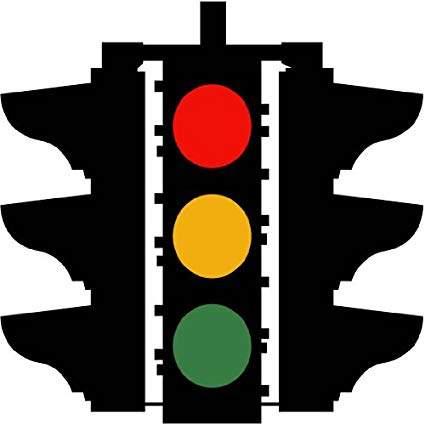
In a street light, what does the yellow light represent?
Go faster
Go
Go slower/stop
Stop
What is the speed limit in the school zone?
45 kph
30 kph
60 kph
35 kph

What sign is this?
Kids allowed
Work signed
School Zone
Walk with a partner

What sign is this?
Cross sign
Do not cross sign
Do not enter
Walk slow

What sign is this?
Go sign
Go slow sign
Stop sign
Go ahead sign

What does this sign represent?
Reserved place
You can sit here
Crossing area
Stop sign

What does this sign represent?
20 cars
20 minutes
20 mph
20 kph

What does this sign represent?
Narrow bridge ahead
One way road
Do not enter
No food allowed

What does this sign represent?
No pets allowed
Look both ways
Two way street
Narrow street ahead
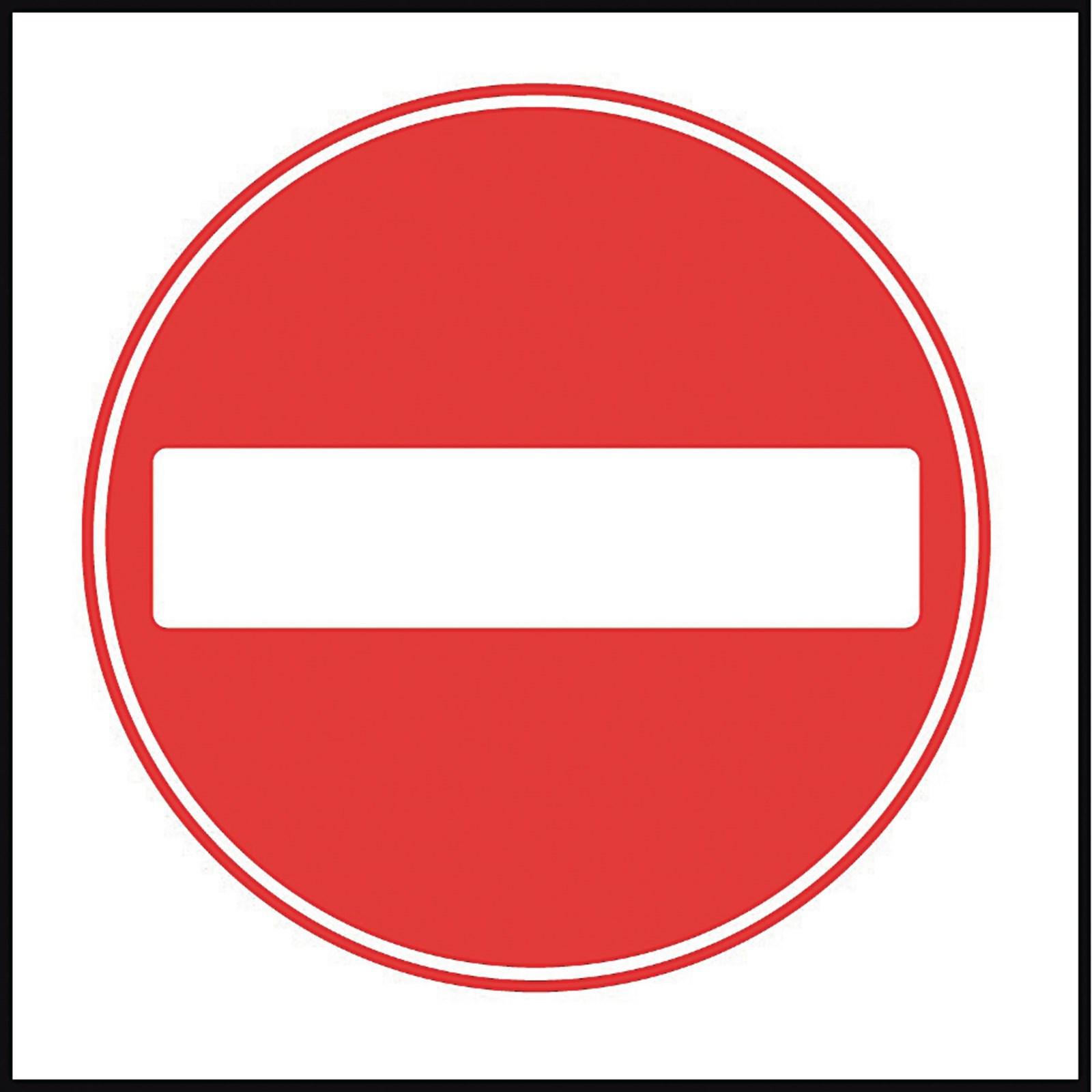
What does this sign represent?
Do not enter
Do not cross street
No pets allowed
60 mph

What does it mean?t
T-junction
crossroad
roundabout

What does this sign mean?
Stop
No picking up
No parking
One way
11. What does today’s green lights indicate?
What colors did the first electric traffic light use to have?
What did the buzzer sound from the electronic indicate?
When was the yellow color in the traffic light introduced?

After you see this symbol, what will you think?
You have to stop be careful
You can not park here
You can not smoke
Choose the picture of a traffic light.
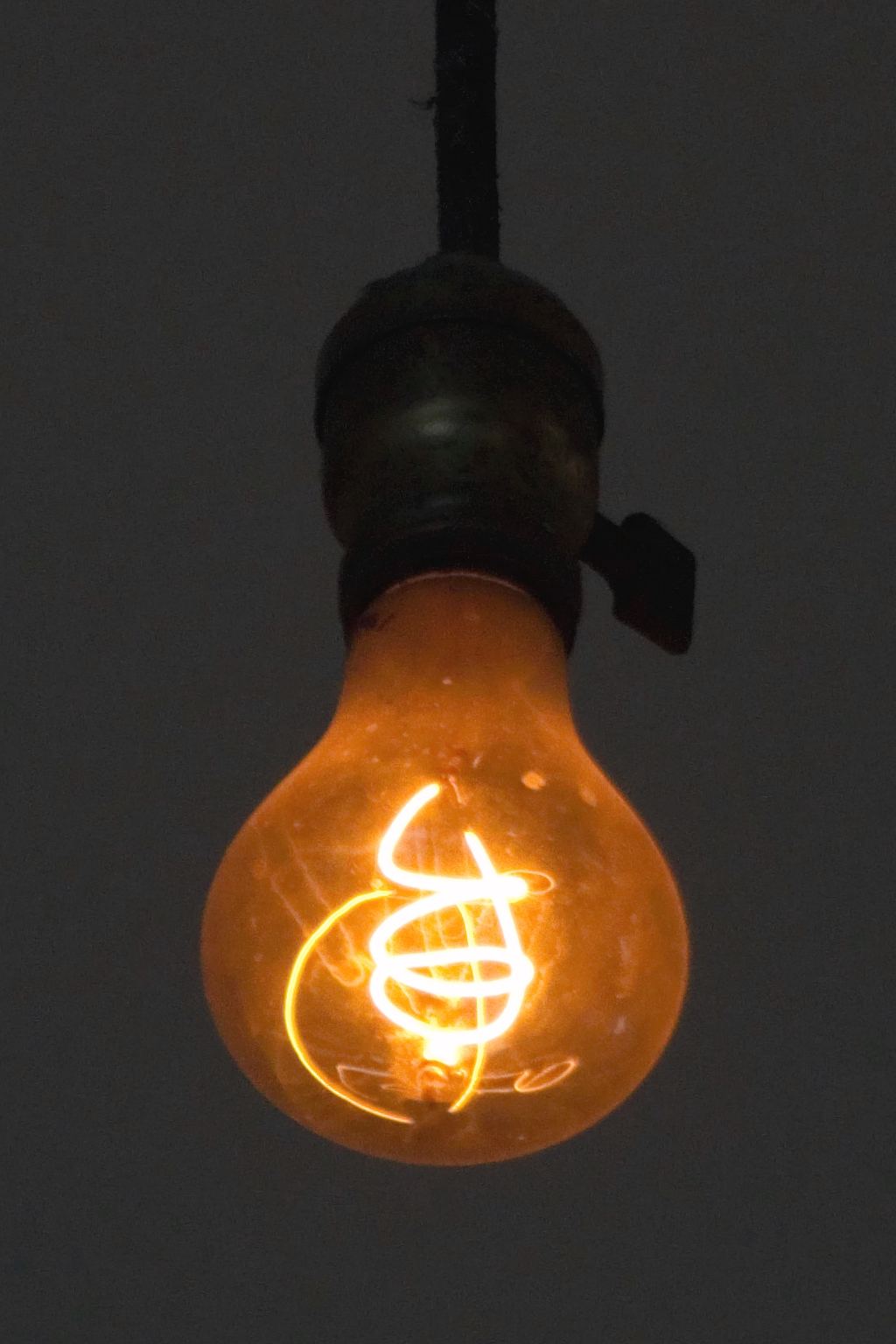
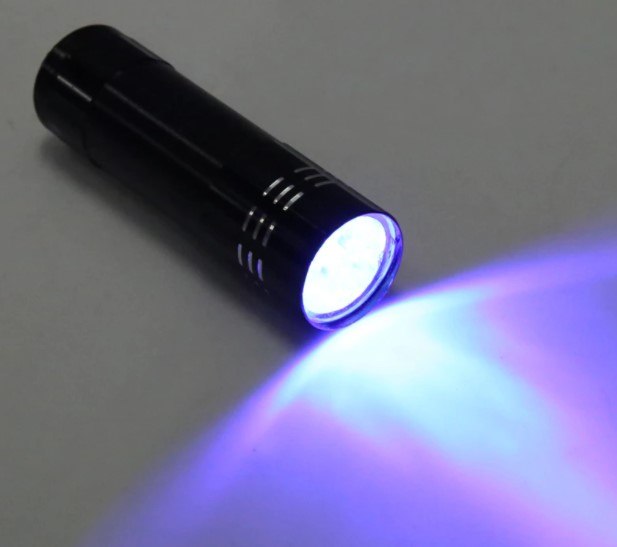
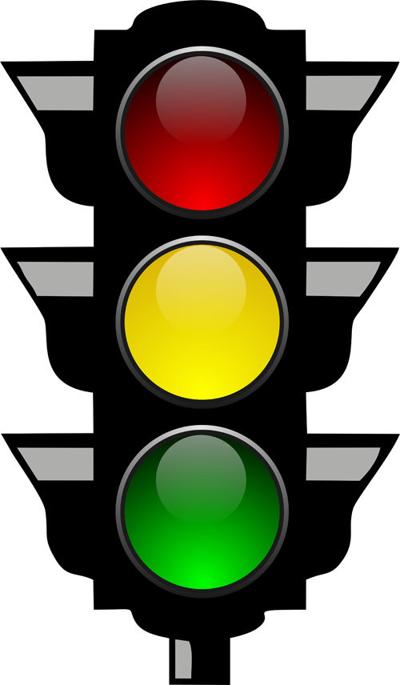
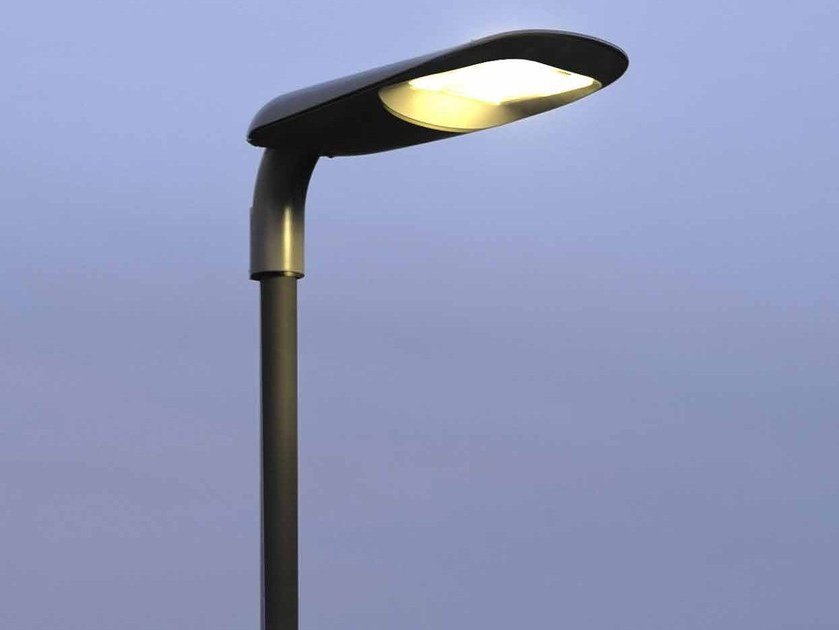
A traffic light is often used to -
control traffic on streets
control air pollution
take rest
None of the above
How long should a Yellow traffic light be?
between 10 and 15 seconds
2 minutes
between 3 and 6 seconds
1 minute
What colour Traffic Light comes after YELLOW?
Red
Green
Orange
Pink
What is a paragraph?
A set of words that is complete in itself, containing a subject, verb and object.
A group of sentences that are all related to one main topic.
A unit of grammatical organization which traditionally consists of a subject and predicate.
What should a paragraph look like?


A paragraph should cover ________ topic(s).
two
one
five
three
At the beginning of the paragraph, you should ___________, or leave a space.
start with a capital letter
use punctuation
indent
Indenting means that you ___________.
start writing your paragraph on the top line
writing your paragraph on the back of the paper
leave space at the beginning of the paragraph
Select the parts of a paragraph:
Title
Topic sentence
Supporting sentence
Main topic
Concluding sentence
What is the first sentence of a paragraph called?
The introduction sentence
The first sentence
Topic sentence
The _____ express(es) the main idea of the paragraph.
supporting sentences
examples
topic sentence
controlling idea
The topic sentence answers one or more questions like why, how, or where.
True
False
What are the two main elements of a topic sentence?
examples
topic
indention
controlling idea
Mark the characteristics of the topic sentence:
It's the first sentence of a paragraph.
It contains an example.
It introduces the main idea of the paragraph.
It summarizes what the paragraph is about.
You should include "Dear Sir/Madam,"

Mark the best topic sentence for this paragraph.
Canada's president is Justin Trudeau.
Hello everyone. Canada is amazing.
There are many reasons why Canada would be the best place to live in.
It seems to me that there are many places in the world that are better than Canada.
The sentences that tell more about the topic are called _______________.
topics
supporting details
conclusions
Mark the options that best describe the supporting sentences of a paragraph.
They must develop the main topic of the paragraph.
One supporting sentence is enough.
They come after the topic sentence, making up the body of the paragraph.
They are separated by commas.
They include supporting facts, details and examples.

What are the mistakes in these supporting sentences?
Grammar mistakes
No examples
Horrible punctuation
No connectors / bad use of connectors

What are the mistakes in these supporting sentences?
Bad punctuation
The supporting sentences are not related to the topic sentence
They don't give details
Wrong use of connectors
What is true about the concluding sentence?
It's the last sentence of a paragraph.
It can introduce a new idea.
It restates the main idea of the paragraph and summarizes it.
You can add an example of what you said here.
A good connector to start it could be "Finally"
Topic Sentence: I play soccer, see my friends, and spend time with my family on the weekend.
Conclusion Sentence: Sometimes, I go to the park too.
Choose the best option about the concluding sentence:
Good!
Small detail
It introduces new idea
Too similar to the topic sentence
Topic sentence: Although it's not always fun, doing chores is a way I can help my family.
Concluding sentence: Chores are really boring.
Choose the best option about the concluding sentence:
Good
Small detail
It introduces new idea
Too similar to the topic sentence
Topic sentence: The Main Street Grill has the best burgers in town!
Concluding sentence: If you're looking for a delicious burger, you might want to try the Main Street Grill.
Choose the best option about the concluding sentence:
Good!
Small detail
It introduces new idea
Too similar to the topic sentence
Transition words like first, next, and lastly are used to organize the details in the middle of the paragraph.
True
False
A group of sentences with a single idea is a(n)...
topic sentence
paragraph
essay
supporting detail
What is the order of a typical paragraph?
1. Supporting details
2. Topic sentence
3. Supporting details
1. Topic sentence
2. Supporting details
3. Concluding paragraph
1. Concluding sentence
2. Supporting details
3. Topic sentence
1. Topic sentence
2. Concluding sentence
3. Supporting details
What is a concluding sentence?
A sentence that...
...tells what the paragraph is about; helps focus the paragraph
...summarizes the paragraph and/or leaves the reader with a strong impression
...supports or gives more detailed information about the topic sentence
...repeats an idea that has already been said
Which is a good/reasonable topic sentence for this paragraph:
______________________________________. She normally carries a bottle of Tobasco in her purse. If her food is not hot enough, she will eat hot peppers as a side dish. Whenever she eats Thai food, she orders the highest level of spiciness. People won't dare to touch her food because they won't be able to enjoy it.
Rio enjoys spicy food.
Rio likes to help garden with her mom.
Rio grows hot peppers in her garden.
Rio likes Thai food.
What is a good/reasonable concluding sentence for this paragraph?
Hosea is a talented basketball player. He knows how to defend well against any opponent. When it comes to offense, he can dribble with both hands and can crossover any defender. His layups and jump shots usually go in. ___________________________________________
Hosea should try another sport.
Hopefully, Hosea could grow much taller.
Hosea could be a star player in any basketball team.
Hosea might not make a basketball team.
When you bake cookies, you first have to make sure you have all the ingredients. Then you have to mix them together. Finally, you have to put them in the oven.
I hate cleaning! I have to do it every week and it's so boring. I have to clean the bathroom, wash the floors and hoover everywhere. I wish we could just pay a cleaner to do it instead.
Select the best topic sentence for the paragraph.
You run up and down the court. You have to be able to chase down the ball. Sometimes you play for five or six minutes straight without a time out.
Exercise is hard.
Basketball is an athletic sport.
I love the Lakers.
I played basketball last Thanksgiving.
What's the correct word for /skuːl/?
Save
Sure
School
Sunshine
What's the correct word for /pænts/?
Pupil
Point
Pants
Panic
What's the correct word for /kəmˈpjuːtər/?
Compare
Compassion
Computer
Coordinator
What's the correct word for /ˈdɪfɪkəlt/?
Different
Difficult
Distance
Discpline
What's the correct word for /ˈprɒbləm/?
Pupil
Prompt
Problem
Problematic
What's the correct word for /ˈwɪndəʊ/?
Winner
Windows
Window
Widow
What's the correct word for /ˌpɜːsənˈæləti/?
Person
Personally
Personality
People
What's the correct word for /ˌjuːnɪˈvɜːsəti/?
Anniversary
University
Universal
Universe

What's the correct pronunciation for this object?
/ˈsænwɪdʒ/
/ˈsɪmbəl/
/ˈsɪləbəs/
/ˈsɪmɪlər/

What's the correct pronunciation for this object?
/pen/
/ˈpensl/
/ˈpiːnəl/
/ˈpiːnʌt/

What's the correct pronunciation for this object?
/ˈpʊlˌəʊvər/
/ˈswetər/
/ˈdʒʌmpər/
/kəʊld/

What's the correct pronunciation for these objects?
/ˈvedʒtəbəl/
/ˈvedʒi/
/ˈɒrɪndʒ/
/ˈæpl/

What's the correct pronunciation for this object?
/ˈdɪkʃənəri/
/ˈpeɪpər/
/bʊk/
/ˌmæɡəˈziːn/
What is the first sound in ship?
/s/
/h/
/sh/
i
What is the last sound in jumped?
/p/
/d/
/t/
/m/
What is the third sound in box?
/x/
/s/
/k/

What short vowel do you hear?


What short vowel do you hear?


The are sounds made with the mouth partly open and where the air is not stopped by the tongue, lips or teeth.
voiced sounds
vowels
dipthongs
The flow of air is partly blocked by the tongue, lips or teeth when these sounds are made, example /b/
dipthongs
consonants
vowels
Spoken without using our voice, example, /p/, /t/, /k/
consonants
unvoiced sounds
dipthongs

This symbol is used to show
schwa
word stress
syllables

