
 Worksheets
Disaster Management- Unit-1
Total questions: 20
Worksheet time: 20mins
Any occurrence that can cause damage, ecological disruption, loss of life extensively is called as a
Catastrophe
Hazard
Disaster
Accident
...................... .is not a manmade disaster
Which of the following is a natural Disaster?
Technological disaster
Meteorological disaster
Industrial disaster
Security related disaster
A perceived event that threatens life and property causing economic disruption and environmental degradation is called .............................
Hazard
Accident
Mitigation
........................... is a manmade hazard
................is a term used to define situation of people, infrastructure, housing and other assets located in areas prone to hazards
.............................. is a measure of expected losses due to a hazard occurring in a given area over a specific time period
Risk do not depend on ........................
Nature of Hazard
people in a community
vulnerability
Economic value
The process of analysing the Hazard , vulnerability, and capacity through scientific method
Risk Mapping
Risk acceptance
Risk avoidance
Risk Reduction
.................... refers to the strength, attributes and resources available within a community to manage and reduce disaster risk and strengthen resilience
Capacity
A comprehensive approach for preventing, preparing, responding to, aiding in emergency services & management is called .......................
prevention
Disaster management
Mitigation
preparedness
Measures taken to reduce the effect of the hazard and the vulnerable conditions in order to reduce the scale of a future disaster
mitigation
preparedness
A socio economical technical system designed to generate and circulate meaningful warning information in a timely manner to make a proactive response
Disaster preparedness
Early warning system
Emergency response
Disaster resilience
Process for determining the nature and extent of the loss of a community resulting from a natural, accidental or human caused danger
Resilience
Damage mapping
Damage assessment
Disaster response
........................... is not a phase of disaster management cycle
Financial management
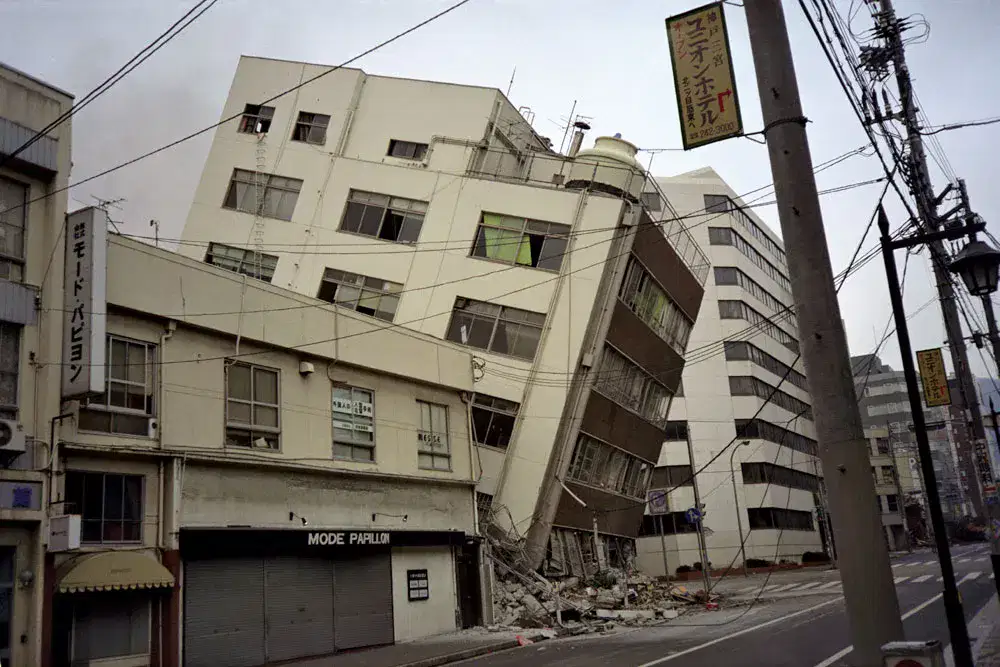
From the photograph identify the disaster
Volcano
Cyclone
Earthquake
Tsunami

Flood
Earthquake
Tsunami
Landslide

Identify the Disaster
Volcano
Forest fire
....................... is an example of a nuclear disaster
Deforestation
Bhopal Disaster
Chernobyl Disaster
Minamata disaster
.............................. is formed when climate change contributes to intensification of heat in urban areas

