
 Worksheets
A Scottish Quiz (5°)
Total questions: 96
Worksheet time: 1hrs 6mins
What is the capital of Scotland ?
(a)
What is the French for "pass down" ?
vouloir
émerger de
rester
transmettre
What is the French for "The creature transformed into a werewolf and attacked the village." ?
La créature devint un loup et se batta contre le village.
La créature se transforma en un loup-garou et attaqua le village.
La créature se transforma en une sirène et émergea du village.
La créature était un loup-garou et attaqua les villageois.
WHat is the English for "offrir"?
(a)
WHat is the English for "briller"?
(a)
WHat is the English for "reine"?
(a)
What is the English for "Le serpent émergea de l'océan pour attaquer les villageois." ?
The serpent appeared from the sea to fight against the people.
The serpent attacked the villagers and came back from the ocean.
The serpent came from the ocean to stop the villagers.
The serpent emerged from the ocean to attack the villagers.
What is the English for "Le royaume était dirigé par un Roi qui était juste et sage." ?
The kingdom was transformed by a King who was kind and fair.
The kingdom was ruled by a King who was fair and wise.
THe kingdom emerged from a King who was gentle and wise.
The kingdom was possesed by a King who was fair and proud.
What is the English for "Le monstre était géant et dangereux." ?
(a)
What is the English for "La créature était diabolique." ?
(a)
What is the English for "Ils se sentaient apeuré." ?
(a)
What is the English for "Il y avait la guerre." ?
(a)
What is the English for "Où se déroule l'histoire ?" ?
Who is the main character ?
What is the story ?
Where does the story take place ?
Why is the story scary ?
What is the English for "Qui est le personnage principal ?" ?
Who is the main character ?
What is the story ?
Where does the story take place ?
Why is the story scary ?
What is the English for "Quelle est la créature ?" ?
Who is the main character ?
What is the creature ?
Where does the story take place ?
Why are the villagers scared ?
What is the English for "Pourquoi les villageois ont peur ?" ?
Who is the main character ?
What is the creature ?
Where does the story take place ?
Why are the villagers scared ?
What is the French for "rise from" ?
vouloir
émerger de
rester
transmettre
What is the French for "hide" ?
cacher
vouloir
devenir
frapper
What is the French for "struck" ?
cacher
vouloir
devenir
frapper
Which country is below Scotland ?
(a)
What is the name of the famous region in Northern Scotland ?
Highlands
Southlands
Lowlands
Smalllands
What is the weather like in Scotland ?
sunny
cloudy
rainy
hot
What other famous city can you visit in Scotland ?
Glasgow
London
New York
Dublin
What is the English for "montagne " ?
(a)
What is the English for "mer" ?
(a)
What is the English for "ville" ?
(a)
What is the English for "lac" ?
(a)
What is the English for "rivière" ?
(a)
What is the English for "frontière" ?
(a)
What is the English for "château" ?
(a)
What is the English for "ancien" ?
(a)
What is the English for "reine" ?
kind
queen
kingdom
monster
What is the English for "royaume" ?
kind
land
kingdom
monster
Comment se forme les verbes réguliers du prétérit ?
verbe + -ED
verbe + -ING
verbe + -S
Comment se forme les verbes irréguliers du prétérit ?
ils sont à apprendre par coeur
ils changent juste d'une lettre
Ils restent exactement pareil
What is the English for "Il y a + singulier" ?
there are
there is
What is the English for "Il y a + pluriel" ?
there are
there is
What is the English for "Je peux" ?
I would like to
I can
I can't
I love
What is the English for "lieux" ?
places
castles
cities
ruins

What is this activity ?
golf
fishing
sailing
hikigng
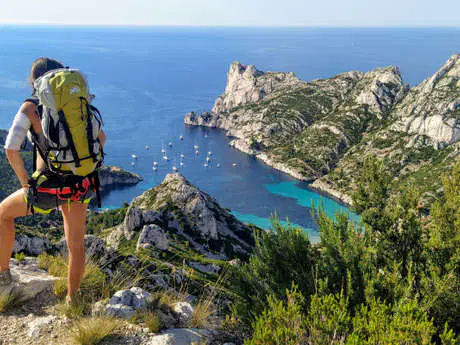
What is this activity ?
golf
fishing
sailing
hikiing

What is it ?
a wolf
a dinosaur
a vampire
a serpent

What is it ?
a wolf
a mermaid
a vampire
a ghost
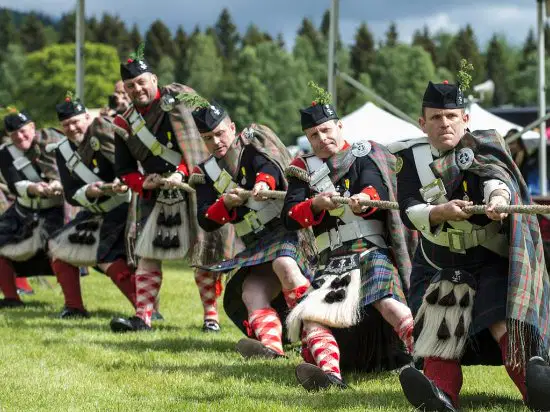
What is this highland game ?
caber toss
weight for height
tug o'war
hammer throw
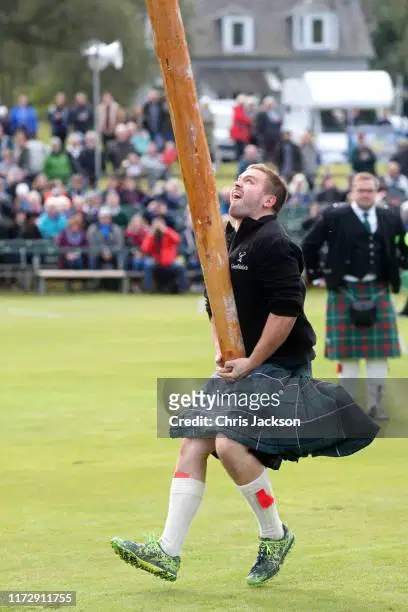
What is this highland game ?
caber toss
weight for height
tug o'war
hammer throw
a) In which sport must you pull your opponents to win ?
caber toss
weight for height
tug o'war
hammer throw
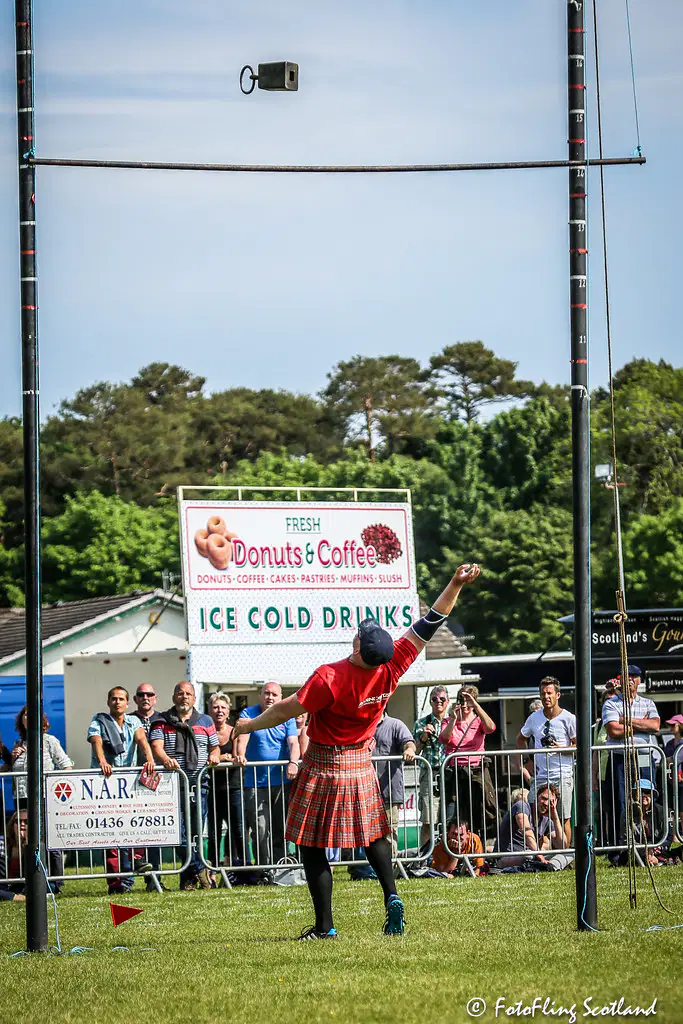
What is this highland game ?
caber toss
weight for height
tug o'war
hammer throw
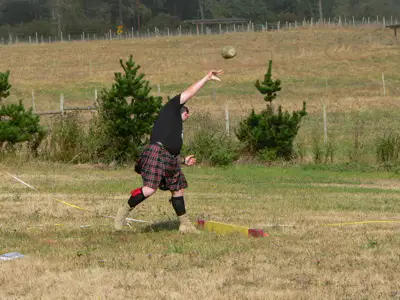
What is this highland game ?
caber toss
weight for height
hammer throw
stone put
d) How many attempts do you have in Stone Put ?
one
three
five
seven
What is the English for "Je visita la ville." ?
(a)
What is the English for "Je découvris le château." ?
(a)
What is the English for "J'ai vu le musée." ?
(a)
What is the English for "J'ai attaqué un monstre." ?
(a)
What is the English for "Il se transforma en loup-garou." ?
He became a mermaid.
He transformed into a monster.
He transformed into a werewolf.
He became a dragon.
What is the English for "Il se battis contre le dragon. ?
He fought against the dragon.
He vainquished the dragon.
He thought about the dragon.
What is the English for "Il vainquit le dragon. ?
He fought against the dragon.
He vainquished the dragon.
He thought about the dragon.
What is the English for "guerre" ?
destiny
magic
power
war
What is the English for "destiné" ?
destiny
magic
power
war
What is the English for "aventure" ?
(a)
What is the English for "devenir" ?
(a)
For how many years are the Highland Games part of Scotland’s culture ?
hundred years
million years
fifty years
ten years

3) For how many day do the highland Games last ?
four days
three days
two days
one day
6) When does the season Highland Games begin and end ?
It begins in June and ends in October.
It begins in May and ends in October.
It begins in May and ends in September.
It begins in July and ends in September.
Quel quantifieur pour "beaucoup" + nom dénombrable au pluriel ?
some
many
any
Quel quantifieur pour "Beaucoup de” + nom dénombrable ou indénombrable ?
some
a lot of
plenty of
any
Quel quantifieur pour "“Pas de” nom dénombrable ou indénombrable,?
some
a lot of
plenty of
any
Quel quantifieur pour "Des/Quelques” , ‘De (l’eau, du riz...)’ + nom dénombrable ou indénombrable?
some
a lot of
plenty of
any
What is the English for "voyage" ?
money
trip
castle
city
What is the English for "argent" ?
money
trip
castle
city
Parmis ces verbes, lesquels sont irréguliers au prétérit ?
find
feel
love
practice
Parmis ces verbes, lesquels sont réguliers au prétérit ?
be
discover
love
know
Quel est le prétérit du verbe "do" ?
(a)
Quel est le prétérit du verbe "find" ?
(a)
Quel est le prétérit du verbe "have" ?
(a)
Quel est le prétérit du verbe "think" ?
(a)
Quel est le prétérit du verbe "see" ?
(a)
What is the French for "live" ?
vivre/habiter
aimer/adorer
Découvrir
Admirer/Regarder
What is the French for "chase" ?
habiter
chasser
Découvrir
fuir
a) How many islands are there in Scotland ?
500
600
700
800
c) What is the name of the famous horses statues ?
The Brothers
The Horses
The Kelpies
The Ruins
e) What is a bagpipes in French ?
violon
cornemuse
accordéon
piano
f) What does the Scots’ traditional dress include ?
A kilt
A suit
A hat
A horn
g) What does the kilt fabric’s plaid design represent ?
his best friends
his favourite colours
his job
his clan
What is the English for "diriger par" ?
transform into
want to
ruled by
loose to
What is the English for "jurer" ?
swear
want
win
loose
Quelle est la forme négative du prétérit ?
will not + bv
did not + bv
verbe + -ed
do not + bv
Le prétérit s'utilise pour parler d'une action qui est ....
en cours
toujours actuelle
terminée
dans un futur proche
What is the English for "Je n'ai pas visité le musée mais j'ai vu le château." ?
I did not visit the museum but I saw the castle.
I did not discover the city but I saw the castle.
I visited the museum and I saw the castle.
I did not visit the museum but I admired the region.
What is the English for "Je n'ai pas découvert les jeux mais j'ai admiré les ruines." ?
I did not visit the museum but I saw the castle.
I did not discover the games but I admired the ruins.
I did not visit the museum and I admired the ruins.
I did not visit the games but I admired the region.
What is the English for "Le loup-garou était sournois et avait un visage terrifiant." ?
The wolf was crazy and he had a horrible face.
The werewolf was terrifying and he had a face.
The werewolf was sneaky and he had a terrifying face.
The wolf was manipulative and he had a horrible face.
What is the English for "perdre" ?
(a)
What is the English for "vouloir" ?
(a)
What is the English for "Il y a longtemps.." ?
Once upon a time
A long time ago
Since many years
Yesterday
What is the preterit of "catch" ?
(a)
What is the preterit of "say" ?
(a)
What is the preterit of "organize" ?
(a)

