
 Worksheets
Human Movement and Joint Movement
Total questions: 20
Worksheet time: 30mins
What critical function does the skeletal system perform for the human body?
B. Protection
A. Digestion
C. Vision
D. Respiration
Which bone classification provides attachment for the muscles and allows a wide range of movement?
D. Irregular Bones
B. Short Bones
A. Long Bones
C. Flat Bones
Where in the human body are red and white blood cells produced?
D. Sternum
A. Humerus
B. Ribs
C. Skull
Which bone classification is cube-like in shape and provides stability and support as well as some limited motion?
A. Long Bones
B. Short Bones
C. Flat Bones
D. Irregular Bones
Which bone classification is typically thin and often curved, serving as points of attachment for muscles and protecting internal organs?
B. Short Bones
A. Long Bones
D. Irregular Bones
C. Flat Bones
What is the function of irregular bones in the skeletal system?
C. Enable a wide range of movement
B. Protect organs and give shape
A. Provide stability and support
D. Protect tendons from compressive forces
What is the function of flat bones in the skeletal system?
D. Enable a good posture
C. Provide attachment for muscles
B. Protect internal organs
A. Protect tendons from compressive forces
Where are the only sesamoid bones found in common with every person?
B. Feet
A. Hands
C. Knees
D. Shoulders

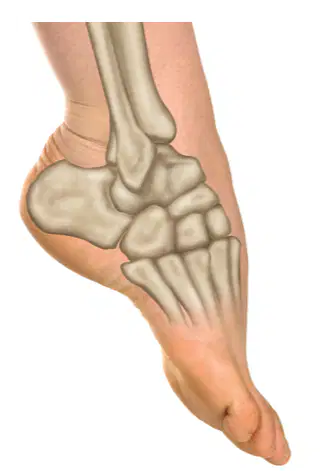
Identify what type of Joint Movement is being shown.
(a)
Identify what types of joint movement are being shown.
(a)
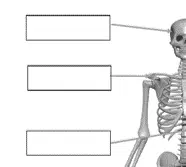
Choose the name of the bones that correspond to the Skeletal System that is shown in the picture.
Humerus
Skull
Radius
Ribs
Clavicle
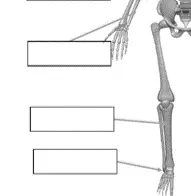
Choose the name of the bones that correspond to the Skeletal System that is shown in the picture.
Tibia
Ulna
Radius
Fibula
Clavicle
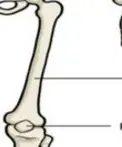
Choose the name of the bones that correspond to the Skeletal System that is shown in the picture.
Tarsal
Femur
Phalanges
Patella
Sacrum

Choose the name of the bones that correspond to the Skeletal System that is shown in the picture.
Tibia
Sternum
Pelvis
Spine
Clavicle
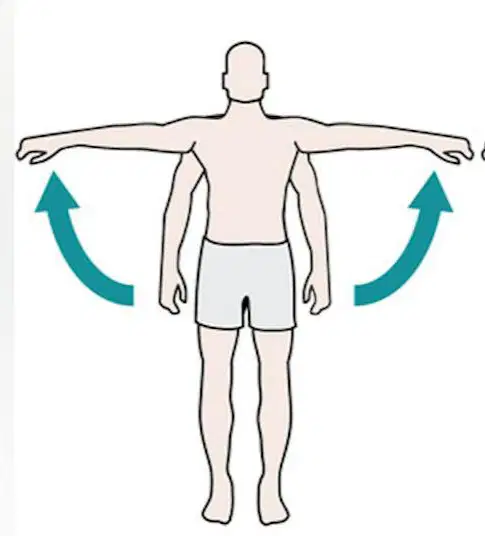
Identify what types of joint movement are being shown.
(a)
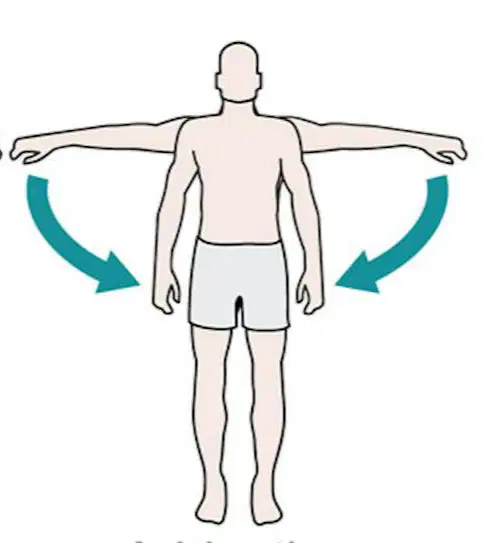
Identify what types of joint movement are being shown.
(a)
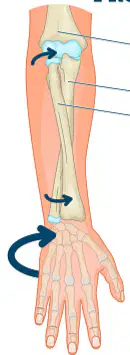
Identify what types of joint movement are being shown.
(a)
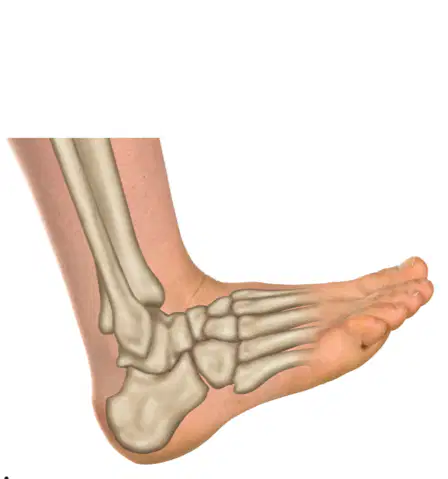
Identify what types of joint movement are being shown.
(a)
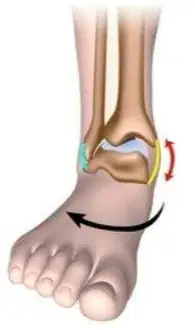
Identify what types of joint movement are being shown.
(a)
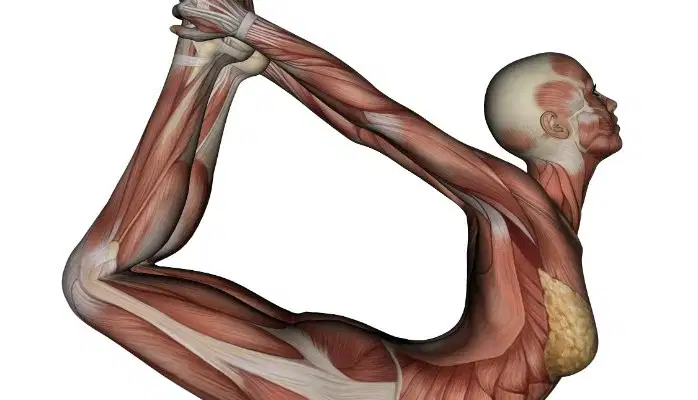
Identify what types of joint movement are being shown.
(a)

