
 Worksheets
Circulatory System Review
Total questions: 60
Worksheet time: 20mins
Which of the following is not a blood vessel?
arteries
lymph vessels
veins
capillaries
Deoxygenated blood flows from body parts to ______ of the heart.
Left atrium
Right atrium
Left ventricle
Right ventricle

What does the heart do?
It pumps blood to all the parts of the body.
It is a part of the circulatory system.
It is one of the main organs of the body.
It can go fast when you run or slow when you are sleeping.

Almost always (with exceptions), arteries carry...
blood with carbon dioxide and waste
blood with oxygen and nutrients
blood
Blood with waste and oxygen
Almost always (with exceptions), veins carry...
blood with carbon dioxide and waste
blood with oxygen and nutrients
blood
Blood with waste and oxygen

What is blood made of?
Blood is made up only of plasma.
Blood is made up of plasma, nutrients, red cells and white cells.
Blood is made up of plasma, red cells, white cells and platelets.
Blood is made up of plasma, nutrients, red cells, white cells, platelets and oxygen.
One of the major functions of blood is to transport:
only oxygen
oxygen and carbon dioxide
oxygen, carbon dioxide and nutrients
oxygen, carbon dioxide, nutrients and waste products
These are tiny oval-shaped cells in the blood that help in the clotting process.
White blood cells
Platelets
Red blood Cell

Which of the following is another name for the circulatory system?
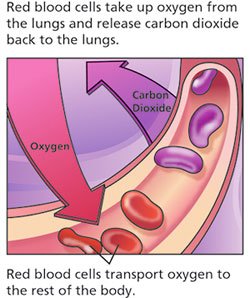
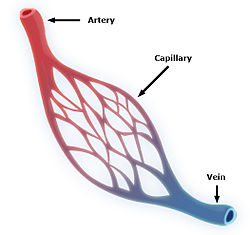
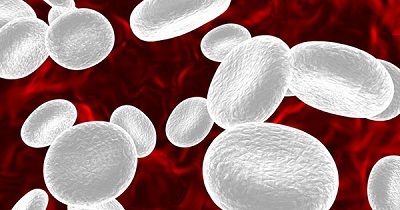

The circulatory system works with the ___________ system to provide our body with oxygen and remove carbon dioxide.
The heart is about the size and shape of your . . .
head
fist
hand
foot
Humans (all mammals, in fact) have a ___-chambered heart.
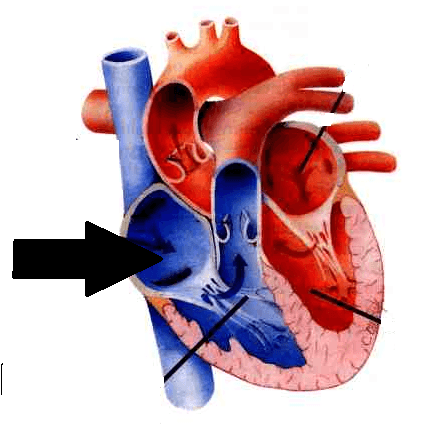
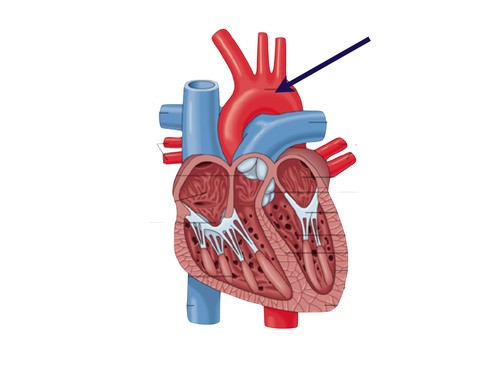
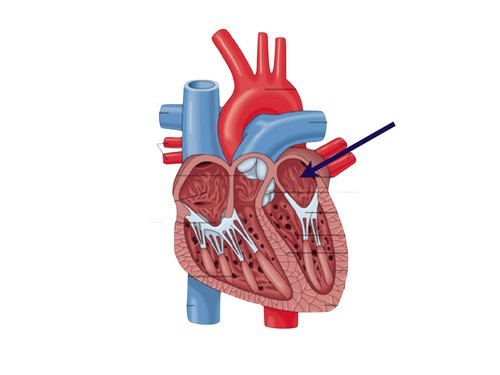
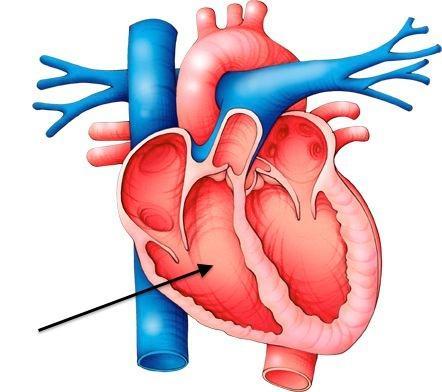
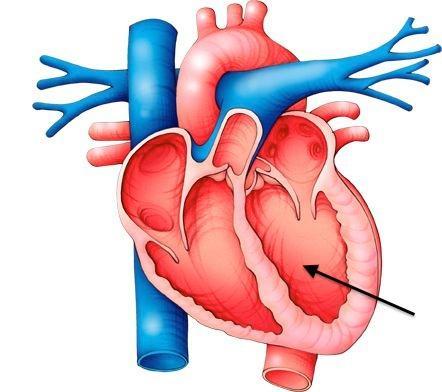
This chamber of the heart RECEIVES oxygen rich blood back from the lungs
Right Atrium
Left Atrium
Right Ventricle
Left Ventricle
This chamber of the heart pumps the blood from the heart to the lungs through the pulmonary artery
Right Atrium
Left Atrium
Right Ventricle
Left Ventricle
This chamber of the heart pumps the blood back out to the body cells through the Aorta
Right Atrium
Left Atrium
Right Ventricle
Left Ventricle

State the general relationship between exercise and heart rate in humans.
If a person exercises, then their heart rate will not change
If a person exercises, then their heart rate will increase
If a person exercises, then their heart rate will decrease
Person exercising and heart rate are not related
Arteries, Veins, and capillaries are 3 types of ____
systems
cells
organs
blood vessels
Fights disease and infection. Made by the lymphatic system.
white blood cells
red blood cells
circulatory system
blood
A disease in which red blood cells are misshaped and "sticky", have flawed hemoglobin and can clog capillaries. This affects oxygen levels in the blood.
leukemia
heart disease
sickle-cell anemia
hemophilia
Causes an overproduction of white blood cells that crowd the blood. It is a type of blood cancer.
leukemia
heart disease
hemophilia
sickle-cell anemia
A disease that can be passed down genetically where blood does not clot properly to stop bleeding.
hemophilia
heart disease
sickle-cell anemia
leukemia
When there is a problem with the rate or rhythm of the beat of your heart, this is called:
leukemia
Coronary artery disease
arrhythmia
sickle-cell anemia
The 3 main functions of the Circulatory System
break down food, remove waste, make blood cells
react to stimuli, grow, adapt
deliver materials, remove waste, and fight infection
Which of the following correctly lists the names of the major parts of the circulatory system?
Heart, blood vessels, blood, bones
Heart, blood, blood vessels
Heart, blood vessels, bone marrow, blood
Heart, blood vessels, bone marrow
What are the names of the three types of blood vessels
Veins, arteries, capillaries
Arteries, red blood cells, veins
Veins, capillaries, bone marrow
Arteries, platelets,
plasma
Put the types of blood vessels in order from "smallest" to "largest"
Capillaries, arteries, veins
Veins, capillaries, arteries
Arteries, veins, capillaries
Capillaries, veins, arteries
Deoxygenated blood means that the blood is low in...
Oxygen
Carbon Dioxide
The _____ is the largest artery in the body.
Superior Vena Cava
Pulmonary Artery
Femoral Artery
The bottom part of the heart is divided into two chambers called what?
Ventricles
Atria
The upper part of the heart is made up of two chambers called what?
Ventricles
Atria
About how many times does your heart beat per minute (at a resting rate)?
20-60
40-80
60-100
80-120

prevents backwards flow of blood in the heart
Aorta
Valve
Atrium
Capillaries

connects arteries to veins, site of exchange for nutrients, waste and oxygen.
Capillaries
Veins
Arteries
Valves

protein, rich in iron, in every human red blood cell that carries oxygen. This is also what makes our blood red.
Saliva
Mucus
Hemoglobin
Goblin
The narrowing of the arteries due to plaque buildup is called
arthritis
Humans have BLUE blood in our veins.
True
False
Coronary arteries...
supply the heart muscle cells with a supply of blood.
supply the brain cells with a supply of blood.
contain deoxygenated blood.
when clogged, cause a stroke.

An abnormal widening/ballooning of a portion of an artery.
aneurysm
embolism
thrombosis
atherosclerosis
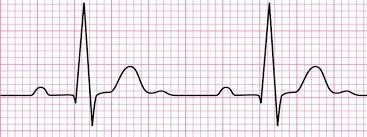
Type of device that measures the electrical currents created by the SA and AV nodes?
AED
MRI
ECG
CAT Scan
What is the function of the SA node (located in the right atrium) within the electrical system of the heart? Also considered the heart
To receive a mixed signal
To quiet down an electrical signal
To turn off the electrical signal
To start the electrical signal

The main vein(s) that brings blood to the right atrium?
Aorta
Pulmonary veins
Superior and Inferior vena cava
Jugular vein
The sac that surrounds and protects the heart?
endocardium
epicardium
myocardium
pericardium
What is the valve that opens and closes to take the blood from the right atrium into the right ventricle?
Bicuspid or mitral valve
Tricuspid valve
Pulmonary valve
Aortic valve
Which blood vessel type has thethicker walls because they have to withstand more pressure from blood pumping faster?
Veins
Arteries
Capillaries

Name part I.
pericardium
mediastinum
septum
unknownum
What are the main functions of the lymphatic system?
Help with the absorption of healthy fats
Maintain fluid/plasma balance in the body
Help with the immune system response
All answers are correct
What are the main types of blood?
Coke, Sprite, Mirinda, 7-Up
A, B, AB, BB
A, B, AB, O
Plasmid, erythrocitic, leukocitic, acidic
What is the sound that you hear when the heart beats
The muscles contracting and relaxing
The septum opening and closing
The valves opening and closing
The veins and arteries opening and closing

