
 Worksheets
Middle ages and Renaissance review
Total questions: 50
Worksheet time: 41mins
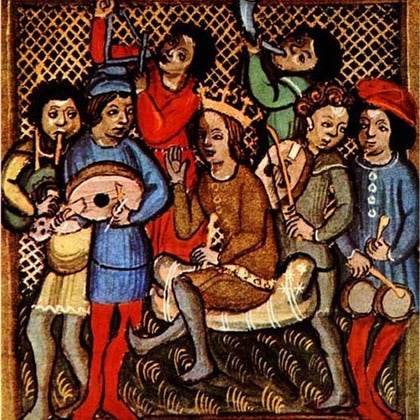
What is secular music?
religious music
non-religious music
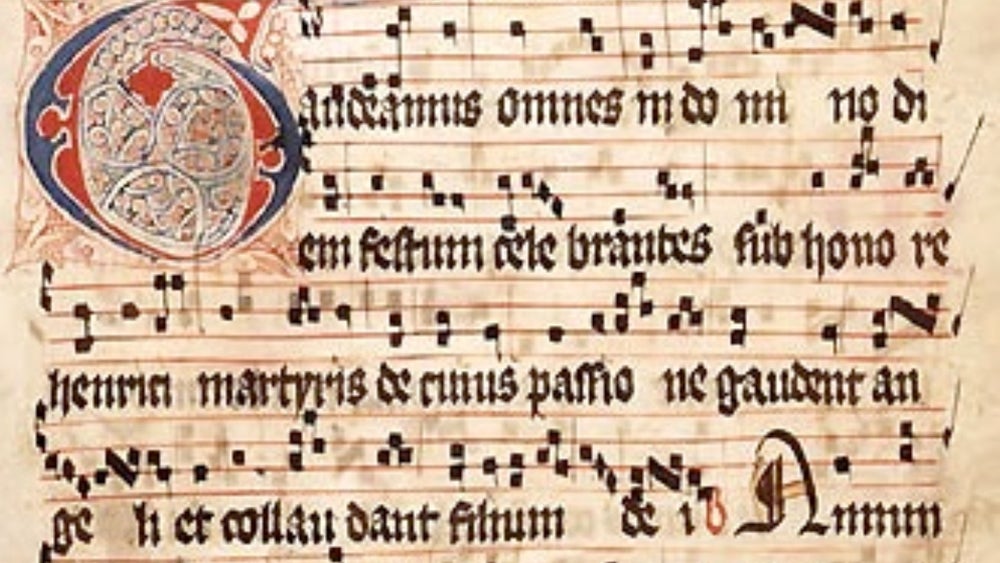
Sacred monophonic music in the Middle Ages was called...
plainchant
Cantiga
jongleurs
troubadours
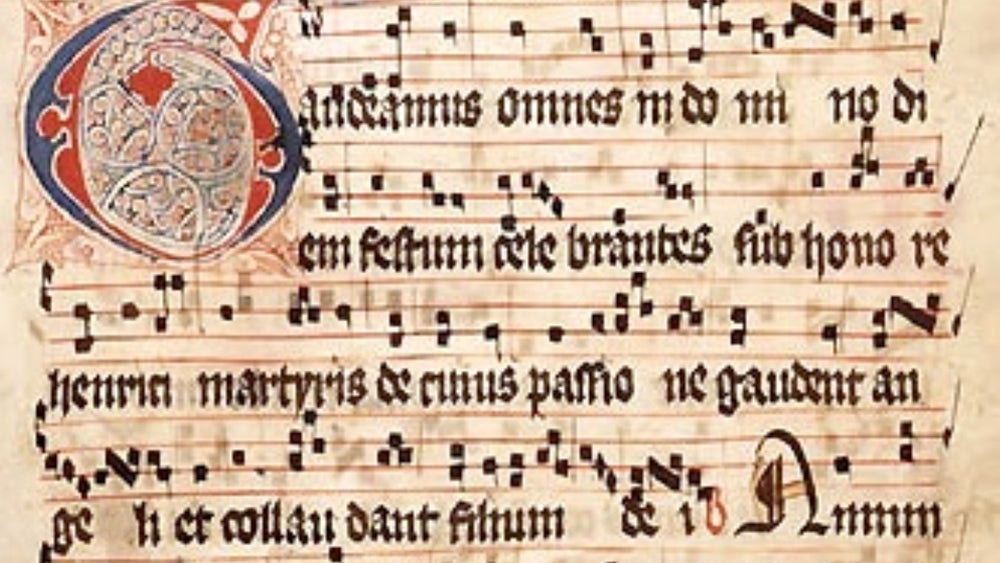
What is sacred music?
religious
secular
non-religious
rock'n'roll
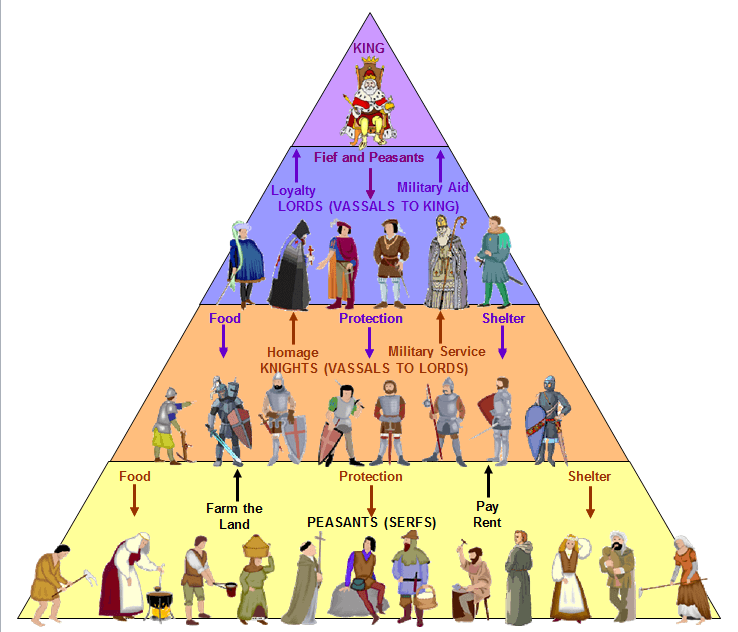
Nobility were the...
poor farmers
priests
rich landowners
monks
The first know polyphonic treatment of the Catholic Mass (Notre Dame mass) was composed by
Guillaume de Machaut
Perotin
Leonin
Pope Gregory I
Who was Hildegard of Bingen?
The first woman composer to leave a large number of works that have survived
Abbess (nun) of the convent at Rupertsberg
A visionary and mystic active in religious and diplomatic affairs
All answers re correct.
Gregorian chant or Plainchant _______.
is monophonic and set to sacred Latin texts
retained some elements of the Jewish synagogue of the first centuries after Christ
was the official music of the Roman Catholic church for more than 1,000 years
All answers are correct.
During the Middle Ages, what institution was the center of musical life?
The church
The castle
The merchant's living room
The king's court
The phrase Middle Ages refers to the period...
450-1000
1000-1150
1150-1450
450-1450
What does Polyphonic mean?
One Sound
Same Sound
Many Sounds
Loud Sounds
How did Gregorian Chant get its name?
Pope Gregory I
Pope Gregory V
Gregory the Conqueror
Mr. Gregory Kafkes
Plainchant can be described as...
Pure Melody
No Harmony
No Accompaniment
No Added Voices
All of the above
The word Medieval means...
Middle Ages
A little bit evil
Religious Music
Latin Music
Most religious Medieval music was sung in Latin.
True
False
Organum means...
Adding a second melody line in parallel with the first.
Performing a totally new melody with the first one.
The drone.
Plainchant is a single line of melody.
True
False
Who are the traveling musician during Medieval Period?
Canso
Chanso
Minnesinger
Troubadours

These are characteristics of Gregorian chant.
monophonic
polyphonic
sacred
secular
has no meter
(a) is the earliest polyphonic music, having 2 melodies at once.
Monophonic music has one (a) , all by itself.
(a) is a type of monophonic music associated with the Middle Ages.
Renaissance means
New Birth
Re-Birth
Post-Birth
Ultra-Birth
A sacred, polyphonic vocal composition, usually unaccompanied is a
Duet
Trio
Quartet
Motet
What is a Madrigal?
a group of instruments playing together
a polyphonic composition in which two or more melodies repeat each other at different points in the music
a secular, polyphonic song based on poems, often about love
a musical texture in which one voice has the melody, while the other parts serve as accompaniment
A consort is
A group of instruments playing together
Concert
Collaboration
Unison
The sackbut is known today as the
trombone
oboe
When the quarterback is tackled with the ball
bassoon
Who was the master of music at the Vatican and was one of the greatest composers of Catholic liturgical music of his time?
GIOVANNI GABRIELI
MADDALENA CASULANA
ORLANDO DE LASSUS
GIOVANNI PALESTRINA
Which is FALSE about the Renaissance Time Period?
Football was invented
The Mona Lisa was painted
All of the Above
None of the Above
What was an important development in for music in this time period?
Football
Printing Press
All of the Above
None of the Above
What continent that you are sitting on right now, was rediscovered in Renaissance times?
Europe
North America
Africa
South America
Why are there different sizes of recorders?
Because each person picks one based on their height.
So that we can have high notes and low notes.
Those were the sizes of wood that they happened to find.
The largest recorder is almost 10 feet tall!!!! What type of sound would this instrument make compared to other recorders?
The lowest.
The highest.
The smallest.
“The chanson” was :
Italian
Spanish
French
English
The ancestor of the current piano is:
Clavichord
Harpsichord

This instrument is called:
Clavichord
Harpsichord
Secular Music is
Music written only for oboe choir
Popular music that is not connected with the church or religion
Music written only for dogshows.
Music that is written only for religious services.
In church music, this type of composition became popular.
Tune
Chorale
Mass
Ballad
True or false: Polyphony became more complex during the Renaissance.
False
True
What kind of music became more popular during the Renaissance?
Instrumental
Vocal
Who was expected to be trained in music during the Renaissance?
Blacksmiths
Any educated person
Candlemakers
Butchers
Which invention greatly influenced the Renaissance movement?
Gunpowder
Eye glasses
Coffee houses
The printing press
When did the Renaissance begin?
1600
1450
1860
450
The word "Renaissance" is French for what?
Fancy cheese
Rebirth
Death
Ridiculous
Acapella refers to a type of singing which is always accompanied by brass band and drum ensemble. It is always performed outside at events such as bond-fires, barbeques and executions.
True
False
Instrumental music was often dance music and was used for dances and social gatherings.
True
False
A capella means “in the chapel” and refers to music sung with voices only and no instrumental accompaniment.
True
False
The most popular instrument used to accompany a singer in the Renaissance was
A bagpipe
A crash cymbal
A lute
All of these together
A Madrigal was a secular style of choral music that often polyphony, word painting and was usually about
philosophical questions
love
minerals
religious topics
The two most important forms for vocal sacred music in the Renaissance were the Mass and the Motet.
True
False

