
 Worksheets
APES Unit 6 Review
Total questions: 43
Worksheet time: 27mins
The following are disadvantages of which type of energy?
· Unpopular, generates protests
· Plants are $$$ to build because of legal challenges
· Potential for catastrophic meltdowns and accidents
· Possible terrorist targets
Petroleum
Coal
Natural Gas
Nuclear Energy
The following are disadvantages of which type of energy?
· Risk of leaks/explosions
· 25x more effective as a greenhouse (warming) gas than CO2
· Low availability because pipelines are needed
Petroleum
Coal
Natural Gas
Nuclear Energy
What percent of energy consumption is made of renewable energy?
92%
50%
20%
8%
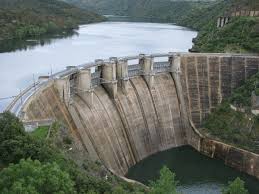
What is a drawback to hydroelectric power?
fish being isolated on one side of the dam
water in the reservoir becomes warm
increases the dissolved oxygen
increases the rate of nutrient flow downstream
Which renewable energy does not require spinning a turbine?
hydroelectric
wind
tidal
photovoltaic cells
Which of the following is not a biofuel or a biomass?
wood
ethanol from corn
dung
methane
The following are advantages of which type of energy?
· Ideal for mobile combustion engines
· Quick ignition/ turn-off capability
· Cleaner-burning than coal
Petroleum
Coal
Natural Gas
Nuclear Energy
The following are advantages of which type of energy?
· Energy-dense and abundant—will last up to 200 years
· No refining needed
· Easy, safe to transport
· Economic backbone of many small towns
Petroleum
Coal
Natural Gas
Nuclear Energy
The following are advantages of which type of energy?
· Cogeneration power plants can have efficiencies up to 60%
· Efficient for cooking, heating, etc.
· Fewer impurities than coal or oil
Petroleum
Coal
Natural Gas
Nuclear Energy
The following are pollutant and greenhouse gas emissions of which type of energy?
· Highest emitter of CO2
· Sulfur
· Trace amounts of toxic metals such as mercury
Petroleum
Coal
Natural Gas
Nuclear Energy
1 – generator converts mechanical energy into electrical energy
2 – wind turns the wind turbine blade
3 – the gear box transfers mechanical energy to the generator
4 – electricity is transferred to the grid

What percentage of energy used in the U.S. comes from renewable energy?
5%
10%
50%
80%

The majority of energy in the world comes from _________.
renewable energy sources
nuclear energy
fossil fuels
biomass
Fossil fuels are __.
coal, petroleum, biomass
natural gas, hydropower, nuclear
coal, petroleum, natural gas
petroleum, wind, geothermal

What is the description of a fuel cell car?
uses waste oil from food industry into ethanol
uses methane to heat water and steam turns the turbine
uses hydrogen to generate electricity that runs the motor
runs off of internal combustion and a battery
What is one disadvantage of producing hydroelectric power?
Dams have environmental impacts
Less energy production on cloudy days
Air pollution
It is a reliable source of energy
What is one advantage of geothermal energy?
Only available in certain locations
No air pollution is produced
Wind is inconsistent
Mining destroys land
Which of the following is a nonrenewable energy resource?
Geothermal
Hydroelectric
Biomass
Oil
This process uses a high pressure water mixture to break up rock far below the earth's surface to allow more oil and natural gas to be collected.
Pumping
Brixing
Fracking
Dynamiting

As developing countries become more developed, their reliance on fossil fuels for energy increases.
True
False
Identify partially decomposed organic matter that can be burned for fuel.
lignite
bituminous coal
peat
anthracite

When a fuel source is used to generate both useful heat and electricity it is called
cogeneration
efficiency regulation
hot electricity
multiuse energy

The combustion of fossil fuels is a chemical reaction between the fuel and oxygen. This always releases which reactants and energy.
Carbon dioxide and water
Oxygen and methane
Carbon dioxide and methane
Oxygen and water

Describe how fossil fuels are used to produce electricity.
Burning fossil fuels produces heat that is directly used to turn a turbine which generates electricity.
Burning fossil fuels directly turns a generator to make electricity.
Natural gas is blown onto a turbine.
Burning fossil fuels produces heat, which is used to turn water into steam. The steam is used to turn a turbine which generates electricity.
Coal is mainly used for...
electricity
transportation
cooking
heat
The majority of petroleum recovered from Earth is used to produce ____
electricity
gasoline and diesel fuels for transportation
asphalt used for building roads
plastics and other polymers used in everything from clothing to packaging
Solar can be described as
Expensive at the start, but cost effective over time
Cheap to start, but costly to keep running
The most powerful type of powerplant for its size
Economic benefits of building large dams include which of the following?
I. Storage of water for agriculture and domestic use
II. Controlling floods upstream
III. Production of renewable energy
I only
II only
I and III only
II and III only
I, II, and III

Fuel with the GREATEST net-energy potential
petroleum
nuclear energy
natural gas
coal

