
 Worksheets
[ScBio Syll 2023] Ch2 Diffusion
Total questions: 10
Worksheet time: 6mins
Define Diffusion.
Diffusion is the net movement
of substances from a region
of higher concentration to
a region of lower concentration,
down a concentration gradient

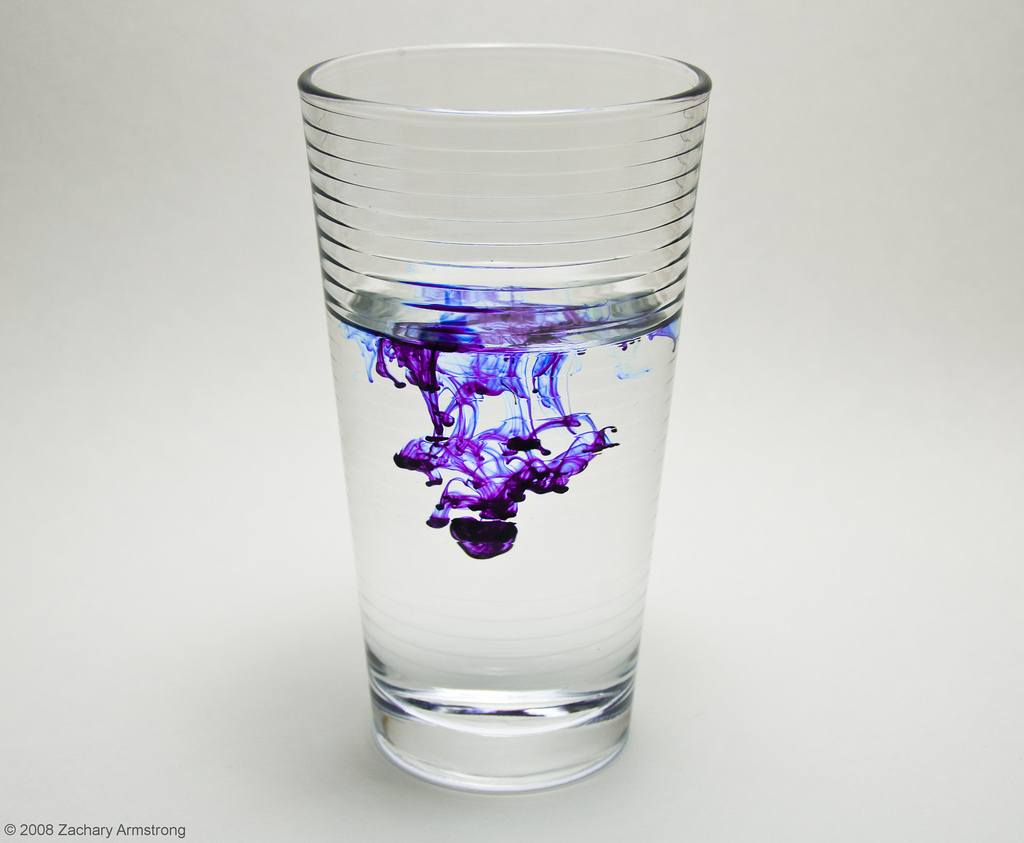
A student adds drops of dye into a beaker of tap water.
Which diagram best shows the end result of diffusion?

F

G

H

J
How long does diffusion last?
Until the concentration of particles in the system is equal
(Select this answer and I swear i'll make it harder for you in the assessment task)
Until a region in the system has a greater concentration of particles than the other
Until the particles disappear from the system
What happens to the concentration of carbon dioxide in your cells when you exercise?
Increase
Decrease
Remain constant
How does the body handle carbon dioxide produced by its cells?
The body cells converts carbon dioxide into carbon monoxide.
The body cells don't expel the waste. They store them for future use.
The body cells expel the carbon dioxide through the use of the mitochondria.
The carbon dioide diffuses out of the body cells and into the bloodstream due to the concentration gradient
How does an increase in temperature affect rate of diffusion?

Out of the blood into the organ
out of the organ, Into the blood
Which of the following is not an example of diffusion in everyday life?
Smell of perfume across the room
Placing a teabag in a glass of water
Red ink dripped on a shirt
Water droplets forming on a cold surface

