
 Worksheets
MR.DROHAN'S USA #5 REVIEW
Total questions: 23
Worksheet time: 12mins

The United States dropped atomic bombs on what two Japanese cities? (CHOOSE ALL THAT APPLY)
Nagasaki
Tokyo
Beijing
Hiroshima

What was the Holocaust?
The systematic elimination of the Jews
The locking up of Japanese Americans in camps
The German Third Reich Movement
The ending of WWII

Study the following information and answer the question below.
Prewar European Jewish population 9.5 million
Postwar European Jewish population 3.5 million
What was the cause of this change?
anti-Semitic attitudes of the French government
liberation of occupied territories by the Allies
decreased immigration from the United States
Anti-Semitic policies of the Nazi Party

What was Island Hopping?
The japanese surveillance of Hawaii before the Pearl Harbor attack
Hopping from island to island to secure U.S bases near Japan for launching of bombers
Discreet U.S marine warfare used during the battle of Midway
None of these
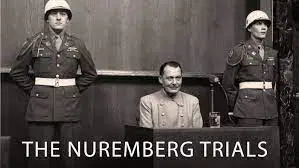
Select an effect of the Nuremberg Trials...
release of Jews in concentration camps
retribution for German mistreatment of prisoners of war
recognition for military officers serving in World War II
Demand for a Jewish homeland in Palenstine
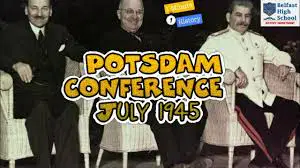
Read the quote from Truman's radio report on the Potsdam Conference in 1945.
Desperate men are liable to destroy the structure of their society to find in the wreckage some substitute for hope . . . We must help to the limits of our strength. And we will.
Based on this quote, how was Europe's and America's response to defeated nations after World War II different than after World War I?
They cut themselves off from other nations to protect themselves.
They decided to punish the nations who were defeated.
They created alliances in anticipation of the next war.
They committed to helping nations who were in trouble.

Read the following information, which describes the founding of the United Nations in 1945, and answer the question below.
June 1945: Fifty countries create and sign a charter to create the United Nations.
October 1945: Charter is ratified by China, France, the Soviet Union, the United States, the United Kingdom and the majority of the original signatories.
Which goal motivated the creation of the United Nations in 1945?
establishing an international organization to isolate communist regimes
regulating nuclear proliferation among member countries
establishing an international organization to promote cultural exchange
reducing potential conflicts between member countries

What was Mary McLeod Bethune’s contribution as a delegate to the founding conference of the United Nations?
She encouraged special reparations for all Jewish people affected by the Holocaust
She wanted a permanent international court of justice
She encouraged the establishment of equal rights throughout all countries
All of these

What topics were discussed by the Allied Powers at the Yalta conference?
The Allied post-war occupation of Germany and the creation of the United Nations discussed
Banning the use of Nuclear Weapons
German reparations
The establishment of a Holocaust memorial fund
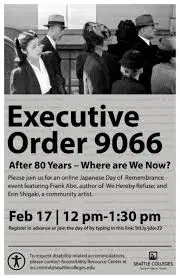
Which "persons" were most affected by this Executive Order 9066?
German Americans
Japanese Americans
Hawaiian citizens
Anyone who protested against the war

The excerpt is from an order issued in Florida during World War II.
Why did the state of Florida issue this order?
to conserve scarce energy resources during the war
to protect coastal settlements from German submarine attacks
to conceal coastal military operations from German spies
to limit community social activities during the war

Read the following statement from Executive Order 9835 made by President Harry Truman in 1947 and answer the question below.
There shall be a loyalty investigation of every person entering the civilian employment of any department or agency of the executive branch of the Federal Government.
Source: Truman Library
Why did President Truman issue this order?
concerns that communists were infiltrating government departments
fears that Japanese Americans were aiding the enemy
fears that Nazi spies were sabotaging government agencies
concerns that labor unions were reducing production

Which reaction was a response specifically to events in World War Two's Pacific Theater
(The War in the Pacific vs Japan)?
women working in weapons factories
establishment of Japanese internment camps
rationing of food items
rural to urban migration

What was the Lend-Lease Act?
An act proposed by FDR that allowed the U.S to lend or lease arms to any country considered vital to the defense of the US (Great Britain)
Great Britain would lend-lease naval bases for the US Navy to use during the war
Hawaii would lease out airfields to the U.S army to help with the war in the Pacific
France and Great Britain leased airplanes to US fighter pilots for the war against Germany

Read the following quote and answer the question below.
"Give us the tools, and we will finish the job." —British Prime Minister Winston Churchill, 1941
What was the U.S. government’s reaction to this statement?
the declaration of war on Japan
the declaration of war on Germany
the implementation of the Marshall Plan
the passage the Lend-Lease Act

Read the second point from the Atlantic Charter signed by Franklin Roosevelt and Winston Churchill in 1941.
They desire to see no territorial changes that do not accord with the freely expressed wishes of the people concerned.
What philosophy does this quote suggest the United States and Great Britain would be abandoning?
Capitalism
Imperialism
Democracy
Communism
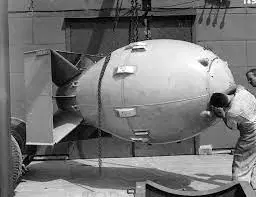
Look at the following photograph of an atomic bomb taken in 1945 and answer the question below.
What rationale (reasoning) was used by the United States to justify the use of the atomic bomb?
Concern over the casualties resulting from an invasion of Japan
Germany might use it first
Japan might use it first
It was an election year and they wanted the war to end quickly.

Study the poster and text below to answer the following question.
The Yalta Conference took place in a Russian resort town in the Crimea from February 4-11, 1945, during World War II. At Yalta, U.S. President Franklin D. Roosevelt, British Prime Minister Winston Churchill, and Soviet Premier Joseph Stalin made important decisions regarding the future progress of the war and the postwar world.
Which question discussed at the Yalta Conference most directly addressed the goal expressed in the poster?
Should the Soviet Union send troops to the Pacific Theater?
What kind of governments should be created in Eastern Europe?
How should France participate in the occupation of Germany?
What should be done to punish Germany?
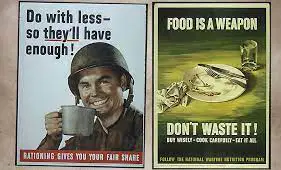
Which statement describes one reason for establishing rationing during World War II?
Free trade agreements with allied nations were dissolved.
Troops serving overseas needed a steady supply of resources.
Industrial production declined from a lack of workers.
Drought conditions led to a decrease in agricultural production.

Read the following excerpt about the role of many African Americans during World War II and answer the question below.
More than 2 million African Americans went to work for defense plants, and another 2 million joined the federal civil service...these new opportunities drew more and more African Americans into cities...
What was one effect of the opportunities described in this excerpt?
Urban areas began to experience a reduction in the need for available housing
African-American organizations opposed political involvement during international conflicts.
Food shortages began to occur due to a lack of available rural workers.
African-American workers experienced increased economic mobility.
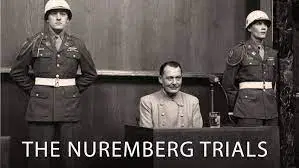
Which statement describes one precedent set by the Nuremberg Trials?
Soldiers who commit crimes while following orders can avoid prosecution.
Heads of state have immunity from being prosecuted for war crimes.
A person can be prosecuted for committing crimes against humanity.
An individual convicted of war crimes loses the right to appeal the decision.

Look at the following diagram and answer the question below.
Which phrase best completes this diagram?
Financial success of international trade agreements
Economic achievements of the communist system
Concern resulting from the Zimmermann Telegram
Instability caused by the Treaty of Versailles

What was the purpose of the Fair Employment Practices Committee established during World War II?
To provided fair hiring practices for women
Preventing hiring discrimination by companies with government contracts
To eliminate unfair hiring practices against African Americans
All of these

