
 Worksheets
3rd 9W DA
Total questions: 71
Worksheet time: 1hrs 7mins
Which person is described in the list below?
went to prison for calling a slave trader a robber
wrote an anti-slavery newspaper called The Liberator to end slavery everywhere
used The Liberator to bring attention to the plight of slaves and sway public opinion
argued for a complete and immediate end to slavery, with no compromises
William Lloyd Garrison
Frederick Douglass
Dorothea Dix
Harriet Beecher Stowe

What does freedom of the Press lead to?
a more informed society
higher profits for corporations
a decrease in readers
increased church attendance
What was George Washington's advice on Foreign Policy?
The Nation should remain neutral and avoid permanent alliances
The Nation should end slavery
The Nation should expand from East to West
The Nation should colonize Latin America
This region was known for mining, agriculture, and ranching.
The North
The South
The West
Economy of the South
Plantation agriculture, slavery
Manufacturing and Industry
Farming and Mining

Which region of the country had a lot of manufacturing?
The North
The South
The West
Why is the battle of Saratoga important
It was the first time an American army surrendered to a British army
It was the turning point in the war
It ended the Revolutionary war
True or false After the Battle of Saratoga, the French decided to help the Americans in the war.
true
false
Canals made ________ easier and quicker.
transportation
communication
industry
The Missouri Compromise, the compromise of 1850, and the Kansas-Nebraska Act were all efforts to
end fighting between midwestern farmers and native American Indians
encourage manufacturing in the west
increase the number of people who voted in presidential elections
settle disputes over the spread of slavery to the western territories
Which of the following was one of the effects of the Kansas-Nebraska Act?
Kansas and Nebraska were united into one territory
Residents could vote on the issue of slavery
Banned slavery in both Kansas and Nebraska
Allowed slavery in both Kansas and Nebraska
Why was the Seneca Falls Convention so important to the struggle for Women’s Rights?
It is where Stanton read her "Declaration of Sentiments".
Laws for Women’s Right to Vote were passed here.
This meeting was the final meeting between leaders, and eventually led to the passage of the 19th Amendment.
What was Stanton's "Declaration of Sentiments"?
Check all that apply.
How she felt about the slavery in the South.
A list of abuses that women suffered under men.
A list of demands.
It stated that women were equal to men and they should be allowed to vote.
What is the definition for supply?
How many people want or need the good.
How much of the good there is for people to buy.
The money it costs to run a business.
The money left over after a business pays all its expenses.
What is the definition for demand?
How many people want or need the good.
How much of the good there is for people to buy.
The money it costs to run a business.
The money left over after a business pays all its expenses.
A free enterprise system means __________.
The government DOES NOT tell the people what they can make or sell.
The government DOES tell the people what they can make or sell.
What is the definition of scarcity?
The prices go down.
The supply of a good or service is more than the demand.
There is more demand for something than there is a supply.
Scarcity makes it easy for people to live.
In the marketplace, producers are looking to
buy goods for personal use
earn a profit
find incentives
find the latest fad

Turkeys for Thanksgiving are raised on poultry farms. If the Bird Flu hits and kills most of the turkeys, (a) and the (b) .

Which territory was ceded to the US after the Mexican-American war?


Thoreau's view of the war with Mexico is best described as
He was not interested in the war.
He supported the United States military
He was against it.
He wanted to fight in the war.
What was Thoreau's primary act of civil disobedience in his own life?
Public rallies and protests
Refusal to pay taxes
Boycotting the cotton industry
Writing humorous satire against the government.
How did the Gold Rush impact immigration?
Less immigrants were coming to America
More immigrants were in the East
Immigrants were attracted to the American West
Which immigrant group was responsible for much of the railroad building in the American west?
Irish
Chinese
German
Polish
Which branch enforces the laws?
The Legislative Branch
The Executive Branch
The Judicial Branch
Checks and Balances
Which branch makes the laws?
Judicial Branch
Executive Branch
The Preamble
Legislative Branch
Choose the correct definition:
COMMANDER IN CHIEF
Made up of 100 members, two elected from each state
In charge of reviewing laws and interpreting the Constitution
Name given to the president for being in control of the Armed Forces
Makes new laws
Which of the following statements about Walt Whitman (transcendentalist) is best?
He believed in adhering to strict Christian tradition, such as regular church services and male clergy.
He claimed that art and literature distracted individuals from religious spirituality.
He was positive about the possibility of human beings.
Which Enlightenment thinker argued that all people were born equal and had natural rights to life, liberty, and property?
Jean-Jacques Rousseau
Baron de Montesquieu
Thomas Hobbes
John Locke
John Locke believed that all people had:
Natural Rights
Individual rights
Some rights

DECISION: The Federal government has the power over the states to regulate interstate commerce. Federal ferry license prevails over a State Ferry License (no NY monopoly)
Gideon v Wainwright
McCulloch v Maryland
Marbury v Madison
Gibbons v Ogden
What did Dorothea Dix do?
She helped the mentally ill.
She was an abolitionist.
She saved slaves.
She helped the poor.
What did the women’s suffrage movement in America do?
It gave women the ability to be citizens.
It gave women the right to vote.
Nothing.
Which two women helped to secure women's rights to vote?
Elizabeth Cady Stanton and Harriet Tubman
Susan B Anthony and Dolly Madison
Elizabeth Cady Stanton and Susan B. Anthony
Susan B Anthony and Sojourner Truth
Match the following eras in US History
Era in which people discovered new land
Exploration & Colonization
Era in which colonists fought against Britain to become their own country
Revolutionary Period
Era in which Americans got more land to populate
Westward Expansion
Era in which America built factories
Industrial Revolution
Era in which people wanted change in America
Era of Reform
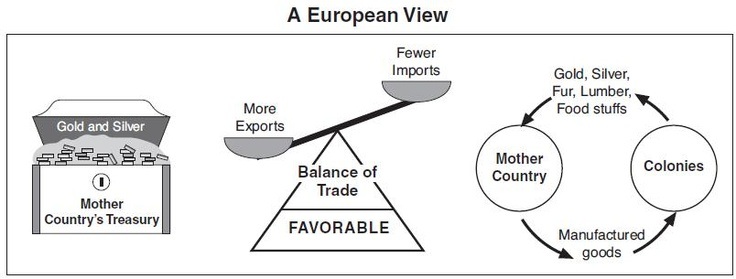
What is mercantilism?
A system where a mother countries gains money and power from natural resources that come from its colonies.
where colonies trade gold and silver with each other.
Wars that start over money.
Plantation colonies trading slaves for money.
Some results of the Great Awakening were:
Stimulated (a) of new (b)
Preached (c) for all
Encouraged people to think for themselves when it came to (d)

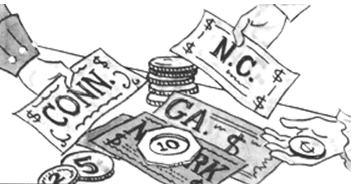
Which hotspot represents where the Pilgrims landed in 1620?
Which of the following statements accurately describes the significance of the mill built by Samuel Slater?
It revolutionized the agricultural industry by introducing advanced farming techniques.
It inspired the development of the first automobiles.
It initiated the Industrial Revolution in the United States.
It played a role in the American Civil War.
Select the 3 physical barriers faced by pioneers when exploring the West.
Deserts
Rivers
Appalachian Mountains
Rocky Mountains
document that legalized
slavery in the Kansas territory
Lecompton Constitution
insurrection
Dred Scott
American Party
Republican Party
“He has refused his Assent (approval) to Laws, the most wholesome and necessary for the public good.” Who is the HE that this grievance in the Declaration of Independence is referring to?
George Washington
Thomas Jefferson
King George III
Jimothy Tentacles VI
Which TWO ideas were stated in the Proclamation of 1763?
American Indians could have land west of the Appalachian Mountains.
Settlers could build their homes on any land they wanted.
American Indians could not attack British forts.
Settlers could not move to the area west of the Appalachian Mountains.
Why did Parliament create the Stamp Act?
The British government wanted the colonists to pay for the costs of the French and Indian War
The British Parliament wanted to build new cities and thought the colonists would like to help pay.
The British Parliament was mad at the colonists for drinking too much tea.
Some examples of items they had to pay taxes on were...
Newspapers, contracts, pamphlets, court documents, and playing cards
Tea and bread
Lead, paper, paint, tea, and glass
How did the colonists react to the Stamp Act?
They were very happy. They organized parties to celebrate
They were very angry. They organized parades to protest and attacked British tax collectors
They were really bothered and just did nothing.
What does "No Taxation without Representation" mean?
Colonists thought that everyone should be taxed except themselves
Colonists thought they shouldn't be taxed because they weren't represented in Parliament
Colonists thought they were being picked on.
Which of these were "grievances" the colonists had with the British Government?
They were taxed without representation in Parliament
The British Government required colonists to house troops against their will
Not allowing the colonists to trade with other countries (Mercantilism)
Suspending the right to a trial by jury
Suspending Colonial Legislatures
The Spanish established colonies in order to look for gold and______
Spread the Catholic religion
Establish the slave trade
Trade with the Native Americans
Start a new religion
Which country's motive to explored North America was to find gold?
Spain
France
England
In the South huge harvests of cash crops were grown on special pieces of land called
farm
ranch
Plantation
company
Which group of colonies had a combination of a warm climate and rich soil that supported plantations?
New England Colonies
Middle Colonies
Southern Colonies

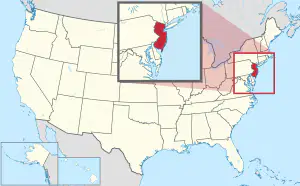

Which kind of state is happy with the Senate (equal votes in each state)?
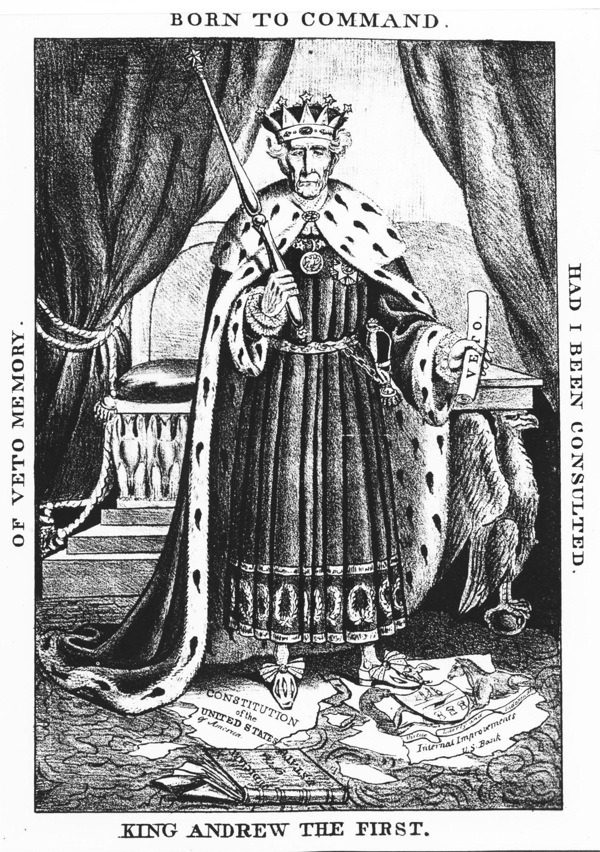
Which freedom protects your right to choose your own faith and follow it how you choose?
Freedom of Speech
Freedom of Religion
Freedom of the Press
Freedom of Assembly
Freedom to Petition the Government

