
 Worksheets
Past, Present, and Future Tenses (Step by Step)
Total questions: 124
Worksheet time: 3hrs 1mins

Let’s learn today, tomorrow, and yesterday.
This is a calendar.
A calendar tells time in days, weeks, and months.
What does a calendar do?
A calendar tells time in days, weeks, and months.
A calendar tells time in seconds, minutes, and watches.
A calendar tells time in breakfasts, lunches, and dinners.

There are 24 hours in one day.
There are 7 days in one week.
There are 30 days in one month.
There are 365 days in one year.
day
24 hours
week
7 Days
month
30 days
year
365 days

There are 24 hours in one day.
There are 7 days in one week.
There are 4 weeks in one month
There are 52 weeks in one year.
24 hours
1 day
7 days
1 week
4 weeks
1 month
52 weeks
1 year

Today means the day now.
Yesterday means the day before today.
Tomorrow means the day after today.
Match the following.
today
day now
yesterday
before today
tomorrow
after today

Today means the day now.
Today is Monday.
What day is it, today?
Monday
Sunday
Tuesday
Wednesday

Yesterday means the day before now.
Today is Monday. Yesterday was Sunday.
What day was it yesterday?

Tomorrow means the day after now.
Today is Monday. Yesterday was Sunday. Tomorrow will be Tuesday.
What day will it be tomorrow?

Let’s practice the days of the week together.
Today is (a) .
Yesterday was (b) .
Tomorrow will be (c) .

Let’s practice the today, tomorrow, and yesterday together.
(a) is Thursday.
(b) was Wednesday.
(c) will be Friday.

Let’s do a hard one this time.
Today is (a) .
Yesterday was (b) .
Tomorrow will be (c) .

Let's flip the question.
(a) is Saturday.
(b) was Friday.
(c) will be Sunday.

Now you read the calendar.
Today is (a) .
Yesterday was (b) .
Tomorrow will be (c) .

Read the calendar and answer.
Today is (a) .
Yesterday was (b) .
Tomorrow will be (c) .

Read the calendar and answer.
Today is (a) .
Yesterday was (b) .
Tomorrow will be (c) .

Read the calendar and answer.
Today is (a) .
Yesterday was (b) .
Tomorrow will be (c) .

Now look at the picture and choose yesterday, today, or tomorrow.
(a) is Monday.
(b) was Sunday.
(c) will be Tuesday.

Look at the picture and choose yesterday, today, or tomorrow.
(a) is Thursday.
(b) was Wednesday.
(c) will be Friday.

Look at the picture and choose yesterday, today, or tomorrow.
(a) is Saturday.
(b) was Friday.
(c) will be Sunday.

Yesterday, today, and tomorrow tell us when something happened or will happen.
Yesterday, today, and tomorrow tell us about time.
(a) will you go the park? I will go to the park (b)

Yesterday means it happened one day before. Yesterday is past tense.
Today means it happens now. Today is present tense.
Tomorrow means it will happen after now. Tomorrow is future tense.
Now match the following.
yesterday
past tense
today
present tense
tomorrow
future tense

Yesterday means it happened (a) .
Today means it happens (b) .
Tomorrow means it will happen (c) .

Let’s practice the words past, present, and future.
Dinosaurs lived in the (a) .
Humans live in the (b) .
Robots will live in the (c) .

In the (a) , people rode horses.
In the (b) , people drive cars.
In the (c) , people will fly in flying cars.

In the (a) , you were a baby.
In the (b) , you are a child.
In the (c) , you will be an adult.

In the (a) , she was a baby.
In the (b) , she is a princess.
In the (c) , she will be a queen.

For he, she, and it, use the verb is.
(a) is a boy.
(b) is a girl.
(c) is a dog.
For I, always use the verb am.

I am happy.

I am strong.

I am smart.
For we, they, or you, use the verb are.

We are hungry.

They are sleepy.

You are thirsty.

Let’s drag and drop to help us remember.
He (a) a boy.
I (b) happy.
We (c) nice.

She (a) a girl.
I (b) strong.
We (c) happy.

It (a) a dog.
I (b) smart.
You (c) polite.

We have a new rule to remember. If it is past tense, choose was or were. For he, she, it, and I, choose was.

Yesterday, it was noisy.

Yesterday, he was angry.

Yesterday, she was happy.

Yesterday, I was hungry.

If it is past tense, choose was or were. If the subject is you, we, or they, choose were.

Yesterday, they were hungry.

Yesterday, we were happy.

Yesterday, you were angry.

Yesterday, you were noisy.

Let’s see if you can remember.
Yesterday, I (a) hungry.
Yesterday, they (b) hungry.

Yesterday, she (a) happy.
Yesterday, we (b) happy.

Yesterday, he (a) angry.
Yesterday, you (b) angry.

Yesterday, it (a) noisy.
Yesterday, you (b) noisy.

If it will happen after now, it is the future tense.
The future tense is easy.
Put will in front of the verb.
Which sentence is correct?
I will be happy.
I be will happy.

For he, she, it, I, we, they, you the future tense is the same.
Put will in front of the verb.
Can you remember past and present tense, too? Let’s see.
For the past tense, choose (a) .
For the present tense, choose (b) .
For the future tense, choose (c) .

For the (a) tense, choose was or were.
For the (b) tense, choose am, is, or are.
For the (c) tense, choose will be.

Yesterday indicates the (a) tense.
Tomorrow indicates the (b) tense.
Every day indicates the (c) tense.

Yesterday indicates the (a) tense.
Tomorrow indicates the (b) tense.
Every day indicates the (c) tense.

(a) indicates the past tense.
(b) indicates the future tense.
(c) indicates the present tense.

(a) , it was hungry.
(b) , it is hungry.
(c) , it will be hungry.

Yesterday, it (a) hungry.
Every day, it (b) hungry.
Tomorrow, it (c) hungry.

(a) , he is angry.
(b) , he was angry.
(c) , he will be angry.

Every day, he (a) angry.
Yesterday, he (b) angry.
Tomorrow, he (c) angry.

(a) , we are kind.
(b) , we will be kind.
(c) , we were kind.

Every day, we (a) kind.
Tomorrow, we (b) kind.
Yesterday, we (c) kind.

(a) , I was noisy.
(b) , I am noisy.
(c) , I will be noisy.

Yesterday, I (a) noisy.
Every day, I (b) noisy.
Tomorrow, I (c) noisy.

(a) , she is careful.
(b) , she will be careful.
(c) , she was careful.
Every day, she (a) careful.
Tomorrow, she (b) careful.
Yesterday, she (c) careful.

(a) , you were hard-working.
(b) , you will be hard-working.
(c) , you are hard working.

Yesterday, you (a) hard-working.
Tomorrow, you (b) hard-working.
Every day, you (c) hard working.

(a) , you will be great.
(b) , you are great.
(c) , you were great.

(a) , you will be great.
(b) , you are great.
(c) , you were great.

Tomorrow, you (a) great.
Every day, you (b) great.
Yesterday, you (c) great.

For many verbs, it is much easier.
For many verbs, we add -ed to the end of the verb to make it past tense.
Tomorrow, I (a) my house.
Every day, I (b) my house.
Yesterday, I (c) my house.

If the verb has an _ed on the end, it means it happened in the past.
(a) , I will clean my house.
(b) , I clean my house.
(c) , I cleaned my house.

Yesterday, it (a) the ball into the net.
Every day, it (b) the ball into the net.
Tomorrow, it (c) the ball into the net.

(a) , he cooks pancakes for his family.
(b) , he cooked pancakes for his family.
(c) , he will cook pancakes for his family.

Tomorrow, she (a) Blooket to study.
Every day, she (b) Blooket to study.
Yesterday, she (c) Blooket to study.

(a) , you will ask a question in class.
(b) , you asked a question in class.
(c) , you ask a question in class.

Yesterday, we (a) our teacher clean the classroom.
Every day, we (b) your teacher clean the classroom.
Tomorrow, we (c) our teacher clean the classroom.

(a) , they will answer every question correctly.
(b) , they answered every question correctly.
(c) , they answer every question correctly.

The present tense of the verb do is does or do.
The future tense of the verb do is will do.
The past tense of the verb do is did.
Do you do your homework, every day? Yes, I (a) my homework.
Will you do your homework tomorrow? Yes, I (b) my homework.
Did you do your homework yesterday? Yes, I (c) my homework.

Do you do your homework, (a) ? Yes, I do my homework.
Will you do your homework (b) ? Yes, I will do my homework.
Did you do your homework (c) ? Yes, I did my homework.

(a) your homework, every day? Yes, I do my homework.
(b) your homework tomorrow? Yes, I will do my homework.
(c) your homework yesterday? Yes, I did my homework.

Did you do your best, yesterday? Yes, I (a) my best.
Do you do your best, every day? Yes, I (b) my best.
Will you do your best, tomorrow? Yes, I (c) my best.

Did you do your best, (a) ? Yes, I did my best.
Do you do your best, (b) ? Yes, I do my best.
Will you do your best, (c) ? Yes, I will do my best.

(a) your best, yesterday? Yes, I did my best.
(b) your best, every day? Yes, I do my best.
(c) your best, tomorrow? Yes, I will do my best.

The present tense of the verb have is has or have.
The future tense of the verb have is will have.
The past tense of the verb have is had.
What do you have for lunch, every day? I (a) spaghetti.
What will you have for lunch, tomorrow? I (b) spaghetti.
What did you have for lunch, yesterday? I (c) spaghetti.

What do you have for lunch, (a) ? I have spaghetti.
What will you have for lunch, (b) ? I will have spaghetti.
What did you have for lunch, (c) ? I had spaghetti.

What (a) for lunch, every day? I have spaghetti.
What (b) for lunch, tomorrow? I will have spaghetti.
What (c) for lunch, yesterday? I had spaghetti.

What will we have for lunch, tomorrow? We (a) pizza.
What did they have for lunch, yesterday? They (b) pizza.
What do they have for lunch, every day? They (c) pizza.

What will we have for lunch, (a) ? We will have pizza.
What did they have for lunch, (b) ? They had pizza.
What do they have for lunch, (c) ? They have pizza.

What (a) for lunch, tomorrow? We will have pizza.
What (b) for lunch, yesterday? They had pizza.
What (c) for lunch, every day? They have pizza.

Next indicates the future. For example: next Friday, next week, next month, next year, next July, next summer, etc. Last indicates the past. Hey, that rhymes! Last is the past, past for last, last past, past last. Last indicates the past.
Next indicates the (a) .
Last indicates the (b) .
Every indicates the (c) .

(a) indicates the future.
(b) indicates the past.
(c) indicates the present.

(a) Tuesday, I had ice-cream for breakfast.
(b) Tuesday, I will have ice-cream for breakfast.
(c) Tuesday, I have ice-cream for breakfast.

Last Tuesday, I (a) ice-cream for breakfast.
Every Tuesday, I (b) ice-cream for breakfast.
Next Tuesday, I (c) ice-cream for breakfast.

(a) month, I will do a spelling bee.
(b) month, I did a spelling bee.
Next month, I (c) a spelling bee.
Last month, I (d) a spelling bee.

The present tense of the verb go is goes or go.
The future tense of the verb go is will go.
The past tense of the verb go is went.
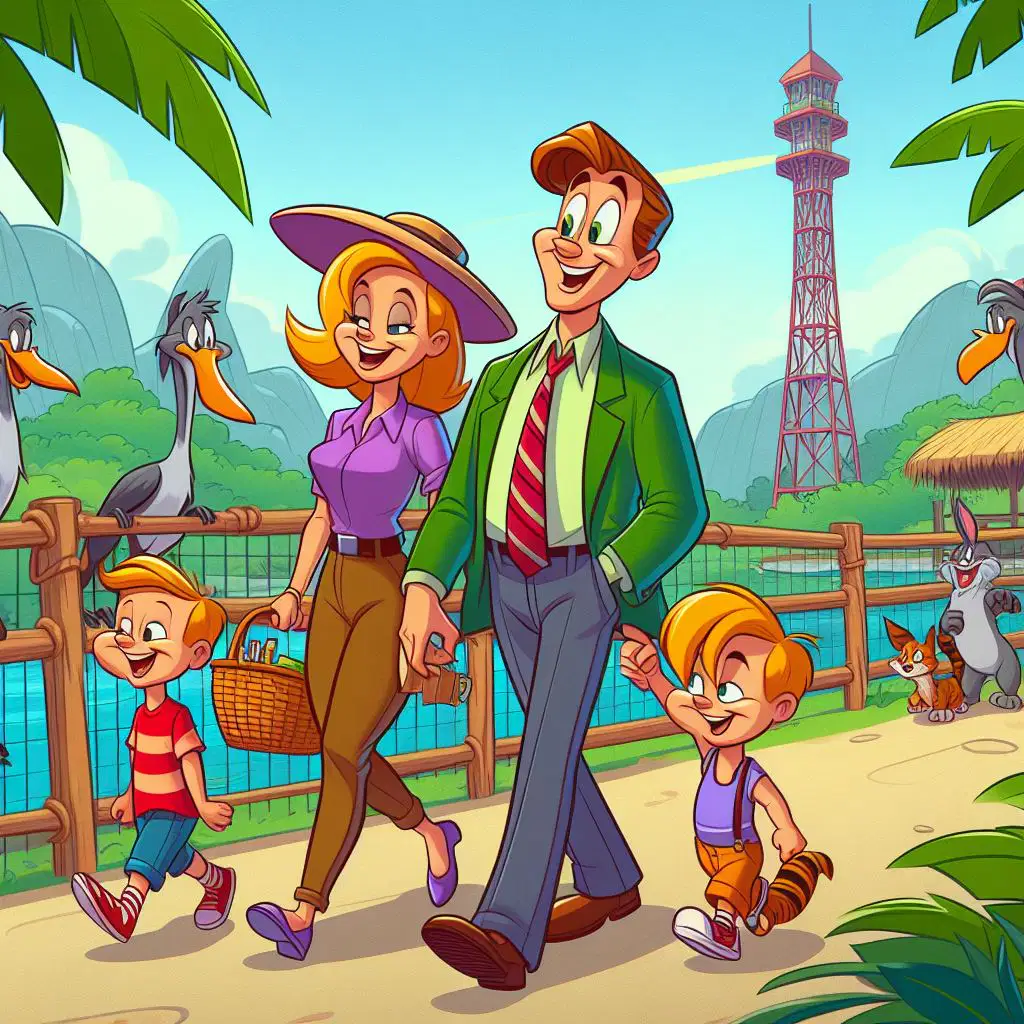
Does your family go to the zoo, every week? Yes, we (a) to the zoo.
Did your family go to the zoo last week? Yes, we (b) to the zoo.
Will your family go to the zoo, next week? Yes, we (c) to the zoo.

(a) to the zoo, every week? Yes, we go to the zoo.
(b) to the zoo last week? Yes, we went to the zoo.
(c) to the zoo, next week? Yes, we will go to the zoo.
Does your family go to the zoo, (a) week? Yes, we go to the zoo.
Did your family go to the zoo (b) week? Yes, we went to the zoo.
Will your family go to the zoo, (c) week? Yes, we will go to the zoo.

Did you go to the park, last Saturday? Yes, I (a) to the park.
Will you go to the park, next Saturday? Yes, I (b) to the park.
Do you go to the park, every Saturday? Yes, I (c) to the park.

(a) to the park, last Saturday? Yes, I went to the park.
(b) to the park, next Saturday? Yes, I will go to the park.
(c) to the park, every Saturday? Yes, I go to the park.

Did you go to the park, (a) Saturday? Yes, I went to the park.
Will you go to the park, (b) Saturday? Yes, I will go to the park.
Do you go to the park, (c) Saturday? Yes, I go to the park.

Yesterday, I (a) sad.
Every day, I (b) sad.
Tomorrow, I (c) sad.

Every day, she (a) friendly.
Tomorrow, she (b) friendly.
Yesterday, she (c) friendly.

Yesterday, he (a) helpful.
Tomorrow, he (b) helpful.
Every day, he (c) helpful.

Every day, the classroom (a) clean.
Yesterday, the classroom (b) clean.
Tomorrow, the classroom (c) clean.

Yesterday, they (a) fast.
Tomorrow, they (b) fast.
Every day, they (c) fast.

Every day, we (a) good listeners.
Yesterday, we (b) good listeners.
Tomorrow we (c) good listeners.

Next week, you (a) the group leader.
This week, you (b) the group leader.
Last week, you (c) the group leader.

Yesterday, I (a) tacos for lunch.
Tomorrow, I (b) tacos for lunch.
Every day, I (c) tacos for lunch.

Last Saturday, he (a) a bacon, lettuce, and tomato sandwich.
Next Saturday, he (b) a bacon, lettuce, and tomato sandwich.
Every Saturday, he (c) a bacon, lettuce, and tomato sandwich.

Tomorrow night, she (a) macaroni and cheese for dinner.
Every night, she (b) macaroni and cheese for dinner.
Last night, she (c) macaroni and cheese for dinner.

Every morning, the rabbit (a) a carrot for breakfast.
Tomorrow morning, the rabbit (b) a carrot for breakfast.
Yesterday morning, the rabbit (c) a carrot for breakfast.

Tomorrow night, we (a) cake after dinner.
Every night, we (b) cake after dinner.
Last night, we (c) cake after dinner.

Next Saturday, they (a) chocolate milk with their lunch.
Every Saturday, they (b) chocolate milk with their lunch.
Last Saturday, they (c) chocolate milk with their lunch.

Next week, you (a) bacon and eggs for breakfast.
Every week, you (b) bacon and eggs for breakfast.
Last week, you (c) bacon and eggs for breakfast.

Yesterday, I (a) a puzzle after school.
Every day, I (b) a puzzle after school.
Tomorrow, I (c) a puzzle after school.

Every morning, he (a) his homework before school.
Yesterday morning, he (b) his homework before school.
Tomorrow morning, he (c) his homework before school.

Tomorrow night, she (a) Raz-Kids after her homework.
Every night, she (b) Raz-Kids after her homework.
Last night, she (c) Raz-Kids after her homework.

Every week, it (a) tricks for snacks.
Last week, it (b) tricks for snacks.
Next week, it (c) tricks for snacks.

Last Saturday, you (a) Tai-Chi with your grandmother.
Next Saturday, you (b) Tai-Chi with your grandmother.
Every Saturday, you (c) Tai Chi with your grandmother.

Yesterday, we (a) the dishes after dinner.
Every day, we (b) the dishes after dinner.
Tomorrow, we (c) the dishes after dinner.

Yesterday morning, they (a) their homework.
Every morning, they (b) their homework.
Tomorrow morning, they (c) their homework.

Every night, I (a) to bed at eight o’clock.
Last night, I (b) to bed at eight o’clock.
Tomorrow night, I (c) to bed at eight o’clock.

Last Saturday, he (a) to the park to ride his bicycle.
Every Saturday, he (b) to the park to ride his bicycle.
Next Saturday, he (c) to the park to ride his bicycle.

Next week, she (a) to the zoo to learn about animals.
Every week, she (b) to the zoo to learn about animals.
Last week, she (c) to the zoo to learn about animals.

Every day, the rabbit (a) to the garden to eat a carrot.
Tomorrow, the rabbit (b) to the garden to eat a carrot.
Yesterday, the rabbit (c) to the garden to eat a carrot.

Tomorrow morning, you (a) to school early.
Every morning, you (b) to school early.
Yesterday morning, you (c) to school early.

Every night, they (a) to the pool to swim.
Last night, they (b) to the pool to swim.
Tomorrow night, they (c) to the pool to swim.

Last Saturday, we (a) to grandma’s house to get hugs.
Every Saturday, we (b) to grandma’s house to get hugs.
Next Saturday, we (c) to grandma’s house to get hugs.

Every week, I (a) Blooket after I read Raz-Kids.
Next week, I (b) Blooket after I read Raz-Kids.
Last week, I (c) Blooket after I read Raz-Kids.

Tomorrow, he (a) his room before dinner.
Every day, he (b) his room before dinner.
Yesterday, he (c) his room before dinner.

Yesterday morning, she (a) pancakes for breakfast.
Tomorrow morning, she (b) pancakes for breakfast.
Every morning, she (c) pancakes for breakfast.

Tomorrow night, the cat (a) the mouse.
Every night, the cat (b) the mouse.
Last night, the cat (c) the mouse.

Every Saturday, you (a) playing the piano.
Last Saturday, you (b) playing the piano.
Next Saturday, you (c) playing the piano.
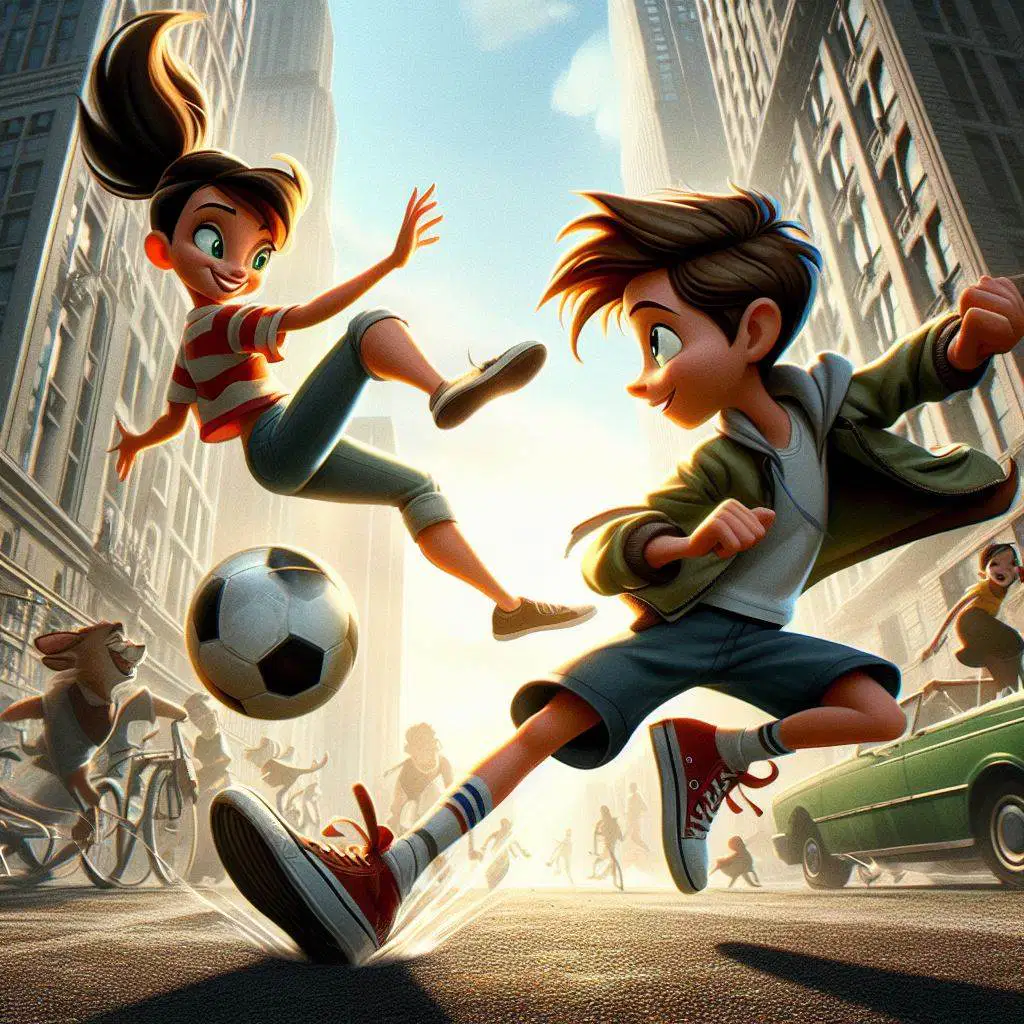
Last week, we (a) the ball back and forth.
Next week, we (b) the ball back and forth.
Every week, we (c) the ball back and forth.
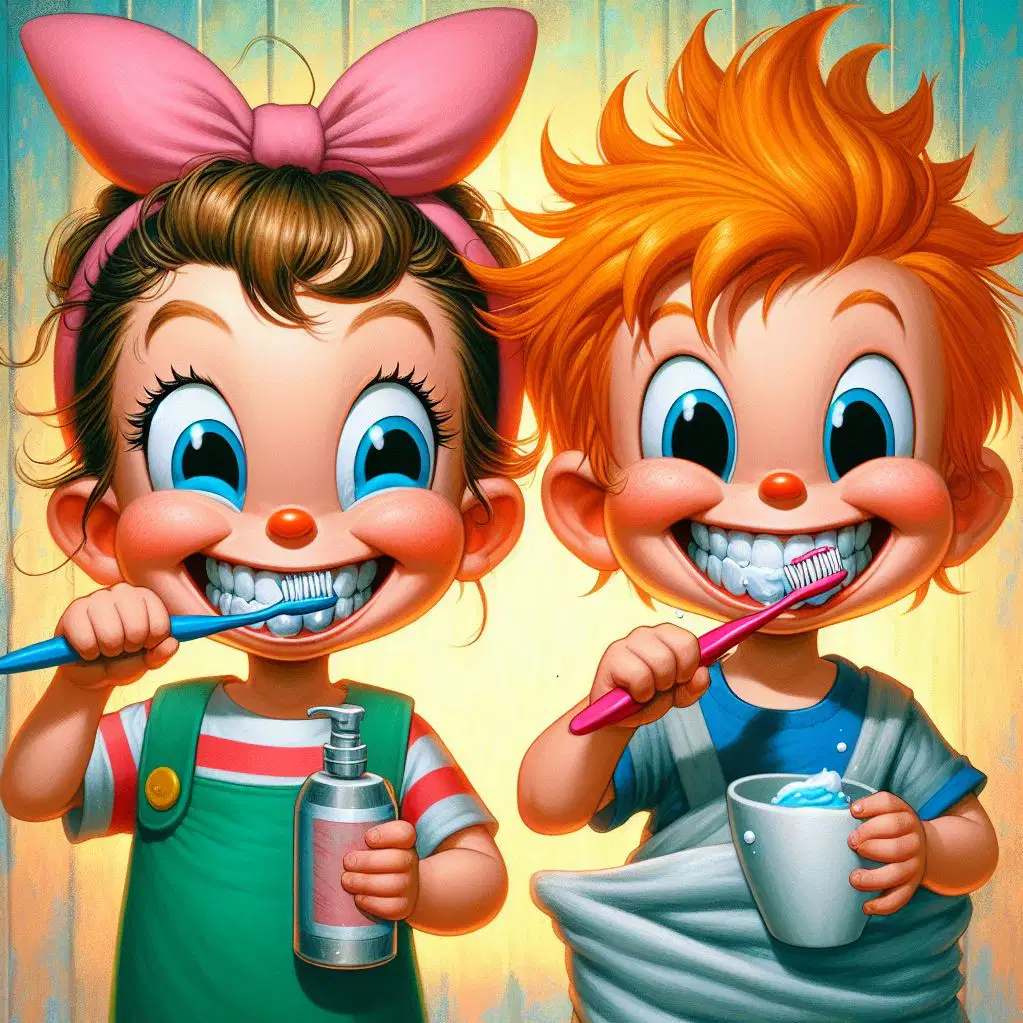
Yesterday, they (a) their teeth after dinner.
Tomorrow, they (b) their teeth after dinner.
Every day, they (c) their teeth after dinner.

