
 Worksheets
chemistry year 8 test
Total questions: 25
Worksheet time: 15mins

what is a solid

what is a liquid

what is a gas
can a solid be compressed
true
flase
can a liquid be compressed
true
false
can a gas be compressed
true
false
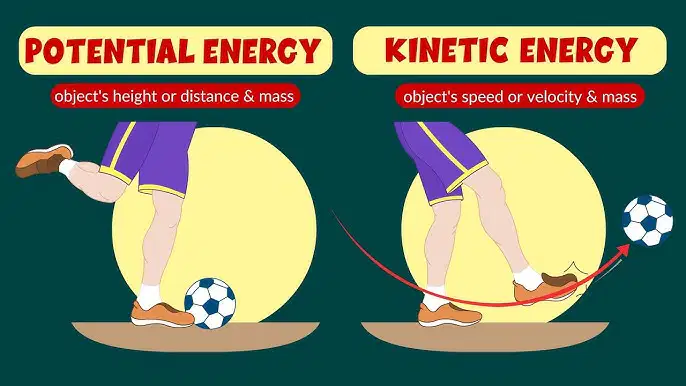
what is a kinetic energy

what is potential energy
is a energy matter has been stored by the bonds and force between particle
What is the boiling point of water?
0 degrees Celsius
100 degrees Celsius
212 degrees Fahrenheit
Both B and C are correct
What causes evaporation?
Decrease in temperature
Increase in pressure
Increase in temperature
Decrease in volume
What is the primary difference between a gas and a vapor?
A gas is always at a higher temperature than a vapor
A vapor is a gas that is at a temperature below its critical temperature, meaning it can be condensed to a liquid by pressure alone
A vapor is a solid state of matter
There is no difference; the terms are interchangeable
What happens to the boiling point of water at higher altitudes?
It increases
It decreases
It remains the same
It turns into ice
What is sublimation in terms of phase change?
Transition from solid to liquid
Transition from liquid to gas
Transition from gas to solid
Transition from solid to gas
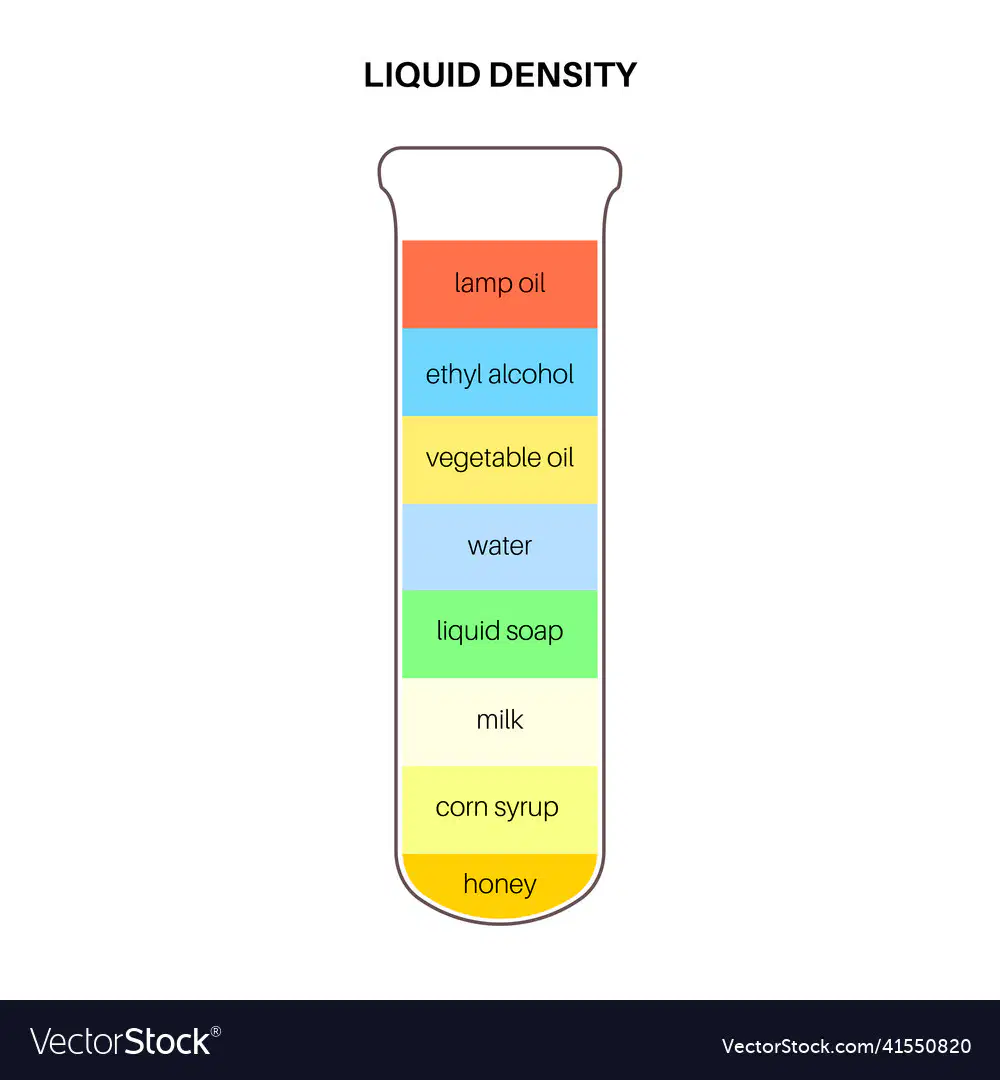
what is density
how do you calculate density
how to calculate volume by using density
what substance increases its density
(a)
what substance decrease its density
(a)
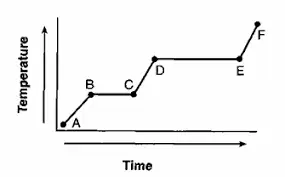
what is the state of matter is between b and c
solid
melting
gase
freezing

what is the kinetic energy of a heating curve
a
b
c
d
e
what is the potential energy of a heating curve
a
b
c
d
e
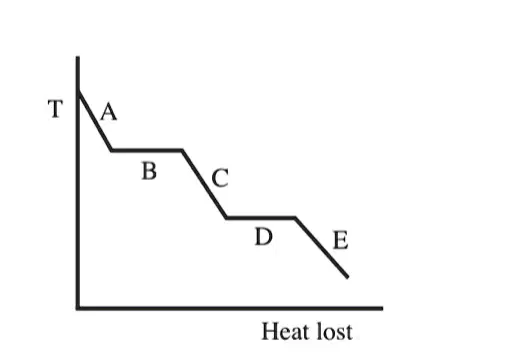
what is d in the cooling curve image
condensation
what is b in the cooling curve image
condensation
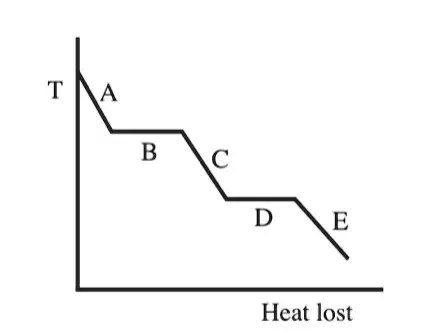
what is the kinetic energy of the cooling curve
a
b
c
d
e
what is the potential energy of the cooling curve
a
b
c
d
e

