Font size
 Worksheets
U3 L1 Plant Needs (Into science)
Total questions: 25
Worksheet time: 22mins
30%
45%
80%
60%
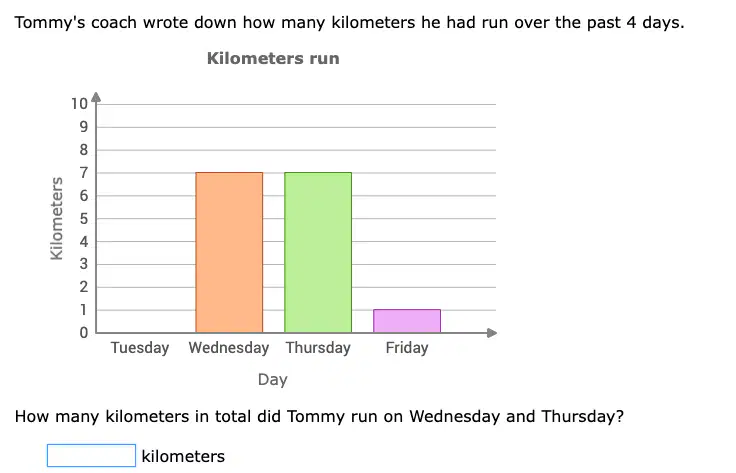
Tommy's coach wrote down how many kilometers he had run over the past 4 days. How many kilometers in total did Tommy run on Wednesday and Thursday?
(a) kilometers

Of the countries shown, which received the most aid per capita in 1985?
Tunisia
Nepal
Egypt
Sri Lanka
What does not happen to a plant if it doesn't get enough water?
Its leaves become weak.
It starts to wilt.
It begins to droop.
It produces more flowers.
Where do plants absorb WATER from?

Roots

Leaves

Stem

Flowers

What are the small pores on the surface of leaves that plants use to take in fresh air and release waste gases?
(a)
What percentage of most plants is made up of water?
60%
85%
90%
95%
Where do plants absorb NUTRIENTS from?
Roots
Leaves
Stem
Flowers
Where do plants get their nutrients in a hydroponic system?
In the soil surrounding the roots
In the leaves of the plant
In the air around the plant
In the water used to grow the plants
Where do plants absorb AIR from?
Roots
Leaves
Stem
Flowers
What is not required for a plant to get water and nutrients?
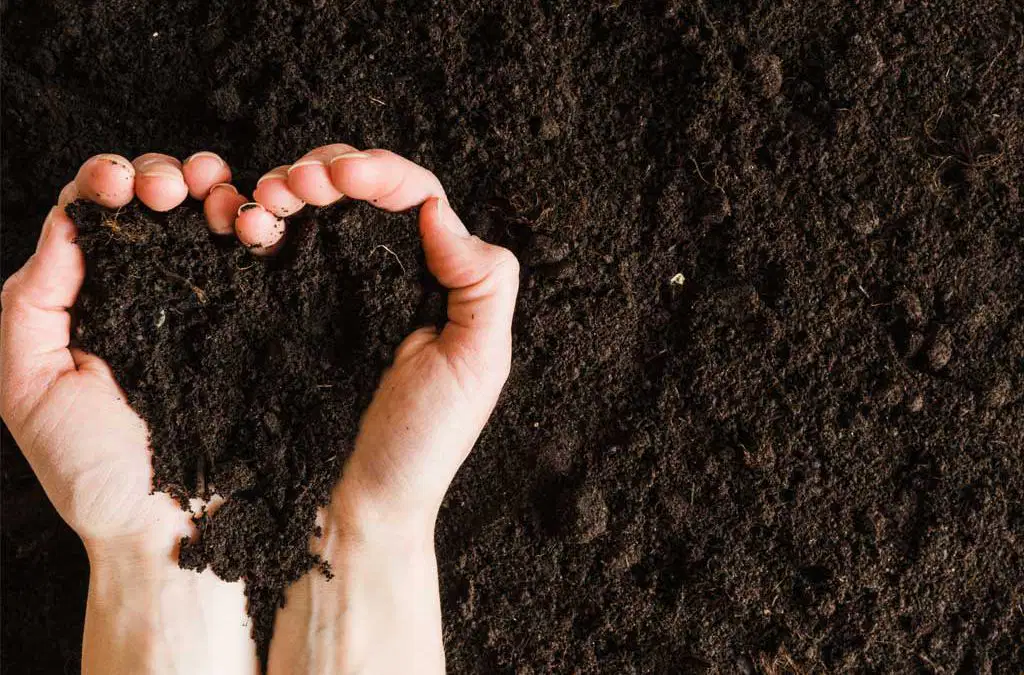
soil

air
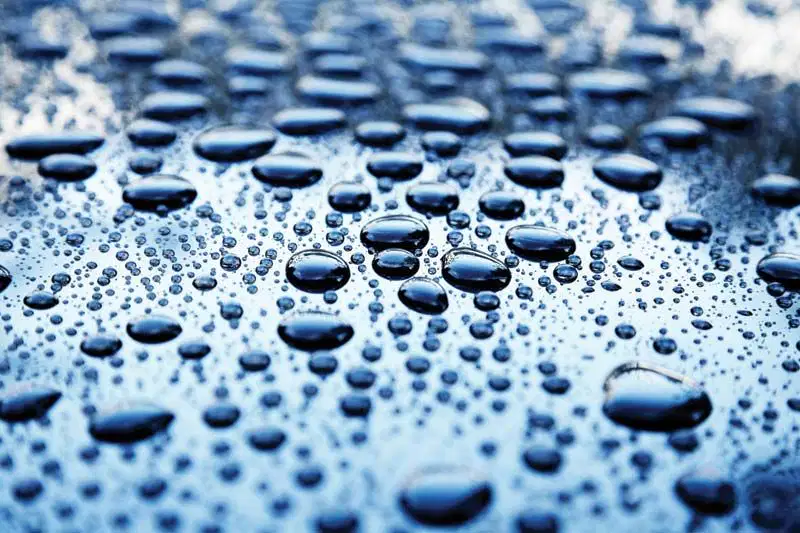
water

nutrients
What happens to a plant when it wilts?
It becomes stronger.
It cannot make food for itself.
It produces more flowers.
Its roots become more absorbent.
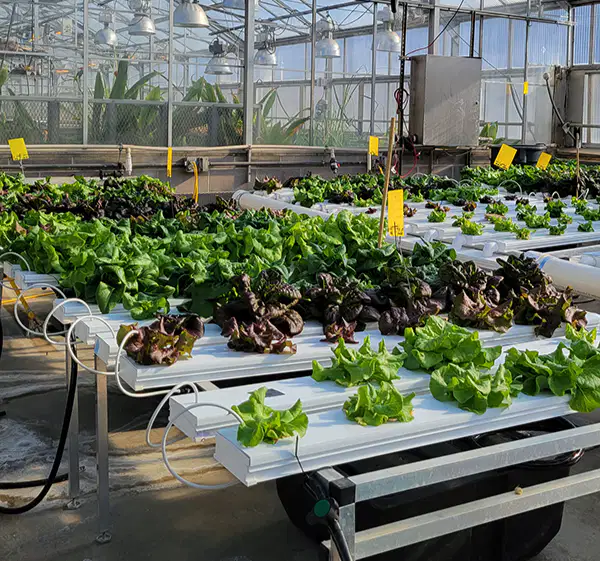
What do we call a system where plants are grown in water instead of soil?
(a)
What do plants use energy and matter to make?
Water
Nutrients
Air
Food
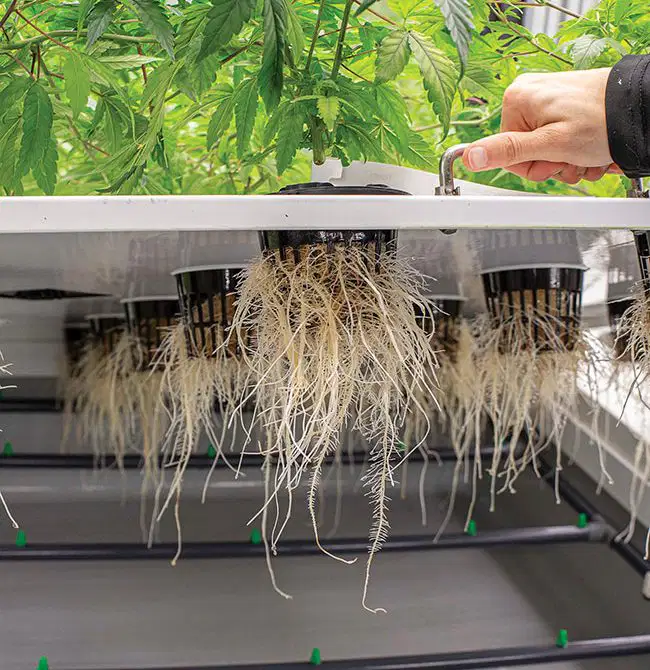
What do we call a system where plants are grown in the air without soil?
(a)
What do plants need to make their food?
Water, air, and sunlight
Soil, air, and water
Nutrients, sunlight, and air
Water, nutrients, and air
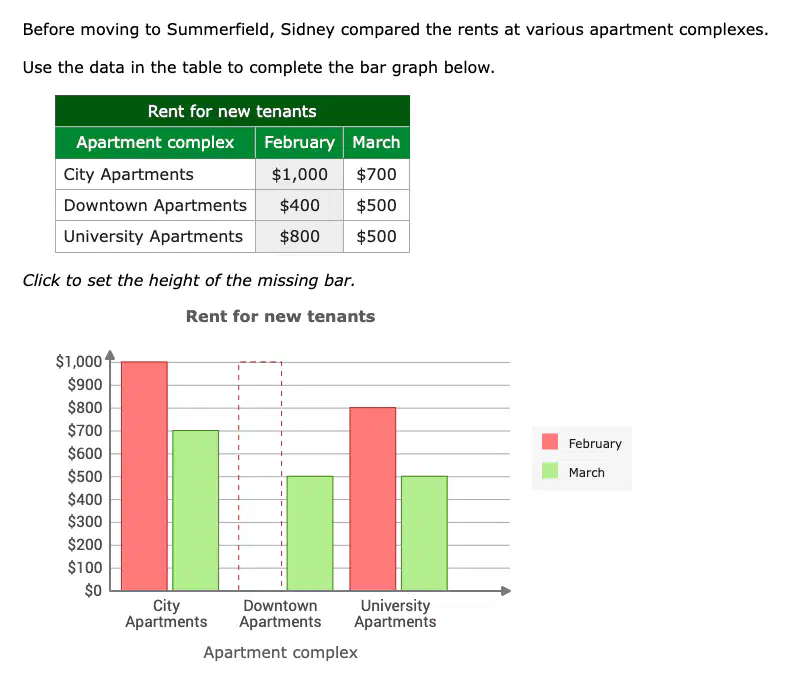
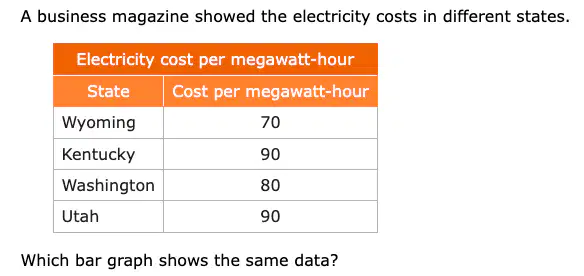
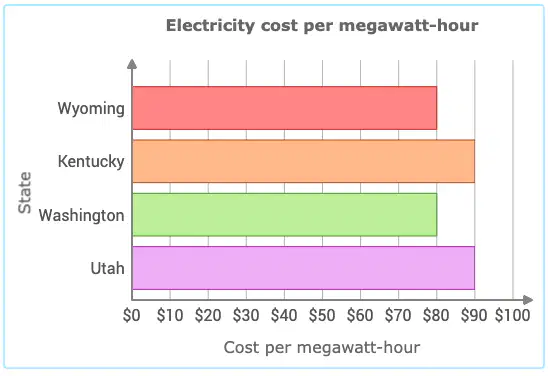
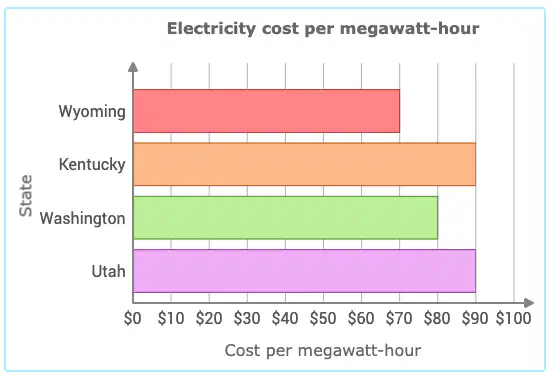
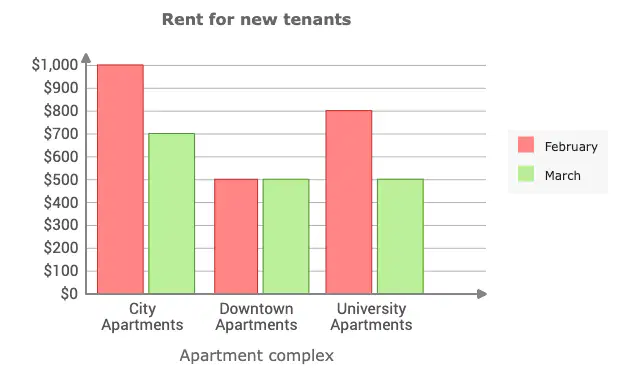
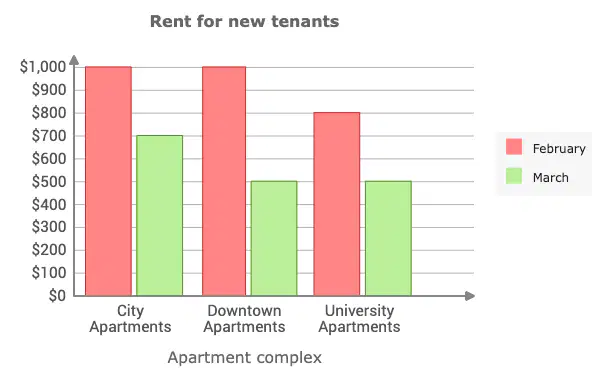
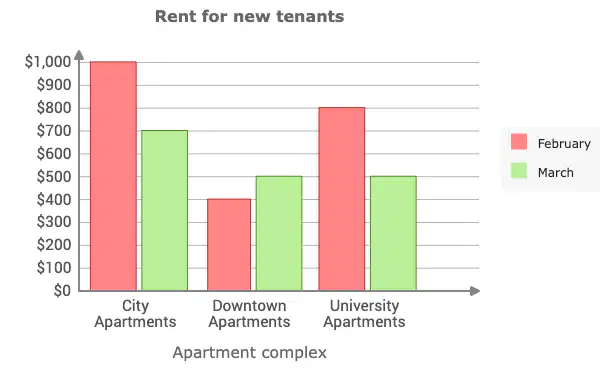
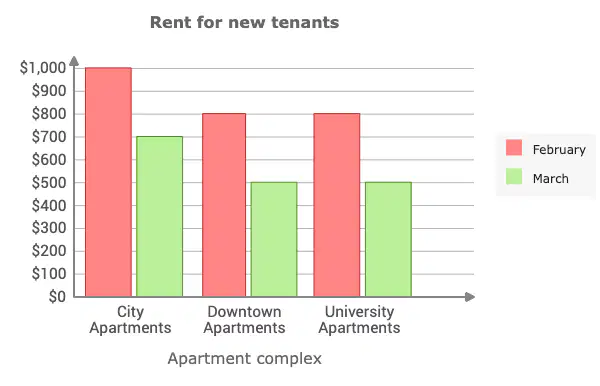
Use the data table to complete the bar graph! Choose the right answer!
What is the purpose of the tiny holes on the underside of leaves?
To absorb water from the air
To release waste water
To exchange gases with the environment
To collect nutrients from sunlight
Which of the following statements is TRUE?
Soil is essential for plants to receive water and nutrients.
Soil is not required for plants to receive water and nutrients.
Plants cannot survive without soil.
Plants do not need water and nutrients to grow.
How do plants absorb water?
Through their roots
Through their leaves
Through their stems
Through their flowers
What is the process by which plants make their own food?
Photosynthesis
Respiration
Transpiration
Germination
What is the primary function of plant roots?
To absorb water and nutrients
To produce flowers
To exchange gases with the environment
To collect nutrients from sunlight
What is the name of a process when plants use energy and matter to make food.
(a)

While looking through an almanac at the library, Lamar noticed some data showing the population density of various states. In 1990, how many more people per square mile lived in Missouri than in Washington?
(a) people per square mile