
Font size
 Worksheets
Permanent Waving Part 3
Total questions: 15
Worksheet time: 14mins

Severe discoloration or hair damage can result when attempting to perm hair treated with products containing:
metallic dyes/salts
ammonia
aniline derivatives
hydrogen peroxide
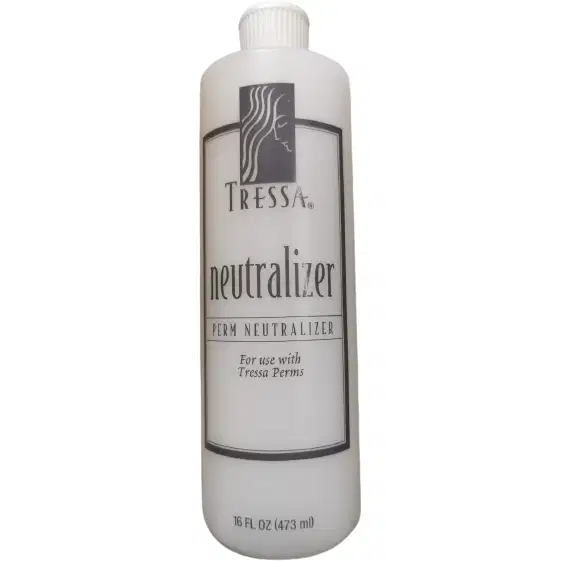
For optimum bonding, most neutralizers remain in the hair for (a) minutes

The main difference between a perm and a body wave is the:
size of the rods
strength of the perm
processing time
neutralizing time

Hair that looks curly when wet but feels harsh and damaged when dry is:
resistant hair
in need of re-perming
underprocessed hair
overprocessed hair

To help determine in advanced how a client’s hair will react to a perm, it is necessary to do a:
strand test
preliminary test curl
predisposition test
patch test

The main active ingredient in neutralizer is:
sodium hydroxide
ammonium thioglycolate
hydrogen peroxide

The length of time required for the hair strands to absorb the waving lotion and the bonds to rearrange is called:
A perfectly processed perm should break what percent of the disulfide bonds?
(a)
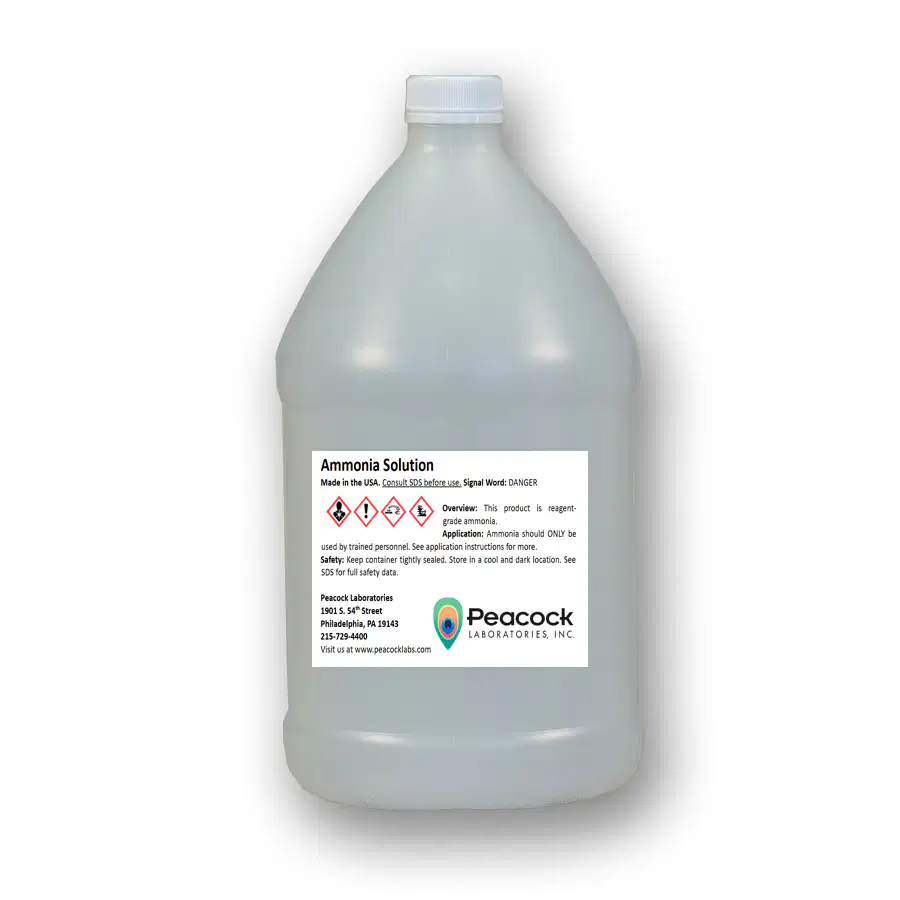
If you suspect that metallic salts are present, mix one ounce of 20 volume peroxide with 20 drops of 28%:
ammonia water
bleach water
rose water
hydrogen water

The method used to rebuild and reharden the hair after it has been processed is called:
reformation
reduction
neutralization
hydrogenation

If the hair is underprocessed:
too many disulfide bonds are broken
too few disulfide bonds are broken
the hair is curlier at the scalp
the hair is usually completely straight on the ends

An important step after rinsing and before neutralizing a perm is:
blotting
rod removal
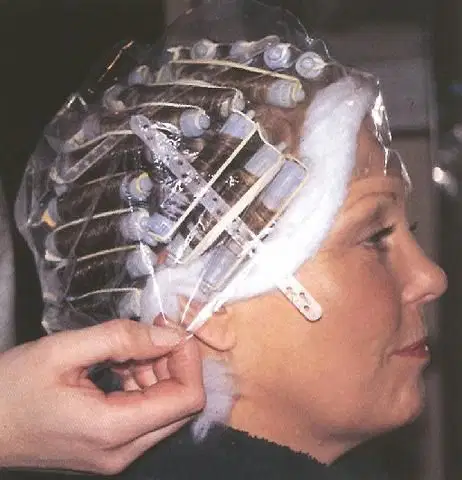
In perming, most of the processing takes place in the:
First 5-10 minutes
First 10-15 minutes
Last 5-10 minutes
Last 10-15 minutes

What is one safety precaution to follow when perming?
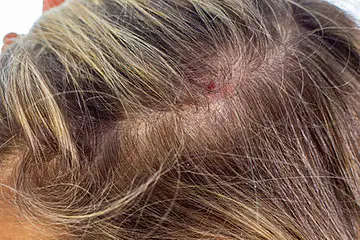
Give one instance when you would not want to give a perm:

