
 Worksheets
Constitution of Russia (and some other Russian questions)
Total questions: 20
Worksheet time: 13mins
What are the key amendments made to the Russia Constitution?
Changes to presidential term limits, State Council role, and priority of Russian law over international law
Changes to the role of the Russian Orthodox Church
Expansion of LGBTQ rights
Reduction of military spending
Discuss one controversy surrounding the Russia Constitution.
Proposed amendments allowing President Putin to potentially stay in power until 2036
The Russia Constitution was unanimously accepted by all citizens
There are no proposed amendments to the Russia Constitution
The Russia Constitution has never been controversial
How does the Russia Constitution define the role of the President?
The President is defined as the head of the judiciary system.
The President is defined as the head of government and the commander-in-chief of the military.
The President is defined as the head of state and the guarantor of the Constitution and human rights.
The President is defined as a ceremonial figure with no real power.
Explain the role of the Russia Constitution in the separation of powers.
The Basic Law of the Russian Federation plays a decisive role in the separation of powers, clearly defining the powers and responsibilities of the legislative, executive and judicial branches of government.
The Russia Constitution allows the president to control all branches of government
The Russia Constitution has no role in the separation of powers
The Russia Constitution only applies to the executive branch
What is the significance of the Russia Constitution in protecting individual rights?
It guarantees fundamental rights and freedoms to all citizens.
It has no impact on individual rights
It restricts individual rights and freedoms
It only applies to certain groups of citizens
Describe the process of amending the Russia Constitution.
The President of Russia can make amendments without any approval
The amendments are proposed by the regional legislative assemblies
The process involves a public referendum with a simple majority vote
Proposing the amendments, reviewing and approving by the State Duma and Federation Council, and obtaining the approval of at least two-thirds of the regional legislative assemblies.
How does the Russia Constitution address the issue of federalism?
The Russia Constitution does not address the issue of federalism
The Russia Constitution establishes a system of federal government with a division of powers between the central government and the regional entities.
The Russia Constitution gives all power to the central government with no division of powers
The Russia Constitution allows each regional entity to have its own separate constitution
Discuss the role of the Russia Constitution in ensuring the rule of law.
It does not protect individual rights
It establishes the framework for the legal system, protects individual rights, and provides for the separation of powers.
It allows for the concentration of power in one branch of government
It has no impact on the legal system
Explain the impact of the Russia Constitution on the judiciary system.
Expanding the powers of the executive branch over the judiciary system
Establishing the independence of the judiciary and defining the powers and responsibilities of the courts.
Abolishing the judiciary system completely
Reducing the independence of the judiciary system

Russia was ruled by _______ for many centuries.
Czars
Presidents
Prime Ministers
Communists
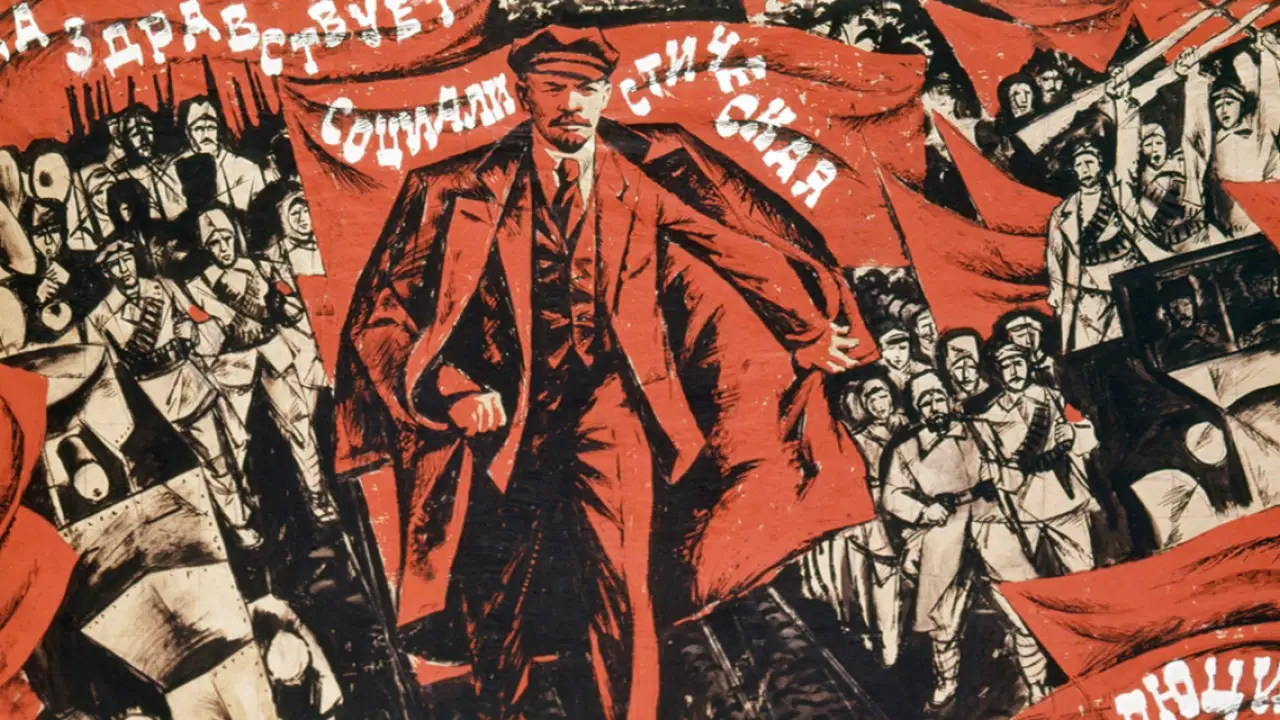
The Russian Revolution of 1917 ended (a) , but also started (b) .

Chechnya fought for its independence in large part due to religious and cultural differences from the rest of Russia.
This is an example of...
internal conflict in Russia occurring due to ethnic and religious differences.
financial differences crashing Russia's economy
outside countries meddling in Russia's affairs
a poor jobs market in Russia
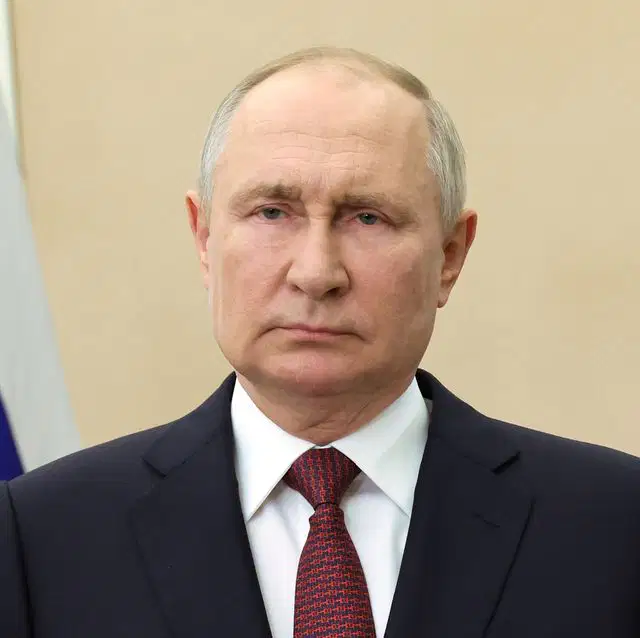
In 2020, the Russian government changed the constitution to allow Vladimir Putin to serve 4 consecutive 6-year terms (24 more years) as president.
This is an example of...
Putin increasing democratic freedoms in Russia.
Putin attempting to stay in office permanently.
Freedom of Russians to choose their leaders freely and fairly.
Putin giving the Russian public more options.
In a communist economic system, such as that of the former Soviet Union, economic decisions are primarily made by —
the central government
consumers and producers
traditional indigenous leaders
the owners of major industries
Which of the following is likely to be found in an unlimited government?
Free speech
One- party rule
Multi-party elections
protection of human rights
Currently, the term of office for Russian Presidents
4 years
6 years
8 years
12 years
Russia's Prime Ministers are ...
Elected by the legislature
Picked by the President and then confirmed by the legislature
Directly elected by the people
Currently the name of the lower house of the national legislature in Russia
The National Assembly
Parliament
The Duma
The National Congress
The Supreme Soviet
Which of the following are issues Russia has concerning Ukraine
Ukraine's desire to join NATO
Uniting Russian people back with their country
Restoring old empire
All of the above
Alliance system at the center of tension between Russia and Ukraine
North Atlantic Treaty Organization
United Nations
Axis Powers
European Union

