Wayground logo

Free Printable Worksheets

Font size

S
M
L
XL
Worksheets

smsjs

Total questions: 142

Worksheet time: 2hrs 57mins

Name
Class
Date
1.

An animal with a backbone.

a)

Vertebrate

b)

Invertebrate

2.

Live in water, have gills, scales and fins

a)

Fish

b)

Mammals

c)

Amphibians

d)

Reptiles

e)

Birds

3.

Have hair or fur, female make milk, and use lungs.

a)

fish

b)

Mammals

c)

Reptiles

d)

Amphibians

e)

Birds

4.

Born in water and live on land as adults, born with gils and turn into lungs as adults, have tails and grow legs.

a)

Fish

b)

Mammals

c)

Birds

d)

Reptiles

e)

Amphibians

5.

Scaly and dry skin, live on land and water.

a)

Fish

b)

Mammals

c)

Reptiles

d)

Amphibians

e)

birds

6.

Have feathers and lay eggs.

a)

Fish

b)

Mammals

c)

Birds

d)

Reptiles

e)

Amphibians

7.

What type of vertebrate are humans?

a)

Fish

b)

Birds

c)

Reptiles

d)

Amphibians

e)

Mammals

8.

What kind of vertebrate is this animal?

a)

Fish

b)

Bird

c)

Amphibians

d)

Reptiles

e)

Mammals

9.

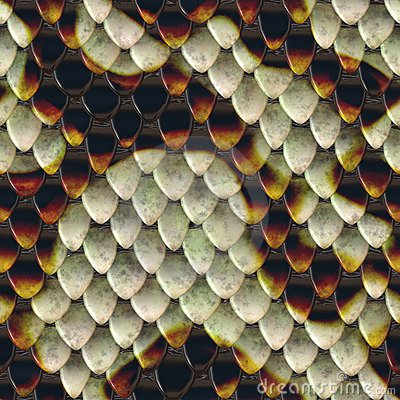
What kind of vertebrate is this animal?

a)

Fish

b)

Mammals

c)

Reptiles

d)

Birds

e)

Amphibians

10.

What kind of vertebrate is this?

a)

Birds

b)

Mammals

c)

Reptiles

d)

Amphibians

e)

Fish

11.

What kind of vertebrate is this?

a)

Fish

b)

Birds

c)

Mammals

d)

Amphibians

e)

Reptiles

12.

What kind of vertebrate is this?

a)

Fish

b)

Bird

c)

Mammals

d)

Amphibians

e)

Reptiles

13.

Invertebrates are the largest group of animals on Earth.

a)

True

b)

False

14.

We classify animals into 5 groups.

a)

True

b)

False

15.

Vertebrates do not have a backbone.

a)

True

b)

False

16.

We classify vertebrates into 5 smaller groups.

a)

True

b)

False

17.

Mammals are oviparous. They reproduce by laying eggs.

a)

True

b)

False

18.

Mammals can be carnivores, herbivores or omnivores.

a)

True

b)

False

19.

Birds have light hollow bones which help them fly.

a)

True

b)

False

20.

Mammals, birds and reptiles breathe with lungs.

a)

True

b)

False

21.

Birds can be herbivores or omnivores.

a)

True

b)

False

22.

Most reptiles are viviparous. Their babies are born live.

a)

True

b)

False

23.

Reptiles have scales to camouflage, protect and prevent evaporation.

a)

True

b)

False

24.

Baby amphibians live in water and breathe through their gills.

a)

True

b)

False

25.

Adult amphibians breathe with their lungs and through their moist skin.

a)

True

b)

False

26.

Amphibians and almost all fish are viviparous. They lay lots of eggs under water.

a)

True

b)

False

27.

Fish take in the oxygen they need from water, using their gills.

a)

True

b)

False

28.
How many groups of vertebrates do you know?
a)
2
b)
4
c)
5
d)
10
29.
Which are the 5 groups of vertebrate animals?
a)
Mammals, fish, amphibians and sharks
b)
Mammals, fish, birds, reptiles and amphibians
c)
Lions, tuna, eagle, crocodile and frog
d)
Humans, fish, birds and reptiles
30.
What animals are viviparous?
a)
Birds, amphibians, reptiles, fish and invertebrates
b)
Mammals
c)
Humans
31.
What animals are oviparous?
a)
Animals that drink mother's milk
b)
Animals that lay eggs
32.
What animals breathe with their lungs?
a)
Mammals and birds
b)
Fish and chips
c)
Mammals, birds, reptiles and adult amphibians
d)
Humans, birds and sharks
33.
Which of these animals breathe through their gills?
a)
Fish
b)
Fish and baby amphibians
c)
Mammals, adult amphibians, reptiles and birds
34.
Which animal can breathe with their lungs and also through their moist skin?
a)
Amphibians
b)
Fish
c)
Reptiles
35.
Which animals have scales?
a)
Fish and reptiles
b)
Mammals, birds and amphibians
36.
What are the parts of the birds we have studied?
a)
Gills, fins and scales
b)
Skin
c)
Feathers, beak and wings
37.
In which group are there animals that can fly, run or swim?
a)
Birds
b)
Fish
c)
Reptiles
d)
Mammals
38.
Which group of animals have bodies covered with scales or shell?
a)
Turtles
b)
Amphibians
c)
Reptiles
39.
What do the herbivores eat?
a)
Other animals
b)
Plants
c)
Plants and other animals
40.
What type of animals eat other animals?
a)
Hervibore
b)
Carnivore
41.
What do the omnivores eat?
a)
Plants
b)
Other animals
c)
Plants and other animals
42.
What of these animals is a mammal?
a)
Bat
b)
Frog
c)
Crocodile
d)
Ostrich
43.
What word means  body temperature changes when the outside temperature changes?
a)
cold blooded
b)
warm blooded
c)
classify
d)
vertebrate
44.
What word means to divide into groups?
a)
cold blooded
b)
warm blooded
c)
classify
d)
vertebrate
45.
What word means body temperature stays the same no matter what the outside temperature is?
a)
cold blooded
b)
warm blooded
c)
classify
d)
vertebrate
46.
What are animals with a backbone called?
a)
vertebrates
b)
invertebrates
c)
backies
47.
What group of vertebrates are robins and owls?
a)
fish
b)
mammals
c)
amphibians
d)
birds
48.
What group of vertebrates is a mouse?
a)
fish
b)
mammals
c)
amphibians
d)
birds
49.
What group of vertebrates is an elephant?
a)
fish
b)
mammals
c)
amphibians
d)
birds
50.
What are animals without backbones called?
a)
vertebrates
b)
invertebrates
c)
classify
d)
cold blooded
51.
Which word means the bones which form the framework of the body?
a)
cold blooded
b)
classify
c)
vertebrate
d)
skeleton
52.
Which word means "going south to a warmer climate"?
a)
skeleton
b)
vertebrate
c)
migration
d)
classify
53.
Which is not a reason birds migrate?
a)
vacation
b)
find food
c)
warmer climate
d)
to breed
54.
What group of vertebrates is a chipmunk?
a)
amphibians
b)
mammals
c)
reptiles
d)
fish
55.
What group of vertebrates is a whale?
a)
mammals
b)
birds
c)
reptiles
d)
amphibians
56.
Which word describes the different stages of an animal's life?
a)
classify
b)
migration
c)
life cycle
d)
cold blooded
57.
What group of vertebrates are snakes and lizards?
a)
amphibians
b)
reptiles
c)
mammals
d)
fish
58.
What group of vertebrates are salmon and tuna?
a)
birds
b)
mammals
c)
amphibians
d)
fish
59.
What group of vertebrates are frogs and toads?
a)
amphibians
b)
reptiles
c)
fish
d)
birds
60.
What did God give birds to make them waterproof?
a)
beaks
b)
feet
c)
umbrellas
d)
feathers
61.
What is not something a bird can do with its beak?
a)
keep itself dry
b)
build nest
c)
eat
d)
clean themselves
62.
Which word means living a double life?
a)
amphibian
b)
two-sided
c)
cold blooded
d)
warm blooded
63.

All vertebrates have a _____________.

a)

tail

b)

neck

c)

backbone

d)

fin

64.

What is major difference between vertebrates and invertebrates?

a)

Vertebrates have backbones and invertebrates do not.

b)

Invertebrates always live in the water.

c)

Invertebrates are much larger than vertebrates.

d)

They are both the same.

65.

Humans are vertebrates.

a)

True

b)

False

66.

Is this animal a vertebrate or invertebrate?

a)

Invertebrate

b)

Vertebrate

67.

Is this an invertebrate or vertebrate?

a)

Invertebrate

b)

Vertebrate

68.

What is an invertebrate?

a)

An animal with a backbone

b)

mammals

c)

birds

d)

An animal without a backbone

69.

Mammals, fish, birds, and reptiles are all ________.

a)

Invertebrates

b)

Vertebrates

70.

Which group does this animal belong to?

a)

Invertebrate

b)

Vertebrate

71.

Jellyfish, spiders, starfish, and worms are ________.

a)

Vertebrates

b)

Invertebrates

72.

This animal belongs to what group?

a)

Vertebrate

b)

Invertebrate

73.

What are animals WITHOUT backbones?

a)

vertebrates

b)

invertebrates

c)

mammals

74.

Is a jellyfish a vertebrate or an invertebrate?

a)

vertebrate

b)

invertebrate

75.

Is a giraffe a vertebrate or an invertebrate?

a)

vertebrate

b)

invertebrate

76.

What is an invertebrate that has legs with joints, a segmented body, and a hard covering on the outside of its body?

a)

mammal

b)

fish

c)

arthropod

d)

reptile

77.

What type of arthropod has six jointed legs?

a)

arachnid

b)

myriapod

c)

insect

78.

What type of invertebrate has a soft body and most have eyes and hard shells?

a)

mollusks

b)

fish

c)

worms

79.

What type of arthropod is an ant?

a)

insect

b)

arachnid

c)

crustacean

d)

myriapod

80.

What type of arthropod is a crab?

a)

insect

b)

arachnid

c)

crustacean

d)

myriapod

81.

What type of arthropod is a spider?

a)

insect

b)

arachnid

c)

crustacean

d)

myriapod

82.

What type of arthropod is a centipede?

a)

insect

b)

arachnid

c)

crustacean

d)

myriapod

83.

Invertebrates do NOT have

a)

exoskeleton

b)

soft body

c)

internal skeleton

d)

eyes

84.

Worms and slugs have...

a)

a soft body

b)

an internal skeleton

c)

an exoskeleton

d)

a spine

85.

Arthropods are invertebrates with

a)

a soft body

b)

an exoskeleton

c)

many eyes

d)

bones

86.

Snails have

a)

a shell

b)

small legs

c)

internal bones

87.

Crabs have

a)

a soft body

b)

an exoskeleton

88.

A jellyfish has

a)

a soft body

b)

an exoskeleton

89.

Most invertebrates are...

a)

Viviparous

b)

Oviparous

c)

Ovoviviparous

90.
a)

A grasshopper

b)

A scorpion

c)

A crab

d)

A ladybird

91.
a)

a snail

b)

a ladybird

c)

a grasshopper

d)

a jellyfish

92.

A caterpillar will become a...

a)

snail

b)

bird

c)

butterfly

d)

egg

93.

A scorpion has

a)

a soft body

b)

an exoskeleton

94.

An octopus has

a)

feathers

b)

fur

c)

scales

d)

tentacles

95.

Arthropods have three different parts

a)

head, thorax and abdomen

b)

head, shoulders and knees

c)

shell, legs and tail

96.

Which one has a soft body?

a)
b)
c)
97.

Sponges are

a)

vertebrates

b)

invertebrates

98.

A(n) ___________________ is an animal that does not have a backbone.

a)

Vertebrate

b)

Invertebrate

99.

_______________ are animals that move very little and their bodies are full of holes.

a)

exoskeleton

b)

sponges

c)

arthropod

d)

sea urchins

100.

Sea stars and _____________ do not have a head, but they have a mouth.

a)

earthworms

b)

exoskeleton

c)

mollusks

d)

sea urchins

101.

______________ have soft tube like bodies and live in water, in soil, or even in other animals.

a)

tentacles

b)

Octopus

c)

sponges

d)

worms

102.

Corals and jellies have arm-like parts called?

a)

sponges

b)

invertebrates

c)

exoskeleton

d)

tentacles

103.

Snails, squids, octopuses, clams, oysters and scallops all belong to the same group called?

a)

vertebrates

b)

sea urchins

c)

arthropod

d)

mollusks

104.

A(n) _____________ is an invertebrate that has jointed legs, a body with two or more sections, and a hard outer covering.

a)

Exoskeleton

b)

Vertebrate

c)

mammal

d)

arthropod

105.

The hard outer covering of an arthropod is called a(n)?

a)

Skeleton

b)

Exoskeleton

c)

Skin

d)

roof

106.

Most of the animals on Earth are?

a)

invertebrates

b)

vertebrates

c)

mammals

d)

birds

107.

An invertebrate is an animals that does not have a?

a)

head

b)

tongue

c)

backbone

d)

blood

108.

Arthropods has 2 or more ____________ of its body.

a)

tentacles

b)

sections

c)

arms

d)

legs

109.

A lobster is an invertebrate that lives on/in ____________.

a)

water

b)

land

c)

trees

110.

Except for the octopus and squid, most mollusks have what?

a)

a shell

b)

one arm

c)

8 eyes

d)

feet

111.

The largest group of invertebrates are the?

a)

Arthropods

b)

Mollusks

c)

Corals & jellies

112.

What famous cartoon features invertebrates as their main characters?

a)

SpongeBob Square Pants

b)

Scooby Doo

c)

Flintstones

113.
All insects have how many total legs?
a)
two
b)
four
c)
six
d)
eight
114.
All insects have how many total legs?
a)
two
b)
four
c)
six
d)
eight
115.
Which of the following is NOT an insect?
a)
fly
b)
beatle
c)
dragonfly
d)
spider
116.
Insects have eight legs and five main body parts.
a)
True
b)
False
117.
Complete metamorphosis has four stages, and incomplete metamorphosis has three stages.
a)
True
b)
False
118.
Which of the four stages of a butterfly is in the correct order?
a)
Egg, butterfly, chrysalis, caterpillar
b)
Egg, caterpillar, butterfly, chrysalis
c)
Egg, caterpillar, chrysalis, butterfly
d)
Chrysalis, egg, caterpillar, butterfly
119.
What are three main body parts of an insect? 
a)
Head, chest, tail
b)
Head, thorax, abdomen
c)
Thorax, antennas, heart
d)
Head, thorax, abdomen
120.
Which creatures below are insects?
a)
Bees, ladybugs, spiders, dragonflies
b)
Scorpions, Mosquitos, bees, worms
c)
Bees, butterflies, grasshoppers, ladybugs
d)
Dogs, cats, bird, fish
121.
some insects develop in____
a)
cacoons
b)
eggs
c)
nests
d)
houses
122.
Spiders are insects.
a)
True
b)
False
123.
How many legs does an insect have?
a)
2 
b)
6 
c)
4 
d)
8 
124.
Which insect produces honey that we can eat? 
a)
butterfly
b)
praying mantis
c)
honeybee
d)
cricket
125.
What are three main body parts of an insect? 
a)
Head, chest, tail
b)
Head, antenna, abdomen
c)
Thorax, antenna, heart
d)
Head, thorax, abdomen
126.
What part of an insect's body help it smell and feel?
a)
legs
b)
antennae
c)
thorax
d)
abdomen
127.

Insects bodies have _______ sections.

a)

2

b)

10

c)

5

d)

3

128.

Insects use these for feeling, hearing, and tasting.

a)

antennae

b)

fingers

c)

nostrils

d)

toes

129.

When the insect's body changes from a pupa into an adult

a)

metamorphosis

b)

photosynthesis

c)

hibernation

d)

migration

130.
The hard body coverings of insects that give support and protection; skeletons outside of the body.
a)
exoskeleton
b)
antennae
131.

A fine, powdery substance produced within flowers; it is transported from flower to flower by insects so new flower seeds can grow.

a)

pollen

b)

colonies

132.

Insects have eight legs and many body parts.

a)

true

b)

false

133.
Insects have skeletons on the inside of their bodies like we do.
a)
true
b)
false
134.

Insects breathe using

a)

lungs

b)

gills

c)

tiny holes in their exoskeleton

135.

Insects are

a)

invertebrates

b)

vertebrates

136.

Insects are

a)

cold blooded

b)

warm blooded

137.

Insects use _____________ to stay safe.

a)

camoflauge

b)

poison

c)

stinging

d)

all of these ways

138.

Insects live on every continent, EXCEPT Antarctica.

a)

true

b)

false

139.
True or False? All insects look exactly the same.
a)
True
b)
False
140.

Where are the antennae located?

a)

end of legs

b)

on the abdomen

c)

on the head

d)

at the back end

141.

Do all insects have wings?

a)

Yes

b)

No

142.

Most insects hatch from eggs.

a)

true

b)

false